The Average Price of a Doberman Ear Crop
It's no secret that many Doberman owners are drawn to the breed's striking, alert appearance, which often includes those iconic upright ears. But if you're considering this look for your own Doberman puppy, you're likely wrestling with the big question: what is this actually going to cost? It's not just a one-time fee; it's an investment in a surgical procedure followed by weeks, sometimes months, of diligent aftercare and specialized supplies. This guide is here to help you navigate the financial realities of Doberman ear cropping, breaking down the often-hidden costs so you can budget realistically.
Understanding What Goes Into the Cost of an Ear Crop
When you first start looking into Doberman ear cropping, it can feel like you're entering a secret society. There's a lot of hushed talk about prices, and it’s rarely a straightforward quote. The truth is, the cost isn't just about the surgeon's time; it's a complex blend of expertise, timing, and the specific aesthetic you're aiming for. It’s important to understand these foundational elements before you even get to the operating table.
The Vet's Expertise and Location
The most significant factor influencing the price of a Doberman ear crop is undoubtedly the veterinarian's skill and reputation. This isn't a routine spay or neuter; it’s an art form, a highly specialized cosmetic surgery that requires a keen eye and steady hand to achieve the desired result. Many general practice vets simply won't perform ear crops, or if they do, they might not have the extensive experience with Dobermans that truly excellent results demand. You'll often find yourself seeking out a veterinary surgeon who is either board-certified in surgery or widely known within the Doberman community for their exceptional cropping work.
These specialists command higher fees, and for good reason. They've invested years in honing this particular skill, understanding the nuances of Doberman ear anatomy to create a cut that will stand correctly and complement the dog's head. Imagine going to a master artist for a portrait versus a quick sketch artist; the difference in skill and outcome is similar. Location also plays a huge role. A highly sought-after surgeon in a major metropolitan area, especially on the coasts, will invariably have higher overheads and thus higher prices than a reputable vet in a smaller town or rural setting. The demand for their services in urban hubs also drives prices up.
The Age of Your Doberman Puppy
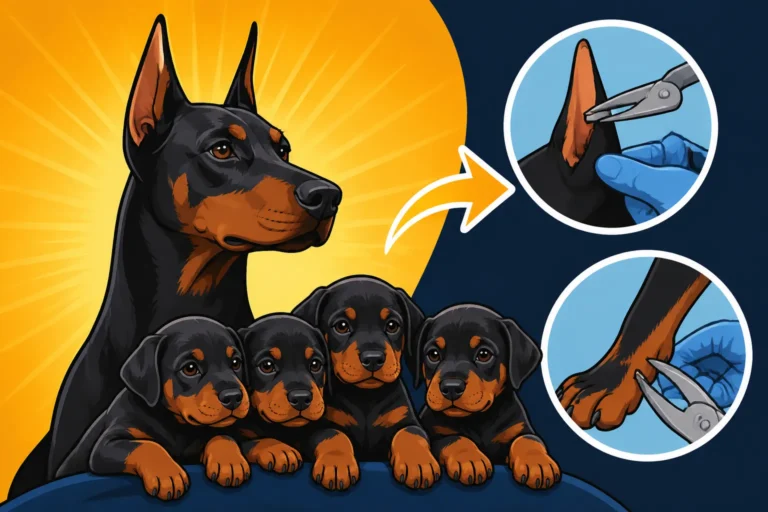
Timing is absolutely critical when it comes to ear cropping, and this can indirectly affect the cost. Doberman ear cropping is ideally performed within a very narrow window, usually between 7 and 12 weeks of age. Some vets might extend that to 14 or 16 weeks, but generally, the younger, the better, as the ear cartilage is softer and more pliable, making the procedure and the subsequent posting process easier and more successful.
If you miss this optimal window, you might find that the procedure becomes more expensive or even impossible. A surgeon might charge a premium for an older puppy whose cartilage has begun to stiffen, making the surgery more challenging and the outcome less predictable. Furthermore, the longer you wait, the more likely you are to encounter vets who refuse to do the crop at all, limiting your options and potentially forcing you to travel further or pay more for someone willing to take on the harder case. This is why a reputable breeder will often have a puppy’s ears cropped before it even goes home, ensuring this critical timeframe isn't missed. You might even find that your puppy's initial purchase price includes the crop, which is a big consideration if you're looking at what breeders ask for a Doberman puppy.
Type of Crop Style
Believe it or not, there isn't just one "Doberman ear crop." There are several styles, and the one you choose can influence the complexity and duration of the surgery, and therefore the price. Generally, styles range from a shorter, more conservative "pet crop" to a longer, more elegant "show crop." The show crop, often preferred for Dobermans intended for the conformation ring, requires a very specific length and shape that demands extreme precision.
A longer crop means more intricate work, often requiring the surgeon to meticulously shape a larger piece of cartilage. This takes more time under anesthesia and greater surgical artistry to ensure symmetry and proper flow. A shorter crop might be less labor-intensive, though still requires significant skill. When discussing the procedure with your chosen vet, they should be able to show you examples of their work and advise on which style would best suit your Doberman's head shape and your personal preference. Remember, the goal is to enhance the dog's natural beauty, not just make the ears stand up.
Breaking Down the Components of the Bill
The initial price tag for a Doberman ear crop can seem daunting, but it's important to understand that this isn't just for the moment your puppy is on the operating table. It's a comprehensive fee that covers a range of services and materials, some of which you might not immediately consider. Deconstructing the bill helps you see where your money is going and prepares you for the full financial commitment.
Surgical Fees
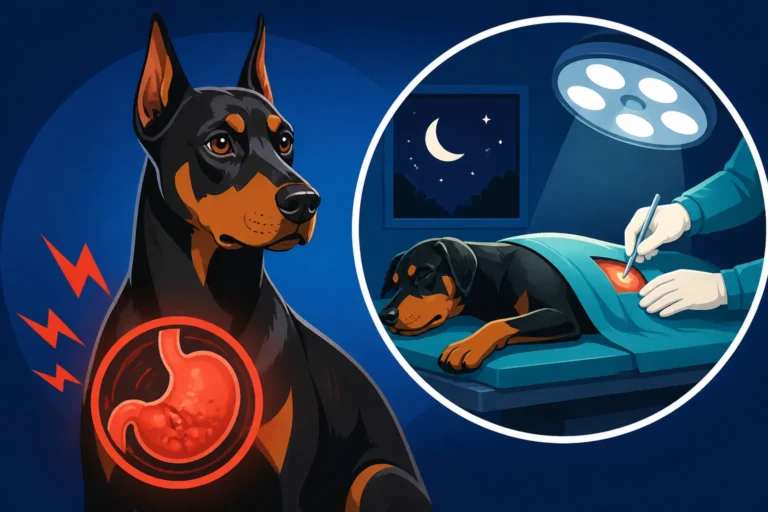
This is the core of the cost, encompassing the actual surgical procedure itself. It typically includes the veterinarian's fee for their time and skill in performing the intricate surgery. Beyond the surgeon's handiwork, the surgical fee will also cover crucial elements like anesthesia. Doberman puppies, like all young animals undergoing surgery, require careful monitoring during anesthesia to ensure their safety. This often means specialized anesthetic drugs, advanced monitoring equipment, and a dedicated veterinary technician to oversee the process.
Pain management is another critical component, and a good surgical fee will include initial pain medication administered post-surgery to keep your puppy comfortable as they recover. Some clinics might also roll in a pre-surgical exam to ensure your puppy is healthy enough for the procedure, as well as a follow-up visit a few days later to check the incision sites and ensure proper healing. It’s never just about the cut; it’s about the entire medical process surrounding it.
Post-Operative Care and Supplies
The moment your Doberman puppy leaves the clinic with its freshly cropped ears, the immediate post-operative care begins, and so do the related costs. This phase is crucial for proper healing and involves preventing infection and protecting the delicate surgical sites. You'll likely be sent home with a starter kit of supplies or given a list of items to purchase. This often includes special ear cleaning solutions, sometimes a topical antibiotic ointment, and definitely some form of protective collar, like an Elizabethan collar (the dreaded "cone of shame"), to prevent your puppy from scratching or chewing at the stitches. You can find many of these essential supplies, including different types of cones and wound care items, from online retailers like Chewy.
The first week or two involves diligent cleaning and monitoring for any signs of infection or complications. Sometimes, the vet might prescribe oral antibiotics or anti-inflammatory medications if there's any concern. These medications, while vital, add to the overall expense. Neglecting this crucial post-op care can lead to serious complications, like infection, which would then incur even more vet bills for treatment and potentially compromise the final aesthetic outcome of the crop.
The Ongoing Posting Phase
This is arguably the most underestimated and often frustrating part of the Doberman ear cropping journey, and it comes with its own set of significant costs: the posting phase. Once the initial stitches are out and the ears have healed from the surgery, the real work begins to get those ears to stand tall and proud. This involves taping and posting the ears, often around a rigid support, for weeks or even months. Think of it like braces for their ears – gentle, consistent pressure to train the cartilage.
Many owners opt to have their vet or a skilled vet tech handle the initial postings, and then teach them how to do it at home. Each vet visit for re-posting will incur a fee, and these can add up quickly, especially if your puppy is particularly active or prone to knocking the posts out. You might be looking at weekly or bi-weekly visits for the first few months. If you decide to tackle the posting yourself, you'll need a steady supply of specialized materials: breathable tape, cotton balls, backer rod foam, medical adhesive, and often ear cleaning wipes to prevent irritation. While the "Posting Fees After a Doberman Crop" can vary widely, these recurring costs for materials and professional help are a significant part of the overall "Doberman Ear Cropping From Surgery to Last Posting" expense. It's not uncommon for dedicated Doberman owners to spend a considerable amount on posting supplies alone from places like Chewy over this extended period.
Factors That Influence the Final Price Tag
It's natural to want a single, clear number for the cost of a Doberman ear crop, but as you've seen, it's rarely that simple. Beyond the basic surgical fees and aftercare, several other factors can significantly sway the final price you pay. Understanding these variables will help you mentally prepare for the investment and make informed decisions.
Geographic Location
Just like real estate or a fancy dinner, the cost of specialized veterinary services, including ear cropping, can vary dramatically depending on where you live. Major metropolitan areas and regions with a higher cost of living generally see higher prices. For example, a veterinary surgeon in New York City or Los Angeles will likely charge considerably more than an equally skilled professional in a smaller town in the Midwest or the South. This isn't necessarily about greed; it reflects the higher overheads associated with running a business in those areas, including rent, staff wages, and even the cost of medical supplies.
Even within the same state, you might find significant price differences between an urban clinic and a rural one. It pays to call around to multiple clinics, but remember to prioritize quality over the lowest price. A cheaper crop from an inexperienced vet could lead to a poor aesthetic outcome or, worse, medical complications that end up costing you more in the long run. Sometimes, owners will even travel a significant distance to a different state to access a highly recommended, yet more affordable, surgeon.
Veterinary Clinic Type and Specialization
The type of veterinary practice you choose will also have a direct impact on the cost. A general practice veterinary clinic that offers ear cropping as one of many services might have a different pricing structure than a dedicated surgical specialty clinic where ear cropping is a primary focus. Board-certified veterinary surgeons, who have undergone extensive additional training beyond veterinary school, often work in these specialty clinics and typically charge higher fees for their enhanced expertise.
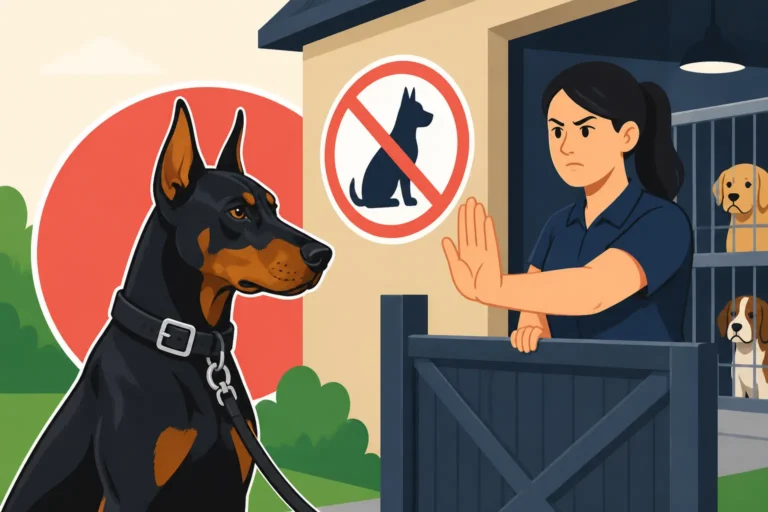
While some general vets might perform crops, those specializing in cosmetic or reconstructive surgery for Dobermans often have a refined technique and a deeper understanding of aesthetics, which can translate to a more visually appealing and structurally sound result. Their equipment might also be more advanced, and their staff more experienced in post-operative care specific to ear crops. It’s worth noting that "Vets Who Will and Will Not Crop a Doberman" are increasingly common, with some clinics choosing not to offer the service due to ethical considerations or lack of specialized staff. This further narrows your options and can drive up the cost at the clinics that do offer it.
Complications or Re-do's
No surgery is without risk, and while ear cropping is generally safe when performed by a skilled professional, complications can arise. Infections at the incision site, delayed healing, or an allergic reaction to tape are all possibilities that would necessitate additional veterinary visits, medication, and, of course, added expense. These unexpected costs can quickly inflate your budget.
Even without medical complications, sometimes a crop just doesn't stand quite right. This can be due to the puppy's individual cartilage, inconsistencies in posting, or in rare cases, an issue with the initial cut. A crop that doesn't stand properly might require a "re-crop" or further, more intensive posting and bracing, which are significant additional costs and emotional investments. It's a frustrating situation to be in after you’ve already invested so much time and money, highlighting why selecting an expert surgeon from the start is paramount.
Budgeting for Your Doberman's Cropped Ears (and Beyond)
Deciding to crop your Doberman's ears is a personal choice, and if you’ve decided it’s the right path for you and your dog, preparing financially is key. It’s more than just the surgical fee; it’s a commitment that lasts for months, and it’s important to understand how it fits into the broader financial picture of Doberman ownership.
Initial Investment vs. Long-Term Commitment
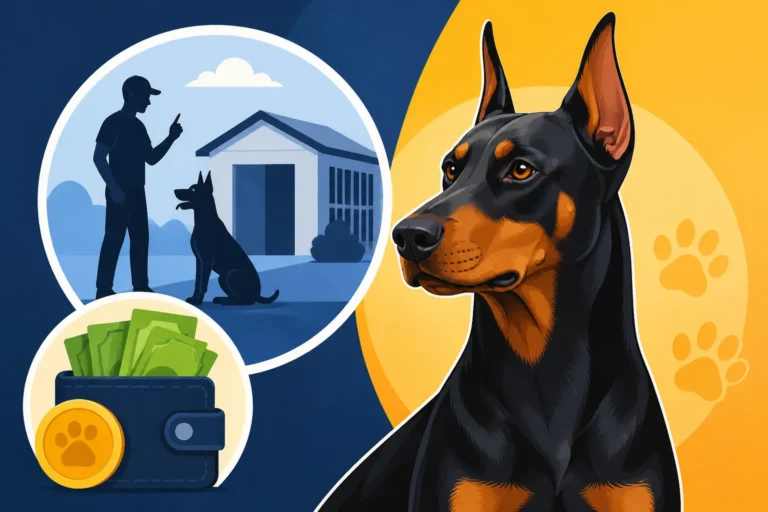
The initial surgical fee, while the largest single payment, is truly just the tip of the iceberg. The "Cost of a Doberman Ear Crop" extends far beyond the day of surgery. You need to factor in the cost of post-operative medications, the e-collar your puppy will wear, special cleaning supplies, and the ongoing expense of the posting phase. This long-term commitment includes regular vet visits for tape changes, or the continuous purchase of posting supplies if you’re doing it yourself. This phase can last anywhere from a few weeks to several months, sometimes even up to a year for stubborn ears.
It's a continuous outlay of time, effort, and money. Many owners find that these follow-up costs, while individually smaller, accumulate into a substantial sum over time. It’s not a "set it and forget it" procedure; it demands consistent attention and financial readiness for the duration of the posting period. Therefore, when you look at the "Year One With a Doberman Puppy Priced Out," ear cropping and its associated aftercare become a significant line item.
Considering Pet Insurance
It's a common question: will pet insurance cover a Doberman ear crop? The straightforward answer is almost always no. Ear cropping is considered an elective cosmetic procedure, and reputable pet insurance providers like Healthy Paws typically exclude such procedures from coverage. They are designed to cover unexpected illnesses and accidents, not planned cosmetic surgeries.
However, where pet insurance can become invaluable is if complications arise from the ear crop. For example, if your Doberman develops a severe infection that requires extensive veterinary treatment, or experiences an adverse reaction to anesthesia that leads to further medical care, these might be covered under your policy, assuming you enrolled your puppy before the procedure and any complications began. It's crucial to read your policy's terms and conditions carefully and discuss this with your insurer beforehand. Having insurance in place from a young age is always a smart move for Doberman owners, given the breed's predispositions to conditions like The Heart Disease That Reaches Most Dobermans later in life, but don't count on it for the initial crop itself.
Diet and Supplies for a Growing Puppy
Beyond the ears, remember that you're also bringing home a Doberman puppy that is growing incredibly fast and needs a lot of care. The average price of an ear crop is just one piece of the larger financial puzzle. You’ll need to budget for high-quality puppy food specifically formulated for large breeds to support their rapid growth without over-stressing their joints. Brands like Ollie, which offer fresh, tailored meal plans, or high-quality kibble available through retailers like Chewy, are an important consideration. Don’t forget other essential puppy supplies: a sturdy crate, bedding, appropriate toys that an active Doberman won't destroy in minutes, leashes, collars, and of course, routine vet check-ups and vaccinations.
| Cost Category | Initial Outlay | Ongoing/Recurring Costs | Potential Additional Costs |
|---|---|---|---|
| Surgical Procedure | Vet's Fee, Anesthesia, Initial Pain Medication | Re-crops, revision surgery | |
| Post-Op Care | E-collar, Cleaning Solutions, Antibiotics | Regular supply replenishment | Infection treatment, allergy medication |
| Ear Posting | First posting application by vet, starter kit | Weekly/bi-weekly vet posting fees, posting supplies | Extended posting due to stubborn ears |
| Miscellaneous | Travel costs to specialist vet | Complications not covered by insurance |
This table provides a snapshot, but always remember that the best way to get an accurate picture of your specific situation is to consult directly with reputable Doberman ear cropping specialists in your area. Ask for a comprehensive estimate that details all inclusions and potential additional fees. A transparent vet will be happy to provide this. It's also worth discussing "The Weeks a Doberman Crop Has to Happen In" with your breeder, as they often have relationships with experienced vets and can guide you through the initial steps.
Disclaimer
This article is for general informational purposes only and does not constitute professional advice. Laws, prices and regulations vary by location and change over time. Consult a qualified professional for guidance on your specific situation.