What Went Into the First Dobermans
Karl Friedrich Louis Dobermann created the Doberman Pinscher in nineteenth-century Germany using local dogs for protection.
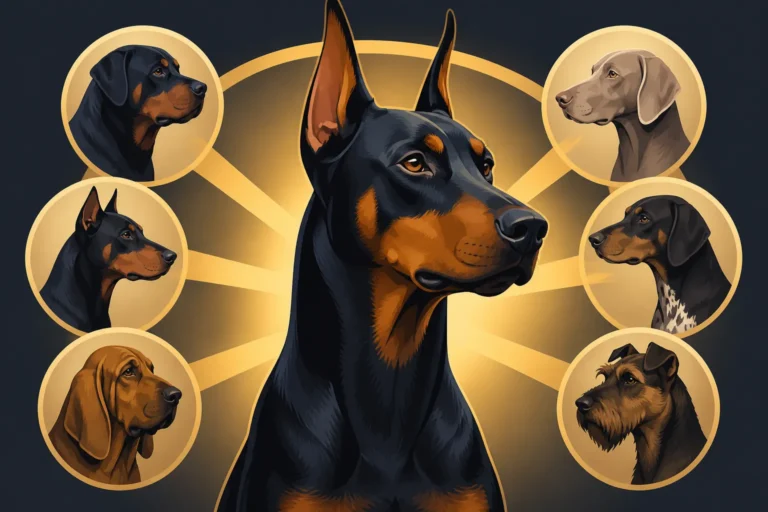
Karl Friedrich Louis Dobermann created the Doberman Pinscher in nineteenth-century Germany using local dogs for protection.

Karl Friedrich Louis Dobermann bred the first Doberman Pinscher in Germany using local stray dogs for personal protection.

Doberman physiology explains why this single-coated breed lacks natural insulation and feels cold faster than other dogs.

Proper nutrition for an eighty-pound Doberman explains how to manage health concerns, body condition scores, and food types.

Doberman intelligence creates unique training challenges and requires constant mental stimulation to prevent unwanted destructive behaviors.

Doberman shadowing behavior stems from historical breeding traits, explaining why these dogs constantly follow owners around.

Importing a European Doberman involves navigating complex paperwork and logistics to secure specific temperaments and health standards.

Doberman breeder questions reveal why they evaluate your lifestyle, work schedule, daily exercise routine, and past dog experience.
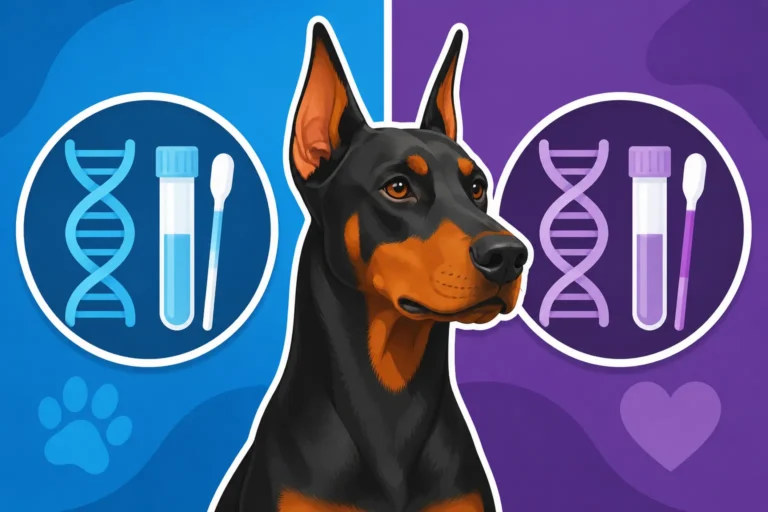
Two genetic tests for Doberman Dilated Cardiomyopathy explain known risk factors, heart chamber enlargement, and health management.
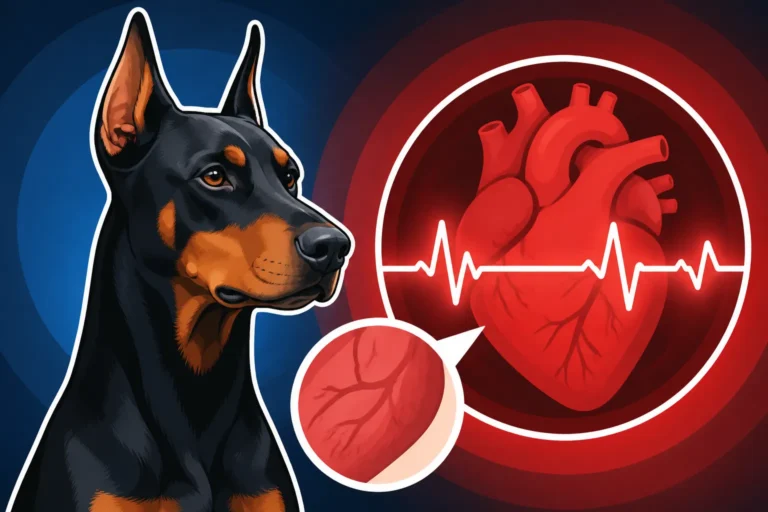
Dilated cardiomyopathy in Dobermans explains the genetic heart disease affecting up to fifty percent of the breed with warning signs.
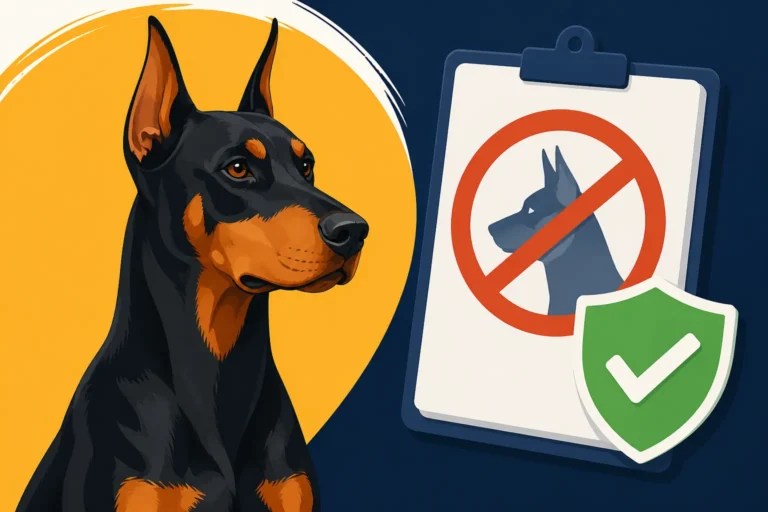
US breed restrictions for Dobermans vary because local governments, landlords, and insurance companies set individual rules.
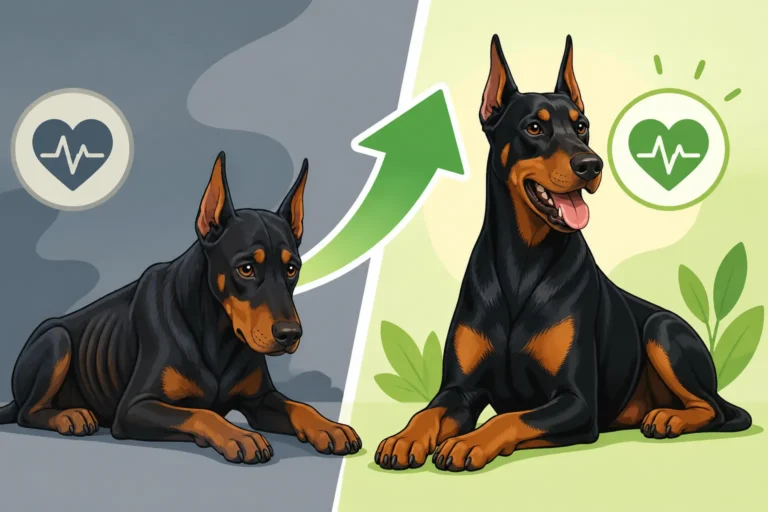
Doberman health improvements since 2000, including better heart screening tools and genetic testing, without breed-wide trends.

The Doberman Pinscher breed classification in the American Kennel Club Working Group and its actual household behavior.

Breed naming variations across international kennel registries explain why some organizations drop pinscher from Doberman.

Historical evidence reveals whether German tax collector Karl Friedrich Louis Dobermann officially named his famous dog breed.

Adopting an adult Doberman provides clear details on size, daily routines, and established temperament before bringing the dog home.
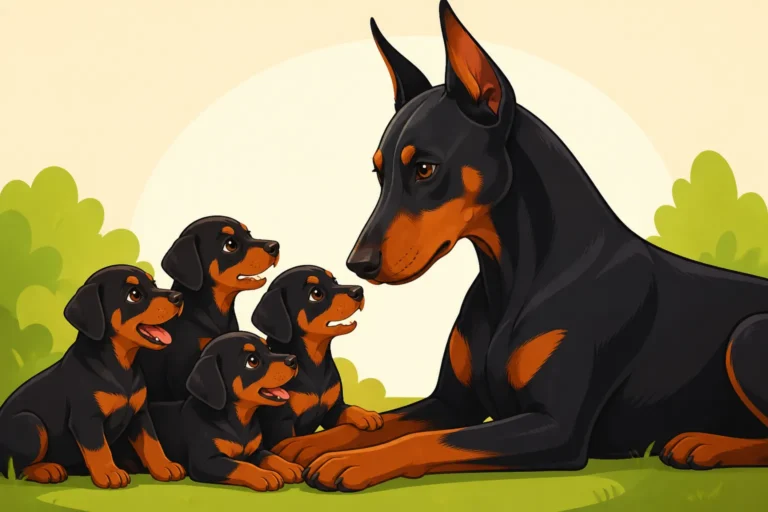
Observing a Doberman litter mother reveals clues about early puppy environments, preparation, and what questions to ask breeders.

Doberman rescue availability explains puppy sources, adoption chances, foster networks, and preparation steps for finding a young dog.

Cheap Doberman puppies often come from accidental litters, responsible rehoming, high-volume sellers, or scams.
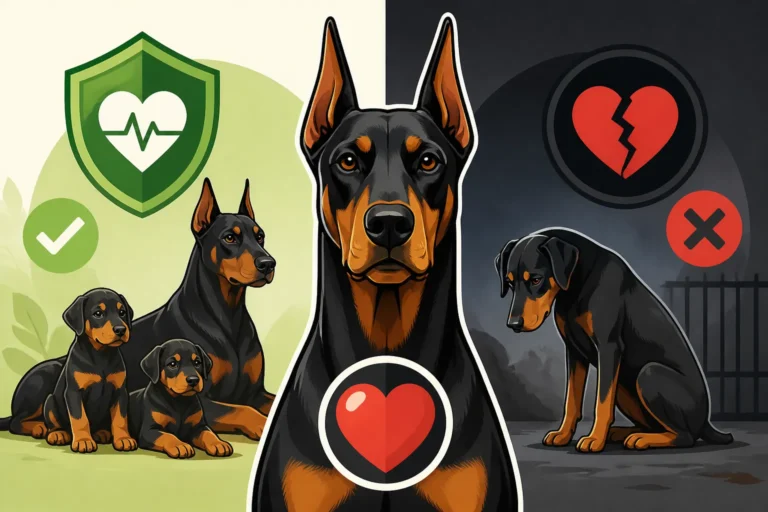
Doberman heart testing requires echocardiograms and Holter monitors to evaluate health records and identify DCM screening risks.