What a Doberman Holter Reading Costs
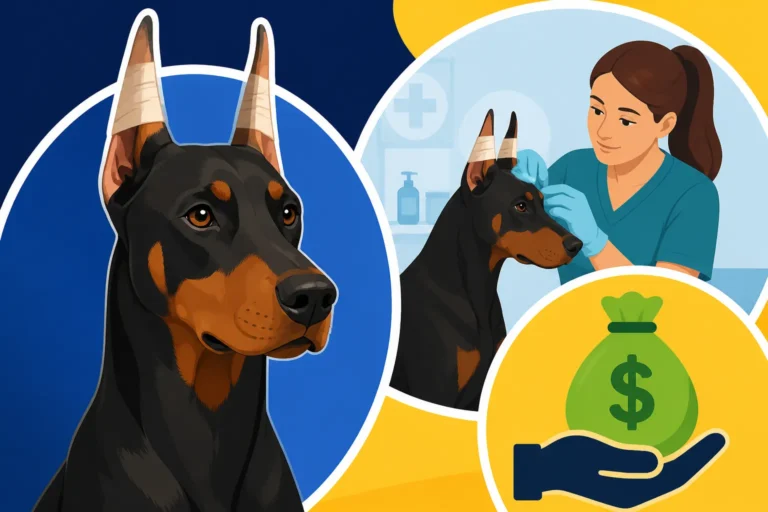
The thought of getting specialized health testing for your beloved Doberman can be incredibly overwhelming, and one of the most common worries isn't just the procedure itself, but the opaque nature of the costs involved. Many Doberman owners find themselves asking, "What will a Doberman Holter reading actually set me back?" This comprehensive guide is here to shed light on exactly what goes into the cost of this vital cardiac screening, helping you understand the components, influencing factors, and ways to prepare financially for your Doberman's heart health.
Understanding the Doberman Holter Monitor
When you own a Doberman, "heart health" isn't just a general concern; it's a specific, urgent priority. Our breed is famously susceptible to Dilated Cardiomyopathy (DCM), a cruel disease that often lurks silently before striking with little warning. This is where the Holter monitor steps in as an indispensable tool, offering a glimpse into the hidden electrical activity of your Doberman's heart over an extended period.
What Exactly is a Holter Monitor for Dobermans?
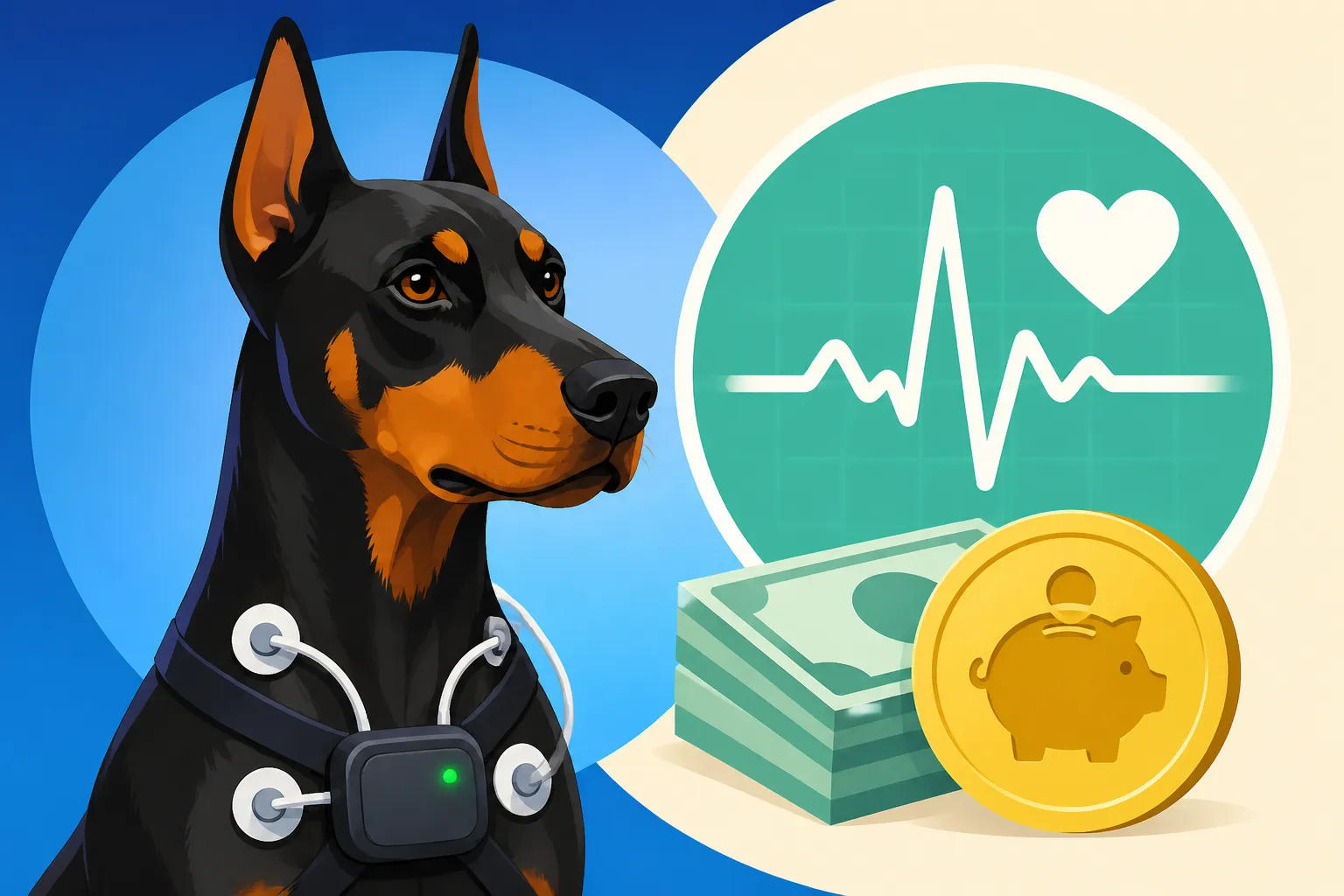
Imagine a small, lightweight device, roughly the size of a pack of cards, that can be comfortably worn by your Doberman for 24 to 48 hours, sometimes even longer. This is the Holter monitor. It's not invasive; it simply records every single heartbeat, every skipped beat, every irregular rhythm as your Doberman goes about their daily life – eating, sleeping, playing, and even getting into a bit of mischief. Electrodes are carefully attached to your dog's skin, usually shaved in a few small spots, and connected to the monitor, which is then secured in a special vest or wrapped snugly against their body. The goal is to capture a full picture of the heart's electrical activity, not just what happens during a brief vet visit when everything might seem calm. It's like a long-form medical diary for their heart.
Many owners find themselves wondering about the specifics of the device itself and how it works. These aren't simple heart rate trackers; they are sophisticated diagnostic tools. The data collected by a Holter monitor is far more detailed than what a vet can gather with a stethoscope during a routine check-up. While a stethoscope can detect obvious murmurs or arrhythmias in the moment, it can't tell you if your Doberman experiences hundreds of abnormal beats while they're sleeping soundly, or during an exciting play session at the dog park. That continuous, real-world data is precisely what the Holter provides, giving your cardiologist a complete mosaic of their heart's performance.
Why is Holter Monitoring Crucial for Dobermans?
The primary reason Holter monitoring is so vital for Dobermans revolves around their genetic predisposition to Dilated Cardiomyopathy, or DCM. This is The Heart Disease That Reaches Most Dobermans, and it often progresses silently, meaning your Doberman can appear completely healthy and energetic even while their heart is beginning to fail. DCM is characterized by an enlargement of the heart's chambers and a thinning of the heart muscle, leading to a decreased ability to pump blood effectively. Before these structural changes are evident on an echocardiogram (an ultrasound of the heart), electrical abnormalities, known as premature ventricular contractions (PVCs), often start to appear.
A Holter monitor can detect these subtle electrical disturbances long before any physical symptoms like coughing, lethargy, or fainting spells emerge. Think of it this way: an echocardiogram shows you the architecture of the house, but a Holter monitor tells you if the wiring is faulty. Catching these PVCs early is absolutely critical. The Age Doberman Heart Disease Usually Starts is often around three to six years old, but the occult (hidden) phase can last for years. Detecting DCM in its occult phase allows for early intervention with medications that can significantly slow the progression of the disease and potentially extend your Doberman's life and quality of life. Without this monitoring, many Dobermans are only diagnosed once they enter congestive heart failure, a much more advanced and difficult stage to manage.
Breaking Down the Costs of a Doberman Holter Reading
When you receive a bill for a Doberman Holter reading, it's rarely just one lump sum for "the reading." There are several distinct components that contribute to the overall cost, each reflecting specialized equipment, professional time, and expert interpretation. Understanding these elements can help you anticipate the full financial picture.
Initial Device Application and Rental Fees
The first part of the cost typically covers the actual Holter monitor device itself and the veterinary technician's time involved in preparing your Doberman for monitoring. This isn't just a matter of sticking on electrodes; it requires careful shaving of small areas on your dog's chest to ensure good contact, precise placement of the leads, and securing the device in a comfortable yet robust vest or bandage wrap. The technician will also provide detailed instructions on how to care for the monitor and your Doberman during the monitoring period, including advice on keeping the device dry and preventing your dog from chewing on it. This initial appointment can take a significant amount of time, ensuring everything is correctly set up to gather reliable data.
Beyond the application, there's usually a rental fee for the Holter monitor itself. These are specialized medical devices, and veterinary clinics often don't own a large fleet of them. They might rent them from a third-party company or a veterinary cardiology referral center. The rental fee can vary depending on the duration of the monitoring (e.g., 24 hours vs. 48 hours). Some clinics might have a daily rental rate, while others have a flat fee that covers a typical monitoring period. This fee ensures that the clinic can provide this advanced service without having to make a massive upfront investment in equipment that might not be in constant use. Keep in mind that securing this equipment and ensuring its proper function is part of the professional service you're receiving.
The Cost of the Reading Itself by a Specialist
Once your Doberman's monitoring period is complete and the device is returned to the clinic, the recorded data needs to be downloaded and, critically, interpreted. This isn't something your general veterinarian typically does. The sheer volume of data – tens of thousands of heartbeats – requires a trained eye and specialized software. The raw data from the monitor is sent to a board-certified veterinary cardiologist, who meticulously reviews every beat, identifies any anomalies, and compiles a comprehensive report. This report details the number and type of any abnormal heartbeats (like PVCs), assesses the average heart rate, and looks for patterns that might indicate DCM or other cardiac issues.
This specialist interpretation is often the most significant portion of the Holter reading cost. You are paying for years of advanced veterinary education and experience. A cardiologist can differentiate between benign arrhythmias and those that are indicative of a serious underlying condition. They understand the nuances of what How Many Abnormal Beats Worry a Doberman Cardiologist and what might be considered within normal limits for a Doberman. Their expert analysis is invaluable, as it forms the basis for any subsequent diagnosis and treatment plan. Without this expert reading, the raw data from the monitor would simply be undecipherable noise.
Follow-up Consultation and Treatment Planning
After the cardiologist has read the Holter data and sent their report back to your primary veterinarian, you'll need a follow-up consultation. This appointment is crucial for discussing the results in detail, understanding what they mean for your Doberman's health, and formulating a proactive treatment plan if any issues were detected. Your general vet will explain the cardiologist's findings in layman's terms and answer all your questions, providing clarity during what can be an anxious time.
If the Holter monitoring reveals early signs of DCM or other cardiac abnormalities, this consultation will shift towards discussing medication options. This might involve starting your Doberman on drugs like pimobendan, even in the occult phase, as studies have shown it can delay the onset of clinical symptoms. For more information on this, you might look into Pimobendan Before a Doberman Shows Signs. The vet will explain dosage, potential side effects, and how to administer the medication. This phase can also involve discussions about lifestyle adjustments, such as exercise restrictions or dietary changes. This consultation is more than just delivering news; it’s a vital step in ensuring your Doberman receives the best possible ongoing care based on the Holter's findings, potentially extending their healthy years.
Factors Influencing the Final Holter Reading Bill
The cost of a Doberman Holter reading isn't a fixed number; it can fluctuate significantly based on several variables. Understanding these factors can help you gauge what you might expect to pay in your specific situation.
Geographic Location and Veterinary Practice Rates
Just like real estate or human medical procedures, veterinary costs can vary considerably depending on where you live. For instance, you might find that the total bill for a Holter reading is significantly higher in a major metropolitan area with a high cost of living, like a clinic in downtown San Francisco or New York City, compared to a rural veterinary practice in, say, the Midwest. Specialized veterinary cardiology centers, often found in larger cities, tend to have higher overheads, including state-of-the-art equipment and a higher concentration of board-certified specialists, which naturally influences their pricing.
Even within the same general area, there can be differences between a large multi-specialty referral hospital and a smaller general practice clinic that coordinates with an external cardiologist. Some general practices may only charge for the application and then forward the device and a separate bill for the cardiology report. Others might provide a bundled cost. It's always a good idea to call around to a few different veterinary offices, including any local cardiology specialists, to get a comparative quote. Be sure to ask for an itemized breakdown so you know exactly what each component of the service costs. This due diligence can save you a good amount of money, but always prioritize the expertise of the vet performing the application and the cardiologist reading the results.
Duration of Monitoring and Repeat Testing
The standard Holter monitoring period for Dobermans is typically 24 hours, but some cardiologists may recommend a 48-hour period if there's a specific concern or if the 24-hour recording wasn't conclusive. Longer monitoring periods generally incur higher rental fees for the device and may sometimes involve slightly higher interpretation fees due to the increased volume of data the cardiologist needs to review. For many Doberman owners, Twenty-Four Hours of Holter on a Doberman is the baseline, but it's important to be open to longer monitoring if your vet suggests it.
Furthermore, Holter monitoring for Dobermans isn't usually a one-time event. Due to the progressive nature of DCM, annual or bi-annual screening is highly recommended, especially as your Doberman enters The Doberman Years When Everything Shows Up, typically from three years of age onwards. This means you should budget not just for one Holter reading, but for repeat Holter monitoring throughout your Doberman's adult life. Each of these subsequent tests will incur its own set of fees for device application, rental, and specialist interpretation. While this might seem like a recurring expense, it’s a proactive investment in catching DCM early and managing it effectively, often making the difference between a few months and several years of quality life.
Additional Diagnostic Tests
While a Holter monitor specifically assesses the electrical activity of the heart, it's just one piece of the puzzle in comprehensive cardiac evaluation. Often, a Holter reading is performed in conjunction with, or as a follow-up to, other diagnostic tests. The most common companion test is an echocardiogram (an ultrasound of the heart), which allows the cardiologist to visualize the heart's structure, measure chamber sizes, and assess blood flow. What a Doberman Echo Actually Measures is different from a Holter, providing complementary information about the physical state of the heart muscle. An echo looks at the "bricks and mortar," while the Holter looks at the "electrical system."
Before a Holter or echo, your vet might also recommend routine blood work, including a proBNP test. This is The Blood Test That Flags a Doberman Heart by measuring a hormone released when heart muscle cells are stretched. While not a definitive diagnostic test on its own, an elevated proBNP can indicate cardiac stress and prompt further investigation. If your Doberman is diagnosed with DCM, they might also need follow-up blood tests to monitor medication levels or kidney function. Each of these additional tests comes with its own cost, contributing to the overall financial commitment of managing your Doberman's heart health. It's important to discuss the full diagnostic plan with your vet so you can budget appropriately.
Here's a breakdown of potential cost components you might encounter:
| Service Component | Description | Typical Inclusions |
|---|---|---|
| Veterinary Exam/Consultation | Initial visit to discuss symptoms, history, and screening needs | Vet's time, physical examination |
| Holter Monitor Application | Shaving, lead placement, securing device, owner instructions | Technician's time, supplies (tape, wraps), clinic overhead |
| Holter Monitor Rental | Cost for using the specialized Holter device for the monitoring period | 24-48 hours of device usage |
| Cardiologist Interpretation | Expert review of recorded data and generation of a detailed report | Specialist's fee, use of analysis software |
| Follow-up Consultation | Discussion of results, diagnosis, and treatment plan with your primary vet | Vet's time, explaining report, prescribing medication |
| Additional Diagnostics (Optional) | Echocardiogram, proBNP blood test, chest X-rays | Specialist fees, equipment usage, lab analysis |
Managing the Expense: Insurance and Budgeting Tips
The reality of specialized veterinary care, particularly for a breed prone to significant health issues like the Doberman, can be financially daunting. However, there are proactive steps you can take to manage these expenses and ensure your beloved companion receives the care they need.
Pet Insurance Considerations for Doberman Heart Screening
Pet insurance can be an absolute lifesaver for Doberman owners, especially when it comes to managing the costs associated with heart screening and potential DCM treatment. However, the timing of enrolling your Doberman is crucial. Most insurance policies have waiting periods, and critically, they generally do not cover pre-existing conditions. This means if your Doberman has already been diagnosed with DCM or has shown signs of cardiac issues (like PVCs on a Holter) before you enroll them, that condition will likely be excluded from coverage. This is Why a Doberman Insured at Four Is Late if heart issues have already started.
Therefore, the best time to enroll your Doberman in pet insurance is when they are a young puppy, ideally before their first cardiac screening. Look for comprehensive plans that cover hereditary and chronic conditions. Companies like Healthy Paws often receive good reviews for their comprehensive coverage, but it's essential to compare different providers and read the policy details carefully. Pay close attention to deductibles, reimbursement percentages, and annual limits. While routine screening like an annual Holter might initially fall under a "wellness" add-on for some plans, once a diagnosis is made, the treatment and monitoring become covered under the illness portion of the policy, which is where the real value lies. Getting coverage early can make a massive difference in your ability to afford the lifelong management of conditions like DCM.
Budgeting for Routine Doberman Heart Health
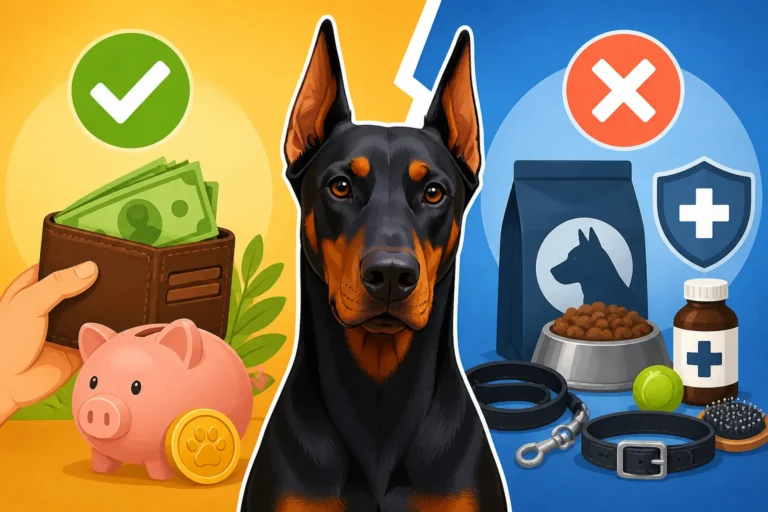
Even with pet insurance, you'll still have out-of-pocket expenses due to deductibles and co-pays, and some routine screenings might not be fully covered. This is why having a dedicated savings fund for your Doberman's health is incredibly important. Think of it as an emergency fund specifically for their medical needs. Start setting aside a small amount each month from the moment you bring your Doberman home. Even $25-$50 a month can build up quickly over a few years, providing a cushion for those predictable annual screenings like the Holter and echocardiogram, as well as unexpected issues.
Consider creating a separate savings account for your Doberman's care. This makes it less tempting to dip into for other expenses. If you plan to use a food delivery service like Chewy for your Doberman's regular food and supplies, you can often enroll in auto-ship programs that might offer discounts, freeing up a little extra cash to put into that savings fund. Knowing that Dobermans are prone to DCM, proactive budgeting is not just smart; it's a responsible part of Doberman ownership. It ensures you won't be caught off guard when your vet recommends the crucial annual Holter monitor, which can run into several hundred dollars for Annual Echo and Holter Screening for a Doberman.
Exploring Payment Plans and Financial Aid
If you find yourself facing an unexpected Holter bill or subsequent treatment costs that are difficult to manage, don't despair. Many veterinary clinics understand the financial pressures of specialized care and offer various options. One common solution is a third-party credit service like CareCredit, which provides special financing options that can allow you to pay off veterinary bills over time, often with interest-free periods if paid in full within a certain timeframe.
Additionally, don't hesitate to ask your veterinary clinic about in-house payment plans. While not all clinics offer them, some may be willing to work with you on a staggered payment schedule, especially if you have a good relationship with them. Beyond clinic options, there are also numerous breed-specific Doberman rescue organizations and general animal welfare charities that sometimes offer financial assistance for owners struggling with veterinary bills. These organizations exist to help dogs in need, and it's always worth reaching out to see if you qualify for any support. Websites for companies like Ollie, focused on fresh pet food, often also feature educational resources and links to various pet welfare organizations, so exploring their wider community resources might also point you to financial aid options. These resources can provide much-needed relief during stressful times.
The cost of a Doberman Holter reading, while a significant expense, is an invaluable investment in your Doberman's health and longevity. By understanding what contributes to the overall bill, planning ahead with pet insurance and dedicated savings, and exploring available financial aid, you can ensure your Doberman receives the critical cardiac monitoring they need to thrive. Proactive care is the best gift you can give your Doberman.
Disclaimer
This article is for general informational purposes only and does not constitute professional advice. Laws, prices and regulations vary by location and change over time. Consult a qualified professional for guidance on your specific situation.