Wound Healing in a Doberman With Thin Skin
Doberman thin skin and genetics cause slow healing wounds on elbows, hocks, and chests, requiring careful management and attention.
Know what to watch for.
Breed-specific conditions, screening and DNA tests, what surgery actually costs, and the daily habits that stretch a healthy lifespan.
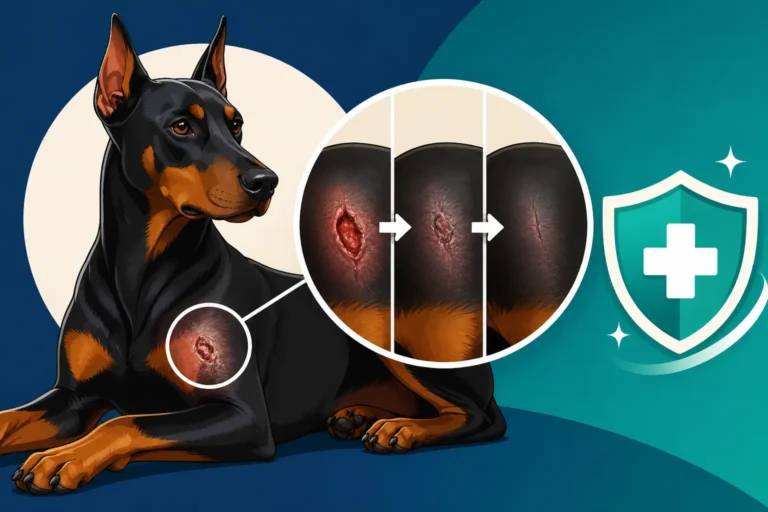
Doberman thin skin and genetics cause slow healing wounds on elbows, hocks, and chests, requiring careful management and attention.
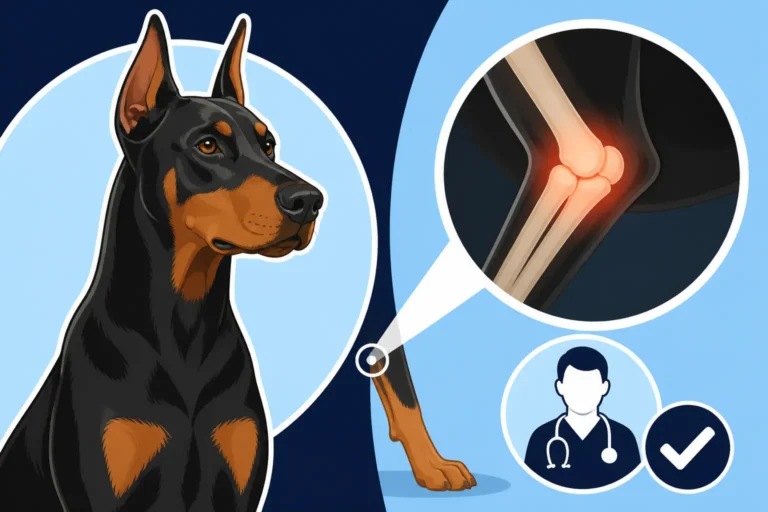
Doberman elbow screening protocols, inherited joint conditions, and developmental abnormalities affecting large dogs.
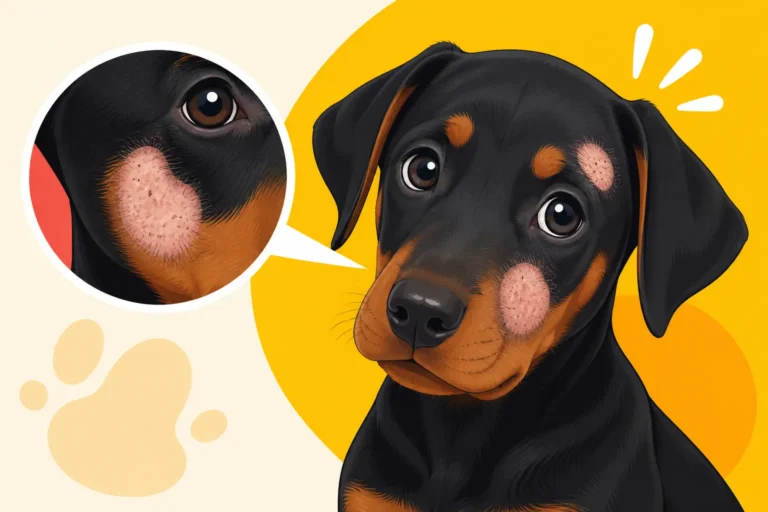
Facial hair loss in Doberman puppies involves common issues like puppy acne, Demodex mites, and developing immune systems.
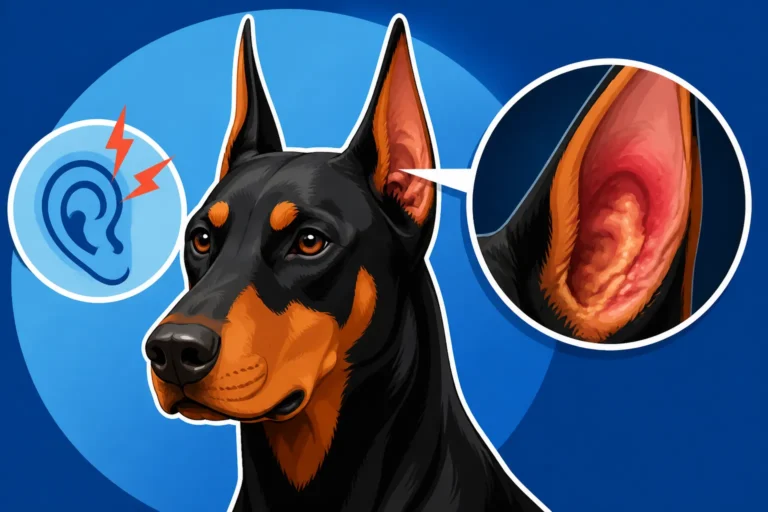
Chronic ear infections in cropped Dobermans stem from allergies and internal factors, causing bacterial and yeast overgrowth.
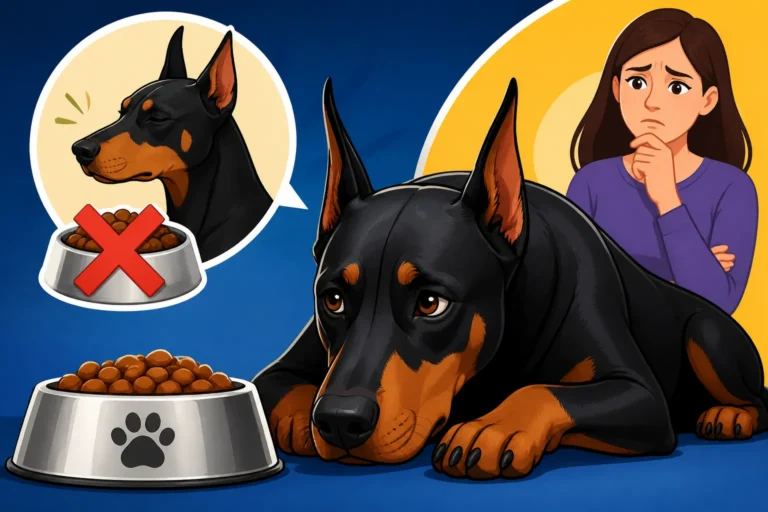
A sudden loss of appetite in a Doberman reveals potential medical emergencies, gastrointestinal issues, and observation steps.
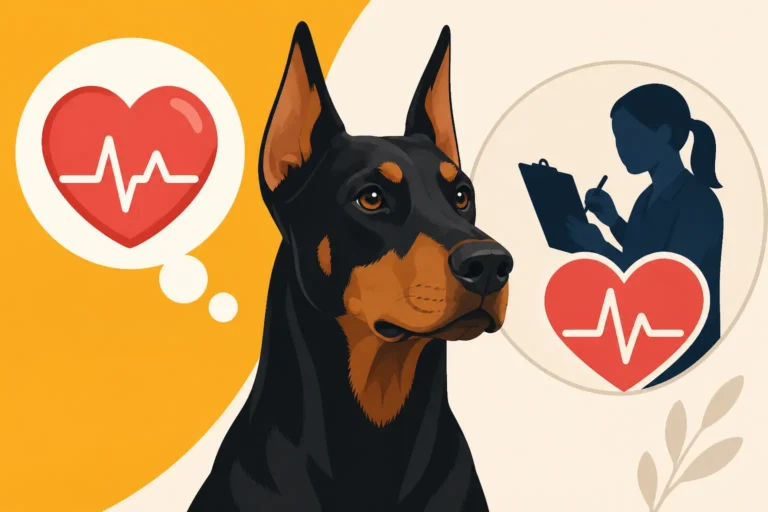
Doberman rescue organizations prioritize heart history evaluations because Dilated Cardiomyopathy is a leading cause of death in the breed.
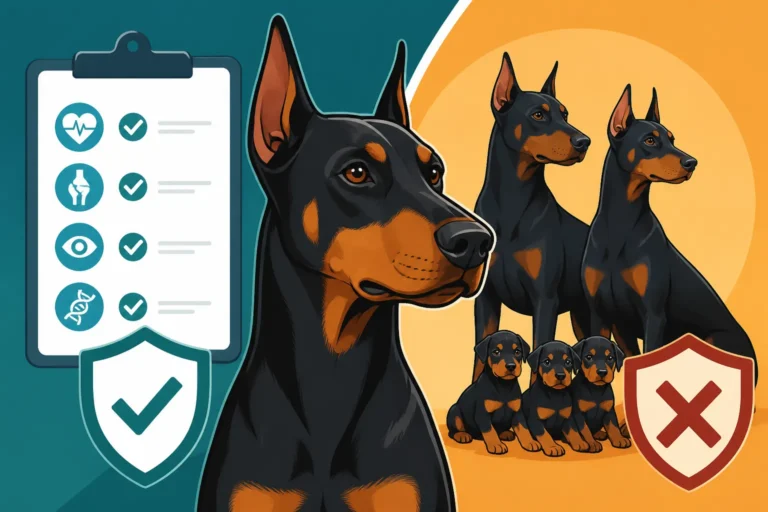
Pre-breeding health screening for Dobermans identifies genetic conditions like DCM and vWD to safeguard the future of the breed.
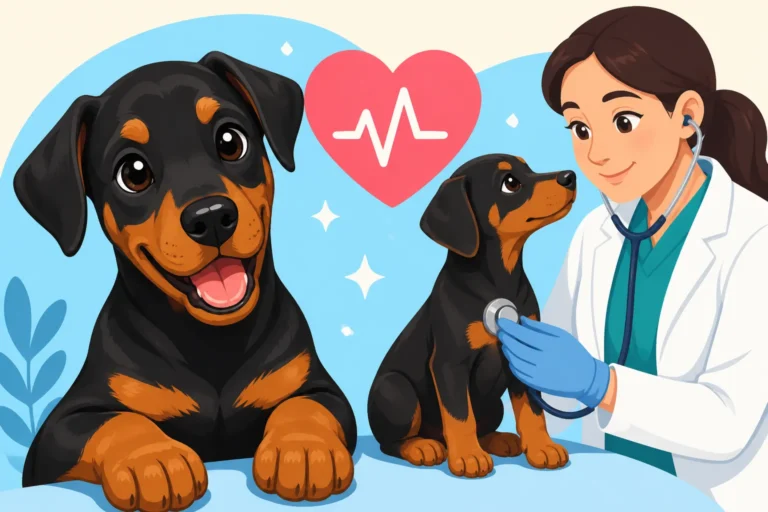
Doberman puppies and their first heart check involve understanding Dilated Cardiomyopathy risks and reviewing breeder health documentation.
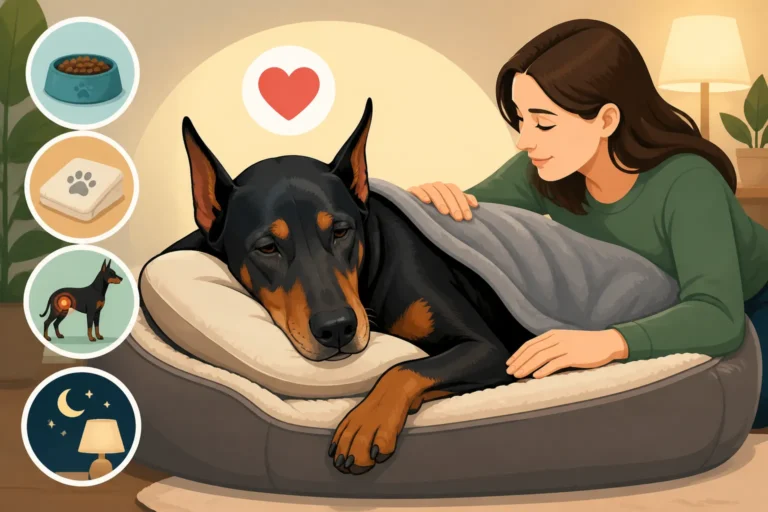
Home care for a failing Doberman explains how to recognize discomfort and manage breed health issues like Wobbler Syndrome.
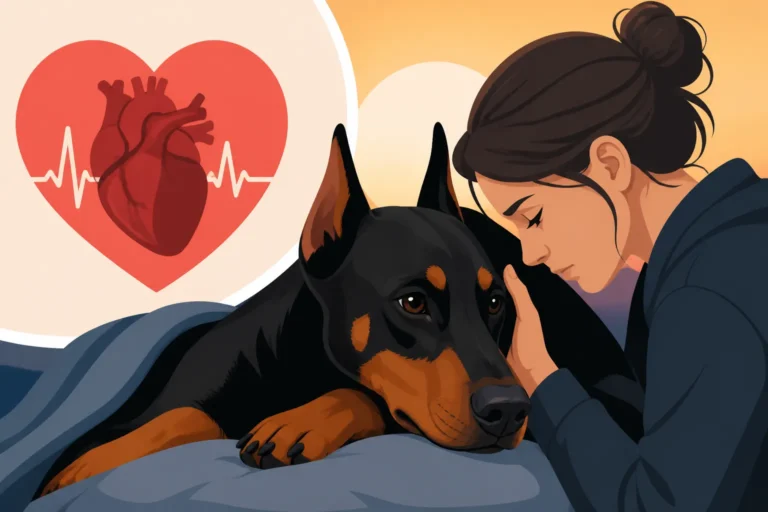
Doberman dilated cardiomyopathy signs and symptoms help owners recognize end of life stages and make difficult care decisions.