How Long a Doberman Lives After a DCM Diagnosis
It’s a crushing moment for any Doberman owner: receiving a diagnosis of Dilated Cardiomyopathy, or DCM. The questions race through your mind—how long do I have with my beloved companion? What does this mean for their future? This guide aims to bring clarity, realistic expectations, and practical insights into living with a Doberman after a DCM diagnosis, helping you understand the factors that influence their remaining time and how best to support them.
The Harsh Reality of Dilated Cardiomyopathy (DCM) in Dobermans
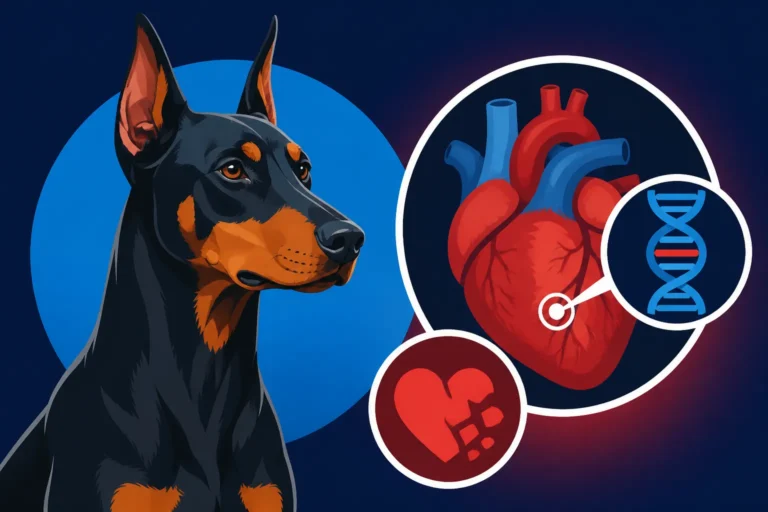
DCM is a progressive heart disease that sadly, reaches most Dobermans, making it a heartbreaking reality for our breed. It's a condition where the heart muscle becomes thin and weakened, leading to an enlarged heart that struggles to pump blood effectively. This reduced pumping efficiency can cause fluid to build up in the lungs and abdomen, and can also lead to dangerous arrhythmias. For us Doberman guardians, it often feels like a ticking time bomb, and the diagnosis can come as a profound shock, even if we knew the risk was always there.
Understanding the Disease Progression
DCM typically progresses through two main stages: the occult (or preclinical) stage and the overt (or symptomatic) stage. In the occult phase, your Doberman's heart is already undergoing changes—it might be enlarging, and electrical abnormalities (like premature ventricular contractions, or PVCs) might be occurring, but your dog shows no outward signs of illness. This is why a Doberman can look fine and be ill, making early detection incredibly challenging without regular screening. It's a silent period, where the heart is failing before anyone notices, and it can last for months or even years.
The transition to the overt stage is marked by the appearance of clinical signs. This is when the heart's function has deteriorated enough to cause noticeable symptoms, such as coughing, difficulty breathing, lethargy, reduced exercise tolerance, or even fainting. This shift is often sudden and can be terrifying. It's truly a race against time from the moment symptoms appear, and understanding this progression is crucial for managing the disease.
The Moment of Diagnosis
For many Doberman owners, the diagnosis happens when their dog is already exhibiting symptoms of heart failure. You might notice your Doberman starting to cough more, especially at night, or perhaps they're tiring faster than they used to on walks. Maybe they've even fainted during excitement or exertion, which is a massive red flag. These symptoms often prompt an urgent visit to the vet, leading to diagnostic tests like an echocardiogram (an ultrasound of the heart) and a 24-hour Holter monitor, which records heart rhythms.
The diagnosis is typically confirmed by a veterinary cardiologist after reviewing these results. They'll assess the size and function of the heart, looking for ventricular dilation and reduced contractility, as well as the presence and severity of arrhythmias. It's a heavy conversation, often filled with complex medical terms, but the most important thing to grasp is the stage of the disease your Doberman is in. This initial assessment forms the bedrock for determining the prognosis and outlining a treatment plan. Remember, even with a diagnosis, there are still ways to support your Doberman and improve their quality of life, which is why understanding the age Doberman heart disease usually starts and actively screening is so vital.
Factors Influencing Post-Diagnosis Lifespan
The question of "how long" is agonizing, and unfortunately, there's no single answer that fits every Doberman. The lifespan after a DCM diagnosis is highly variable and depends on a combination of critical factors. While we can't predict the exact number of days, weeks, or months, understanding these influences can help you prepare and make informed decisions.
Stage of DCM at Diagnosis
The most significant factor influencing your Doberman's prognosis is undoubtedly the stage of the disease at which it's diagnosed. If DCM is caught in the occult phase, before any clinical signs of heart failure appear, the outlook is generally more favorable. With early intervention, specifically using medication like Pimobendan before a Doberman shows signs, some Dobermans can remain asymptomatic for a considerable period, sometimes extending their quality of life by an additional year or even longer. This early treatment aims to delay the onset of overt heart failure.
However, if the diagnosis occurs once your Doberman is already in overt heart failure, meaning they are showing symptoms like coughing, breathlessness, or fluid accumulation, the prognosis is often more guarded. At this stage, the heart is severely compromised, and the focus shifts to managing symptoms, improving comfort, and slowing the progression of the disease. While medications can certainly help, the average survival time typically ranges from a few months to about a year, though individual cases can vary widely. This stark difference underscores why annual echo and Holter screening for a Doberman is so incredibly important, starting at an appropriate age.
Treatment Protocols and Compliance
Once diagnosed, a Doberman with DCM will typically be on a multi-drug regimen aimed at supporting heart function, reducing fluid buildup, and controlling arrhythmias. Common medications include:
- Pimobendan: This drug helps the heart muscle contract more strongly and dilates blood vessels, making it easier for the heart to pump. It's often started in the occult phase and is a cornerstone of treatment.
- Diuretics (e.g., Furosemide): These help remove excess fluid from the body, particularly fluid on a Doberman's lungs, which eases breathing and reduces coughing.
- ACE Inhibitors (e.g., Enalapril): These help relax blood vessels and reduce the workload on the heart.
- Antiarrhythmics (e.g., Sotalol, Mexiletine): These drugs are crucial for managing abnormal heart rhythms, which can lead to fainting or sudden death.
The effectiveness of these treatments hinges on strict compliance from the owner. Missing doses, not following the prescribed schedule, or failing to administer all medications can significantly impact the disease's progression and your Doberman's comfort. Regular follow-up appointments with the cardiologist are also vital to adjust medications as needed, as the disease can change over time. It's a daily commitment, but one that can genuinely buy your Doberman more precious time and a better quality of life. Pet insurance, like that offered by Healthy Paws, can be incredibly beneficial in offsetting the significant costs associated with these ongoing medications and frequent vet visits.
Individual Doberman Variation and Genetics
While DCM is sadly common in Dobermans, every dog is an individual, and their response to the disease and treatment can vary. Some Dobermans might have a more aggressive form of the disease that progresses rapidly, while others might stabilize on medication for a longer period. Factors like age at diagnosis, overall health, and the presence of other medical conditions can all play a role.
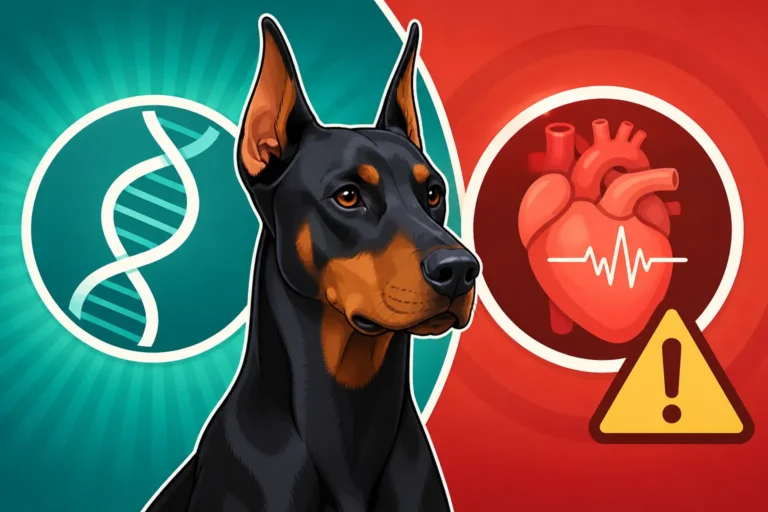
Genetic predisposition is also a crucial element. The two Doberman DCM gene tests, DCM1 and DCM2, can identify variants associated with an increased risk of developing the disease. A Doberman testing positive for the DCM1 gene, for example, is at a higher risk, and the presence of multiple variants might lead to a more severe or earlier-onset form of the disease. However, it's important to remember that genetics are just one piece of the puzzle. Even a Doberman that tests clear and still gets DCM can occur, highlighting that DCM is a complex disease with multiple contributing factors beyond the known genetic markers. This individual variability means that while averages and statistics can provide a general idea, your Doberman's specific journey will be unique.
Managing Life After a DCM Diagnosis
Receiving a DCM diagnosis for your Doberman is life-altering, but it doesn't mean the end of all joy or quality of life. It shifts your focus to managing the condition proactively, ensuring comfort, and cherishing every moment. This journey is as much about careful medical management as it is about emotional resilience and adapting your daily routine to meet your Doberman's evolving needs.
Lifestyle Adjustments and Quality of Life
One of the most immediate and impactful changes you'll need to make is adjusting your Doberman's lifestyle. High-intensity exercise, vigorous play, or anything that causes excessive exertion or excitement typically needs to be curtailed. While a Doberman that tires faster than it used to is a symptom, forcing activity can put undue strain on a compromised heart. Instead, focus on short, gentle walks for potty breaks and mental stimulation that doesn't elevate their heart rate too much. Think puzzle toys, gentle sniffing walks, or calm cuddle sessions on the couch.
Dietary modifications may also be recommended. Your veterinary cardiologist might suggest a low-sodium diet to help reduce fluid retention, especially if your Doberman has fluid on their lungs. Supplements like taurine and carnitine for a Doberman heart are sometimes recommended, although their efficacy for DCM that isn't primarily caused by a deficiency in these nutrients is still debated. Always discuss any dietary changes or supplements with your vet to ensure they are appropriate and won't interfere with other medications. The overarching goal is to maintain the best possible quality of life, allowing your Doberman to enjoy their days without unnecessary stress or discomfort. This balance is key to keeping a failing Doberman comfortable at home.
Regular Monitoring and Veterinary Support
Living with a Doberman with DCM means becoming an attentive observer of their health and maintaining a close relationship with your veterinary team. You'll need to be vigilant for any changes in their breathing, coughing, appetite, energy levels, or alertness. Keeping a log of their respiratory rate at rest, for example, can be an invaluable tool for your vet. A resting respiratory rate above 30 breaths per minute can be a subtle sign of fluid accumulation in the lungs.
Regular follow-up appointments with your cardiologist are crucial. These visits often include repeat echocardiograms to assess heart function, blood tests to monitor kidney function (which can be affected by heart medications), and sometimes repeat Holter monitoring to track arrhythmias. These checks allow the vet to adjust medications as the disease progresses, optimizing treatment to keep your Doberman stable and comfortable. The costs associated with this intensive monitoring and medication can be significant, so having a good pet insurance plan from a provider like Healthy Paws, ideally enrolled before any signs of heart disease, can provide immense peace of mind and financial support during these challenging times.
Emotional Support and Planning for the Future
Facing a DCM diagnosis is incredibly challenging, not just for your Doberman, but for you as their human. It’s okay to feel overwhelmed, sad, or angry. Seeking support from other Doberman owners who have gone through similar experiences, or from pet loss support groups, can provide invaluable comfort and understanding. Remember, you are doing everything you can for your beloved companion.
As the disease progresses, there will come a point where you need to consider quality of life over quantity. This involves having honest, empathetic conversations with your veterinarian about your Doberman's comfort, enjoyment of life, and any signs of suffering. Deciding when a Doberman with DCM has had enough is one of the hardest decisions any pet owner will ever face. It's a personal journey, and there is no right or wrong answer, only what is best for your unique Doberman. Planning for this difficult time in advance, understanding your options, and having a support system in place can help ease the burden when that time eventually comes. Despite the short Doberman lifespan, the love and bond you share are immeasurable.
| Stage of DCM at Diagnosis | Typical Survival Time (Post-Diagnosis) | Primary Focus of Treatment | Key Prognostic Factors |
|---|---|---|---|
| Occult (Preclinical) | 12-36+ months | Delaying symptom onset | Early diagnosis, adherence to Pimobendan |
| Overt (Symptomatic) | 2-12 months | Symptom management, comfort | Response to medications, control of arrhythmias, presence of comorbidities |
| Advanced Heart Failure | Days to a few weeks | Palliative care, pain relief | Severe organ damage, refractory symptoms |
Disclaimer
This article is for general informational purposes only and does not constitute professional advice. Laws, prices and regulations vary by location and change over time. Consult a qualified professional for guidance on your specific situation.