The Vet Bills a Doberman Runs Up Outside Screening
It’s a common misconception among new Doberman owners that the biggest financial drain for their dog’s health will revolve solely around cardiac screening for Dilated Cardiomyopathy (DCM). While regular echoes and Holter monitors are certainly a significant and unavoidable expense for these magnificent dogs, they are far from the only veterinary bills you'll encounter. The truth is, Dobermans, like any large, active breed, are susceptible to a whole host of other medical issues and accidents that can quickly lead to eye-watering vet bills, often catching owners completely off guard. This guide will walk you through the various non-screening related veterinary costs you’re likely to face as a Doberman parent, offering a realistic look at the financial commitment beyond the routine heart checks.
Navigating Emergency Situations and Sudden Accidents
Dobermans are active, athletic dogs, and with that boundless energy comes the risk of unexpected injuries and sudden, life-threatening emergencies. These situations don't wait for your annual check-up; they hit hard and fast, often outside of regular clinic hours, escalating costs dramatically. Being prepared for these unforeseen circumstances is crucial, not just emotionally, but financially.
The Immediate Threat of Bloat and Torsion
One of the most terrifying emergencies for Doberman owners is Gastric Dilatation-Volvulus (GDV), commonly known as bloat or stomach twist. This condition, where the stomach fills with gas and then twists on its axis, is disproportionately common in deep-chested breeds like Dobermans. It can happen swiftly, and without immediate surgical intervention, it is almost always fatal. The symptoms can be subtle at first: restlessness, pacing, unproductive retching, and a distended abdomen. Recognizing these signs and acting immediately is paramount.
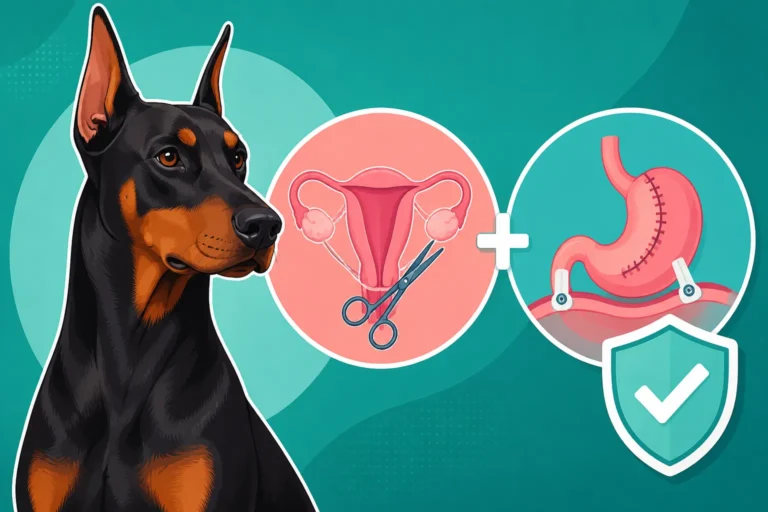
The moment you suspect bloat, you’re looking at an emergency veterinary visit, often to an animal ER, which already comes with higher fees. Diagnosis usually involves X-rays, and if GDV is confirmed, your Doberman will need emergency surgery to untwist the stomach and ideally, a gastropexy, where the stomach is tacked to the abdominal wall to prevent future twists. This surgery is complex, requires skilled veterinary staff, and involves extensive post-operative care, including IV fluids, pain management, and close monitoring for complications like cardiac arrhythmias, which can occur due to the shock of the event. The total bill for a bloat emergency, including diagnostics, surgery, and overnight hospitalization, can easily range from $3,000 to $8,000, and sometimes even higher depending on the severity of complications and the duration of stay. This is one of those situations where having pet insurance like Healthy Paws can truly make a difference, covering a significant portion of these exorbitant costs when you're least expecting them. Many owners opt for a prophylactic gastropexy when their Doberman is already under anesthesia for a spay or neuter to prevent this terrifying event, which carries its own separate cost, typically ranging from $400 to $1,000 as an add-on. For more information on preventing this issue, you can explore "Recognizing a Doberman Stomach Twist in Time".
Accidents, Trauma, and Unexpected Injuries
Beyond bloat, Dobermans are prone to a variety of accidents that can result in significant vet bills. Their zest for life often means they throw themselves into activities with gusto, sometimes leading to scrapes, sprains, or worse. A simple mishap during a run in the park could lead to a torn cruciate ligament, a common injury in athletic dogs. Surgical repair for a torn ACL can cost anywhere from $3,000 to $6,000 per knee, followed by weeks or months of rehabilitation. Then there are the truly unforeseen events: a Doberman darting into the road and being hit by a car, a fall resulting in a broken bone, or even a deep laceration from rough play.
These traumatic injuries often require immediate attention, X-rays, possibly extensive wound care, internal fixation of fractures, and sometimes even multiple surgeries. If your Doberman suffers a fracture, you're not just looking at the initial surgery; you're also facing follow-up appointments, cast changes, pain medication, and potentially physical therapy. Even something as seemingly minor as a persistent limp could require multiple vet visits, diagnostic imaging like MRI (which can easily cost $2,000-$4,000), and specialist consultations to rule out more serious orthopedic or neurological issues. These non-screening vet bills for Dobermans can quickly add up, turning an active afternoon into a financial nightmare.
Managing Chronic Conditions Beyond Cardiac Issues
While DCM rightly gets a lot of attention in the Doberman community, these dogs are also susceptible to a range of other chronic health issues that require ongoing veterinary care, medications, and specialized management, none of which fall under the umbrella of cardiac screening.
Thyroid Disease and Autoimmune Conditions
Hypothyroidism is incredibly common in Dobermans, with many developing the condition, often autoimmune in nature. While not immediately life-threatening, an underactive thyroid can manifest in a variety of ways: lethargy, weight gain, poor coat quality, skin infections, and even behavioral changes. Diagnosing hypothyroidism involves a comprehensive thyroid panel, not just a basic T4 test, and often requires specific timing and interpretation.
Once diagnosed, Dobermans with hypothyroidism require daily thyroid hormone replacement medication for the rest of their lives. This medication, while relatively inexpensive on a per-pill basis, adds up over years. Furthermore, regular blood tests (typically every 6-12 months) are needed to monitor thyroid levels and adjust dosages, ensuring the medication is effective without over-dosing. These follow-up tests and consultations can cost $100-$300 each time. Over the course of a Doberman’s life, these routine medications and monitoring appointments become a significant, recurring vet bill. If you notice your Doberman is experiencing "Weight Gain and Low Energy in a Doberman," thyroid issues might be at play.
Von Willebrand's Disease and Bleeding Disorders
Dobermans are well-known carriers of Von Willebrand's Disease (vWD), a hereditary bleeding disorder. While DNA testing can identify affected and carrier dogs, an undiagnosed or unmanaged affected Doberman can face severe complications from even minor injuries or routine procedures. A simple cut can bleed excessively, requiring emergency vet visits, sutures, and sometimes even blood transfusions. Imagine the stress and cost if your Doberman needed surgery – a spay, neuter, or even a dental cleaning – and had an undiagnosed bleeding disorder.
Before any surgery, responsible Doberman owners should have their dog tested for vWD. Even if they test clear, it's wise to discuss clotting times with your vet. For affected Dobermans, management can involve pre-surgical administration of desmopressin (DDAVP) to help with clotting, or having fresh frozen plasma readily available for transfusions. The cost of a "Price of a Doberman Clotting Test Before Surgery" is minimal compared to the emergency treatment of uncontrolled bleeding. Managing "Bruising and Bleeding in a Doberman" due to vWD can quickly lead to expensive vet visits, bloodwork, and potentially transfusions costing hundreds to thousands of dollars.
Wobbler Syndrome and Spinal Concerns
Another debilitating condition prevalent in Dobermans is Wobbler Syndrome, or Cervical Spondylomyelopathy. This neurological condition involves compression of the spinal cord and/or nerve roots in the neck, leading to a characteristic "wobbly" gait, weakness, and pain. Symptoms often appear as your Doberman matures, typically between 3 and 8 years old. Initially, it might be subtle stiffness or an awkward gait in the hind legs, eventually progressing to all four limbs.
Diagnosis often requires advanced imaging like MRI or CT scans, which are expensive, often costing several thousand dollars. Conservative management with anti-inflammatory drugs, pain medication, and restricted activity can help some dogs, but many require complex and costly spinal surgery. Surgical options can range from $5,000 to $10,000 or more, plus extensive post-operative rehabilitation, which can involve physical therapy, hydrotherapy, and specialized mobility aids. These costs can be ongoing for months or even years. Discovering "A Doberman That Wobbles on Its Back Legs" can lead to a long and expensive journey. You might also need to consider "What a Doberman MRI Shows for Wobblers" for definitive diagnosis.
Age-Related Ailments and Senior Care
As Dobermans enter their senior years, typically around 7-8 years old, they become more susceptible to a whole new set of health challenges that demand increased veterinary attention and budget allocation. It's during "The Doberman Years When Everything Shows Up" that you truly appreciate comprehensive vet coverage.
Arthritis and Degenerative Joint Disease
Despite their lean build, Dobermans are not immune to arthritis and degenerative joint disease, especially in their hips, elbows, and spine as they age. Years of running, jumping, and general activity can take a toll on their joints. You might notice your once-spritely Doberman becoming stiff after rest, reluctant to jump, or limping after exercise.
Managing arthritis is a long-term commitment. It typically involves anti-inflammatory medications (NSAIDs), joint supplements like glucosamine and chondroitin, pain medications, and possibly injections like Librela or Adequan. These treatments can run from $50-$200 per month, adding up significantly over years. Regular veterinary check-ups are also crucial to monitor their comfort levels, adjust medication, and discuss alternative therapies such as laser therapy or acupuncture, each adding to the overall cost. Specialized diets designed for joint health, available from retailers like Chewy or your vet, might also be recommended. In severe cases, extensive interventions like total hip replacement, costing upwards of $4,000-$7,000 per hip, could be considered, though less common in Dobermans than other large breeds.
Cancer Diagnoses and Treatment
Unfortunately, cancer is a leading cause of death in older Dobermans, just as it is in many purebred dogs. Lymphoma, osteosarcoma (bone cancer), hemangiosarcoma, and mast cell tumors are among the "Cancer Types That Reach Dobermans." The discovery of a lump, a sudden change in appetite, unexplained weight loss, or persistent lethargy can be terrifying harbingers of a cancer diagnosis.
The journey of cancer diagnosis and treatment is often emotionally and financially grueling. Initial diagnostics can include bloodwork, X-rays, ultrasounds, fine needle aspirates, and biopsies – each step adding hundreds to thousands of dollars. Once diagnosed, treatment options vary wildly depending on the type and stage of cancer. This could involve surgery to remove tumors ($1,000-$5,000+), chemotherapy ($2,000-$8,000+ per course), radiation therapy ($5,000-$10,000+), or a combination of these. Even palliative care to keep your Doberman comfortable, involving specialized pain medications and nutritional support, can involve significant ongoing costs. These are not one-time bills, but often a series of escalating expenses over many months.
Cognitive Decline and Organ System Failure
Just like humans, Dobermans can experience cognitive decline as they age, leading to disorientation, altered sleep-wake cycles, house-soiling accidents, and changes in interaction with family members. While not directly life-threatening, managing Canine Cognitive Dysfunction Syndrome (CCDS) can involve medications, supplements, and environmental modifications.
More serious, however, is the eventual decline of organ systems. Kidney disease, liver disease (beyond copper storage issues, which can be seen in younger Dobermans), and even the progression of heart disease into congestive heart failure, all contribute to substantial vet bills. These conditions require frequent bloodwork, urinalysis, specialized diets (which can be more expensive than regular kibble), and a cocktail of medications to manage symptoms and slow progression. For example, a Doberman in advanced heart failure might require diuretics, ACE inhibitors, and other cardiac drugs, along with oxygen therapy and frequent "Overnight Care for a Doberman in Heart Failure." These treatments can extend life and comfort but come with a hefty price tag, easily costing hundreds of dollars monthly in medication and regular vet visits.
Unforeseen Illnesses and Diagnostic Labyrinths
Beyond the commonly known breed-specific ailments, Dobermans, like any dog, can fall prey to a myriad of common canine illnesses, or develop perplexing symptoms that send you and your vet down a diagnostic rabbit hole, resulting in a stack of unexpected bills.
Acute Illnesses: From GI Upset to Skin Infections
Even a robust Doberman can get sick with a sudden onset of vomiting or diarrhea. While often resolving on their own, persistent or severe gastrointestinal upset can necessitate a vet visit. This often leads to diagnostics like fecal tests, bloodwork, abdominal X-rays, or even ultrasound to rule out pancreatitis, foreign body ingestion, or infectious diseases. Treatment might include anti-nausea medications, antibiotics, special bland diets, and IV fluids, all contributing to a bill that can range from a few hundred to over a thousand dollars, especially if hospitalization is required.
Similarly, Dobermans, particularly those with dilute colors like blue or fawn, can be prone to skin issues, including allergies or recurrent bacterial/yeast infections. Persistent scratching, hair loss, or redness can lead to multiple vet visits, skin scrapings, cytology, allergy testing, and a long course of medicated shampoos, antibiotics, antifungals, and sometimes steroids or more advanced allergy medications. Managing chronic ear infections, a common problem, especially in uncropped Dobermans, also falls into this category, with recurrent vet visits, ear cleaners, and prescription ear drops or oral antibiotics. These ongoing issues, while not typically emergencies, become a steady stream of recurring vet bills.
The Mystery Lameness and Diagnostic Journeys
Sometimes your Doberman will present with a baffling symptom – a slight limp that comes and goes, a mysterious fever that spikes and recedes, or an inexplicable cough. These situations often kick off a "diagnostic journey" that can be both frustrating and expensive. It's not always a clear-cut case of a broken bone or an infection visible on an X-ray.
Your vet might start with basic bloodwork and X-rays, but if those don’t provide answers, you could be looking at referrals to specialists (orthopedic, internal medicine, or neurology), advanced imaging (ultrasound, MRI, CT scans), joint taps, endoscopy, or even exploratory surgery. Each step is an additional cost, sometimes accumulating over weeks or months before a definitive diagnosis is reached, if one is found at all. For example, an unexplained fever could lead to tests for tick-borne diseases, fungal infections, or even rare autoimmune conditions, each test adding to the bill. These diagnostic odysseys can quickly amount to several thousand dollars without ever touching on actual treatment costs.
Elective Procedures and Preventative Measures
While routine vaccinations and parasite control are standard, there are other preventative measures and elective procedures that Doberman owners often consider, or that become necessary, leading to significant costs outside the realm of heart screening.
Dental Care: Beyond Brushing
Dental health is often overlooked until a problem becomes evident, but it's a critical part of a Doberman's overall well-being. Tartar buildup, gingivitis, and periodontal disease can lead to painful infections, tooth loss, and even impact systemic health. While daily brushing is ideal, most Dobermans will require professional dental cleanings under anesthesia at some point in their lives, often starting around 3-5 years of age.
A professional dental cleaning typically involves pre-anesthetic bloodwork, anesthesia monitoring, scaling and polishing teeth, and dental X-rays to assess the health of the tooth roots below the gumline. If extractions are necessary due to severe disease or fractured teeth, the cost significantly increases, as does the anesthesia time and pain management. A basic dental cleaning without extractions can range from $500 to $1,000, but with extractions, especially for molars, the bill can easily climb to $1,500-$3,000 or more. These are typically annual or biennial expenses that contribute to the lifelong vet bills for your Doberman. For some guidance, consider "Getting a Brush Along a Doberman's Long Jaw" for at-home care.
Spay/Neuter Complications and Surgical Risks
While spaying and neutering are common procedures, they are not without risks, and complications can quickly drive up the cost. For Doberman females, a routine spay is major abdominal surgery. Complications could include excessive bleeding (especially if undiagnosed Von Willebrand's is present), wound dehiscence (surgical incision opening up), or post-operative infections, all requiring additional vet visits, medications, or even repeat surgery. Male neuters are generally less invasive, but issues like scrotal hematomas (swelling and bruising) can still occur.
In addition to the standard spay or neuter, many Doberman owners opt for a prophylactic gastropexy at the same time to prevent bloat later in life. This elective procedure adds to the surgical time and cost. Furthermore, Dobermans, like some other large breeds, can be sensitive to certain anesthetics, making comprehensive pre-anesthetic bloodwork and careful monitoring during the procedure even more critical, and potentially increasing the overall bill. Understanding "Vaccination and Anesthesia in a Doberman" for broader context of their sensitivities can be helpful.
The Bottom Line: Be Prepared for All Scenarios
The reality of Doberman ownership is that while their stunning looks and fierce loyalty are priceless, their health often comes with a significant price tag that extends well beyond their well-documented predisposition to heart disease. From sudden emergencies like bloat, to managing chronic conditions like thyroid disease or Wobbler Syndrome, to the inevitable age-related ailments and even routine dental care, a Doberman's vet bills can be substantial.
A Realistic Look at Annual Costs (Beyond Screening)
To put it into perspective, here's a rough breakdown of what non-screening related vet bills might look like in a given year, especially as your Doberman ages. These are just examples and can vary wildly based on your location, your vet's fees, and the specific needs of your dog:
| Category | Typical Annual / Per Incident Cost Range | Notes |
|---|---|---|
| Emergency Bloat Surgery | $3,000 – $8,000+ (per incident) | Life-saving, time-critical surgery. |
| Cruciate Ligament Repair | $3,000 – $6,000+ (per knee) | Often includes diagnostics & post-op care. |
| Hypothyroidism Mgmt. | $300 – $600 (annual) | Medication & 1-2 recheck blood panels. |
| Wobbler Syndrome Diagnosis | $2,000 – $4,000 (MRI/CT) | Does not include treatment costs. |
| Wobbler Syndrome Surgery | $5,000 – $10,000+ (per incident) | Plus rehabilitation costs. |
| Arthritis Management | $600 – $2,400 (annual) | Medications, supplements, occasional injections. |
| Cancer Diagnosis & Treatment | $2,000 – $10,000+ (per course/year) | Highly variable based on type and stage. |
| Professional Dental Cleaning | $500 – $1,000 (annual/biennial) | Increases significantly with extractions. |
| Acute GI/Skin Issue | $200 – $1,000 (per incident) | Diagnostics, medications, sometimes hospitalization. |
These figures highlight why pet insurance is not just an option, but often a financial necessity for Doberman owners. Companies like Healthy Paws offer various plans that can cover accidents, illnesses, and even chronic conditions, helping to mitigate the shock of these high bills. While it won't cover pre-existing conditions, enrolling a Doberman early, before major issues arise, can provide immense peace of mind. Otherwise, diligently setting aside funds specifically for veterinary emergencies is paramount to ensuring your beloved Doberman receives the best possible care when they need it most.
Disclaimer
The information provided in this article is for general informational purposes only and does not constitute veterinary advice. Always consult with a qualified veterinarian for any health concerns or before making any decisions about your Doberman's health or treatment plan. Veterinary costs are estimates and can vary significantly based on location, clinic, and individual circumstances.