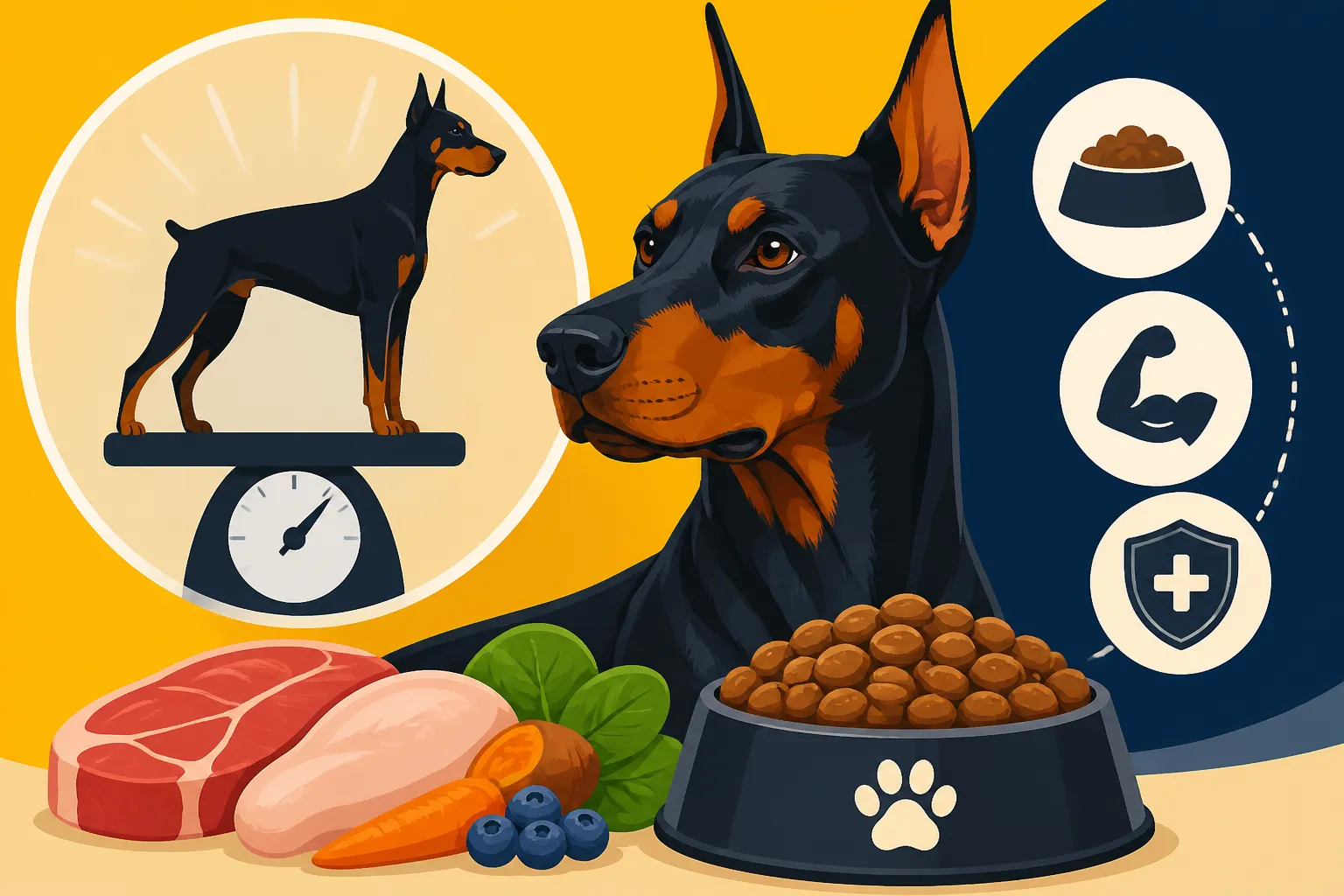
Feeding a Doberman at Eighty Pounds
Bringing home an eighty-pound Doberman means a significant commitment, not just in love and training, but also in ensuring they receive the proper nutrition. It's easy to feel overwhelmed by the sheer number of dog food options, conflicting advice, and the constant worry of doing right by your magnificent companion. This guide aims to cut through the noise, offering clear, empathetic, and realistic advice on how to feed your powerful Doberman, ensuring they thrive and maintain that iconic athletic physique.
Understanding Your Doberman's Nutritional Needs
Dobermans are truly magnificent animals, known for their sleek, powerful build and boundless energy. But this athletic prowess means they have specific dietary requirements that differ significantly from many other breeds. You can't just free-feed or eyeball their portions; an eighty-pound Doberman needs a thoughtfully planned diet to support their active lifestyle and unique physiology.
The Energetic Doberman Metabolism
Dobermans, especially those engaged in regular exercise, possess a high metabolic rate. This means they burn through calories more quickly than less active or more sedentary breeds. Owners often comment on how their Doberman seems to be a bottomless pit, always ready for the next meal or treat, and there's a good reason for that: they need the fuel! This high metabolism is crucial for maintaining their lean muscle mass, sharp mental focus, and overall vitality. However, it also means that without enough high-quality nutrition, they can quickly become underweight or lack the sustained energy they need for daily activities.
It’s a balancing act; you want to provide sufficient energy without overfeeding and risking unwanted weight gain, which can put strain on their joints. Think of your Doberman as an athlete—they need nutrient-dense calories that support muscle repair, provide sustained energy, and keep their immune system strong. The wrong fuel, or not enough of it, can lead to lethargy, a dull coat, and even impact their immune response. You might notice your Doberman shivering on a cool day, and while part of that is their lack of undercoat, their metabolism plays a role in keeping them warm too. If you've ever wondered why a Doberman feels the cold before other dogs, their lean build and high metabolism are key factors, making proper nutrition even more vital for maintaining body temperature.
Ideal Body Condition and Weight for an 80-Pound Doberman
While 80 pounds is a good general benchmark, the ideal weight for your Doberman will depend on their specific height, gender, and individual build. A male Doberman might comfortably carry 80 pounds and appear perfectly lean, while a particularly tall female might also be 80 pounds and look much thinner. What's more important than a number on the scale is their body condition score. You should be able to easily feel your Doberman's ribs without seeing them protruding sharply. When you look down from above, you should see a distinct waist, and from the side, their abdomen should tuck up slightly from their rib cage.
A Doberman that looks too thin often draws worried glances, but a healthy Doberman is meant to look lean. Their musculature should be well-defined, and their movements fluid and powerful. If you’re seeing ribs visibly poking out or hip bones that look too sharp, it might indicate insufficient feeding or an underlying health issue. Conversely, if you can't easily feel their ribs without pressing, or if they lack a clear waistline, they might be carrying too much weight. Regularly assessing your Doberman's body condition by reading ribs and hip points on a Doberman is far more telling than just the number on the scale. Maintaining this ideal condition is paramount for their long-term joint health and overall well-being.
Calculating Daily Caloric Intake for an 80-Pound Doberman
Determining the precise caloric intake for your Doberman can feel a bit like rocket science, but it’s a critical step in providing optimal nutrition. There's no one-size-fits-all answer, as several variables come into play. However, understanding the basics will empower you to make informed decisions and adjust as needed.
Factors Influencing Calorie Requirements
Several factors dynamically influence how many calories your 80-pound Doberman truly needs each day. The most significant is their activity level. A Doberman who spends an hour a day on a leisurely walk will have vastly different energy requirements than one involved in advanced obedience, protection sports, or regular, vigorous runs. A working-line Doberman, for instance, might need significantly more calories to fuel its intense training and activity schedule compared to a pet Doberman who enjoys more moderate exercise.
Age is another crucial factor. Growing Doberman puppies require more calories per pound of body weight to support their rapid development, while senior Dobermans, whose metabolism naturally slows down and activity often decreases, will need fewer calories to prevent unwanted weight gain. Environmental temperature can also play a role; Dobermans living in colder climates might burn more calories to maintain body heat, especially given their short coats and lean build. Their individual metabolism varies, too, with some Dobermans naturally running hotter and burning more calories, even at rest. Lastly, whether your Doberman is intact or spayed/neutered can affect calorie needs, as spayed or neutered dogs often have slightly lower metabolic rates.
General Guidelines for Active Adult Dobermans
For an adult, active 80-pound Doberman, a general starting point for daily calorie intake often falls in the range of 1,500 to 2,500 calories per day, but this can fluctuate wildly. Highly active Dobermans, like those involved in competitive sports or who are working dogs, might even require upwards of 3,000 calories or more on heavy training days. On the flip side, a Doberman with a more sedentary lifestyle due to age or injury might need closer to 1,200-1,800 calories.
It's essential to consult with your veterinarian to get a personalized recommendation, especially when first establishing your Doberman's diet or if you notice changes in their weight or energy levels. They can help calculate a more precise daily calories for an adult Doberman based on your dog's specific needs and health status. Once you have a baseline, observe your Doberman closely. Are they maintaining their ideal body condition? Are their energy levels consistent? Their body will tell you if the caloric intake is just right, too high, or too low. Remember, the goal isn't just to feed them, but to fuel them optimally.
| Activity Level | Estimated Daily Calorie Range (80-lb Doberman) | Indicators |
|---|---|---|
| Sedentary | 1200 – 1800 kcal | Minimal exercise, mostly indoor, older or recovering Dobermans. |
| Moderate | 1800 – 2200 kcal | Daily walks (30-60 min), some playtime, typical companion Doberman. |
| Active | 2200 – 2500 kcal | Regular vigorous exercise (1-2 hrs), running, hiking, regular training sessions. |
| Working/Sport | 2500 – 3000+ kcal | Intense daily training, competitive sports (schutzhund, agility), working dog roles, very high energy output. |
Note: These are general estimates. Individual needs vary greatly. Always consult your veterinarian.
Choosing the Right Food Type for Your Doberman
The dog food aisle can feel like a labyrinth, with countless brands and types vying for your attention. For an 80-pound Doberman, selecting the right food isn't just about what they like, but what truly nourishes their athletic body and supports their overall health. Making an informed choice can directly impact their energy, coat quality, and even their longevity.
High-Quality Kibble and Its Benefits
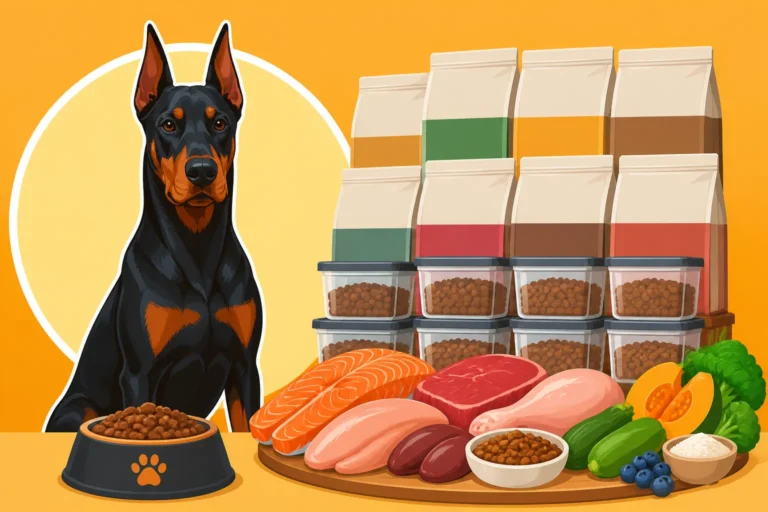
For many Doberman owners, high-quality kibble is a practical and nutritionally sound choice. The key word here is "high-quality." This means looking beyond marketing claims and focusing on the ingredient list. A premium kibble should have a named meat source (like "chicken meal" or "beef") as the first one or two ingredients, not ambiguous "meat by-products" or excessive fillers. It should also be balanced with appropriate levels of fat, fiber, and essential vitamins and minerals. Reputable brands like Orijen, Acana, and Taste of the Wild often fit this bill, providing dense nutrition in a convenient form. When shopping, whether in person or through online retailers like Chewy, always scrutinize the ingredient panel.
The benefits of high-quality kibble are numerous. It's typically very digestible, meaning your Doberman's body can efficiently absorb nutrients. It’s also cost-effective compared to other feeding methods, and its dry nature helps keep teeth cleaner, reducing tartar buildup over time. Kibble also has a long shelf life and is easy to store and measure, making daily feeding straightforward. For Doberman owners on a budget or those who travel frequently, kibble provides consistency and reliability, ensuring your dog gets a consistent nutritional profile with every meal.
Exploring Fresh and Raw Food Options
The fresh and raw food movements have gained significant traction, and for good reason—they aim to provide food closer to what a dog's ancestral diet might have been. Fresh food diets, often gently cooked or minimally processed, consist of human-grade ingredients like muscle meat, organ meat, fruits, and vegetables. Brands like Ollie offer customized meal plans delivered right to your door, taking the guesswork out of balancing fresh ingredients. Proponents report benefits such as improved digestion, shinier coats, increased energy, and better weight management for their Dobermans. These diets tend to be highly palatable, which can be a huge plus for picky eaters.
Raw food diets, often referred to as BARF (Biologically Appropriate Raw Food) or PMR (Prey Model Raw), consist of raw meat, bones, and organs, sometimes supplemented with vegetables and fruits. The philosophy is that a raw diet is what a dog's digestive system is naturally designed for. While many owners swear by the transformative benefits, raw feeding requires meticulous research and careful handling to prevent bacterial contamination for both dog and human. It's crucial to ensure a raw diet is nutritionally complete and balanced, which often means working with a veterinary nutritionist, as an unbalanced raw diet can lead to serious deficiencies. Both fresh and raw options typically come with a higher price tag and require more freezer space and preparation time.
Navigating Grain-Free and Boutique Diets
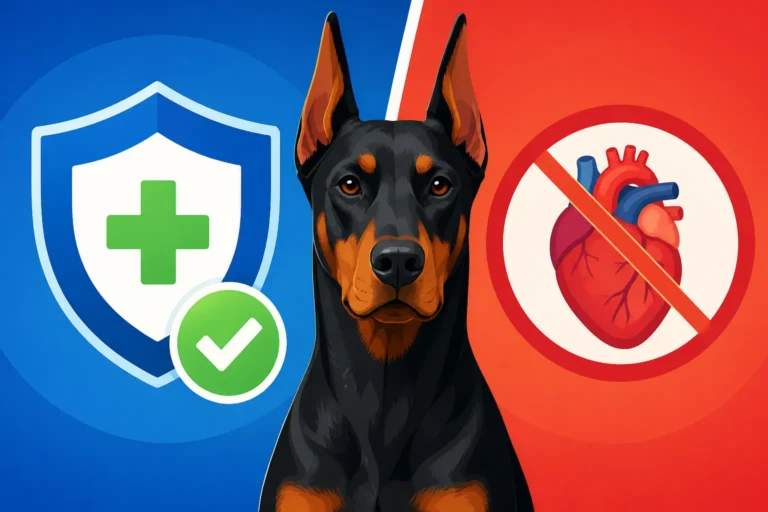
The popularity of grain-free diets exploded over the last decade, fueled by the misconception that grains are inherently bad for dogs. However, for Dobermans, this trend has come under intense scrutiny due to a potential link with Dilated Cardiomyopathy (DCM). While the science is still evolving, the FDA has investigated a possible association between "boutique" or "exotic" ingredient diets (often grain-free, or containing high levels of legumes like peas, lentils, potatoes) and an increase in canine DCM, especially in breeds genetically predisposed to the condition, like the Doberman.
Many veterinary cardiologists now advise Doberman owners to avoid these diets unless there's a medically diagnosed grain allergy. Grains themselves are not problematic for most dogs and can be excellent sources of complex carbohydrates, fiber, and other nutrients. Instead of focusing on "grain-free," prioritize diets that are "grain-inclusive" and formulated by reputable companies with veterinary nutritionists on staff, often those that meet WSAVA guidelines. When considering what the grain-free heart warning means for Dobermans, it’s clear that caution and consultation with your vet are paramount. Always choose a food that has undergone feeding trials and has a long track record of safety and efficacy.
Essential Macronutrients and Micronutrients
Understanding the role of macronutrients (protein, fats, carbohydrates) and micronutrients (vitamins, minerals) is crucial when feeding an 80-pound Doberman. Their powerful bodies rely on a precise balance of these elements to maintain peak performance, health, and vitality. Skimping on quality or balance in any area can have noticeable impacts.
Protein: The Building Block for Dobermans
Protein is undeniably the cornerstone of your Doberman's diet. As a breed renowned for its muscular build and athleticism, high-quality protein is essential for muscle growth, repair, and maintenance. Proteins are composed of amino acids, which are the fundamental building blocks for everything from skin and hair to enzymes, hormones, and antibodies. For an 80-pound Doberman, particularly an active one, a diet with a protein content generally ranging from 25-30% on a dry matter basis is often recommended.
Sources matter immensely. Look for named animal proteins such as chicken, beef, lamb, turkey, or fish as the primary ingredients. These sources provide a complete amino acid profile, meaning they contain all the essential amino acids your Doberman cannot synthesize on its own. Protein and fat for a lean working Doberman isn't just about quantity; it's about digestibility and bioavailability. High-quality protein ensures that the Doberman's body can efficiently utilize what it consumes, supporting their strength, endurance, and rapid recovery after exercise. Without adequate protein, Dobermans can experience muscle wasting, dull coats, and a weakened immune system.
Fats for Energy and Coat Health
Fats are a highly concentrated source of energy, providing more than twice the calories per gram compared to protein or carbohydrates. For an active, 80-pound Doberman, healthy fats are vital for sustained energy, aiding in the absorption of fat-soluble vitamins (A, D, E, K), and playing a critical role in maintaining healthy skin and a shiny coat. Dobermans, with their single, sleek coat, often display the quality of their diet through their skin and hair, and adequate fats contribute significantly to that characteristic Doberman sheen.
A diet typically containing 15-20% fat on a dry matter basis is suitable for most active Dobermans. Look for healthy fat sources like chicken fat, salmon oil, flaxseed, and other animal or plant-based oils. Omega-3 and Omega-6 fatty acids are particularly important. Omega-3s, often found in fish oils, are renowned for their anti-inflammatory properties, benefiting joint health, brain function, and skin condition. Without enough healthy fats, a Doberman's coat can become dry and brittle, their skin flaky, and their energy levels may suffer. However, moderation is key, as excessive fat can lead to weight gain and digestive upset.
Carbohydrates, Vitamins, and Minerals
While protein and fat often take center stage, carbohydrates provide crucial energy, fiber, and other nutrients for your Doberman. Good sources include whole grains (like brown rice, oats, barley), sweet potatoes, and certain vegetables. These complex carbohydrates offer sustained energy release and provide dietary fiber that supports healthy digestion, promotes satiety, and helps regulate blood sugar levels. For an 80-pound Doberman, a balanced diet will typically have carbohydrate content ranging from 30-45%.
Vitamins and minerals are micronutrients vital for countless bodily functions, from bone health and immune response to nerve function and metabolism. A high-quality commercial dog food should be fortified with all necessary vitamins and minerals in appropriate ratios. Key minerals like calcium and phosphorus are critical for strong bones, especially during a Doberman puppy's rapid growth phase, though excessive amounts can be detrimental. Antioxidant vitamins like E and C support immune health, while B vitamins are essential for energy metabolism. Often, you might hear discussions about specific supplements like taurine and carnitine for a Doberman heart; these are amino acids and amino acid derivatives that play critical roles in cardiac function and are sometimes supplemented, particularly in breeds prone to DCM, but should always be given under veterinary guidance. Ensuring a complete and balanced diet, either through high-quality commercial food or a professionally formulated fresh/raw diet, will generally cover these micronutrient needs.
Meal Timing and Feeding Practices to Prevent Bloat
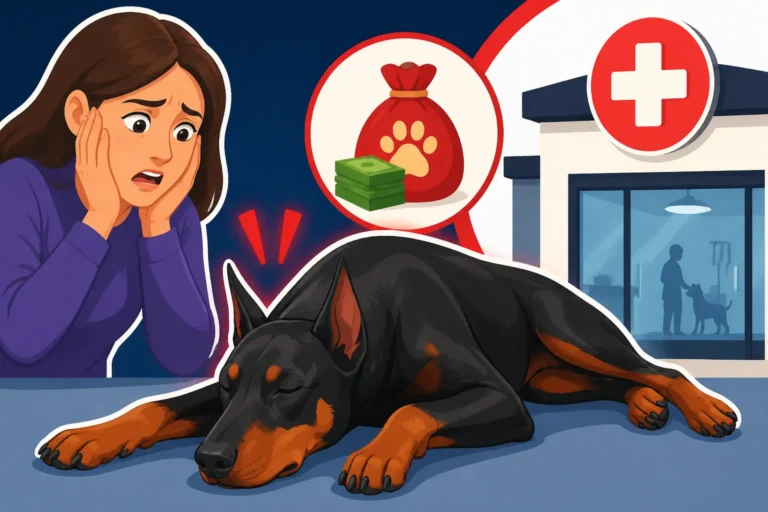
One of the most terrifying and serious health concerns for Doberman owners is bloat, or Gastric Dilatation-Volvulus (GDV). This life-threatening condition, where the stomach fills with gas and can twist, is particularly prevalent in large, deep-chested breeds like the Doberman. Proper feeding practices are not just about nutrition; they are a critical preventative measure against this emergency.
The Importance of Multiple Meals a Day
Feeding your 80-pound Doberman one large meal a day significantly increases their risk of bloat. When a large volume of food is consumed quickly, it can lead to excessive gas production and distension of the stomach, setting the stage for a twist. The solution is simple yet highly effective: split your Doberman's daily food ration into at least two, preferably three, smaller meals throughout the day. For example, an active Doberman eating 2,400 calories might get 1,200 in the morning and 1,200 in the evening, or 800 at breakfast, lunch, and dinner.
This approach not only reduces the amount of food in the stomach at any one time, lessening the chance of excessive gas buildup, but it also aids in more consistent digestion and nutrient absorption. It also keeps your Doberman from feeling overly hungry between meals, which can lead to gulping food down too quickly. Sticking to a consistent meal schedule also helps regulate their digestive system, and Dobermans, being creatures of habit, thrive on a predictable routine. If you've ever observed your Doberman's almost uncanny ability to learn your routine too well, you'll know they appreciate consistency, and feeding times are no exception.
Slow Feeders and Elevated Bowls
Even with multiple meals, some Dobermans are simply fast eaters, inhaling their food in mere seconds. This rapid ingestion of food and air is another major risk factor for bloat. This is where slow feeder bowls become invaluable. These bowls feature ridges, mazes, or separate compartments that force your Doberman to eat more slowly, making them work for each mouthful. They significantly reduce gulping and the amount of air swallowed, dramatically lowering the risk of bloat. You can find a wide variety of slow feeder bowls online at retailers like Chewy or at your local pet store.
The use of elevated bowls, or raised feeders, has been a topic of debate regarding bloat prevention. For many years, they were widely recommended, based on the theory that a dog wouldn't have to bend down as much, thereby reducing air intake. However, some studies have actually suggested a slight increase in bloat risk with elevated bowls in large breeds, while others found no significant effect. Given the conflicting evidence, it's generally recommended to discuss the use of elevated bowls with your vet. If you choose to use one, ensure it's at an appropriate height for your Doberman, allowing them to eat comfortably without straining their neck. Ultimately, ensuring your Doberman eats slowly, regardless of bowl height, is the most crucial factor.
Post-Meal Rest and Exercise Considerations
Perhaps one of the most critical feeding practices for Dobermans is managing their activity levels around meal times. Vigorous exercise immediately before or after eating is strongly linked to an increased risk of bloat. A Doberman running, jumping, or rolling around with a full stomach can cause the stomach to shift and potentially twist. It’s essential to enforce a strict "rest period" around meals.
Aim for at least one hour of calm activity, preferably two, before feeding and after feeding your Doberman. This means no intense play, running, or even long walks immediately following a meal. Short, leashed potty breaks are fine, but anything that gets their body vigorously moving should be avoided. Instead, encourage them to relax in their crate or a quiet designated area. This rest period allows the stomach to begin the digestive process without undue jostling or stress. Recognizing a Doberman stomach twist in time often means being vigilant about post-meal behavior, as early signs can be subtle. By implementing these meal timing and activity management strategies, you significantly reduce the risk of this devastating condition for your beloved Doberman.
Addressing Common Feeding Challenges
Even with the best intentions, feeding an 80-pound Doberman can present its own set of challenges. From finicky appetites to unexpected weight fluctuations, navigating these issues requires patience, observation, and sometimes, a little help from your vet.
Picky Eaters and Food Aversions
It might sound surprising for such a powerful and often food-motivated breed, but some Dobermans can be notoriously picky eaters. This can be incredibly frustrating when you're trying to ensure they get all the nutrients their large, active bodies need. A Doberman that suddenly stops eating or is consistently turning up their nose at their food might not just be "fussy"; it could indicate an underlying health issue. The first step is always a vet check-up to rule out any medical reasons for appetite loss, especially as Dobermans enter the Doberman years when everything shows up.
If health issues are cleared, then you can explore behavioral or palatability reasons. Sometimes, simply rotating between two or three high-quality kibble flavors (from the same brand, to avoid digestive upset) can keep things interesting. Adding a small amount of warm water, plain chicken broth, or a tablespoon of canned pumpkin (not pie filling) can often entice a reluctant eater. For truly persistent picky eaters, incorporating fresh food options from services like Ollie, or gently cooked lean meats and vegetables, can often make meals much more appealing. Avoid constantly switching foods, however, as this can encourage pickiness and lead to digestive upset. Consistency, coupled with making mealtime a calm, positive experience, is key.
Managing Weight Gain or Loss
Maintaining an ideal body condition is crucial for your Doberman's long-term health, but weight can fluctuate. If your 80-pound Doberman starts to slim down, appearing thinner than their ideal, it could be due to increased activity, an inefficient diet, or an underlying health problem. Again, a veterinary visit is essential to rule out conditions like parasites, malabsorption issues, or other illnesses. Once cleared, you can incrementally increase their food portion by about 10% and reassess after a week or two. Opt for calorie-dense foods designed for active breeds, and ensure they are getting sufficient protein and healthy fats.
Conversely, if your Doberman begins to put on unwanted pounds, becoming a Doberman that has thickened rather than lean, it’s usually a sign of too many calories or too little exercise. This is a common issue, especially as dogs age or if their activity levels decrease without a corresponding reduction in food. Extra weight puts undue strain on their joints and can exacerbate health conditions. Reducing their daily caloric intake by 10-15% and increasing their daily exercise (if safe to do so) are the primary strategies. Swapping out high-calorie treats for healthier options like carrot sticks or small pieces of apple can also make a big difference. Remember, consistency in feeding and exercise is paramount for weight management.
Supplements for Doberman Health Concerns
While a well-balanced, high-quality diet should provide most of the nutrients your 80-pound Doberman needs, specific breed-related health concerns sometimes warrant targeted supplementation, always under veterinary guidance. Dobermans are genetically predisposed to certain conditions, and supplements can sometimes play a supportive role.
One of the most commonly discussed supplements for Dobermans is for heart health, given their propensity for Dilated Cardiomyopathy (DCM). Your veterinarian or a veterinary cardiologist might recommend specific taurine and carnitine for a Doberman heart, as deficiencies in these amino acids have been linked to some forms of DCM. Additionally, omega-3 fatty acids, particularly EPA and DHA from fish oil, are often recommended for their anti-inflammatory properties, benefiting not only heart health but also joint and coat health. For Dobermans diagnosed with copper liver disease, specific zinc supplements might be prescribed to help reduce copper absorption and aid in low-copper feeding for a Doberman. Other common supplements include joint support (glucosamine, chondroitin) for aging Dobermans or those with orthopedic concerns. It’s crucial to never start a supplement regime without consulting your vet, as improper dosing or unnecessary supplements can be ineffective or even harmful.
Disclaimer
The information provided in this article is for general informational purposes only and is not intended to be a substitute for professional veterinary advice, diagnosis, or treatment. Always seek the advice of your veterinarian or other qualified animal health provider with any questions you may have regarding a medical condition or treatment plan for your Doberman.