Winter Walks With a Thin-Coated Doberman
Walking your Doberman in winter can feel like a constant battle against the cold, especially with their sleek, short coats and lean physiques. It's truly heartbreaking to see your beloved companion shivering on a crisp morning walk, and it leaves many of us wondering how to keep them safe and comfortable when the temperatures drop. This guide will delve deep into why Dobermans are so susceptible to cold and provide comprehensive strategies for enjoying those essential winter outings without putting their health at risk.
Why Dobermans Are So Sensitive to Cold
It's not just your imagination; Dobermans genuinely feel the cold more acutely than many other breeds. Understanding the physiological reasons behind this sensitivity is the first step in providing them with the protection they need during winter months. This isn't a breed designed for arctic expeditions, and their build, which we adore for its elegance and athleticism, also comes with specific cold-weather vulnerabilities.
Their Short, Single Coat and Minimal Body Fat
Unlike breeds such as Huskies, German Shepherds, or even Golden Retrievers, Dobermans possess a single, short coat. They simply don't have that thick, insulating undercoat that acts as a natural thermal layer. Think of it like wearing a t-shirt in winter versus a heavy wool sweater – the difference is monumental. This lack of a dense undercoat means very little air is trapped against their skin to warm them. Every gust of wind, every drop in temperature, hits them directly.
Beyond their coat, Dobermans are known for their incredibly lean, athletic build. They have very little subcutaneous fat, which is the layer of fat directly beneath the skin that provides a crucial layer of insulation for many other animals. Without this natural padding, their bodies are less equipped to retain warmth. When you run your hand over a Doberman's ribs or back, you can often feel the contours of their bones quite distinctly, even when they are at a healthy weight. This physical characteristic, while contributing to their striking appearance and agility, leaves them exposed to the elements. For more on this, consider Bedding a Doberman With No Body Fat.
Metabolic Rate and Heat Generation
While Dobermans are active dogs, their metabolic rate and how they generate and retain heat play a significant role in their cold sensitivity. All dogs generate heat through metabolism, but the efficiency of this process, combined with how well their bodies are designed to hold onto that heat, varies greatly by breed. A Doberman's streamlined body, designed for speed and agility, has a relatively large surface area to volume ratio compared to a stockier, more compact breed. This means they can lose heat more rapidly to the surrounding air, especially in windy conditions.
Imagine trying to keep a tall, thin glass of hot water warm compared to a squat, wide mug – the tall, thin glass cools down much faster due to more surface area exposed. Similarly, a Doberman's elegant, long limbs and deep chest, while beautiful, offer many points for heat dissipation. This means they need to work harder, or rather, burn more calories, to maintain their core body temperature in cold environments. It's a delicate balance, and without external help, they can quickly dip below a comfortable, and then a safe, temperature range.
Essential Winter Gear for Your Doberman
Since Mother Nature didn't bless our Dobermans with built-in winter armor, it's up to us to provide it. Investing in the right gear isn't just about fashion; it's a critical part of their winter safety plan. From snuggly sweaters to paw protection, here’s what you’ll need to consider.
The Importance of a Well-Fitting Coat
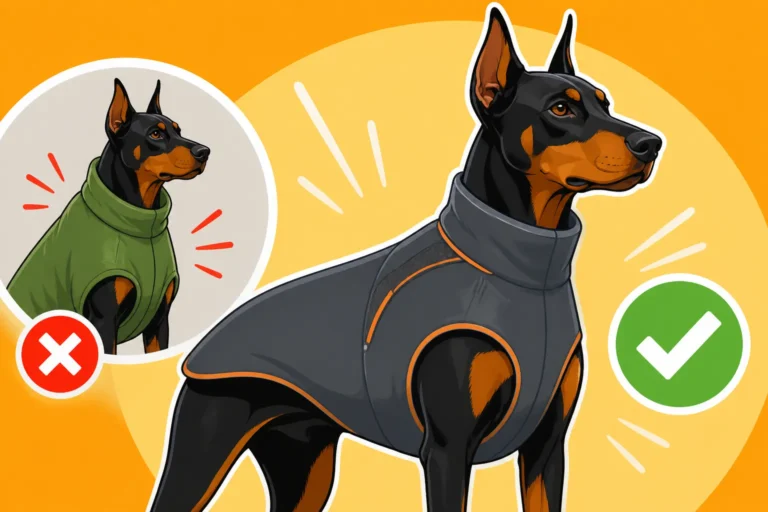
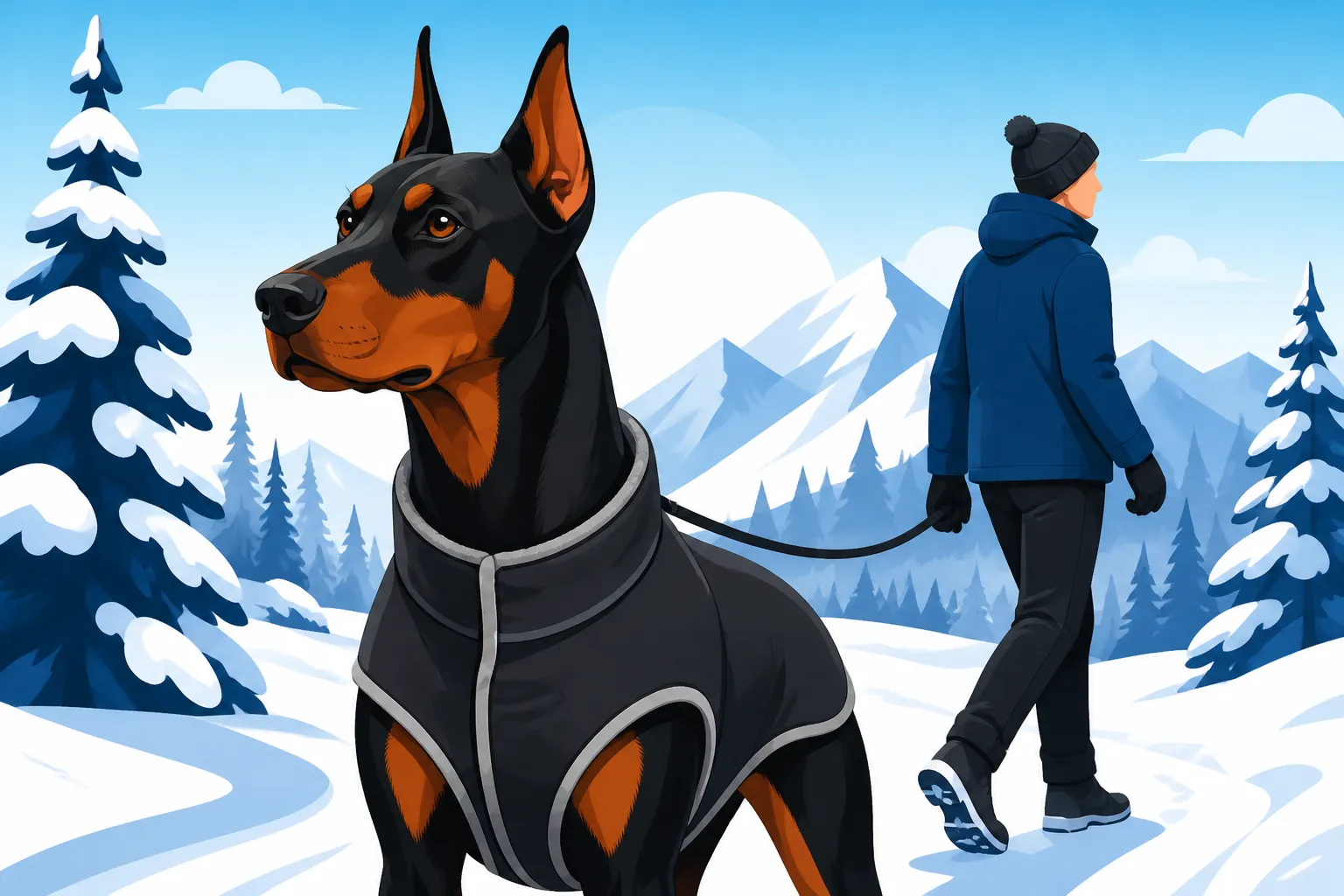
A good winter coat is arguably the most crucial piece of gear for a thin-coated Doberman. It acts as the artificial undercoat they lack, trapping a layer of warm air close to their body and protecting them from wind, snow, and light rain. But not just any coat will do. Dobermans have a very specific body shape – deep chests, lean waists, and long legs – which means many standard dog coats simply won't fit well. You need something that covers their entire back, from neck to tail, and ideally provides some coverage for their chest and belly without restricting their movement.
Look for coats made from insulated, waterproof or water-resistant materials, especially if you live somewhere with wet snow or freezing rain. Fleece linings add warmth, while an outer shell protects against moisture. Measure your Doberman carefully according to the manufacturer's guide – pay attention to chest girth, back length, and neck circumference. Don't be afraid to try a few different brands or styles. Many owners find success with brands that specifically cater to sighthound or deep-chested breeds, or those with adjustable straps that can cinch in at the waist. You can often find a wide selection and read reviews from other Doberman owners on large online retailers like Chewy or Amazon, helping you make an informed choice. Remember, the goal is warmth and comfort, not just aesthetics. For more help finding the right fit, see Coats That Actually Fit a Doberman's Chest.
Paw Protection Against Cold and Chemicals
Our Dobermans’ paw pads are tough, but they're not invincible against extreme cold, ice, or the harsh chemicals often used to melt snow on sidewalks and roads. Just as we wouldn't walk barefoot in freezing temperatures, we shouldn't expect our dogs to. Boots are an excellent solution, offering a barrier against abrasive ice, sharp salt crystals, and bitter cold. Not only do they prevent direct contact with irritants, but they also provide an insulating layer for their sensitive paw pads.
Getting a Doberman to accept boots can be a process. Start with short wear times indoors, using positive reinforcement and treats. Gradually extend the duration and introduce them during short outdoor excursions before attempting a full walk. Look for boots that are durable, flexible, and have a good grip. Velcro straps often help secure them snugly, preventing them from slipping off during enthusiastic strides. If boots are a non-starter for your Doberman, consider a paw balm or wax as a second line of defense. These products create a protective barrier on the pads, moisturizing them and shielding them from environmental irritants, though they don't offer the same thermal insulation or physical protection against ice shards. Even with balm, you'll still need to be diligent about cleaning their paws after every walk. This is crucial for preventing Salt Burns on a Doberman's Bare Pads.
Reflective Gear for Low Light Conditions
Winter often brings shorter daylight hours, meaning many of us are walking our Dobermans in twilight or darkness. Visibility becomes a huge concern, both for your safety and your dog's. Investing in reflective gear is a non-negotiable part of winter preparation, especially with black and rust Dobermans blending easily into the night. A reflective vest or harness for your Doberman, combined with a reflective leash or even a headlamp for yourself, can make a world of difference.
Many modern dog coats come with reflective strips already integrated, offering a dual benefit of warmth and visibility. If your chosen coat doesn't, you can easily add clip-on reflective tags or lights to their collar or harness. Rechargeable LED collars and leash attachments are also popular, providing active illumination that stands out far more than passive reflection. This isn't just about being seen by cars; it's also about being visible to other pedestrians, cyclists, or even other dog walkers in dimly lit parks. Taking these simple steps dramatically reduces the risk of accidents during those darker winter walks.
Recognizing and Preventing Cold-Related Health Risks
It's one thing to dress your Doberman for the cold, but it's another to know when the cold is becoming a real threat. Dobermans can be stoic, and sometimes the signs of discomfort or danger aren't as obvious as we'd like. Being vigilant for signs of hypothermia and frostbite, and knowing how to prevent them, is vital for every Doberman owner.
Signs of Hypothermia in Dobermans
Hypothermia occurs when your Doberman's body temperature drops dangerously low. This isn't just about shivering; it's a serious medical emergency. Mild hypothermia might present with persistent shivering, a cold body to the touch (especially ears and paws), and a general sluggishness. They might seem a bit disoriented or less responsive than usual. You might notice their gums are pale or bluish. As hypothermia progresses to moderate and severe stages, these signs become much more pronounced.
A dog with moderate hypothermia might have stiff muscles, stumble, or even collapse. Their breathing and heart rate will slow significantly, and they might become unresponsive. Severe hypothermia can lead to unconsciousness, coma, and eventually death if not treated immediately. If you suspect hypothermia, get your Doberman out of the cold immediately. Wrap them in warm blankets, offer warm (not hot) water, and contact your vet right away. They will likely need professional veterinary care to slowly and safely rewarm their core temperature. Prevention is always better than cure, so knowing The Temperature a Doberman Needs a Coat is key.
Identifying Frostbite on Exposed Areas
Frostbite is tissue damage caused by freezing. While less common than hypothermia, it can happen to Dobermans, especially on their most exposed extremities: ears, tail tip, and paw pads. These areas have less blood flow and are further from the warm core of the body, making them more vulnerable. Initially, frostbitten skin might look pale, waxy, or grayish. It might feel cold and stiff to the touch. Your Doberman might not show immediate pain, as the affected nerves can also be frozen.
As the tissue thaws, it can become red, swollen, and very painful. Blisters might form, and over a few days or weeks, the affected skin can turn black and die, eventually sloughing off. If you suspect frostbite, do not rub the affected area; this can cause further tissue damage. Gently rewarm the area with lukewarm (not hot) water or warm compresses, and seek veterinary attention immediately. Your vet can assess the damage and provide appropriate treatment to minimize tissue loss and manage pain. This is another reason why Whether a Doberman Needs Boots in Snow is an important consideration.
Knowing When It's Too Cold to Walk
Determining the absolute "too cold" threshold can be tricky, as it depends on factors like wind chill, humidity, and your Doberman's individual tolerance, age, and health. However, general guidelines exist. For a Doberman, anything below freezing (32°F or 0°C) warrants caution and likely a coat. Once temperatures drop into the low 20s or teens (Fahrenheit), even with a coat, walks should be significantly shortened, perhaps just for a quick potty break. When temperatures hit single digits or below zero, it's generally best to skip walks entirely and opt for indoor exercise.
Wind chill can make even moderately cold temperatures feel much colder, dramatically increasing the risk of hypothermia and frostbite. Always check the "feels like" temperature, not just the actual temperature. Remember, puppies and senior Dobermans are even more vulnerable to cold, as are those with underlying health conditions like heart disease or arthritis. Observe your dog closely: if they're lifting paws, hunching their back, shivering uncontrollably, or trying to turn back home, they're telling you it's too cold. Don't push them. Respect their signals and keep walks brief, or find an alternative way to exercise them indoors. You can find more detailed advice on How Long a Doberman Can Be Out at Thirty-Five Degrees.
Safe Winter Walking Practices
Even with the best gear, how you approach winter walks can significantly impact your Doberman's safety and enjoyment. It's about being smart and proactive, rather than just reacting to the conditions.
Adjusting Walk Duration and Intensity
On cold days, those long, leisurely strolls might need to be put on hold. Instead, aim for shorter, more frequent walks. Your Doberman still needs to get outside to relieve themselves and stretch their legs, but prolonged exposure to freezing temperatures can be detrimental. Think about quality over quantity: a brisk 15-20 minute walk with a coat and boots might be perfectly adequate, especially if you can incorporate some high-energy play indoors afterward.
Watch your Doberman closely for signs of discomfort. Are they holding up a paw? Are they shivering excessively, even with a coat on? Are they moving slower than usual or reluctant to keep going? These are all cues that it's time to head home. Young puppies and senior Dobermans are particularly susceptible to cold and may need even shorter outings. Don't feel guilty about cutting a walk short; their well-being is the top priority. On truly frigid days, a quick dash out to the yard for potty breaks might be the only outdoor time your Doberman gets. Consider playing enrichment games indoors, like hide-and-seek with treats, to keep their minds and bodies engaged.
Navigating Icy and Slippery Surfaces
Winter conditions often bring hidden dangers, and icy patches are a major culprit for slips, falls, and potential injuries. Dobermans, with their athletic build, can be prone to sprains, strains, or even more serious joint injuries if they slip badly on ice. Always assume surfaces might be slick, even if they don't look it. Walk at a slower, more deliberate pace, and keep your Doberman on a shorter leash. This allows you to react quickly if they start to lose their footing and prevents them from darting onto a hazardous patch.
Avoid walking on untreated sidewalks, frozen puddles, or areas where black ice might be present. Stick to well-plowed or salted paths if possible, but remember the dangers of road salt for paws. If you encounter an unavoidable icy stretch, try to guide your Doberman carefully across it, or better yet, find an alternative route. Using boots can also provide additional traction on some slippery surfaces, though they are not foolproof. Be extra cautious when crossing streets, as slick conditions can affect vehicle braking distances.
Leash Handling and Visibility During Dark Hours
As mentioned, shorter daylight hours in winter mean more walks happen in low light or complete darkness. This makes strong leash handling skills and enhanced visibility paramount. Even the most well-behaved Doberman can be unpredictable, especially if startled by something unexpected in the dark. A sturdy, non-retractable leash is best, giving you maximum control. Avoid retractable leashes, which can snap or allow your dog too much freedom to wander into danger.
Combine reflective gear (which we covered earlier) with a conscious effort to stay in well-lit areas where available. If you're walking near roads, walk against traffic so you can see oncoming vehicles, and they can see you and your Doberman. Carry a flashlight or wear a headlamp yourself, not just to light your path, but also to make yourself more visible to others. Don't assume drivers or cyclists see you; always act as if they don't and take extra precautions. A calm, confident demeanor from you will also help your Doberman feel more secure in dimly lit environments. This is why it’s so important to think about Keeping a Doberman Warm in a Cold Car if you need to drive them somewhere for a walk or event.
Post-Walk Care and Recovery
The adventure doesn't end when you step back inside. Proper post-walk care is essential to ensure your Doberman fully recovers from their cold outing and to prevent any lingering issues.
Thorough Paw and Coat Cleaning
After every winter walk, a thorough inspection and cleaning of your Doberman's paws is non-negotiable. Even with boots, snow, ice, salt, and de-icing chemicals can find their way into crevices or onto exposed skin. These substances can be irritating, causing dryness, cracking, or even chemical burns. If ingested when your Doberman licks their paws, some de-icers can be toxic. Use a warm, damp cloth or a shallow basin of lukewarm water to gently wash their paws, paying close attention to the pads and between the toes. Don't forget their lower legs, which can also pick up debris.
Once their paws are clean, dry them thoroughly. Moisture left between pads can lead to skin irritation or even frostbite if they go back outside. If you use a paw balm or wax, reapply it after cleaning and drying. For their coat, especially if it's wet or snowy, a good towel-drying session is in order. Dobermans have no undercoat, so they'll get wet right down to the skin. Make sure they are as dry as possible to prevent a chill. For general care, this ties into Cleaning a Doberman's Feet After Muddy Walks.
Warming Up and Relaxing Indoors
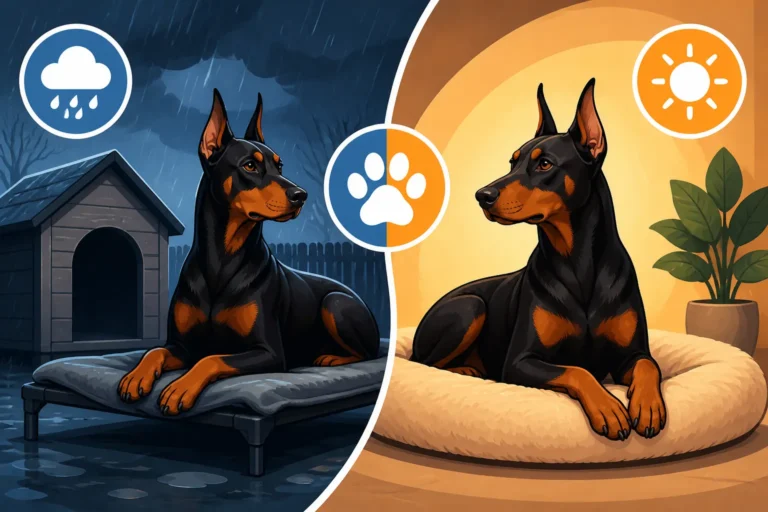
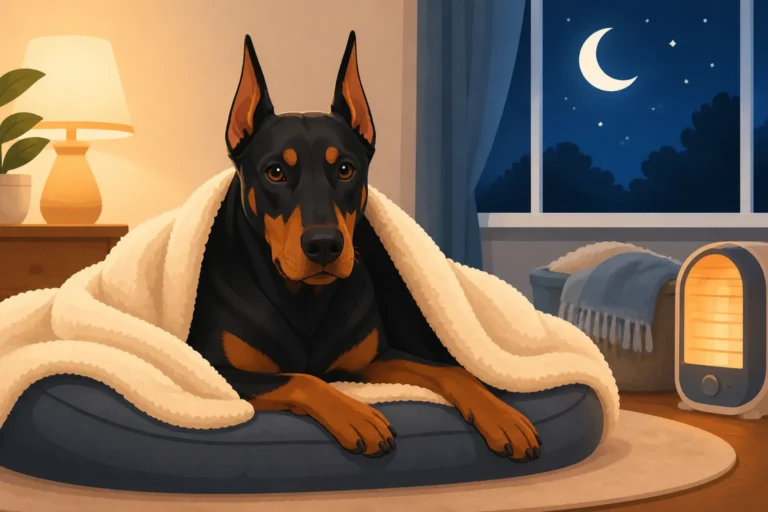
Once clean and dry, your Doberman will appreciate a warm, comfortable space to relax and fully rewarm. If they've been out in truly frigid temperatures, they might still be a bit chilled to the bone. Provide them with their favorite cozy bed, ideally one with good insulation off the cold floor. A soft blanket or two can also be very comforting. If your home tends to be cool, consider a heated dog bed or a warm spot near a vent (but not directly on top of it, which could be too much).
Offer a drink of fresh, room-temperature water. While tempting, avoid giving very hot food or water immediately, as this can sometimes cause digestive upset if their body is still trying to regulate after a significant temperature drop. Just a calm, warm environment is usually all they need. It’s a good time for some quiet cuddles, allowing them to fully unwind and regulate their body temperature naturally.
Monitoring for Lingering Issues
Even after all precautions, it's wise to keep an eye on your Doberman for the rest of the day after a particularly cold or long winter walk. Look for any signs of discomfort, lameness, or changes in behavior. Are they still shivering intermittently? Are they limping or licking a paw excessively? Do their ears or tail still feel unusually cold? These could be subtle indicators of frostbite or an injury from slipping on ice.
Check their paw pads a few hours later for any redness, swelling, or cracks that might have developed as they warmed up. If you notice any persistent lameness, tenderness, or unusual changes in their skin or behavior, don't hesitate to contact your veterinarian. Early intervention can prevent minor issues from becoming major problems. Being a vigilant observer is perhaps the most important tool in a Doberman owner's winter toolkit. For concerns about their core temperature, consider The Degrees at Which a Doberman Starts Shivering.
Addressing Common Winter Walking Challenges
Winter doesn't just bring cold; it brings a host of other challenges that Doberman owners need to be prepared for. From the omnipresent danger of rock salt to the behavioral changes cold weather can induce, being proactive makes a big difference.
Managing Road Salt and De-Icing Agents
Road salt and other de-icing agents are a double-edged sword: they make pathways safer for humans but pose significant risks to our dogs. These chemicals can be extremely irritating to paw pads, causing painful burning, dryness, cracking, and even chemical burns. If your Doberman licks their paws after walking on treated surfaces, they can ingest these chemicals, leading to symptoms like drooling, vomiting, diarrhea, and in severe cases, more serious systemic issues.
The best defense is prevention. Whenever possible, avoid walking your Doberman on salted sidewalks or roads. Stick to grassy verges, parks, or paths you know are untreated. If avoidance isn't possible, then boots are your Doberman's best friend. They provide a physical barrier against direct contact with these harmful substances. As mentioned, if boots aren't an option, use a paw balm before the walk and religiously wash and dry paws immediately upon returning home. It’s also important to be mindful of where you allow your Doberman to drink water on walks, as melted snow and ice near roads could contain dissolved de-icing agents.
Dealing With Limited Daylight and Boredom
The shorter, darker days of winter can be a real drag, not just for us, but for our Dobermans too. Reduced daylight means fewer opportunities for long, expansive walks, and often forces us to limit outdoor time to quick potty breaks. This can lead to pent-up energy, boredom, and potentially destructive behaviors in a breed as intelligent and active as the Doberman. They crave mental and physical stimulation, and winter can make it harder to provide.
To combat this, get creative with indoor activities. Engage in puzzle toys that make them think for their food (you can find many options on sites like Chewy or Amazon). Practice new tricks or brush up on old obedience commands in short, fun sessions. Hide-and-seek with toys or treats is a great way to engage their nose and brain. Consider indoor dog sports, if available in your area, or even invest in a dog treadmill for high-energy individuals. Remember, a tired mind is often as effective as a tired body. On days when the weather is simply too harsh, ensuring your Doberman has plenty of mental enrichment indoors will save your furniture and their sanity. This also helps you understand Winter Walks With a Thin-Coated Doberman in a holistic way.
Training for Cold Weather Acceptance
Some Dobermans take to winter gear like naturals, while others act like you've asked them to wear a sombrero and tap shoes. Training for cold weather acceptance, particularly with boots and coats, can make a huge difference. Start early, even before the really cold weather hits. Introduce the coat first, letting them wear it for short periods indoors, paired with lots of praise and treats. Make it a positive experience.
Once they're comfortable with the coat, introduce the boots in the same way: one boot for a minute, then treats and praise. Gradually add more boots and extend the time they wear them. Practice walking in them indoors on various surfaces. The key is patience and positive reinforcement. Never force your Doberman into gear they're clearly distressed by. If they remain highly uncomfortable, explore different styles or materials, or consult with a professional trainer for tips on desensitization. A well-fitted coat and boots from a reputable brand (like those available through Ollie's network of pet product suppliers or general retailers) can make the process smoother, as comfort is key to acceptance.
| Temperature Range (Fahrenheit) | Risk Level for Dobermans | Recommended Action |
|---|---|---|
| Above 45°F (7°C) | Low | Normal walks, monitor for discomfort in wind/wet. |
| 32°F – 45°F (0°C – 7°C) | Moderate | Coat recommended. Watch for shivering. Limit prolonged standing. The Temperature a Doberman Needs a Coat |
| 20°F – 31°F (-7°C – -1°C) | High | Insulated coat and boots essential. Shorten walks significantly. Active movement important. |
| 10°F – 19°F (-12°C – -7°C) | Very High | Potty breaks only. Avoid long walks. Monitor closely for signs of hypothermia/frostbite. |
| Below 10°F (-12°C) | Extreme | Avoid outdoor exposure except for very quick potty trips in a sheltered area. Indoor exercise recommended. |
Disclaimer
This article is for general informational purposes only and does not constitute professional advice. Laws, prices and regulations vary by location and change over time. Consult a qualified professional for guidance on your specific situation.