Coats That Actually Fit a Doberman’s Chest
If you're a Doberman owner, you know the unique struggle of trying to find a dog coat that actually fits your magnificent, sleek companion. It's not just about finding something that covers them; it's about finding a piece of gear that doesn't gap at the chest, doesn't slide off their slender waist, and isn't comically short on their long backs. This guide is here to help you navigate the tricky world of Doberman apparel, ensuring your dog stays warm, dry, and comfortable in all weather.
The Struggle is Real: Why Dobermans Need Specialty Coats
Let's be honest, Dobermans are built differently. They're all muscle and elegance, with a deep chest, long legs, and a surprisingly slender frame behind that impressive barrel. This unique physique, coupled with their single, short coat, means they feel the cold much more intensely than many other breeds. Finding a coat that truly accommodates these proportions isn't just a fashion statement; it's a necessity for their health and comfort.
Why Standard Sizing Fails Our Dobermans
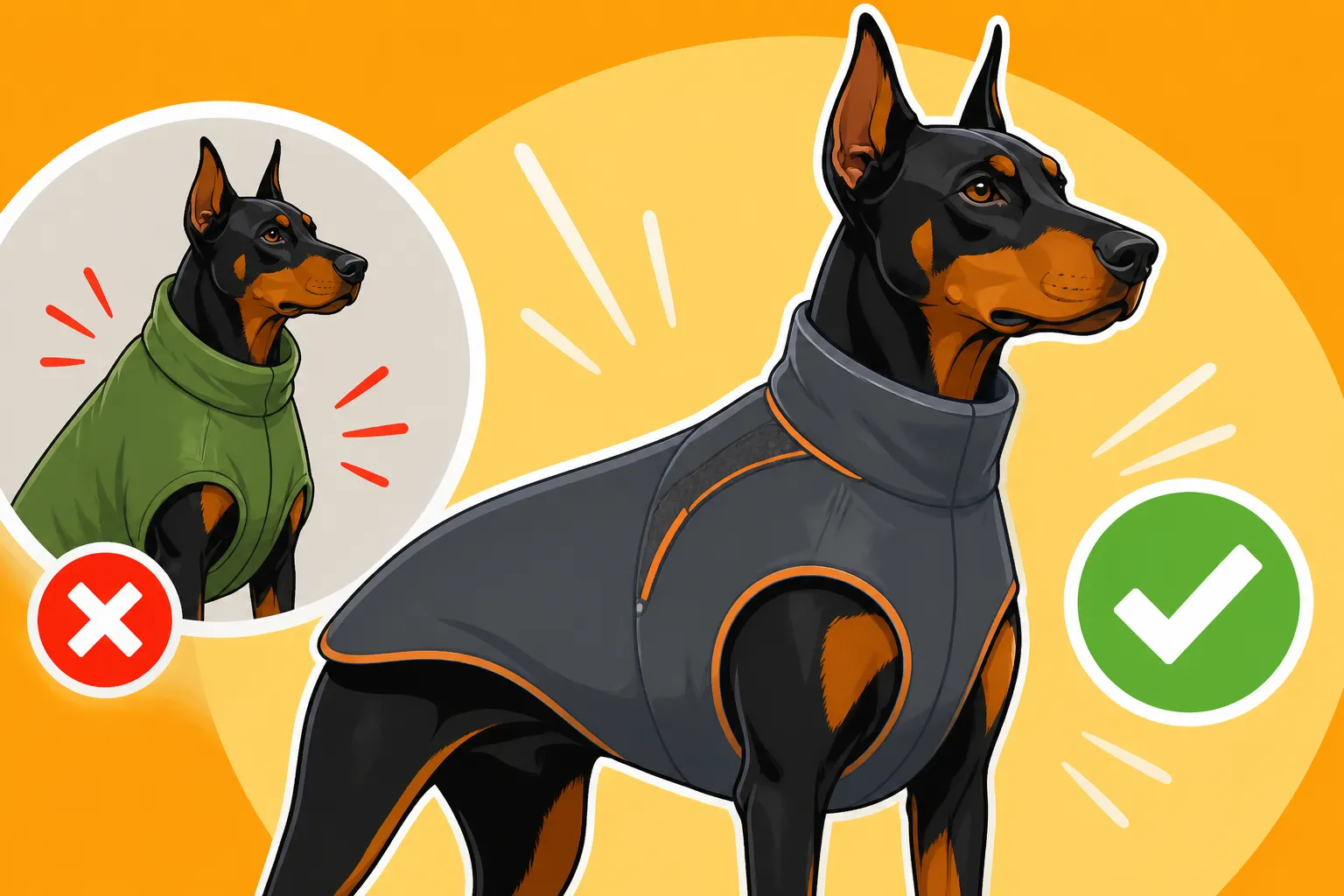
Most generic dog coats on the market are designed for a more "average" canine build. Think Labs, Golden Retrievers, or even smaller, more compact breeds. When you try to fit one of these standard coats on a Doberman, you quickly run into issues. You might find a coat that's wide enough for their deep chest, but then it's far too short on their back, leaving their hindquarters exposed to the elements. Or, you get one long enough, and it just sags around their narrow waist and belly, offering little warmth and getting in the way when they move. It’s a frustrating dance of compromise that often leaves our Dobermans looking awkward and feeling cold. Their lean body fat and lack of an insulating undercoat mean they truly depend on us to provide warmth, especially in chilly or wet conditions. You can read more about Why a Doberman Feels the Cold Before Other Dogs.
The Importance of Proper Insulation and Protection
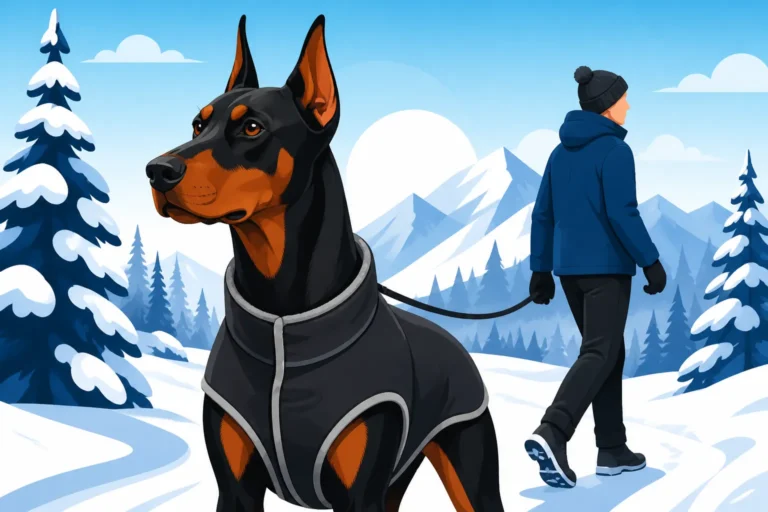
Because Dobermans lack that thick, insulating undercoat, they don't have a natural buffer against cold winds or biting temperatures. Their short, fine hair offers minimal protection, meaning that when the thermometer dips or the rain starts, they chill quickly. This isn't just about shivering; prolonged exposure to cold can make them uncomfortable, stiffen muscles, and generally impact their well-being. A well-fitting coat provides a crucial layer of insulation, helping them maintain their body temperature. This is particularly important for older Dobermans or those with health concerns, where keeping warm can prevent complications. Even for healthy, active Dobermans, a good coat allows them to enjoy their outdoor activities longer without the risk of getting too cold. Consider how crucial this is during Winter Walks With a Thin-Coated Doberman.
Decoding the Perfect Fit: Measurements and Features That Matter
Finding that elusive perfect coat involves understanding your Doberman's specific measurements and knowing which features are non-negotiable for their comfort and safety. It's more than just a size label; it's about the design and cut.
Mastering the Measuring Tape for a Doberman's Unique Build
Before you even start browsing, grab a soft measuring tape and get your Doberman to stand square. There are three critical measurements you need:
- Back Length: Measure from the base of their neck (where the collar sits) to the base of their tail. This is often where standard coats fall short for Dobermans. You want enough length to cover their entire back, without impeding tail movement.
- Chest Girth: This is perhaps the most crucial measurement for a Doberman. Measure around the widest part of their chest, just behind their front legs. Dobermans have exceptionally deep chests, so this measurement will likely be larger than you expect compared to their back length. Many brands design for a more cylindrical chest, which means Doberman owners often have to size up for chest girth, only to find the back length is then far too long.
- Neck Girth: Measure around the base of their neck, where a standard collar would sit. You want the coat to be snug enough here to prevent cold air from sneaking in, but not so tight that it restricts breathing or movement.
Keep these numbers handy, and always cross-reference them with the specific brand's sizing chart. Don't assume a medium from one brand is the same as a medium from another; dog apparel sizing is notoriously inconsistent.
Essential Features for Doberman Coats
Once you have your measurements, look for coats that boast specific features to address the Doberman's needs:
- Adjustability: This is key. Look for coats with adjustable straps around the chest and belly. Velcro, buckles, or elasticated panels that allow you to cinch the waist while leaving ample room for the deep chest are invaluable. This helps prevent gaping and ensures the coat stays put during active play.
- Harness/Leash Opening: Many Dobermans wear harnesses, and fumbling with a coat over a harness can be a pain. A dedicated opening or slot on the back of the coat that allows you to easily attach a leash to a harness underneath is a huge convenience.
- Leg Straps or Full Belly Coverage: To keep the coat from shifting and to offer maximum warmth, look for coats with elastic leg straps for the hind legs or extended belly panels. This helps the coat stay in place and protects the vulnerable underside of your Doberman's lean frame.
- Reflective Strips: For safety during early morning or late evening walks, especially in winter when daylight is scarce, reflective material is a must. Dobermans are often dark-colored, making them harder to spot in low light.
- Material Matters: Consider the primary use. For rain, look for waterproof or water-resistant outer shells. For extreme cold, insulated options with fleece lining or synthetic down are excellent. Breathable materials are always a plus to prevent overheating during exercise. This is especially important when considering The Temperature a Doberman Needs a Coat.
Here’s a quick overview of coat features to consider:
| Feature | Benefit for Dobermans | Best For |
|---|---|---|
| Deep Chest Cut | Accommodates large chest without constriction | All Doberman coats |
| Adjustable Straps | Ensures snug fit around slender waist, prevents gaping | All Doberman coats |
| Back Length | Covers entire back to tail, prevents cold exposure | All Doberman coats |
| Harness Opening | Easy leash attachment, avoids coat bunching | Harness-wearing Dobermans |
| Leg Straps | Keeps coat from shifting, provides full coverage | Active Dobermans, cold weather |
| Reflective Trim | Enhances visibility in low light | Evening/night walks |
| Waterproof Shell | Keeps dry in rain/snow, prevents chills | Wet weather |
| Insulated Lining | Adds warmth, crucial for breeds with no undercoat | Cold weather |
| High Collar | Protects neck from wind and cold | Cold weather |
Beyond the Basics: Different Coats for Different Adventures
Just like we have different jackets for different seasons, your Doberman might benefit from a wardrobe that addresses various weather challenges. From a light rain shower to a full-blown blizzard, there's a coat designed for the occasion.
Lightweight Rain Jackets and Windbreakers
For those drizzly days or windy autumn walks when it's not bitterly cold, a lightweight rain jacket or windbreaker is perfect. These coats are typically unlined, focusing solely on keeping your Doberman dry and blocking the wind. Look for materials like ripstop nylon or polyester with a water-resistant or waterproof coating. The key here is breathability and freedom of movement. Your Doberman should be able to run, jump, and explore without feeling encumbered. These are great for transitional seasons where the chill isn't deep, but staying dry is paramount. When it's just damp and breezy, you don't want something too heavy that will make them overheat, but you also want to avoid them getting soaked to the skin.
Insulated Winter Coats for True Cold Protection
When winter truly sets in and temperatures drop, a fully insulated winter coat becomes essential. These are often made with a water-resistant or waterproof outer layer and a thick fleece, synthetic down, or thermal lining. They're designed to trap body heat and provide maximum warmth. For Dobermans, look for coats that specifically mention deep-chest or athletic fit. Brands that cater to sighthounds or other lean, deep-chested breeds often have better options. A high collar can also be a significant bonus, providing extra protection for their neck. Remember, your Doberman lacks the natural insulation of many other breeds, so investing in a quality winter coat is crucial for their comfort and health during colder months. Don't forget to check out Winter Coats and Cold-Weather Gear for a Doberman for more details on specific gear.
Reflective Vests and Safety Gear
While not strictly a "coat" for warmth, reflective vests and highly visible safety gear are vital for Dobermans, especially during the darker seasons. Their sleek, often dark coats can make them incredibly difficult to spot by drivers, cyclists, or even pedestrians when light conditions are poor. A bright, reflective vest worn over their regular coat, or a coat with integrated reflective piping, can make all the difference. Some even come with LED lights for enhanced visibility. This is about more than just staying warm; it's about staying safe and seen, particularly if you're out walking near roads or in areas with limited streetlights. Safety is always a top priority for our active Dobermans.
Where to Find Coats That Actually Fit Your Doberman
The good news is that as more people recognize the unique needs of different dog breeds, the market for specialized dog apparel is growing. You don't have to settle for ill-fitting coats anymore, though it might take a bit of searching!
Online Retailers and Specialty Pet Stores
Your first stop should often be online. Websites like Chewy or Amazon offer a vast selection, often including brands that might not be available in your local pet store. When searching, try keywords like "deep-chested dog coat," "sighthound coat," "athletic dog coat," or "Doberman fit coat." Many smaller, specialized online retailers focus solely on apparel for specific breeds or body types, so don't be afraid to dig a little. Reading customer reviews can be incredibly helpful here, especially if other Doberman owners have shared their experiences with a particular brand or model.
Local pet stores can also be a good resource, particularly boutique shops that stock a wider variety of brands than big-box stores. The huge advantage of shopping in person is the ability to try coats on your Doberman. If they allow it, bring your dog in, or at least measure them carefully before you go. This hands-on approach can save you the hassle of returns.
Brands Known for Better Fits (and What to Look For)
While I can't name specific current models or guarantee availability, some brands have a reputation for better accommodating the Doberman's physique:
- Ruffwear: Known for their durable, high-performance gear, Ruffwear often offers adjustable designs that work well for active, deep-chested dogs. Their sizing charts are usually quite detailed, emphasizing chest girth and back length.
- Hurtta: A Finnish brand, Hurtta produces coats designed for active dogs in cold and wet climates. Many of their coats feature excellent adjustability and cuts that suit more athletic builds, often with good chest coverage.
- Chilly Dogs: This Canadian company specifically focuses on coats for sighthounds and other "hard-to-fit" breeds. Their "Great White North" or "Snuggy Hoody" styles are often lauded by Doberman owners for their tailored fit, even providing extended chest protection.
When evaluating brands, always scrutinize their sizing guides. Pay close attention to how they measure back length and chest girth. Some brands include the neck in the back length, which can be misleading. Look for coats with ample chest and belly coverage, often extending quite far back to protect the abdomen and groin, which can be vulnerable to cold for a lean Doberman. Many Doberman owners find that if a coat fits well around the chest, it might be slightly shorter than ideal on the back, and that's often a compromise worth making for freedom of movement and proper chest protection. Ultimately, investing a little more in a quality, well-fitting coat will pay dividends in your Doberman's comfort and your peace of mind.
Disclaimer
This article is for general informational purposes only and does not constitute professional advice. Laws, prices and regulations vary by location and change over time. Consult a qualified professional for guidance on your specific situation.