Liver Enzyme Results in a Doberman
It's incredibly unsettling to get a call from your vet after routine bloodwork, especially when they start talking about "elevated liver enzymes" in your beloved Doberman. Immediately, your mind races with a million terrifying possibilities, and the clinical language often leaves you feeling more confused than informed. This guide is here to cut through that jargon, explaining exactly what those liver enzyme results mean for your Doberman and what steps you can take to understand and address any potential issues.
Understanding Liver Enzymes: The Basics for Doberman Owners
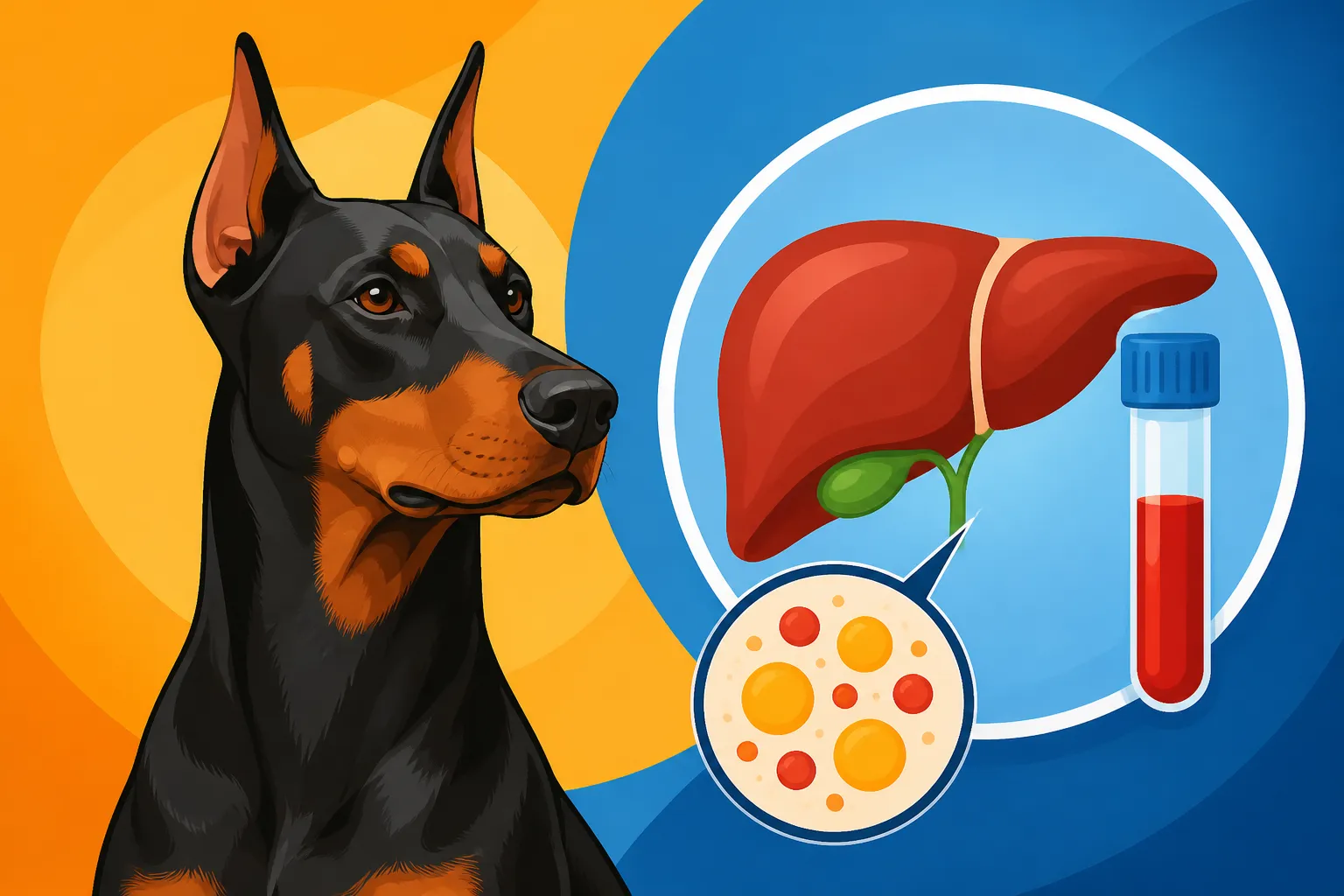
When your Doberman has routine bloodwork done, the veterinarian isn't just checking for basic health; they're looking at a whole panel of indicators, and liver enzymes are a crucial part of that picture. These enzymes are essentially proteins that help facilitate chemical reactions within the body, and the liver is a major hub for many of these vital processes. When the liver is stressed, damaged, or inflamed, these enzymes can leak out of the liver cells and into the bloodstream, where they show up as elevated on a blood test.
It's important to remember that elevated liver enzymes are a symptom of an underlying issue, not a diagnosis in themselves. Think of it like a smoke detector going off; it tells you there's smoke, but it doesn't tell you what caused the fire. For Doberman owners, this initial finding can be a source of immense anxiety, but it’s the first step towards figuring out what’s going on. The goal isn't just to lower the numbers, but to find and treat the root cause, which can sometimes be complex and require a bit of detective work from your veterinary team.
The Key Liver Enzymes We Look At
Several different enzymes are typically measured in a standard blood panel, and each can offer a slightly different clue about what might be happening with your Doberman's liver. Knowing the names and what they generally indicate can empower you to have a more informed conversation with your vet. It truly feels like learning a new language sometimes, but understanding these basic terms can make all the difference.
Two of the most common enzymes, Alanine Aminotransferase (ALT) and Aspartate Aminotransferase (AST), are indicators of liver cell damage. ALT is especially liver-specific in dogs, making it a very useful marker. When liver cells are damaged, they release ALT, causing its levels in the blood to rise. AST, while also found in the liver, is present in other tissues like muscle, so an elevation in AST might prompt your vet to consider other issues beyond just the liver. If both are elevated, and particularly if ALT is significantly high, it strongly points to primary liver involvement.
Another pair of important enzymes are Alkaline Phosphatase (ALP) and Gamma-Glutamyl Transferase (GGT). These enzymes are often associated with cholestasis, which means a disruption in bile flow. The liver produces bile, a digestive fluid, and if its flow is blocked—either within the liver itself or in the bile ducts—these enzymes can increase. ALP, in particular, can also be elevated due to issues like Cushing's disease, certain bone diseases, or even simply due to steroid medication use, making it less specific to the liver than ALT. GGT is generally a more specific indicator of cholestasis in the liver and bile ducts in dogs.
What Normal Liver Enzyme Ranges Mean
Understanding what "normal" means on a lab report is crucial. Each veterinary laboratory will have its own reference ranges, which are usually provided right next to your Doberman's results. These ranges represent what is typically found in healthy dogs. When your Doberman's numbers fall within these parameters, it generally means their liver is functioning as expected, at least from this snapshot in time.
However, "normal" isn't always a hard and fast rule, and context is everything. A Doberman with enzyme levels at the very high end of normal, but consistently there over time, might warrant more attention than a sudden, slight bump above normal that quickly resolves. Sometimes, a Doberman who appears completely healthy can have slightly elevated numbers, and in those cases, the vet might recommend monitoring or simply repeating the test in a few weeks or months. It's frustrating when there isn't a clear-cut answer, but the vet is often piecing together a larger puzzle, taking into account your dog's age, breed, other symptoms, and overall health status. This is why regular check-ups and consistent lab work are so important, especially for a breed like the Doberman.
| Enzyme Abbreviation | Full Name | Primary Indication | Specificity to Liver in Dogs | Common Causes of Elevation |
|---|---|---|---|---|
| ALT | Alanine Aminotransferase | Liver cell damage/necrosis | High | Hepatitis, toxins, infections, trauma, certain medications |
| AST | Aspartate Aminotransferase | Liver cell damage, muscle damage | Moderate | Liver issues, muscle injury/inflammation, strenuous exercise |
| ALP | Alkaline Phosphatase | Cholestasis (bile flow disruption) | Low | Cholestasis, Cushing's, steroid use, bone growth, certain cancers |
| GGT | Gamma-Glutamyl Transferase | Cholestasis | High | Cholestasis, some liver diseases, certain medications, pancreatitis (less common as primary) |
Why Your Doberman's Liver Enzymes Might Be Elevated
Discovering elevated liver enzymes in your Doberman can feel like a punch to the gut. The immediate question is always, "Why?" It's not always a straightforward answer, as many different things can cause these numbers to climb. Some causes are directly related to the liver itself, indicating damage or disease, while others are more indirect, reflecting how other systems in the body can impact liver function. It’s a complex interplay, and your vet will need to consider the whole picture, not just the numbers.
For owners, the worry can be immense, especially knowing how prone Dobermans can be to certain health conditions. When you get that call, it’s natural to jump to the worst conclusions, but many causes of elevated enzymes are manageable, and some are even temporary. This is where patience and a good diagnostic plan come into play. It's the beginning of a journey to understand your dog's health better.
Non-Liver Reasons for High Enzymes
It's a common misconception that high liver enzymes always mean there's something terribly wrong with the liver. In reality, a number of conditions entirely unrelated to the liver can cause these enzymes to increase. This is often a huge relief for Doberman owners, but it doesn’t mean the underlying issue should be ignored. For example, stress from an unrelated illness, a severe infection elsewhere in the body, or even a traumatic event can cause a temporary spike in liver enzymes as the body works hard to cope.
Certain medications are also notorious for causing elevated liver enzymes. Steroids, for instance, are well-known culprits for increasing ALP levels. If your Doberman is on any long-term medication, your vet will undoubtedly consider this as a possible factor. Conditions like Cushing's disease, where the body produces too much cortisol, or an overactive thyroid (though less common in Dobermans than in some other breeds), can also lead to elevated ALP. Even pancreatitis, an inflammation of the pancreas, can indirectly affect the liver and cause enzyme elevations. Understanding these possibilities is crucial, as they can steer the diagnostic path away from invasive liver procedures initially and towards other investigations.
Direct Liver Damage and Inflammation
When non-liver related causes are ruled out or deemed unlikely, the focus often shifts to direct damage or inflammation within the liver itself. This is where the term "hepatitis" comes into play, meaning inflammation of the liver. Hepatitis in dogs can be acute (sudden and severe) or chronic (long-lasting and progressive). For Dobermans, there's a particular concern regarding certain liver conditions, which we'll discuss further. The causes of direct liver damage are varied, ranging from infections and toxins to genetic predispositions and immune-mediated diseases.
Infections, whether bacterial, viral, or parasitic, can directly attack liver cells, leading to inflammation and enzyme leakage. Exposure to toxins, even common household items or certain plants, can also severely damage the liver. Unfortunately, sometimes the cause of chronic hepatitis remains unknown, and it's then termed "idiopathic chronic hepatitis." This can be particularly frustrating for owners who desperately want a clear answer. Regardless of the cause, when direct liver damage is suspected, the goal becomes to identify the specific type of injury and initiate appropriate treatment to prevent further progression and protect your Doberman’s liver function.
Common Liver Conditions Affecting Dobermans
For Doberman owners, the concern about liver health often comes with a specific fear: copper-associated hepatopathy. While other breeds can experience various liver ailments, Dobermans are unfortunately predisposed to a particular type of liver disease that can be quite serious. This breed-specific susceptibility means that any elevated liver enzyme results often immediately raise a red flag for this condition. It's a heavy burden for Doberman families, knowing this genetic weakness lurks.
However, it’s not the only liver condition that can affect our Dobermans. It's important to keep an open mind and allow your veterinary team to explore all possibilities, even if copper storage disease is high on the suspicion list. The journey to understanding "Why Doberman Livers Store Copper" is a significant one for our breed.
Copper-Associated Hepatitis in Dobermans
Dobermans, like a few other breeds such as Bedlington Terriers and West Highland White Terriers, have a genetic predisposition to accumulate excessive amounts of copper in their livers. Normally, the liver processes and excretes copper from the diet, but in affected Dobermans, this mechanism doesn't work correctly. Over time, the copper builds up, becoming toxic to the liver cells, leading to inflammation, scarring (fibrosis), and eventually, liver failure if left untreated. This condition is known as copper-associated hepatopathy or copper storage disease.
The insidious nature of this disease is that it can progress silently for years. You might not see any outward signs of illness in your Doberman even as copper levels are climbing and silently damaging their liver. This is why it’s so critical to pay attention to routine bloodwork, and why veterinarians often recommend exploring further diagnostics if unexplained enzyme elevations persist in a Doberman. Sadly, many Dobermans have silent liver disease, making early detection a race against time. The condition is complex, and sometimes it hits females harder than males, though both sexes can be affected.
Other Liver Diseases to Consider
While copper storage disease is a primary concern for Dobermans, it's not the only liver condition they can face. Autoimmune hepatitis, where the body's immune system mistakenly attacks its own liver cells, is another possibility. This can lead to chronic inflammation and damage, and diagnosis often involves a liver biopsy to confirm the characteristic immune-mediated changes. Identifying this early is key, as it requires different management than copper toxicity.
Other potential liver issues include chronic active hepatitis from unknown causes, liver shunts (where blood bypasses the liver), and even certain types of cancer. Though rarer, these conditions can also present with elevated liver enzymes. A Doberman can also be affected by cholangiohepatitis, which is inflammation of both the bile ducts and the liver tissue. Each of these conditions requires a specific diagnostic approach and tailored treatment plan, highlighting the importance of thorough investigation once elevated liver enzymes are detected.
The Role of Genetics in Doberman Liver Health
The genetic component of copper-associated hepatopathy in Dobermans is undeniable. Research continues to evolve, but it's understood that there's an inherited susceptibility, meaning certain Doberman lines are more prone to developing this condition. This makes careful breeding practices incredibly important. Reputable Doberman breeders should be aware of liver health in their lines and ideally screen their breeding dogs.
While there isn't a simple DNA test for copper storage disease in Dobermans like there is for some other breeds, understanding the lineage and prevalence within a family can be a guiding factor. This genetic predisposition adds another layer of responsibility for Doberman owners. If your dog comes from a line with known liver issues, it might warrant more proactive screening and discussion with your vet, even if initial enzyme levels are normal. Being aware of this breed-specific genetic vulnerability can help owners and vets stay one step ahead, emphasizing the importance of diligence in monitoring liver health.
Deciphering the Diagnostic Process for Doberman Liver Issues
Once elevated liver enzymes appear on your Doberman's blood panel, the diagnostic journey truly begins. It can feel overwhelming, with your vet suggesting more tests, appointments with specialists, and potentially invasive procedures. It’s a process that requires patience and trust in your veterinary team, and for many Doberman owners, it also means facing significant financial implications. The goal is to move beyond just seeing "high numbers" to understanding the exact nature and severity of any underlying liver problem.
This phase is critical for determining the best course of action. Without a clear diagnosis, treatment can be a shot in the dark, and that’s a situation no loving Doberman owner wants to be in. Remember that a comprehensive approach is almost always necessary, as a single test rarely provides all the answers needed for definitive diagnosis, especially with complex organs like the liver.
Beyond the Blood Test: Further Diagnostics
After initial bloodwork, your vet will likely recommend further tests to narrow down the cause of the elevated enzymes. A repeat blood panel is often the first step to see if the elevations are transient or persistent. Beyond that, a bile acid test is often a key diagnostic for liver function. This test evaluates how well the liver processes bile acids, offering a more direct assessment of its functional capacity rather than just cell leakage. If the liver isn't functioning properly, bile acids will remain elevated in the bloodstream after a meal.
Imaging studies, such as abdominal ultrasound, are invaluable. An ultrasound allows the veterinarian to visualize the size, shape, and internal architecture of the liver, as well as the bile ducts and surrounding organs. They can look for abnormalities like masses, changes in tissue texture (which might indicate fibrosis or inflammation), or signs of bile duct obstruction. Sometimes, specialized imaging like a CT scan might be recommended for a more detailed view. These non-invasive tests help build a clearer picture of your Doberman’s liver health and can often point towards the need for more definitive diagnostics. Navigating these imaging bills can be a concern, and having pet insurance like Healthy Paws can often alleviate some of that stress by covering a portion of these diagnostic costs.
Understanding a Liver Biopsy
For many suspected liver diseases, particularly those involving chronic inflammation or copper accumulation, a liver biopsy is considered the gold standard for diagnosis. This procedure involves taking small tissue samples directly from the liver, which are then sent to a veterinary pathologist for microscopic examination. The pathologist can identify specific changes in the liver cells, the presence of inflammation, fibrosis (scarring), and crucially, quantify the amount of copper present in the tissue. This direct examination is often the only way to get a definitive diagnosis of conditions like copper-associated hepatitis or autoimmune hepatitis.
The thought of a liver biopsy can be daunting for Doberman owners. It's an invasive procedure that requires general anesthesia, and there are risks involved, though generally low. The biopsy can be performed either surgically (requiring an abdominal incision) or via laparoscopy (minimally invasive) or ultrasound-guided needle biopsy. Your vet will discuss the safest and most appropriate method for your Doberman based on their overall health and the suspected condition. While the cost to confirm Doberman liver disease, including a biopsy, can be substantial, the information gained is often irreplaceable for guiding effective treatment and understanding your Doberman's prognosis.
Managing Elevated Liver Enzymes and Liver Disease in Dobermans
Receiving a diagnosis of liver disease or persistent elevated liver enzymes in your Doberman can feel like a heavy blow. Your primary concern immediately shifts to how you can help your beloved companion feel better and live a full life. The good news is that many liver conditions, especially if caught early, can be managed effectively through a combination of dietary adjustments, specific medications, and ongoing monitoring. This isn’t a one-size-fits-all solution; your vet will tailor a plan specifically for your Doberman’s unique needs and diagnosis.
The journey might involve significant lifestyle changes and regular veterinary visits, but the commitment to your Doberman's well-being makes it all worthwhile. Remember, your veterinary team is your greatest ally in this process, and open communication is key to successful management.
Dietary Management and Supplements
Diet plays a pivotal role in managing many liver conditions, particularly in Dobermans with copper-associated hepatopathy. The primary goal is to reduce the copper intake, which means transitioning to a low-copper diet for a Doberman. This often involves feeding a prescription therapeutic diet specifically formulated for liver support. These diets are carefully balanced to be low in copper, often restricted in protein (to reduce the workload on a compromised liver), and enriched with antioxidants and L-carnitine to support liver cell health. Finding the right low-copper feeding for a Doberman can make a huge difference in their long-term prognosis.
Beyond prescription diets, your vet might recommend specific supplements. S-Adenosylmethionine (SAMe) is a popular liver support supplement known for its antioxidant properties and its role in liver detoxification pathways. Milk Thistle (silymarin) is another common supplement, also valued for its antioxidant and anti-inflammatory effects on the liver. Additionally, zinc supplementation may be prescribed, as zinc can help block copper absorption in the gut. While these supplements can be beneficial, they should always be used under veterinary guidance, as incorrect dosages or combinations can be ineffective or even harmful. When considering the cost of these prescription diets and supplements, remember that pet insurance, such as Healthy Paws, can sometimes help offset these ongoing expenses.
Medical Treatments and Prognosis
The specific medical treatment for your Doberman's liver condition will depend entirely on the underlying diagnosis. If copper storage disease is confirmed, chelation therapy is often initiated. This involves administering medications like D-penicillamine or trientine, which bind to the excess copper in the body and help excrete it, effectively reducing the toxic load on the liver. This can be a long-term treatment, and regular monitoring bloodwork for a Doberman liver is crucial to assess progress and adjust medication dosages.
For inflammatory conditions like autoimmune hepatitis, immunosuppressive drugs, such as corticosteroids (e.g., prednisone), are commonly used to calm the immune system's attack on the liver. In cases of liver infections, antibiotics might be prescribed. If a Doberman is in liver failure, supportive care like intravenous fluids, anti-nausea medication, and appetite stimulants become vital. The prognosis for Dobermans with liver disease varies greatly depending on the specific diagnosis, the stage at which it's caught, and how well they respond to treatment. Catching Doberman liver disease early significantly improves the chances of successful management and can lead to a good quality of life for many years. Regular follow-up appointments and continued vigilance are key to managing the condition and ensuring the best possible outcome for your Doberman.
Disclaimer
This article is intended for informational purposes only and does not constitute veterinary advice. Always consult with a qualified veterinarian for any health concerns or before making any decisions about your Doberman's medical care or treatment plan.