A Doberman That Tests Clear and Still Gets DCM
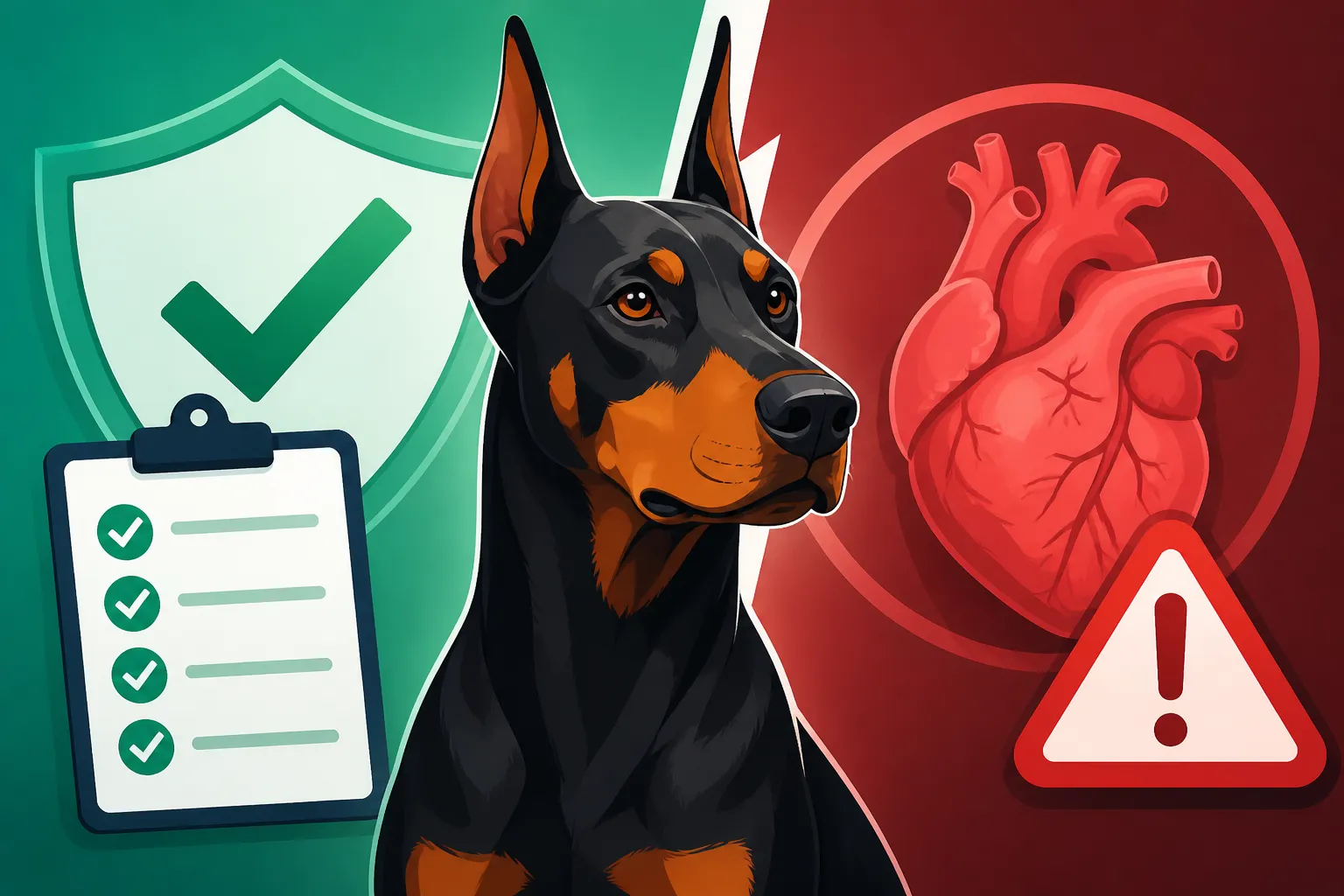
It's an utterly heartbreaking and confusing situation when you've done everything right—you picked a reputable breeder, got all the health clearances, and specifically sought out a Doberman that tested clear for the known Dilated Cardiomyopathy (DCM) genes, only to have your beloved companion still develop the dreaded heart disease. This guide is here to shed light on why this can happen, the limitations of our current understanding, and the crucial proactive steps you can take to protect your Doberman's heart, even when genetic tests offer a false sense of security.
Understanding Doberman DCM Beyond Known Genes
The journey with a Doberman often feels like a constant vigil against DCM. You hear about it, you read about it, and you try your best to mitigate the risks. So, when your Doberman, who tested clear on the available genetic panels, still receives that devastating diagnosis, it feels like a betrayal. You did the work, you bought the "safe" dog, and yet here you are. It’s a harsh reminder that the genetics of this complex disease are far from fully understood.
The Complex Genetics of DCM
When we talk about Doberman DCM, it's easy to fall into the trap of thinking it's a simple, single-gene issue, especially with the focus on the DCM1 and DCM2 genes. But the reality is far more intricate. Canine DCM, much like human heart disease, is considered polygenic. This means it's not caused by just one or two faulty genes, but rather a combination of many genes working together, or perhaps a series of smaller, less impactful genes that, when combined, create a significant risk.
Think of it like a puzzle with hundreds of pieces. The DCM1 and DCM2 gene tests give us a couple of those pieces, and they're important pieces, no doubt. They tell us if a dog carries certain mutations known to significantly increase the risk. However, they don't give us the whole picture. There are likely many other "modifier genes" that influence how these primary genes are expressed, or even entirely different genes that can cause DCM independently. It's also possible that some Dobermans develop DCM due to spontaneous mutations, or genetic factors that haven't even been identified yet, sitting silently in their DNA. This makes a "clear" genetic test result feel incredibly misleading, and understandably, it leaves owners feeling frustrated and helpless when their dog still falls ill. It's not that the tests are wrong; it's that they're incomplete, only revealing a fraction of the genetic blueprint that contributes to this devastating condition.
Environmental Triggers and Lifestyle Factors
Beyond the labyrinth of genetics, our Dobermans are also products of their environment and lifestyle. While genetics undoubtedly play a massive role in DCM, it's becoming increasingly clear that external factors can act as triggers, exacerbating predispositions or even initiating heart problems in dogs that might otherwise have remained healthy, or at least symptom-free for longer.
One of the most widely discussed environmental factors in recent years has been diet. The "boutique, exotic ingredient, grain-free" (BEG) diet craze, for instance, has led to concerns about dilated cardiomyopathy potentially linked to diets high in legumes (like peas, lentils, and chickpeas) as primary ingredients, and deficiencies in key nutrients like taurine. While the link isn't fully understood and research is ongoing, many veterinary cardiologists have advised Doberman owners to be cautious with these diets, especially if they’re not backed by veterinary nutritionist research. A well-balanced, established commercial dog food from a reputable company is often recommended. If you're concerned about your Doberman's taurine levels, a simple blood test can often provide answers, and supplementation may be recommended by your vet. You can learn more about "Taurine and Carnitine for a Doberman Heart" and "Whether Grain-Free Food Adds to Doberman DCM" in our other articles.
Beyond diet, other factors like extreme physical stress, certain medications, or even chronic underlying health issues could theoretically put additional strain on a heart already genetically vulnerable. While a healthy, fit Doberman certainly needs adequate exercise, pushing them too hard, especially in extreme heat or cold, or exposing them to excessive stress without proper recovery, might contribute to cardiac strain over time. While these aren't typically causes of DCM in a genetically clear dog, they could potentially accelerate the onset or progression in a dog with subtle, un-testable genetic predispositions. It underscores the importance of a holistic approach to your Doberman's health, rather than relying solely on a single genetic test.
The Limitations of Current Genetic Testing
It’s easy to think that a "clear" result on a genetic test means your Doberman is bulletproof when it comes to DCM. The truth, unfortunately, is far more nuanced and, for many owners, frustratingly disappointing. These tests, while valuable, are not a crystal ball.
What DCM1 and DCM2 Tests Actually Tell Us
The genetic tests for DCM1 (PDK4 gene deletion) and DCM2 (Titin gene variant) have been significant breakthroughs in understanding Doberman health. They identify specific genetic mutations that have a strong correlation with an increased risk of developing DCM. For instance, the "The DCM1 Gene Test Explained for Doberman Owners" and "The DCM2 Titin Variant in Dobermans" articles delve deeply into what these genes mean for carriers and affected dogs.
However, it's crucial to understand what these tests don't tell us. A positive result indicates a higher risk, but it's not a guarantee of disease. Some Dobermans carrying these genes live long, healthy lives without ever developing clinical signs of DCM. Conversely, a clear result—meaning your dog does not carry these specific mutations—does not provide immunity. It simply means they don't have these particular known genetic risk factors. It's like saying you tested negative for a specific type of cold virus, but there are hundreds of other cold viruses out there that could still make you sick. The genetic landscape of DCM is vast, and these two tests are just two lampposts illuminating small sections of a very large, dark road. Relying solely on these tests for peace of mind about DCM is, regrettably, a dangerous oversight.
The Emergence of Other Variants (DCM3, DCM4)
Just as we started to get a handle on DCM1 and DCM2, the scientific community continues its tireless work, and newer discoveries are constantly emerging. This is particularly true when looking at the broader Doberman population, including European lines, where research has identified additional genetic variants, sometimes referred to as DCM3 and DCM4. These newer findings only deepen our understanding of just how complex DCM is.
These additional variants, while perhaps not as widely discussed or easily testable as DCM1 and DCM2 yet, further illustrate the point that DCM is likely a multifactorial disease. A Doberman might test clear for the American-identified DCM1 and DCM2 variants but still carry other genetic predispositions that originated in different lines or were simply undiscovered until recently. For a deeper dive into these, you might find our article "The DCM3 and DCM4 Doberman Variants From Europe" quite enlightening. The continuous identification of new genetic markers highlights a critical truth: our current genetic testing capabilities, while advanced, are still playing catch-up to the full genetic tapestry of the Doberman breed. Therefore, a clear panel today doesn't preclude the existence of other, as-yet-undiscovered genetic predispositions that could lead to DCM down the line. It's a moving target, and responsible Doberman ownership requires staying informed and proactive.
Why Regular Cardiac Screening Remains Critical
Given the limitations of genetic testing, it becomes abundantly clear that regular, hands-on cardiac screening by a qualified veterinary professional is not just recommended, but absolutely essential for every Doberman, regardless of their genetic test results. This isn’t a luxury; it’s a necessary part of responsible Doberman ownership. These screening tools provide real-time information about your dog’s heart health, allowing for early detection and intervention, which can make all the difference in managing this relentless disease.
The Importance of Annual Echocardiograms
An echocardiogram, often simply called an "echo," is essentially an ultrasound of the heart. It's a non-invasive, painless procedure that allows a veterinary cardiologist to visualize your Doberman's heart in motion. They can measure the size of the heart chambers, assess the thickness of the heart walls, observe how well the valves are functioning, and evaluate blood flow through the heart. These detailed measurements are invaluable because they can detect the subtle changes indicative of DCM long before your Doberman shows any outward symptoms.
Imagine your Doberman looking perfectly healthy, full of energy, zooming around the yard. On the surface, nothing seems wrong. But an echo might reveal that their left ventricle is starting to dilate, or the muscle isn't contracting as strongly as it should. These are the earliest signs that the heart is beginning to fail, even if your dog feels fine. Early detection through annual echoes is paramount. It allows your vet to establish a baseline for your dog's heart, and then monitor any changes year over year. A single clear echo is a great start, but it's the trend over several years that truly tells the story of your Doberman's heart health. You can delve into more detail about "Annual Echo and Holter Screening for a Doberman" and "What a Doberman Echo Actually Measures" to understand the full scope of what this crucial test offers.
The Role of 24-Hour Holter Monitoring
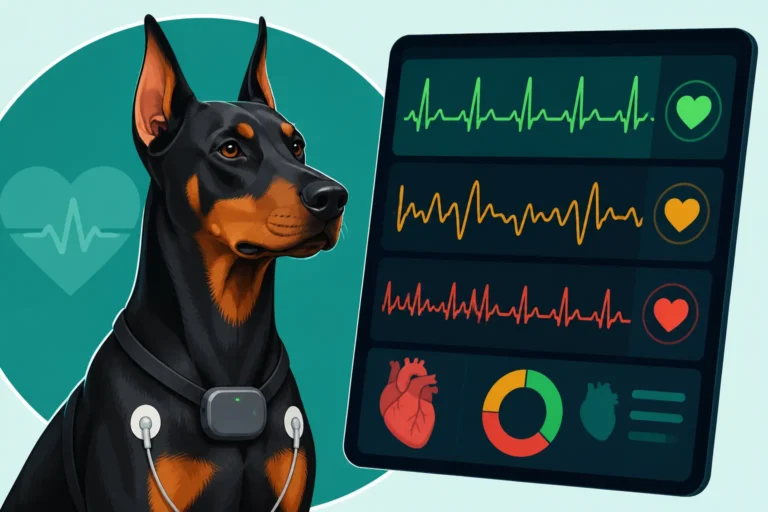
While an echocardiogram gives us a snapshot of the heart's structure and function, it can't tell us about arrhythmias (irregular heartbeats) that might only occur intermittently throughout the day. That's where a 24-hour Holter monitor comes in. This small, lightweight device is comfortably worn by your Doberman for an entire day, continuously recording every single heartbeat. It's like a Fitbit for their heart, capturing data while they're sleeping, eating, playing, and going about their normal routine.
The beauty of the Holter monitor is its ability to catch those fleeting, often asymptomatic, abnormal heart rhythms that can be early indicators of DCM. Ventricular Premature Contractions (VPCs), for example, are frequently seen in Dobermans with early DCM. While an occasional VPC might not be concerning, a high number of them over 24 hours, or certain patterns of these arrhythmias, can be a red flag. A board-certified cardiologist will analyze the Holter results, counting the number of abnormal beats and evaluating their characteristics. Our article, "Twenty-Four Hours of Holter on a Doberman," explains the procedure in detail, and "How Many Abnormal Beats Worry a Doberman Cardiologist" breaks down what those numbers mean. It's a critical piece of the puzzle, especially when combined with an echo, to give you the most comprehensive picture of your Doberman's cardiac health.
The Silent Progression of DCM
One of the most insidious aspects of Doberman DCM is its silent progression. We call this the "occult phase" or "pre-clinical phase." During this time, your Doberman appears completely normal, healthy, and full of life. They're still running, playing, and begging for treats with their usual enthusiasm. Yet, beneath the surface, their heart is already undergoing pathological changes. It's starting to enlarge, and its ability to pump blood efficiently is slowly, imperceptibly, declining.
This is precisely why early and regular screening is so vital. You, as an owner, won't see these changes. Your Doberman won't show symptoms like coughing, lethargy, or fainting during this phase. Those signs only appear much later, often when the disease has progressed significantly and the heart is struggling to compensate. By the time your Doberman starts coughing or tiring faster than usual, they are often already in congestive heart failure, a much more advanced and critical stage of the disease. Understanding "The Silent Years Before a Doberman's Heart Shows" and "How a Doberman Heart Enlarges Before Symptoms" can truly underscore the urgency of proactive screening. Catching DCM in the occult phase, through regular echoes and Holter monitoring, allows for the initiation of medications that can significantly delay the onset of clinical signs and improve your Doberman's quality of life and potentially extend their lifespan.
Managing the Risk: Proactive Steps for Doberman Owners
Knowing that genetic tests don't tell the whole story can feel overwhelming, but it doesn't mean you're powerless. In fact, it empowers you to take even more proactive steps to safeguard your Doberman's health. The focus shifts from relying on a single genetic indicator to embracing a comprehensive, ongoing approach to cardiac care and overall well-being.
Working with a Board-Certified Veterinary Cardiologist
The absolute cornerstone of managing DCM risk in Dobermans is establishing a relationship with a board-certified veterinary cardiologist. Your regular veterinarian is fantastic for general health, but a cardiologist is a specialist who dedicates their practice entirely to animal heart health. They have advanced training, equipment, and experience with conditions like Doberman DCM that your general practitioner might only see occasionally.
They understand the nuances of the breed's predispositions, the subtle signs to look for, and the latest research and treatment protocols. Your cardiologist will guide you through the appropriate screening schedule, interpret complex results from echoes and Holter monitors, and develop a tailored management plan if any abnormalities are detected. They can establish a baseline for your Doberman's heart health when they are young and continue to monitor those parameters diligently over the years. This consistent, expert oversight is invaluable and provides the best possible chance for early detection and intervention, even if your Doberman tests clear on genetic panels. Don't wait for symptoms; find a cardiologist now and schedule your Doberman's first screening.
Lifestyle and Dietary Considerations
While genetics are largely beyond our control, lifestyle and diet are areas where Doberman owners can actively contribute to their dog's heart health. It's about providing the best possible environment to support a strong heart and overall well-being.
When it comes to diet, ensuring your Doberman receives a high-quality, nutritionally complete and balanced diet is paramount. As mentioned earlier, discussions around "boutique, exotic ingredient, grain-free" (BEG) diets and potential links to DCM mean that choosing a diet formulated by reputable brands with veterinary nutritionist oversight is generally recommended. If you have concerns, consult your vet or a veterinary nutritionist. They can help you assess your dog's current diet and recommend appropriate choices, potentially even suggesting supplements like taurine and carnitine if deficiencies are suspected. More information on this can be found in our article, "Taurine and Carnitine for a Doberman Heart", which provides a deeper dive into these important nutrients.
Beyond food, maintaining a healthy weight and providing regular, appropriate exercise is vital. Dobermans are athletic dogs, but "appropriate" exercise means avoiding extremes that might unduly stress the heart. Daily walks, runs, or engaging play sessions are great, but know your dog’s limits, especially in hot weather. Stress reduction also plays a role; a calm, stable home environment contributes to overall health. While these lifestyle choices won't prevent DCM in a genetically predisposed dog, they can certainly support optimal heart function and overall vitality, potentially helping to delay onset or mitigate severity.
Pet Insurance as a Financial Safety Net
Let’s be brutally honest: Doberman ownership can be expensive, and medical emergencies, especially cardiac ones, can easily run into thousands of dollars. This is where pet insurance becomes not just a good idea, but a near necessity, especially for a breed with such a high incidence of DCM. The disheartening reality is that a DCM diagnosis, even in a genetically clear Doberman, can quickly drain your savings.
It’s crucial to enroll your Doberman in pet insurance before any heart issues are suspected or diagnosed. Companies like Healthy Paws are excellent options, but like all insurers, they typically won't cover pre-existing conditions. This means if you wait until your Doberman shows a cough, or an echo reveals early DCM, that condition will likely be excluded from coverage. Getting your Doberman covered while they are young and healthy, ideally before their first cardiac screening, is the smartest financial move you can make. Our article "Insuring a Doberman Before the Heart Turns" highlights just how important this timing is. Once your Doberman receives a DCM diagnosis, even in the occult phase, it often becomes a pre-existing condition, drastically limiting future insurance options or leading to exclusions. Understanding "Why a Doberman Heart Result Ends Coverage" can help you navigate this complex landscape. Comprehensive pet insurance ensures that when (not if) those inevitable Doberman health concerns arise, you can focus on getting your dog the best possible care without being crippled by the cost.
What to Do After a DCM Diagnosis, Even with Clear Genes
Receiving a DCM diagnosis, particularly when your Doberman had tested clear for known genes, is a profoundly difficult moment. It's a mix of shock, grief, and confusion. However, it’s not the end of the road. There are significant steps you can take, often with the guidance of your veterinary cardiologist, to manage the disease and maintain your Doberman's quality of life.
Treatment Options in the Occult Phase
If your Doberman is diagnosed with DCM during the occult phase—meaning their heart shows changes on an echo or Holter, but they aren't yet showing clinical signs like coughing or exercise intolerance—you're in a crucial window for early intervention. This is where medications can truly shine, potentially extending the symptom-free period significantly.
The most common medication prescribed in the occult phase is Pimobendan. This drug is a positive inotrope and a vasodilator, meaning it helps the heart muscle contract more strongly and dilates blood vessels, reducing the workload on the heart. Studies have shown that starting Pimobendan in the occult phase of Doberman DCM can delay the onset of clinical signs of heart failure by a significant amount of time, sometimes by years. This means more precious, active time with your beloved companion. Your cardiologist might also consider other medications depending on specific Holter findings or other factors. For more detailed information on this early treatment, refer to our article "Pimobendan Before a Doberman Shows Signs" and "How Much Longer Early Treatment Buys a Doberman". This proactive approach, guided by a specialist, is a testament to how far veterinary medicine has come in managing this challenging disease.
Living with Symptomatic DCM
When DCM progresses to the symptomatic phase, your Doberman will start to show outward signs that their heart is struggling. These can include a persistent cough (often mistaken for kennel cough), increased respiratory rate or effort, lethargy, reduced exercise tolerance, weight loss, or even fainting spells. This is the stage where the heart's ability to pump blood effectively is severely compromised, often leading to congestive heart failure.
At this point, the focus shifts to managing symptoms and maintaining the best possible quality of life. Your cardiologist will likely prescribe a cocktail of medications tailored to your Doberman's specific needs. These might include diuretics to reduce fluid buildup (especially in the lungs, which causes the cough), ACE inhibitors to further reduce the heart's workload, and antiarrhythmics to control irregular heartbeats, in addition to Pimobendan if it hasn't already been started. Regular monitoring of your Doberman’s breathing at home is also crucial, and your vet will teach you how to do this. While there is no cure for DCM, aggressive medical management can often provide months or even years of comfortable, active life. It's a journey that requires close collaboration with your veterinary team and a deep understanding of your Doberman's needs. Eventually, as the disease progresses, difficult decisions may arise, and our article "How Long a Doberman Lives After a DCM Diagnosis" and "Keeping a Failing Doberman Comfortable at Home" can provide guidance and support during those incredibly tough times.
Comparing DCM Genetic Testing and Cardiac Screening
| Feature | Genetic Testing (DCM1, DCM2, etc.) | Cardiac Screening (Echo & Holter) |
|---|---|---|
| Purpose | Identifies predisposition to DCM due to known genetic markers. | Detects actual structural and electrical changes in the heart. |
| Result Interpretation | "Clear" means absence of these specific mutations; "Positive" means increased risk. | Provides real-time data on heart size, function, and rhythm. |
| Timing | Can be done once at any age (often in puppies). | Should be done annually, starting typically at 2-3 years of age. |
| Limitations | Only covers known genes; a "clear" dog can still develop DCM. | Only reflects current heart status; doesn't predict future disease. |
| Benefits | Helps breeders make informed decisions; identifies high-risk individuals. | Crucial for early detection in individual dogs, regardless of genetic status. |
| Cost | Typically a one-time fee per test or panel. | Recurring annual cost, often higher than a single genetic test. |
| Necessity | Informative, but not a substitute for regular screening. | Essential for all Dobermans to monitor heart health. |
Disclaimer
The information provided in this article is for general informational purposes only and is not intended as a substitute for professional veterinary advice, diagnosis, or treatment. Always seek the advice of your veterinarian or other qualified animal health provider with any questions you may have regarding a medical condition. Never disregard professional veterinary advice or delay in seeking it because of something you have read in this article.