Whether a Doberman Should Be Screened Before Breeding
When you're considering breeding your beloved Doberman, the sheer thought of all the necessary health screenings can feel like staring up at a mountain. It’s natural to feel overwhelmed by the battery of tests, the appointments with specialists, and the seemingly endless stream of acronyms like DCM, vWD, and CERF. This guide is here to cut through the confusion, explaining in detail why comprehensive health screening isn't just a suggestion, but an absolute necessity for every responsible Doberman breeder, and precisely what tests you should prioritize to safeguard the health and future of this magnificent breed.
The Overwhelming Importance of Pre-Breeding Health Screening
It’s easy to look at a healthy, vibrant Doberman and think, “Surely, they’re fine to breed.” But the truth is, many serious health conditions that plague our Dobermans are insidious, lurking silently, or only revealing themselves later in life, long after a breeding decision has been made. Skipping health screening before breeding isn't just a gamble; it's a roll of the dice with the lives and well-being of future puppies and the hearts of the families who will love them.
Why Dobermans are Prone to Genetic Conditions
Dobermans, like many purebred dogs, unfortunately carry a predisposition to a host of inherited conditions. This isn't a fault of the breed itself, but a consequence of selective breeding practices over generations, which often narrow the gene pool. When certain desirable traits are consistently bred for, undesirable genetic markers can inadvertently become concentrated within the population. Think of it like a beautiful tapestry woven from a limited number of threads; while stunning, if a few threads are weak, that weakness gets passed down.
For Dobermans, some of these genetic vulnerabilities are incredibly serious, life-limiting, and heartbreaking. Conditions like Dilated Cardiomyopathy (DCM), Von Willebrand's Disease (vWD), and Wobbler Syndrome are far too common. These aren't just minor ailments; they can lead to sudden death, chronic pain, severe bleeding episodes, or neurological deterioration. Because Dobermans are such intensely family-oriented dogs, living with a beloved companion suffering from a debilitating genetic condition is incredibly emotionally taxing and financially draining for owners.
The Ethical Imperative for Responsible Breeding
If you're considering bringing new Doberman lives into the world, you carry a profound ethical responsibility. This isn't just about producing beautiful puppies; it's about striving to produce healthy puppies that will live long, fulfilling lives, free from preventable suffering. A responsible breeder’s primary goal should always be to improve the breed, not just to reproduce it. This means carefully selecting breeding stock that is not only sound in temperament and conformation but also has a clean bill of health regarding known genetic predispositions.
Failing to screen your breeding dogs means you are potentially, albeit unknowingly, perpetuating these devastating conditions. Imagine the heartache of a family whose cherished Doberman puppy, bought from you, collapses from an undiagnosed heart condition at a young age, or suffers from chronic pain due to a spinal issue that could have been identified in the parents. It's a heavy burden to carry, and one that is entirely avoidable with proper screening. Breeding should always aim to enhance the health of the breed, ensuring that these wonderful dogs continue to thrive for generations to come.
Essential Health Screens for Doberman Breeding Stock
So, what exactly do you need to screen for? It’s not just a single vet visit; it’s a systematic approach to identifying potential risks. The good news is that many of these tests are routine and can provide immense peace of mind.
Cardiac Health: DCM Screening
This is arguably the most critical screening for any Doberman. The Heart Disease That Reaches Most Dobermans is a silent killer, often showing no outward symptoms until it’s in its advanced stages, or tragically, until sudden death occurs. As a breeder, you absolutely must screen your Doberman for DCM. This means regular evaluations by a board-certified veterinary cardiologist.
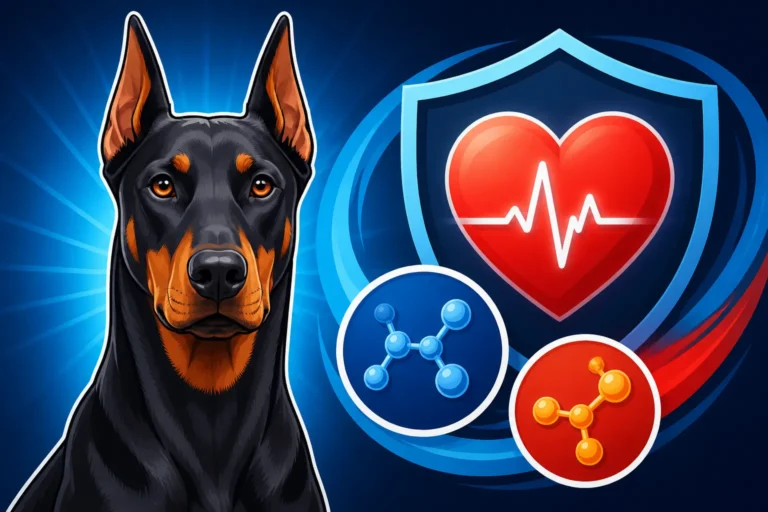
The gold standard for screening involves two main components: an echocardiogram (echo) and a 24-hour Holter monitor. An echo provides a real-time ultrasound of the heart's structure and function, allowing the cardiologist to assess chamber size, wall thickness, and blood flow. A Holter monitor, which the dog wears for 24 hours, records every heartbeat, catching irregular rhythms (arrhythmias) that might indicate early DCM, even before structural changes are visible on an echo. These screenings should begin young, typically around two years of age, and be repeated annually. While DNA tests like The DCM1 Gene Test Explained for Doberman Owners and the DCM2 Titin variant can offer valuable insights into genetic predisposition, they are not a substitute for regular clinical cardiac screening, as a Doberman can still develop DCM even with clear gene test results.
Blood Disorders: Von Willebrand's Disease
Von Willebrand's Disease (vWD) is a common, inherited bleeding disorder in Dobermans. It's similar to hemophilia in humans, affecting the blood's ability to clot properly. While some Dobermans with vWD live relatively normal lives, a severe bleeding episode — perhaps during surgery, an injury, or even a simple cut — can be life-threatening. The Bleeding Disorder Almost Every Doberman Line Carries highlights how prevalent this can be.
Fortunately, vWD is easily tested for with a DNA test, such as The Von Willebrand DNA Test for Dobermans. This test will tell you if your dog is "clear," a "carrier," or "affected." A "clear" dog has two normal copies of the gene and will not develop vWD or pass it on. A "carrier" dog has one normal and one affected copy; they usually don't show symptoms but can pass the gene to their offspring. An "affected" dog has two copies of the abnormal gene and is at risk of bleeding episodes and will pass the gene to all of their offspring. Reputable breeders will always test for vWD and make informed decisions about breeding carriers, ensuring they are only bred to clear dogs to avoid producing affected puppies.
Neurological Concerns: Wobbler Syndrome
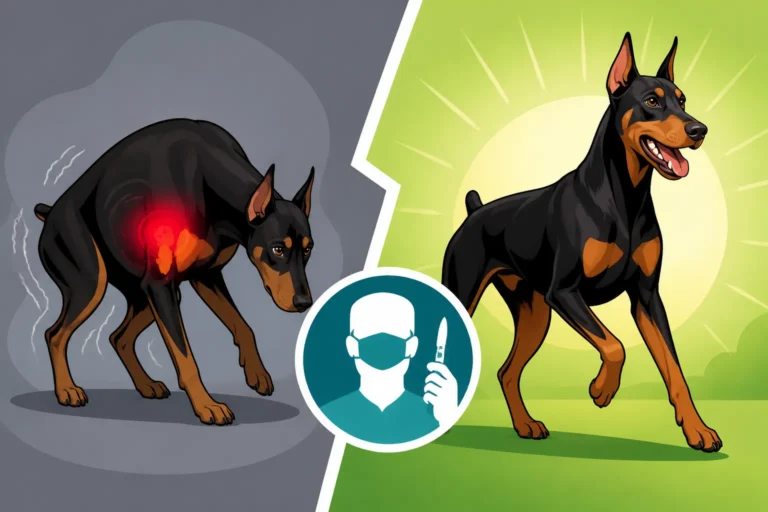
Wobbler Syndrome, or Cervical Spondylomyelopathy (CSM), is a neurological condition that affects the spinal cord in the neck, leading to an unsteady, "wobbly" gait. It’s particularly prevalent in large, deep-chested breeds like Dobermans. The compression on the spinal cord can cause pain, weakness, and coordination issues, often making it difficult for the dog to walk or even stand. Wobbler Syndrome in the Doberman is a serious condition that can severely impact a dog's quality of life.
While there isn't a simple DNA test for Wobbler Syndrome, breeders should be mindful of its prevalence. Dogs being considered for breeding should have their cervical spine evaluated through radiographs (X-rays) or, ideally, more advanced imaging like an MRI if any symptoms are present. Scanning a Doberman for a Compressed Neck can help identify structural abnormalities in the vertebrae that predispose a dog to Wobblers. Reputable breeders also pay close attention to the lineage and any history of Wobblers in previous generations, as there is a clear hereditary component, though it’s complex.
Thyroid Function and Hypothyroidism
Hypothyroidism, an underactive thyroid gland, is another condition Dobermans are more prone to than many other breeds. The thyroid gland produces hormones vital for metabolism, and when it doesn't function correctly, it can lead to a range of symptoms including lethargy, weight gain, hair loss, poor coat quality, cold intolerance, and sometimes even behavioral changes. The Thyroid Numbers That Slow a Doberman Down can dramatically impact a Doberman's vitality.
Screening for hypothyroidism involves a comprehensive thyroid panel, not just a basic T4 test. This panel usually includes T3, T4, free T3, free T4, and TSH (Thyroid Stimulating Hormone), along with autoantibodies. A full panel gives a more complete picture of thyroid function. Dogs identified as hypothyroid can often be managed with daily medication, but breeding a hypothyroid dog is generally discouraged, as the condition can be hereditary and passed to offspring. Breeders should also track thyroid levels over time, as the onset can be gradual.
Other Important Considerations: Hips, Eyes, Liver
While DCM, vWD, and Wobblers are often at the forefront for Doberman breeders, several other health clearances are crucial for responsible breeding:
- Hip Dysplasia: Though Dobermans are generally less affected than some other large breeds, hip dysplasia can still occur. This condition involves abnormal development of the hip joint, leading to arthritis and pain. Screening involves X-rays evaluated by organizations like the Orthopedic Foundation for Animals (OFA) or PennHIP.
- Eye Diseases: Annual eye exams by a board-certified veterinary ophthalmologist (CERF exam) are important to screen for inherited eye diseases like Progressive Retinal Atrophy (PRA) or cataracts. Doberman Eye Testing and PRA helps ensure puppies don't inherit vision problems.
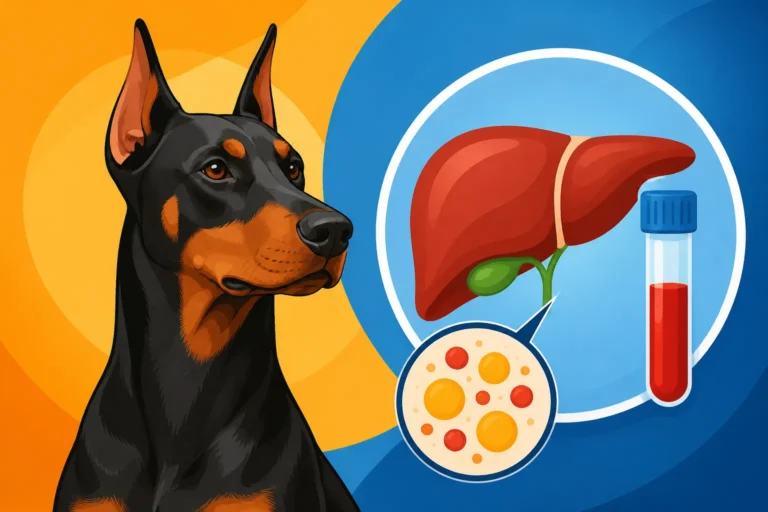
- Copper Hepatopathy (Liver Disease): Some Dobermans are predisposed to accumulating excessive copper in their liver, leading to chronic hepatitis and liver failure. This condition is complex, but screening for liver enzyme levels in routine bloodwork can sometimes raise a red flag. In some cases, a liver biopsy might be needed for definitive diagnosis.
- Narcolepsy: This neurological disorder, characterized by sudden sleep attacks, is known in Dobermans. A DNA test is available to identify affected dogs and carriers.
Navigating the Screening Process and Understanding Results
The world of health screening can feel like a labyrinth, but with the right approach and a clear understanding of what you're looking for, it becomes much more manageable. The goal isn't just to do the tests, but to understand them.
Finding Reputable Vets and Specialists
One of the most crucial steps is partnering with a veterinary team that understands the unique health challenges of the Doberman breed. For specialized screenings, you'll want to seek out board-certified veterinary specialists. For instance, echocardiograms and Holter readings should be performed and interpreted by a board-certified veterinary cardiologist. Likewise, eye exams for inherited conditions should be conducted by a board-certified veterinary ophthalmologist.
Don't hesitate to ask your general veterinarian for referrals, or reach out to your local Doberman breed club, which often maintains lists of recommended specialists. These specialists have advanced training and equipment to accurately diagnose and assess your Doberman's health status, providing the most reliable results for your breeding decisions. The investment in these specialist appointments is invaluable, far outweighing the potential costs and heartbreak of breeding an unhealthy dog.
Interpreting Test Results: Clear, Carrier, Affected
When you get your test results back, particularly for DNA-based screenings, you'll often see terms like "clear," "carrier," or "affected." Understanding what these mean is fundamental to responsible breeding:
- Clear (or Normal): This means your Doberman does not carry the gene mutation for the specific disease being tested. They will not develop the disease due to this particular gene, and they cannot pass it on to their offspring. This is the ideal result for breeding.
- Carrier: A carrier Doberman has one copy of the gene mutation and one normal copy. For recessive genetic diseases (like vWD), carriers typically do not show symptoms themselves but can pass the mutated gene to their puppies. Carriers can be bred responsibly, but only to a Doberman that is "clear" for that same disease. This ensures that no "affected" puppies are produced. Whether a Carrier Doberman Should Be Bred is a nuanced decision that requires careful planning.
- Affected: An affected Doberman has two copies of the gene mutation (for recessive diseases) or one copy of a dominant gene mutation. These dogs are likely to develop the disease and will pass the mutated gene to all (for dominant) or some (for recessive) of their offspring. Breeding an "affected" Doberman is generally considered irresponsible, as it knowingly perpetuates the disease.
For conditions like DCM where there are multiple genetic markers (DCM1, DCM2, etc.) and environmental factors, results are even more complex. A Doberman might test clear on genetic panels but still develop DCM due to other genetic influences or non-genetic factors. This reinforces why clinical screenings (echo, Holter) are so vital and can't be replaced by DNA tests alone.
The Role of Genetic Testing vs. Clinical Screening
It’s crucial to understand that genetic testing and clinical screening serve different, yet complementary, purposes. They are not interchangeable.
Genetic Testing (DNA Tests):
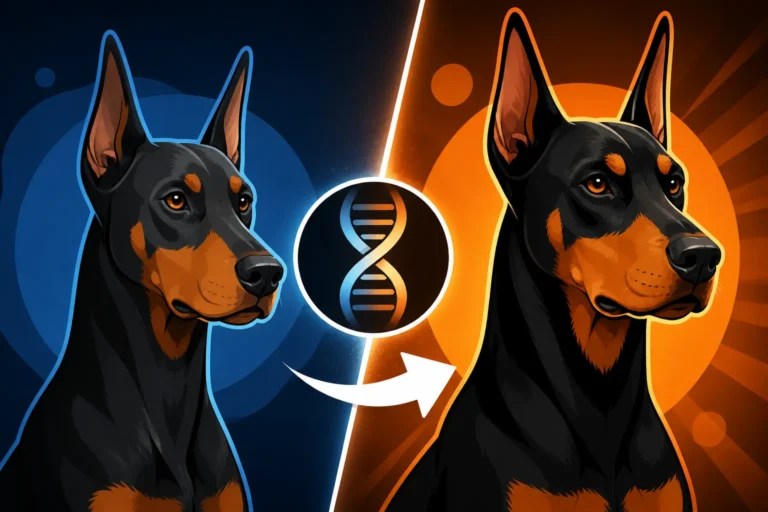
These tests look for specific gene mutations that are known to cause or increase the risk for certain diseases. They provide information about a dog's genetic blueprint. For conditions like vWD, Narcolepsy, and specific DCM gene variants, DNA tests are incredibly powerful because they can identify carriers or affected individuals before symptoms appear, even in puppies. This allows breeders to make informed pairing decisions to prevent producing affected offspring. Many labs offer bundled DNA panels for Dobermans, which can be a cost-effective way to get a lot of information.
Clinical Screening (Phenotypic Tests):
These are physical examinations and diagnostic tests performed by a veterinarian or specialist to assess a dog's current health status. Examples include echocardiograms for DCM, X-rays for hip dysplasia and Wobbler Syndrome, and blood panels for thyroid function and liver values. These tests look for the expression of a disease, whether it's structural changes in the heart, joint abnormalities, or abnormal hormone levels. They are essential because many diseases have complex inheritance patterns, involve multiple genes, or are influenced by environmental factors that DNA tests can't fully capture. Whether a Doberman DNA Panel Replaces Screening is a common question, and the answer is a resounding "no." Both types of screening are necessary for a comprehensive health picture.
The Long-Term Impact of Unscreened Breeding
The choices you make as a breeder reverberate far beyond your own kennel. They impact the lives of individual dogs, their future families, and the overall health and reputation of the Doberman breed. Ignoring health screening before breeding creates a ripple effect of suffering and financial strain.
Financial and Emotional Costs for Puppy Buyers
Imagine a new Doberman owner, brimming with excitement for their new puppy. They pour love, time, and training into their new companion. Then, at a tragically young age, their dog starts exhibiting signs of a serious, inherited illness – perhaps a sudden collapse due to DCM, or chronic pain from Wobbler Syndrome. The emotional devastation is profound. This isn't just a pet; it's a family member.
Beyond the emotional toll, the financial burden can be crushing. Treatment for conditions like advanced DCM or Wobbler Syndrome can involve repeated specialist visits, expensive medications, advanced diagnostics like MRIs, and potentially even surgery. These bills can quickly escalate into the thousands, or even tens of thousands, of dollars over a dog's lifetime. Many families are simply not prepared for such unexpected costs. While pet insurance companies like Healthy Paws can offer a safety net, coverage for pre-existing conditions is usually excluded. This means if a genetic condition like DCM or Wobbler Syndrome is diagnosed after the policy is initiated, it might not be covered, leaving the owner to shoulder the full cost. A responsible breeder aims to minimize these risks, so new owners can focus on enjoying their healthy Doberman.
Preserving the Doberman Breed's Future
Every generation of Dobermans is a direct result of the breeding decisions made today. When breeders consistently prioritize health and screen their dogs thoroughly, they contribute to a healthier gene pool. This means fewer instances of devastating diseases, improved quality of life for future Dobermans, and a stronger, more resilient breed overall. When breeders cut corners or choose to ignore known health risks, they inadvertently weaken the breed, propagating genetic predispositions that will continue to cause suffering for years to come.
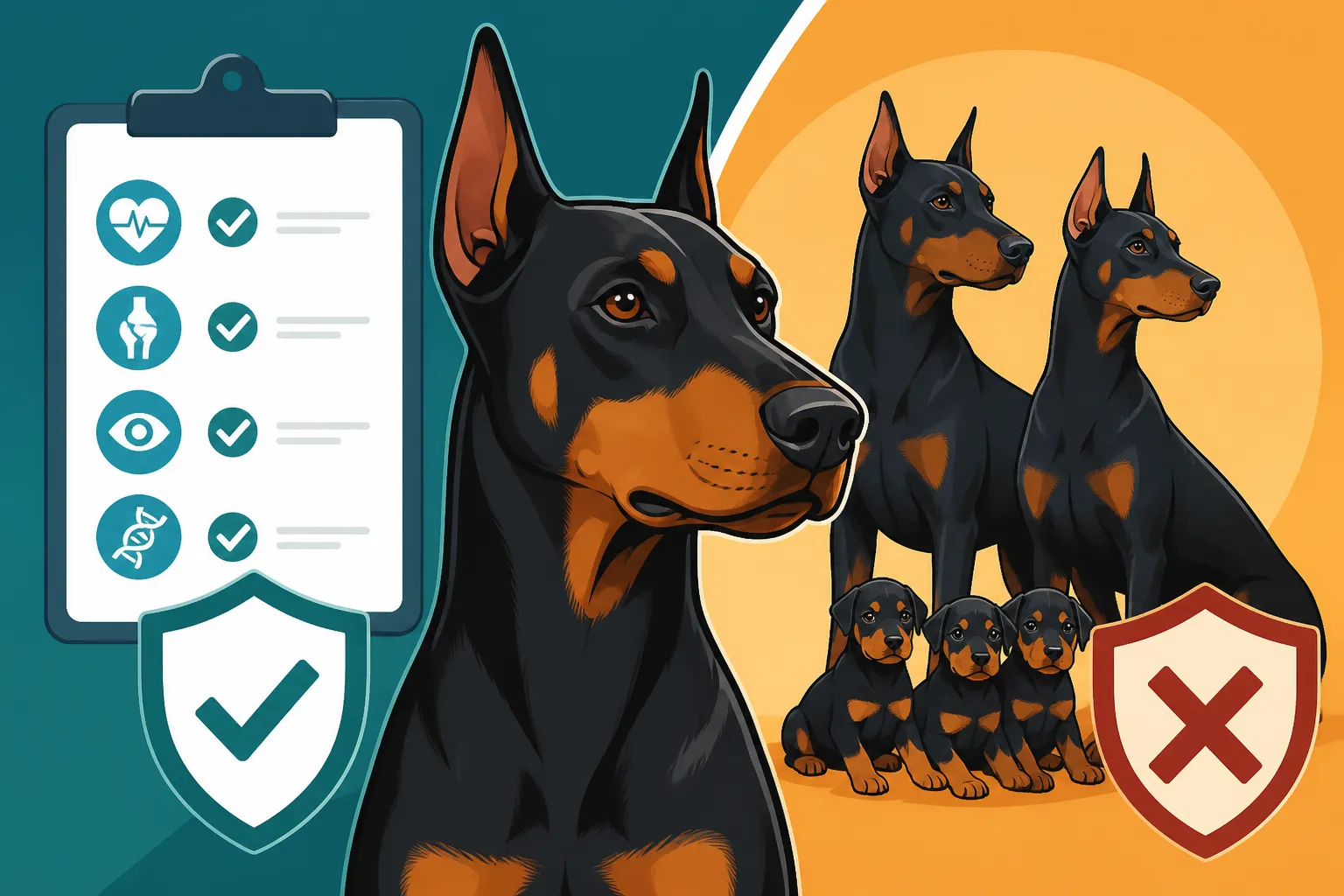
Ultimately, screening before breeding is an act of stewardship. It’s about honoring the Doberman breed, respecting the trust of future puppy owners, and ensuring that these magnificent dogs continue to embody the health, vitality, and noble spirit they are known for. By committing to comprehensive health testing, you are not just breeding dogs; you are actively contributing to a brighter, healthier future for the Doberman. Reading a Doberman Breeder's Heart Paperwork and understanding the comprehensive health history of both parent dogs is the hallmark of a breeder truly dedicated to the breed's longevity.
Essential Doberman Breeding Health Tests
| Condition | Type of Test | Ideal Age to Start Testing | Frequency | What it Screens For | Key Takeaway |
|---|---|---|---|---|---|
| Dilated Cardiomyopathy (DCM) | Echocardiogram, 24-hr Holter, DNA tests (DCM1/DCM2) | 2 years (DNA earlier) | Annually | Structural heart changes, arrhythmias, genetic predisposition | Essential; clinical screening (echo/Holter) not replaced by DNA tests. |
| Von Willebrand's Disease (vWD) | DNA Blood Test | Any age (can be done on puppies) | Once in lifetime | Presence of gene mutation causing bleeding disorder | Identify clear, carrier, affected dogs; breed carriers only to clear. |
| Wobbler Syndrome (CSM) | Radiographs, MRI (if symptoms) | 2 years | As needed | Spinal cord compression, vertebral abnormalities | Look for history in pedigree; consider imaging for breeding stock. |
| Hypothyroidism | Full Thyroid Panel (T3, T4, Free T3/T4, TSH, autoantibodies) | 2 years | Annually | Underactive thyroid gland | Crucial for overall health and temperament; avoid breeding affected dogs. |
| Hip Dysplasia | X-rays (OFA/PennHIP) | 2 years | Once in lifetime | Abnormal development of the hip joint | Important for soundness, especially in athletic Dobermans. |
| Progressive Retinal Atrophy (PRA) / Eye Diseases | CERF Exam (Ophthalmologist Exam) | Annually | Annually | Inherited eye conditions leading to vision loss | Protect vision of future generations. |
| Copper Hepatopathy | Bloodwork (liver enzymes), Biopsy (if indicated) | Ongoing | Annually (bloodwork) | Liver's ability to process and excrete copper, genetic predisposition | More complex; monitor liver health, consider genetic links if present. |
| Narcolepsy | DNA Test | Any age | Once in lifetime | Genetic predisposition to narcolepsy | Identify carriers and affected dogs to avoid producing affected offspring. |
Disclaimer
The information provided in this article is for general educational and informational purposes only, and does not constitute veterinary medical advice. Always consult with a qualified veterinarian or board-certified veterinary specialist for any medical concerns or before making any decisions about your Doberman's health, breeding plans, or treatment.