Taurine and Carnitine for a Doberman Heart
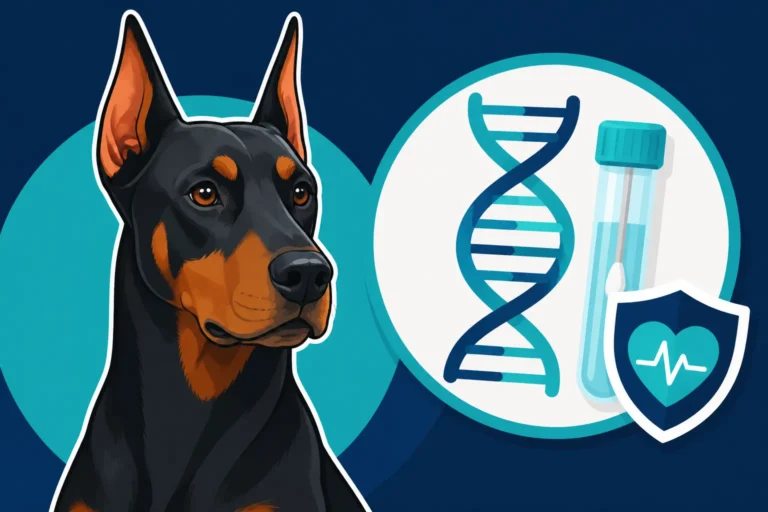
The heartbreak of a Doberman facing a challenging heart diagnosis is a burden no owner ever wants to carry. Many of us grapple with the devastating reality of Dilated Cardiomyopathy (DCM), a condition that feels like a ticking clock, always wondering what we can do to support our beloved companions. This guide aims to shed light on how specific nutritional support, particularly Taurine and L-Carnitine, plays a vital role in bolstering your Doberman's cardiac health, offering peace of mind and potentially extending their vibrant lives.
Understanding Dilated Cardiomyopathy DCM in Dobermans
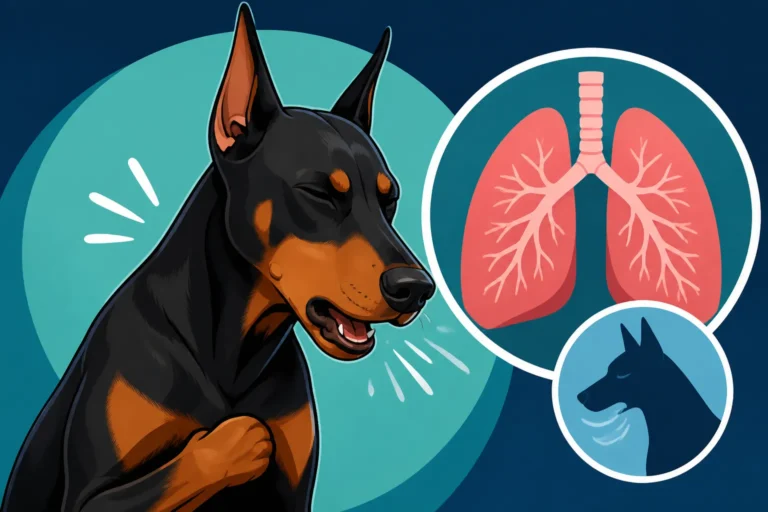
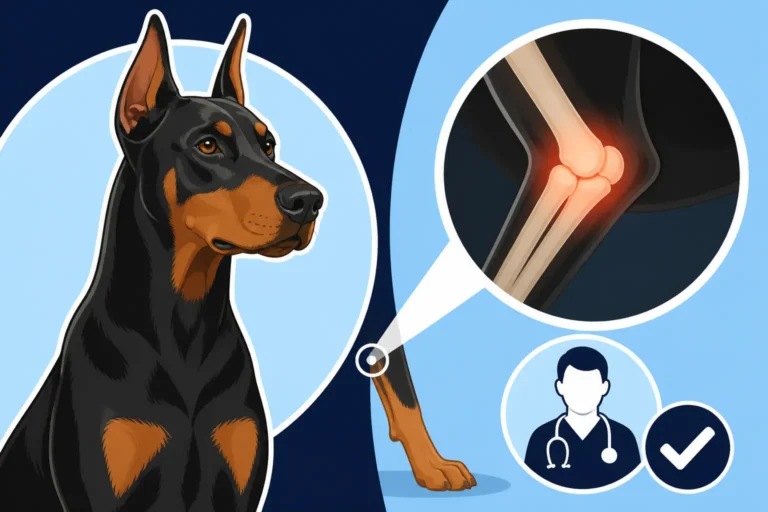
Dilated Cardiomyopathy (DCM) is a formidable foe for Doberman owners. It's a progressive disease of the heart muscle that leads to an enlarged heart, weakening its ability to pump blood effectively throughout the body. Imagine your dog's heart, usually a strong, efficient pump, slowly becoming flabby and inefficient. This leads to a cascade of problems, from fluid accumulation in the lungs to eventual heart failure. The silent nature of the disease in its early stages is particularly insidious; a Doberman can appear completely normal and healthy while significant damage is occurring within their heart. This is why understanding The Silent Years Before a Doberman's Heart Shows is so critical for proactive care.
Why Dobermans Are Prone to DCM
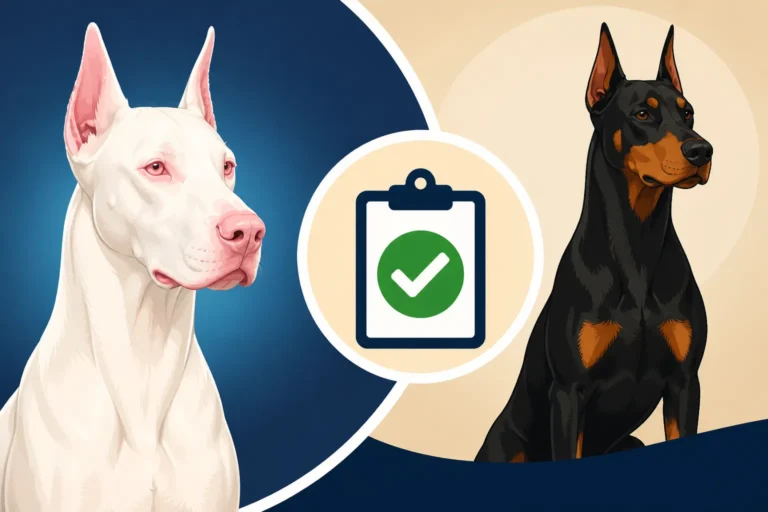
Dobermans, unfortunately, are genetically predisposed to DCM, making them one of the most commonly affected breeds. It’s not just a random occurrence; there are clear genetic markers that increase their risk. We've identified specific gene mutations, like the DCM1 and DCM2 variants, that are strongly linked to the development of the disease. While not every Doberman with these genes will develop DCM, and conversely, some Dobermans without these known mutations can still be affected, their presence significantly raises the stakes. This genetic lottery means that even with the best breeding practices, the risk is never entirely eliminated, placing an immense responsibility on owners to be vigilant. It's a heavy thought, knowing that something so central to their existence can be compromised by their very lineage.
The Role of Nutritional Deficiencies in DCM
While genetics load the gun, nutrition can often pull the trigger, or at least influence the speed at which the disease progresses. In some cases, DCM isn't purely genetic but can be exacerbated, or even directly caused, by nutritional imbalances, particularly deficiencies in certain amino acids. For years, the focus was almost entirely on genetic predisposition, but scientific research has increasingly highlighted the critical role of diet. We've seen instances where dogs, not just Dobermans, fed certain "boutique" or grain-free diets developed DCM, leading to a much broader discussion about Whether Grain-Free Food Adds to Doberman DCM. These diets, often rich in legumes like peas and lentils as substitutes for grains, were sometimes found to be lacking in essential nutrients like taurine, or interfered with its absorption. This discovery opened up new avenues for understanding and potentially mitigating the disease, giving us more tools beyond just genetic screening.
The Power Duo: Taurine and Carnitine
When we talk about nutritional support for Doberman hearts, taurine and L-carnitine are often at the top of the list. These aren't just trendy supplements; they are vital amino acids that play direct and crucial roles in cardiac function and energy production within the heart muscle cells. Think of them as essential fuel and maintenance crew for your Doberman's most important organ. For a Doberman owner, understanding these compounds offers a sense of proactive empowerment in the face of such a daunting disease.
What is Taurine and How Does it Help?
Taurine is an amino sulfonic acid that's absolutely vital for several bodily functions, and its role in heart health is paramount. It acts as an antioxidant, helping to protect heart cells from damage, and it also plays a critical role in regulating calcium levels within the heart muscle, which is essential for proper contractions. Beyond that, taurine helps maintain the structural integrity of the heart and influences nerve transmission. When a Doberman is deficient in taurine, its heart muscle can weaken, leading to the dilated, flabby state characteristic of DCM. Supplementation with taurine can, in some cases, reverse or significantly improve the condition if the deficiency is the primary cause. This is a huge ray of hope for owners facing this diagnosis, knowing that something as straightforward as a supplement might make a tangible difference. It’s often one of the first things a cardiologist will consider, especially if initial blood tests suggest lower-than-normal levels.
What is L-Carnitine and Why is it Important?
L-carnitine is another amino acid that’s absolutely crucial for heart health, especially in a large, active breed like the Doberman. Its primary job is to transport fatty acids into the mitochondria, which are the "powerhouses" of the cells. This process is vital for energy production, and the heart, being a muscle that works tirelessly, requires an immense amount of energy. Without sufficient L-carnitine, the heart muscle struggles to produce enough energy, leading to weakness and dysfunction – hallmarks of DCM. While Dobermans are known to synthesize L-carnitine naturally, some individuals may have impaired synthesis or increased demands, making supplementation beneficial. It’s not just about getting it into the diet, but ensuring their bodies can effectively utilize it for optimal cardiac function. When considering Taurine and Carnitine for a Doberman Heart, understanding both components is key.
Synergy of Taurine and Carnitine in Heart Health
It’s not just about one or the other; taurine and L-carnitine often work best when used together. They represent a powerful synergistic duo for maintaining and supporting cardiovascular health in Dobermans. Taurine helps regulate cell membrane stability and electrolyte balance, while L-carnitine ensures the heart muscle has the energy it needs to contract strongly and consistently. Imagine a sophisticated engine: taurine keeps the structural components robust and the electrical system humming, while L-carnitine ensures a steady supply of high-octane fuel. In Dobermans particularly, where DCM can be so aggressive, providing both these crucial nutrients helps cover different aspects of cardiac metabolic support. This combined approach gives the heart muscle the best possible chance to function optimally, potentially slowing the progression of the disease or even preventing its onset in at-risk dogs. Many vets will recommend a combined supplement, especially for Dobermans.
When and How to Supplement Your Doberman
Deciding to supplement your Doberman with taurine and L-carnitine isn't a decision to take lightly or make on your own. While these supplements can be incredibly beneficial, they are not a magic bullet, and proper guidance is essential to ensure both safety and effectiveness. Just like with any health intervention for your Doberman, a collaborative approach with your veterinary team is the smartest path forward.
Identifying When Supplementation Might Be Needed
The ideal time to consider taurine and L-carnitine supplementation for your Doberman is often before overt symptoms of DCM appear. This is where proactive screening comes into play. Regular cardiac evaluations, including yearly echocardiograms and Holter monitoring, are crucial for Dobermans, especially as they enter The Age Doberman Heart Disease Usually Starts. If your vet identifies early signs of cardiac changes, such as mild enlargement or abnormal heart rhythms (arrhythmias), or if blood tests show low taurine levels, supplementation might be recommended even before a full DCM diagnosis. Some breeders and owners also choose to proactively supplement Dobermans with known genetic predispositions to DCM, or those on certain diets, as a preventive measure. However, even in these cases, it's vital to have a veterinarian guide the decision.
Dosage and Administration Considerations
The proper dosage of taurine and L-carnitine can vary significantly based on your Doberman’s weight, specific cardiac condition, and individual needs. These aren't "one-size-fits-all" supplements. For example, a Doberman already diagnosed with DCM might require a much higher therapeutic dose than one receiving preventative supplementation. Taurine is often prescribed in doses ranging from 500 mg to 2000 mg twice daily, while L-carnitine can range from 500 mg to 1000 mg twice daily, but these are merely general examples. The form of the supplement also matters – capsules, powders, or liquids. It's crucial to select reputable brands that provide high-quality, pure ingredients. Discussing these specifics with a board-certified veterinary cardiologist is truly the best way to determine the correct product and dosing regimen for your unique Doberman. They can tailor a plan that considers their current health status, diet, and any other medications they may be taking.
The Importance of Veterinary Consultation
You simply cannot overstate the importance of consulting with your veterinarian, and ideally a veterinary cardiologist, before starting any supplementation regimen for your Doberman's heart. These professionals can perform the necessary diagnostics, such as blood tests to check taurine levels, or an echocardiogram to assess heart function, to determine if supplementation is truly warranted and what specific dosages would be most effective and safe. Self-diagnosing and self-treating can be dangerous, potentially masking underlying issues or interfering with other treatments. Your vet can also help you navigate pet insurance claims if you have a plan like Healthy Paws, as they often require veterinary documentation for prescriptions and treatments. A holistic and professionally guided approach ensures your Doberman receives the most appropriate and beneficial care, giving you the best chance to manage their heart health effectively. Early detection through Annual Echo and Holter Screening for a Doberman is critical in this process.
Beyond Supplements: A Holistic Approach to Doberman Heart Health
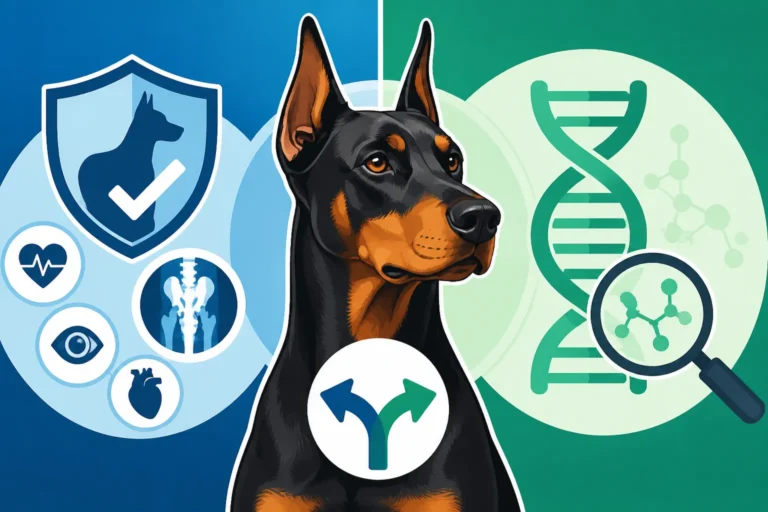
While taurine and L-carnitine are powerful tools in supporting a Doberman’s heart, they are just one piece of a much larger puzzle. A truly comprehensive approach to Doberman cardiac health involves looking at their entire lifestyle, from what they eat to how they're monitored, and ensuring every aspect works in harmony to support their vital organ. It's about building a robust foundation, not just patching up cracks.
Diet and Its Impact on Cardiac Health
Beyond specific supplements, the overall quality and composition of your Doberman's diet play a monumental role in their heart health. As mentioned, the type of protein, fat, and carbohydrate sources can all impact nutrient absorption and bioavailability, which in turn affects the heart. Many Doberman owners find themselves deep-diving into discussions about Whether Grain-Free Food Adds to Doberman DCM or if certain boutique diets are truly beneficial. A balanced diet, formulated by veterinary nutritionists, that avoids excessive legumes or novel ingredients, and provides appropriate levels of all essential amino acids, fatty acids (like Omega-3s), and minerals is crucial. Feeding a diet rich in whole foods, avoiding overly processed ingredients, and ensuring proper hydration are all fundamental. Remember, a Doberman's body is a complex system, and optimal heart function depends on every component receiving the right fuel. Choosing a high-quality, vet-recommended kibble or a carefully balanced home-cooked diet can make a world of difference.
Regular Veterinary Screening and Monitoring
Consistent and thorough veterinary screening is the cornerstone of proactive Doberman heart care. Because DCM often progresses silently in its early stages, waiting for symptoms like coughing or lethargy means the disease is already quite advanced. This is why regular check-ups, even when your Doberman seems perfectly fine, are non-negotiable. Beyond the annual physical exam, Dobermans benefit immensely from annual or bi-annual cardiac screenings, including echocardiograms and 24-hour Holter monitoring. An echocardiogram provides a real-time ultrasound image of the heart, allowing a specialist to measure chamber sizes and evaluate how efficiently the heart is pumping. Holter monitoring, which involves your Doberman wearing a vest with electrodes for 24 hours, records every heartbeat, helping to detect arrhythmias that might otherwise go unnoticed. These screenings, coupled with regular blood tests, help your vet catch subtle changes early, allowing for intervention, including Medication for a Doberman in the Occult Phase, before the disease becomes debilitating. Being prepared for these costs is where a good pet insurance plan like Healthy Paws can truly alleviate financial stress.
Lifestyle Adjustments for a Heart-Healthy Doberman
Supporting your Doberman's heart also extends to their daily lifestyle. While Dobermans are active dogs, excessive, high-intensity exercise might need to be moderated, especially if early signs of DCM are detected. Your vet or cardiologist can advise on appropriate activity levels; the goal is to keep them fit without over-stressing an already compromised heart. Managing stress in your Doberman's environment is also important, as chronic stress can impact cardiovascular health. Ensuring they have a consistent routine, a comfortable resting place, and plenty of mental stimulation can contribute to overall well-being. Keeping your Doberman at a lean body weight is another crucial factor, as obesity puts additional strain on the heart. Regular dental care is often overlooked but plays a significant role, as poor oral hygiene can lead to bacterial infections that travel to the heart. Every aspect of their life contributes to their overall health, and for a breed so prone to heart issues, a holistic, thoughtful approach is absolutely essential. Consider discussing Whether a Doberman With DCM Should Exercise with your vet to tailor a plan.
| Nutrient | Primary Role in Heart Health | Potential Deficiency Symptoms | Common Dietary Sources |
|---|---|---|---|
| Taurine | Regulates calcium, electrolyte balance, antioxidant, membrane stabilization. | Dilated Cardiomyopathy (DCM), retinal degeneration, reproductive issues. | Meat (especially heart), fish, shellfish, eggs. Often added to quality dog foods. |
| L-Carnitine | Transports fatty acids for energy production in mitochondria. | Weakened heart muscle, fatigue, exercise intolerance. | Red meat (lamb, beef), poultry, dairy products. |
Disclaimer
This article is for general informational purposes only and does not constitute professional advice. Laws, prices and regulations vary by location and change over time. Consult a qualified professional for guidance on your specific situation.