Whether Grain-Free Food Adds to Doberman DCM
It’s truly a frightening position to be in as a Doberman owner: you’re trying your absolute best to provide the most nutritious food for your beloved companion, only to hear whispers and warnings that some of these seemingly healthy choices might actually be harming their heart. The confusion and anxiety surrounding grain-free diets and their potential link to Dilated Cardiomyopathy (DCM) in Dobermans is a very real source of stress, and it’s a topic that deserves a thorough, empathetic look. This guide is here to untangle the complexities, offering clarity and actionable steps to help you make the best dietary decisions for your Doberman's heart health.
The Confusing Link Between Grain-Free Diets and Canine DCM
For many years, the pet food industry heavily marketed "grain-free" diets as a superior, more natural alternative for dogs. The narrative often suggested that grains were merely "fillers" or common allergens, and removing them would lead to healthier, happier pets. As loving Doberman owners, many of us, myself included, jumped on this bandwagon, believing we were making the best choice for our dogs. After all, who doesn't want to avoid unnecessary ingredients and potential allergens? We thought we were providing premium nutrition, a step above the rest.
However, a serious concern emerged when the U.S. Food and Drug Administration (FDA) began investigating a potential link between certain diets and an increased risk of dilated cardiomyopathy (DCM) in dogs. This wasn't just a handful of cases; it was a disturbing pattern affecting breeds not typically prone to genetic DCM, or appearing earlier in life than expected. The diets under scrutiny were often referred to as "Boutique, Exotic, and Grain-Free" (BEG) formulas. The sheer volume of reported cases involving these types of foods sent a ripple of alarm through the veterinary community and, understandably, among Doberman owners.
What made this particularly complex for Doberman families is that our breed already carries a heavy genetic burden for DCM. The Heart Disease That Reaches Most Dobermans is a heartbreaking reality for many of us. So, the question wasn't just whether grain-free diets caused DCM in healthy dogs, but whether they could exacerbate an existing genetic predisposition in Dobermans, potentially triggering the disease earlier or making it more severe. Imagine the sinking feeling: you're trying to prevent the very thing your Doberman is prone to, and your efforts might inadvertently be contributing to it. It’s a truly unfair situation to navigate, filled with conflicting information and gut-wrenching worry.
The initial hypothesis centered around taurine deficiency. Taurine is a critical amino acid that plays a vital role in numerous bodily functions, with its importance in cardiac muscle function being paramount. In many of these diet-associated DCM cases, affected dogs were found to have low blood taurine levels. While most dogs can synthesize enough taurine from other amino acids found in protein-rich foods, it was theorized that something in these BEG diets was either preventing proper taurine synthesis, increasing its excretion, or simply not providing enough of its precursors. This shift from "grain-free is better" to "grain-free might be dangerous" was a massive and deeply unsettling revelation for countless dedicated pet parents.
Understanding Taurine and Its Role in Doberman Heart Health
To truly understand the concerns, we need to delve a bit deeper into taurine itself. Taurine isn't a protein, but an amino acid, often described as "conditionally essential" for dogs. This means that while dogs can typically produce their own taurine from methionine and cysteine (two other amino acids commonly found in animal proteins), certain circumstances or dietary compositions might make external supplementation or dietary sources more critical. For Dobermans, with their known susceptibility to heart conditions, any factor affecting taurine levels warrants serious attention.
The primary theories on how BEG diets might interfere with taurine balance are still being researched, but the leading ideas include:
- Ingredient Displacement: Many grain-free diets rely heavily on legumes (like peas, lentils, chickpeas) and potatoes as primary carbohydrate sources, often appearing high on the ingredient list. The concern is that these ingredients, while not inherently "bad," might be displacing other ingredients that are richer in the taurine-precursor amino acids, methionine and cysteine. If a diet is high in these plant-based ingredients and comparatively lower in easily digestible animal proteins, a dog might not be getting enough building blocks to synthesize its own taurine effectively. It’s like trying to build a house without enough lumber because you filled the truck with rocks.
- Fiber Interference: Some components in these high-fiber, legume-rich diets are thought to potentially alter the gut microbiome in a way that leads to increased degradation or loss of taurine in the digestive tract. Specific types of fiber can bind with bile acids, which contain taurine, and lead to their excretion rather than reabsorption. If taurine is being lost faster than the body can produce it, or faster than it's absorbed from the diet, a deficiency can develop.
- Anti-Nutritional Factors: Legumes contain certain compounds, sometimes called anti-nutritional factors, which in very high concentrations could potentially interfere with nutrient digestion and absorption, including those necessary for taurine synthesis. While processing often reduces these, their sheer volume in some diets could still pose an issue.
It’s crucial to remember that this is still an active area of scientific investigation. The exact mechanisms are complex and likely multifactorial, meaning there isn't one simple answer. It's not necessarily the absence of grains that's the problem, but rather the presence of high amounts of certain alternative ingredients and how the diet is overall formulated and digested. This is why a simple "grain-free is bad" blanket statement isn't entirely accurate, and why careful diet selection is so important.
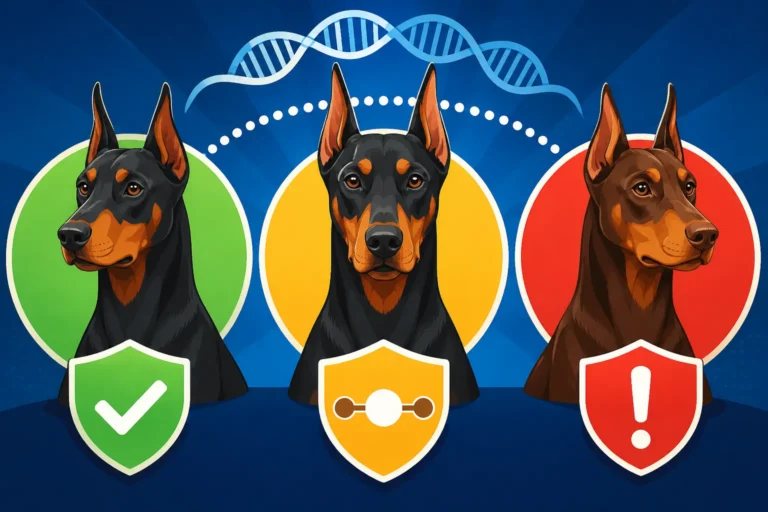
For Dobermans specifically, this issue becomes even more pronounced. We know our dogs have a genetic predisposition to DCM, with identified gene variants like those discussed in The DCM1 Gene Test Explained for Doberman Owners. If a Doberman is already genetically walking a tightrope with their heart health, a diet that even subtly impacts taurine metabolism could potentially push them over the edge, or accelerate the onset of clinical signs. It’s a risk we simply cannot afford to take lightly with a breed so vulnerable to this devastating disease.
Making Informed Dietary Choices for Your Doberman
Navigating the pet food aisle can feel like a minefield when you're trying to protect your Doberman's heart. With so much conflicting information, it's easy to feel overwhelmed and unsure of where to turn. But don't despair! There are practical, actionable steps you can take to make informed dietary choices that prioritize your Doberman's cardiac health.
First and foremost, consult with your veterinarian or, ideally, a board-certified veterinary nutritionist. This is not a task for casual research or advice from online forums alone. Your Doberman's specific needs, health history, and any existing cardiac issues (which might be silent, as discussed in The Silent Years Before a Doberman's Heart Shows) should all factor into dietary recommendations. A general practitioner can offer guidance, but a nutritionist has specialized expertise in canine nutrition and can evaluate ingredient profiles, feeding trials, and even help formulate a custom diet if necessary. They can help you understand What the Grain-Free Heart Warning Means for Dobermans in the context of your specific dog.
When it comes to selecting food, here are some key considerations:
- Prioritize Established Brands with Extensive Research: Stick to pet food brands that employ veterinary nutritionists and invest heavily in scientific research, quality control, and rigorous feeding trials (AAFCO statements of "animal feeding tests using AAFCO procedures substantiate that…" are a good sign). Brands like Purina, Hill's Science Diet, Royal Canin, and Eukanuba often fall into this category. They typically have a long history of safely feeding millions of dogs and aren't chasing the latest fads. They formulate for nutritional adequacy, not just marketing appeal.
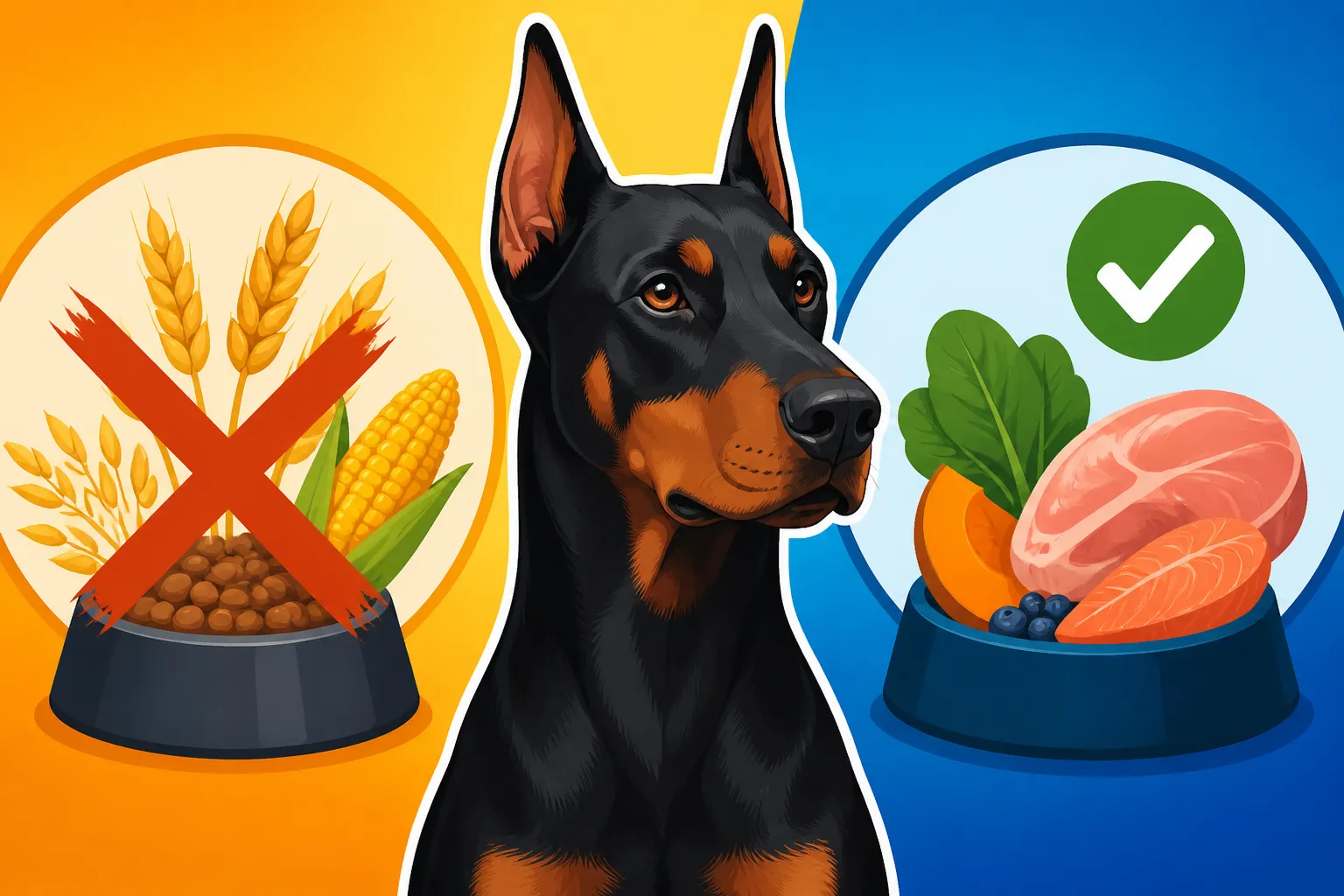
- Scrutinize Ingredient Lists: Look for animal protein sources (e.g., chicken, beef, lamb, fish) as the first few ingredients. While grains are fine (and often beneficial), avoid diets where legumes (peas, lentils, chickpeas) or potatoes are among the top five ingredients, especially if they appear multiple times in various forms (e.g., "pea protein," "pea fiber," "peas"). These are the common culprits in BEG diets associated with DCM.
- Consider a Taurine Test (if applicable): If your Doberman has been on a grain-free diet for an extended period, or if you have any cardiac concerns, discuss blood taurine testing with your vet. This simple blood test can indicate if your dog is deficient. If a deficiency is found, your vet can recommend appropriate changes, including a diet switch or cautious, veterinarian-prescribed taurine supplementation.
- Avoid DIY Supplementation: Do not start supplementing taurine on your own without veterinary guidance. While taurine is generally considered safe, excessive amounts can potentially mask underlying issues or throw other nutrient balances off. More importantly, if your Doberman's DCM is truly genetic, taurine supplementation alone may not be sufficient.
It’s easy to feel like you’re doing something wrong if you're not feeding the most "natural" or "trendy" diet. However, for a Doberman, "well-researched and scientifically formulated" trumps "trendy" every single time when it comes to their long-term health. Feeding a balanced diet, suitable for Feeding an Eighty-Pound Doberman Well, is key. When considering diet changes or even regular check-ups, having a robust pet insurance policy, like one from Healthy Paws, can provide significant peace of mind, ensuring you can afford the best advice and care without financial strain. This allows you to focus solely on what’s best for your Doberman’s health.
Here's a quick comparison of common ingredients in dog foods, based on current understanding of the diet-associated DCM concerns:
| Ingredient Category | High-Risk Potential (in excess) | Lower-Risk Potential (when balanced) |
|---|---|---|
| Protein Source | Exotic meats (kangaroo, duck, bison, venison) as primary | Common meats (chicken, beef, lamb, turkey, fish) as primary |
| Carbohydrate Source | High levels of peas, lentils, chickpeas, potatoes, sweet potatoes | Whole grains (oats, barley, brown rice), corn, wheat (if no allergy) |
| Fats & Oils | Unspecified "animal fat" or highly processed fats | Named animal fats (chicken fat), salmon oil, flaxseed oil |
| Fiber Sources | High concentration of legume-derived fibers | Beet pulp, rice bran, various vegetable and fruit fibers |
Note: This table is a general guide. The overall formulation and balance of a diet, not just individual ingredients, are what truly matter. Always consult your vet or a veterinary nutritionist for personalized advice.
The Bigger Picture: Beyond Diet for Doberman Heart Health
While the discussion around grain-free diets and DCM is critically important, especially for Doberman owners, it's vital to remember that diet is only one piece of a much larger, complex puzzle when it comes to your Doberman's heart health. Our beautiful Dobermans are unfortunately predisposed to Dilated Cardiomyopathy due to strong genetic factors, meaning that even with a perfectly balanced, veterinarian-approved diet, the risk is never entirely eliminated.
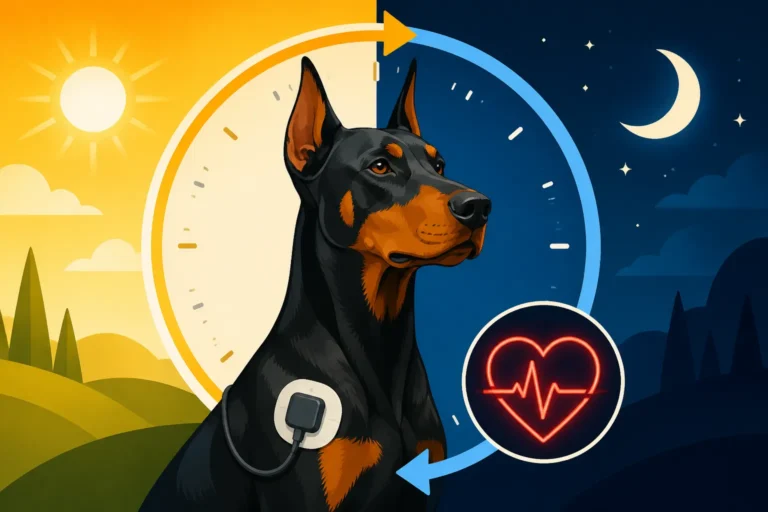
This is why regular cardiac screening is non-negotiable for Dobermans. It’s not a question of if you should screen, but when and how often. Starting annual echocardiograms (an ultrasound of the heart) and 24-hour Holter monitoring (a portable ECG device) around the age of two or three is highly recommended. These screenings can detect the subtle changes of DCM long before any outward symptoms appear. Annual Echo and Holter Screening for a Doberman can feel like a financial burden, but it's an investment in early detection, which can literally add years to your Doberman's life.
During the early, "occult" phase of DCM, when the heart is changing but there are no visible signs, these diagnostic tools are the only way to catch the disease. Without them, you might not know your Doberman is ill until they suddenly A Doberman That Faints on a Walk or start coughing and showing extreme lethargy. By then, the disease is often much more advanced, and treatment options, while still available, might be less effective at prolonging a good quality of life. Understanding How Many Dobermans Develop DCM really underscores the need for this vigilance.
Beyond regular veterinary care and careful diet selection, being an observant owner is paramount. Pay close attention to any subtle changes in your Doberman's behavior or energy levels. Are they tiring faster on walks? Are they less enthusiastic about play? Do they have a cough, especially after resting or at night? These could all be signs that something is amiss with their heart. Even if you're meticulously managing their diet, their genetic predisposition means you always need to be on alert.
Investing in routine cardiac screenings, which can be costly, highlights the value of pet insurance. Providers like Healthy Paws understand the breed-specific needs and offer plans that can help manage these significant veterinary expenses, promoting a longer, healthier life for your Doberman. Pet insurance helps ensure that if a diagnostic test or specialized treatment is recommended, you won’t have to make decisions based purely on your wallet. It allows you to focus on getting the best possible care for your Doberman, offering peace of mind through what can be a very stressful journey.
In essence, while addressing dietary concerns, particularly regarding grain-free foods, is a critical step for Doberman owners, it must be integrated into a broader strategy of proactive cardiac care. Regular screening, early detection, and prompt veterinary intervention remain the cornerstones of managing and extending the lives of Dobermans affected by DCM.
Disclaimer
The information provided in this article is for general informational purposes only and does not constitute veterinary advice. Always consult with a qualified veterinarian or a board-certified veterinary nutritionist for any health concerns or before making any changes to your Doberman's diet or healthcare routine. Individual dietary needs can vary significantly, and only a professional can provide guidance tailored to your specific pet.