Why an Albino Doberman Burns and Blisters
Many Doberman owners are drawn to the striking, ethereal beauty of a white Doberman, with their pale coats, light eyes, and often pink noses. However, what often isn't immediately apparent is the profound health vulnerability that comes with this unique appearance: an extreme susceptibility to sunburns and blistering. This guide will delve deep into why these beautiful dogs are so delicate in the sun, the risks they face, and, most importantly, how you can protect your cherished companion from painful and dangerous skin damage.
Understanding the Genetic Basis of Albinism in Dobermans
When we talk about an "albino" Doberman, we're actually referring to a specific genetic mutation that results in a complete lack of melanin production. Melanin is that wonderful pigment responsible for the color in our skin, hair, and eyes, and it plays a critical role in protecting us, and our dogs, from the sun's harmful ultraviolet (UV) rays. Without it, the skin is left incredibly vulnerable.
This isn't just a cosmetic difference; it's a fundamental biological vulnerability. Regular Dobermans, even the red ones, have plenty of melanin in their skin and coat to offer a natural, albeit limited, defense against UV radiation. Their dark eyes and black noses are further indicators of this protective pigment at work. An albino Doberman, often marked with a 'Z' in their registration number to indicate their genetic status, completely lacks this natural shield. Their skin is extremely delicate, much like a human with severe albinism who must take extraordinary precautions in sunlight. This genetic trait is why a white Doberman is really an albino, rather than simply a white-coated variation of the breed.
Because their eyes also lack pigment, albino Dobermans often have pale blue, light green, or even pinkish eyes, which means their eyes are equally susceptible to sun damage. Think about how much discomfort you feel when squinting in bright sunlight; an albino Doberman experiences this on a much more intense level, and prolonged exposure can lead to vision problems and discomfort, just as it can lead to skin issues.
The Immediate and Long-Term Dangers of Sun Exposure
The primary and most immediate concern for an albino Doberman is the risk of severe sunburn and blistering. Even relatively short periods in direct sunlight can cause significant damage. Imagine a fair-skinned person spending hours without sunscreen at the beach – now multiply that vulnerability by ten, and you're getting close to what an albino Doberman experiences.
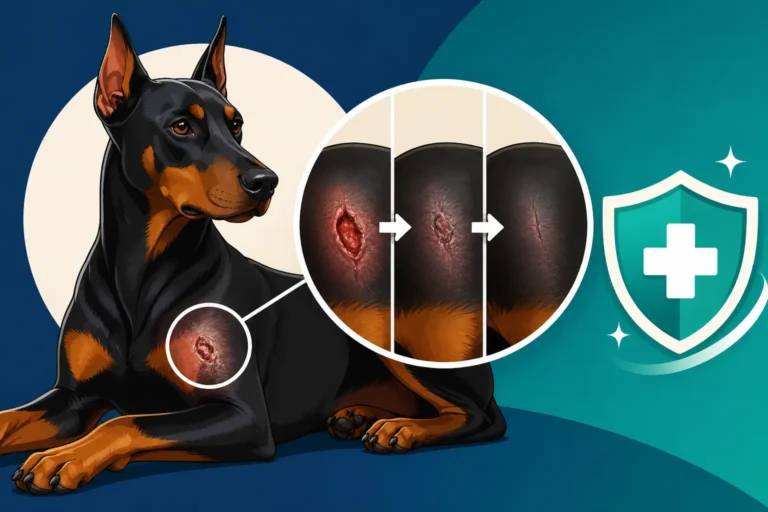
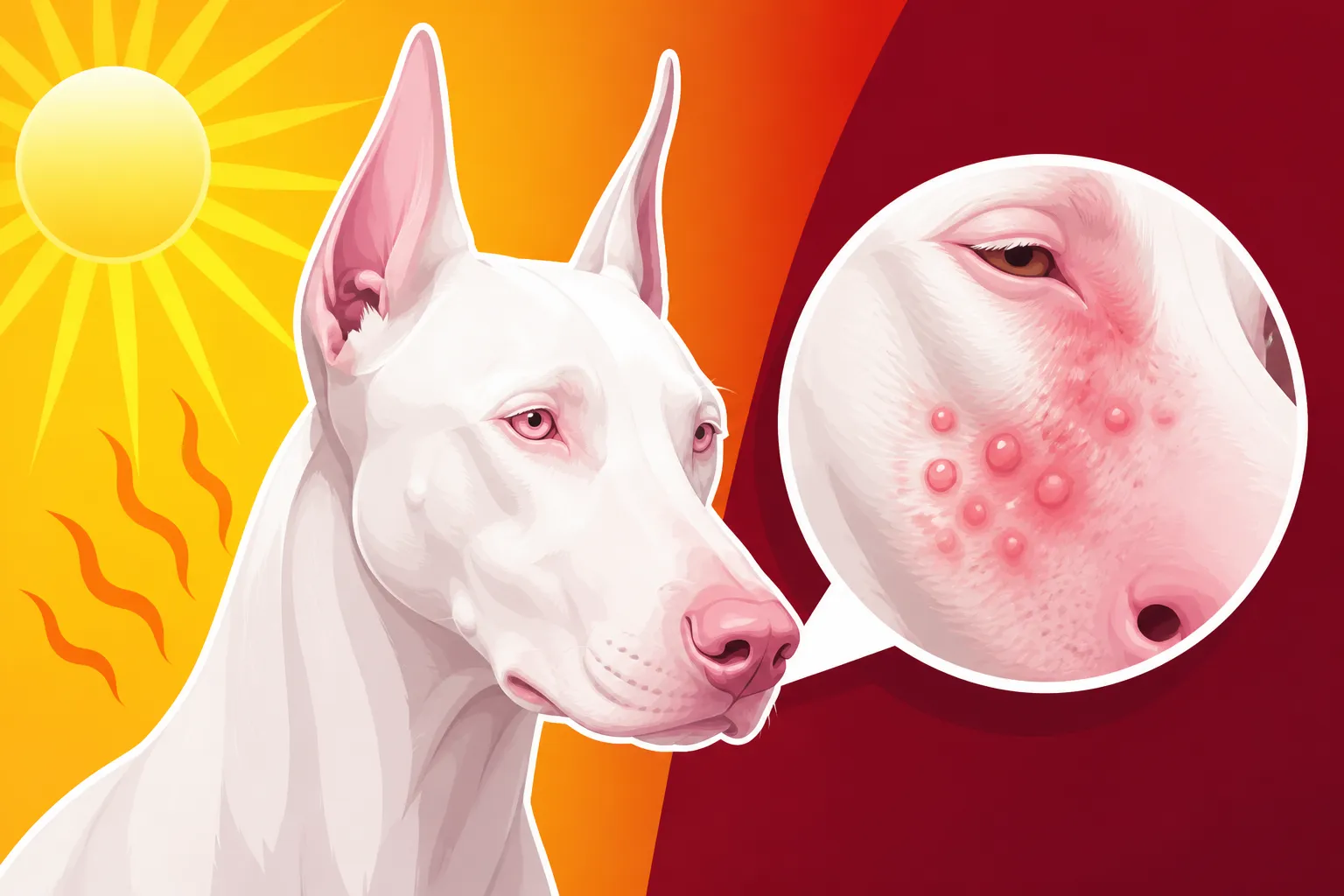
When an albino Doberman is exposed to the sun, their unprotected skin rapidly absorbs UV radiation. This leads to inflammation, redness, and excruciating pain. Common areas for burns include the bridge of the nose, ear tips, the belly, the inner thighs, and anywhere the hair is sparse or the skin is exposed. These aren't just mild red patches; they can quickly develop into painful blisters, similar to severe second-degree burns in humans. These blisters can rupture, leaving open wounds that are highly prone to bacterial infections. A dog suffering from these kinds of burns will be visibly uncomfortable, likely panting, restless, trying to hide in shaded areas, or even crying out when touched.
Beyond the immediate agony, the long-term consequences are even more dire. The repeated cellular damage from UV exposure significantly increases the risk of skin cancer. Albino Dobermans are particularly susceptible to squamous cell carcinoma and melanoma, aggressive forms of skin cancer that can be challenging to treat and often lead to poor prognoses. Regular checks for any new skin lumps worth aspirating on a Doberman become incredibly important. These cancers can develop insidiously, often starting as small, non-healing sores or raised lesions that can spread rapidly. This is a heartbreaking reality for many owners of albino Dobermans, highlighting the critical need for constant vigilance and proactive protection.
Proactive Strategies for Protecting Your Albino Doberman
Given the severe risks, protecting an albino Doberman from sun exposure requires a dedicated and multifaceted approach. It's not about being overprotective; it's about being responsible and ensuring their comfort and longevity.
First and foremost, strategic outdoor timing is crucial. Avoid walking or letting your albino Doberman play outside during peak sun hours, typically between 10 AM and 4 PM. Early mornings and late evenings are the safest times for outdoor activity. During the day, all outdoor potty breaks should be as brief as possible, ideally in a shaded area. If you live in a climate with intense sunlight, you might need to adjust your routine significantly to prioritize your dog's safety. For instance, some owners opt for covered outdoor runs or ensure their yards have ample, consistent shade from large trees or structures.
Next, physical barriers and protective gear are indispensable. Think of it as putting sunscreen on every inch of your dog, but in fabric form. Dog-specific UV protection clothing, such as full-body sun shirts or rash guards, can provide an excellent barrier. Look for garments made from fabrics with a high UPF (Ultraviolet Protection Factor) rating, similar to human sun-protective clothing. Brands like Ruffwear offer high-quality options, but even custom-made solutions can be necessary to ensure a snug fit that covers all vulnerable areas. Don't forget their sensitive heads; wide-brimmed hats or visors designed for dogs can protect their eyes and noses. When considering sun protection for a thinning blue Doberman, many of the same principles apply, as diluted coats also offer less natural protection.
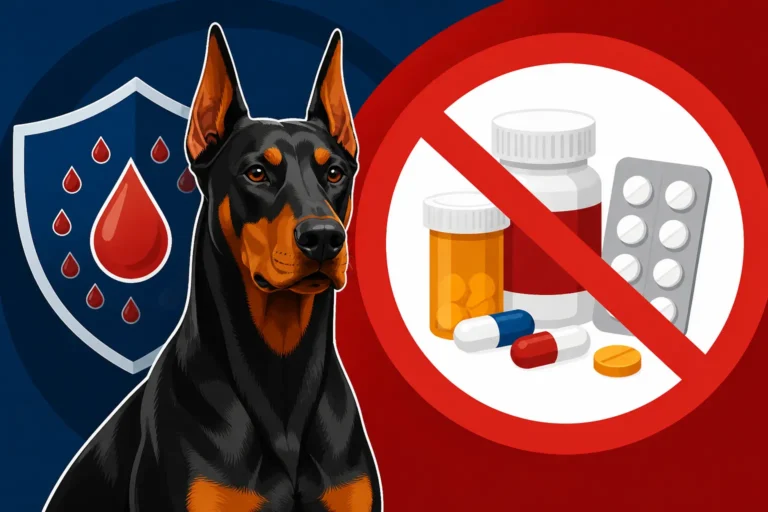
When it comes to sunscreen, extreme caution is warranted. You can use dog-specific sunscreens, but always check ingredients carefully and consult your veterinarian. Many human sunscreens contain zinc oxide or para-aminobenzoic acid (PABA), which are toxic if ingested by dogs. Since dogs naturally lick themselves, even a small amount can cause gastrointestinal upset or more severe issues. If using dog-safe sunscreen, apply it liberally to exposed areas like the nose, ear tips, and belly, ensuring it's fully absorbed before your dog has a chance to lick it off. It's a daily ritual, similar to a daily skin routine for a thinning blue Doberman, but with even higher stakes.
Finally, consider modifying your home environment. If your albino Doberman spends a lot of time indoors near windows, the UV rays can still penetrate and cause damage. Install UV-blocking window films or ensure blinds and curtains are closed during the brightest parts of the day. Providing comfortable, shaded resting spots throughout the house where they can retreat from any bright light is also helpful. Remember, just because they're inside doesn't mean they're completely safe from UV exposure. Being thorough about prevention is the best defense against discomfort and serious health issues. Pet insurance providers like Healthy Paws can be a real lifeline should preventative measures fail and your Doberman requires emergency or long-term care for sun-related injuries or cancers.
Managing Sunburns and Blisters: When to Seek Veterinary Care
Despite the best preventative measures, accidents happen, or sometimes the sun is stronger than anticipated. Knowing how to react if your albino Doberman does get a sunburn or blisters is critical.
For minor redness without blistering, you can provide some immediate relief at home. Gently apply cool (not cold or icy) compresses to the affected areas. A towel dampened with cool water, held gently against the skin, can help reduce inflammation and discomfort. Keep the area clean and prevent your dog from licking it excessively, which can introduce bacteria and worsen the irritation. An Elizabethan collar (cone) might be necessary to prevent self-trauma. You might also want to review resources like why a Doberman's skin tears easily for tips on general skin care that can apply here.
However, if you observe any blistering, open sores, significant swelling, signs of extreme pain, or if your dog becomes lethargic, loses its appetite, or develops a fever, you must seek veterinary care immediately. These are signs of a more severe burn or a developing infection, which can be incredibly dangerous for an albino Doberman. A veterinarian will be able to properly assess the severity of the burn, clean the wounds, and prescribe appropriate medications. This often includes antibiotics to prevent or treat secondary infections, pain relief to keep your dog comfortable, and potentially specialized wound dressings to promote healing.
Your vet might also recommend specific medicated baths for a bald Doberman if the burns cover a large area or if secondary skin infections arise. The cost of such treatments can quickly add up, so having a robust pet insurance plan like Healthy Paws in place before such emergencies occur can significantly ease the financial burden. The reality is that burns and subsequent infections can quickly escalate, requiring intensive care. Early and aggressive veterinary intervention is key to minimizing suffering and preventing long-term complications, including the heightened risk of developing skin cancers down the line. Regular check-ups with your vet are also important to monitor for any changes in their skin, as early detection of pre-cancerous lesions or tumors can make a significant difference in outcome.
Key Considerations for Albino Doberman Owners
Owning an albino Doberman is a significant commitment due to their unique health needs. Beyond sun protection, these dogs may also experience other sensitivities, such as light sensitivity in their eyes, which can make them more prone to discomfort in bright environments. It's not uncommon for these dogs to have more delicate skin in general, requiring careful grooming and attention to any bald patches on a blue Doberman or other areas of thinning fur that could expose them further.
It's also important to be prepared for the social aspects. People might comment on their unusual color, or even express concerns about their health or temperament. Educating others about the specific needs of an albino Doberman can help foster understanding and reduce misconceptions. Always ensure that anyone who cares for your dog, from family members to pet sitters, is fully aware of their sun sensitivity and the necessary precautions.
Albino Dobermans can lead happy, fulfilling lives with dedicated care and proactive management of their vulnerabilities. The extra effort you put into their protection from the sun is an investment in their health, comfort, and longevity. Prioritize prevention, be diligent with daily care, and don't hesitate to consult your veterinarian at the first sign of trouble.
| Common Sun-Affected Areas on Albino Dobermans | Appearance of Damage | Immediate Action Recommended |
|---|---|---|
| Nose & Muzzle | Redness, peeling, crusting, blisters | Cool compress, vet-approved sunscreen, gentle cleaning, avoid licking (E-collar if needed). |
| Ear Tips | Redness, scabbing, sensitivity, blistering | Cool compress, protect with fabric covers, monitor for infection. |
| Belly & Groin | Diffuse redness, rashes, blistering, extreme tenderness | Cool compress, keep clean, loose clothing/bandaging, vet if severe. |
| Eyelids & Around Eyes | Redness, swelling, squinting, discharge | Immediate vet consult due to proximity to eyes; gentle cool compress. |
| Areas with Thin Fur (e.g., Elbows, Hocks) | Patchy redness, flaking, discomfort | Sun-protective clothing, cool compress, moisturize with vet-approved lotions. |
Disclaimer
This article is intended for informational purposes only and does not constitute veterinary advice. Always consult with a qualified veterinarian for any health concerns or before making any decisions about your Doberman's medical care.