Whether to Buy a Blue Doberman At All
Thinking about bringing a Doberman into your life is a huge decision, and if you’ve been scrolling through pictures, you’ve probably stumbled upon those stunning blue Dobermans. They truly catch the eye with their unique, almost ethereal charcoal-gray coat, making them seem incredibly special. But here’s the thing many prospective owners don’t realize: that striking blue color often comes hand-in-hand with some significant health challenges, particularly concerning their skin and coat. This guide is here to walk you through the realities, helping you understand what it truly means to own a blue Doberman and whether it's the right choice for your family.
The Allure and Misconceptions of Blue Dobermans
It's completely understandable why blue Dobermans capture so many hearts. Their sophisticated, diluted black coats offer a striking contrast to the more common black and rust or red Dobermans. They stand out, often described as elegant and mysterious. However, this aesthetic appeal sometimes overshadows the practical implications of their genetics, leading to common misunderstandings about their health.
The Unique Aesthetic Appeal
There’s no denying the visual impact of a blue Doberman. The way their coat shimmers under certain light, appearing almost iridescent, is simply breathtaking. Many people are drawn to them because they look distinct and undeniably beautiful. When you see a perfectly healthy blue Doberman, their coat can look sleek and lustrous, a truly aristocratic appearance that makes them feel like a rare gem. This unique coloration sets them apart from the crowd, making them a highly desired variation of the breed.
This strong aesthetic appeal often leads potential owners to overlook or underestimate the associated health risks. They might fall in love with the look first, without fully understanding the underlying genetic mechanisms that create it. It’s important to remember that while the color is captivating, it's not just a superficial trait; it's a direct result of a specific gene that also influences skin and hair follicle health.
The Misconception of "Rare" or "Exotic"
Walk into certain circles or browse online, and you might hear blue Dobermans touted as "rare" or "exotic," sometimes even leading to inflated prices. This can certainly add to their mystique and desirability. People naturally want something special, and a dog with a seemingly unique coat color fits that bill perfectly. Unfortunately, this perception is often inaccurate and can mislead buyers into making an ill-informed purchase.
While blue Dobermans are less common than their black or red counterparts, they are not genuinely rare in the sense of being an endangered or particularly hard-to-find variation. The blue coloration is a result of the "dilute" gene (d locus), which essentially dilutes the black pigment to a grayish-blue. This gene is well-established in the breed, and careful breeding can produce blue Dobermans consistently. The "exotic" label often implies a higher value or superior quality, which is almost always untrue when it comes to health. In fact, quite the opposite can be true, as we'll explore. This misconception can even encourage irresponsible breeding practices, where breeders prioritize color over health, further perpetuating the issues these dogs face.
The Genetic Reality: Color Dilution Alopecia (CDA)
The beautiful blue coat of a Doberman is, unfortunately, often a harbinger of a genetic condition called Color Dilution Alopecia (CDA). This isn’t just a minor cosmetic issue; it's a serious skin disorder that can significantly impact a blue Doberman's comfort and quality of life throughout its years. Understanding CDA is absolutely crucial before you decide to welcome one of these stunning dogs into your home.
What is Color Dilution Alopecia?
Color Dilution Alopecia, or CDA, is a genetic skin condition primarily affecting dogs with diluted coat colors, such as blue (diluted black) and fawn (diluted red) Dobermans. At its core, CDA is a follicular dysplasia, meaning there's a structural defect in the hair follicles themselves. Instead of robust, healthy hair shafts, the follicles produce fragile, brittle hairs that easily break or fail to grow properly. This leads to progressive hair loss and often other secondary skin problems. The dilution gene, which creates the blue color, is also responsible for this follicular abnormality. It's not something that happens due to diet or environment, although those factors can certainly exacerbate the symptoms; it's hardwired into their DNA.
The condition affects both blue and fawn Dobermans, leading to similar symptoms. For those interested in the specifics of the genetics, deeper dives into topics like The DCM1 Gene Test Explained for Doberman Owners often touch upon other genetic health concerns prevalent in the breed, highlighting how important genetic understanding is for all Doberman colors. This genetic predisposition means that if you choose a blue Doberman, you are almost certainly choosing a dog that will develop some degree of CDA, even if symptoms don’t show up immediately.
Symptoms and Progression of CDA
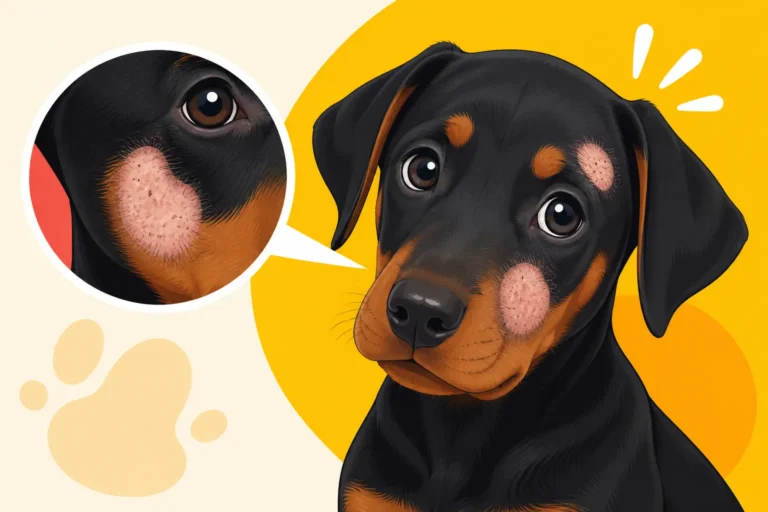
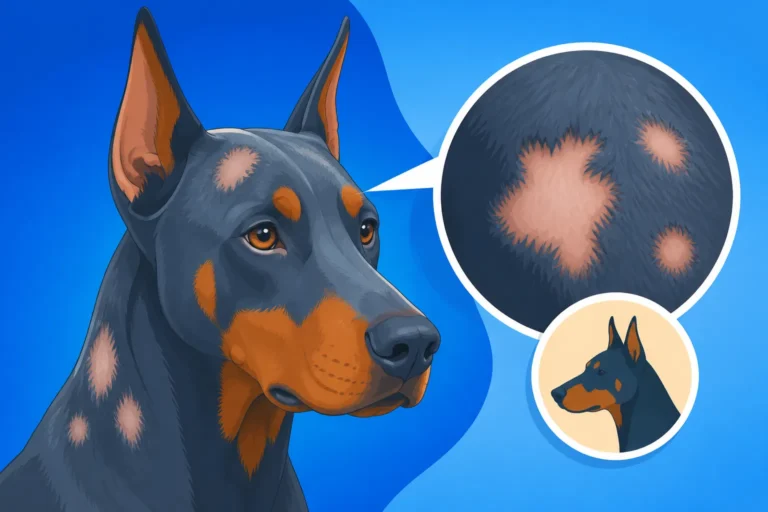
The onset and severity of CDA can vary. Typically, symptoms start appearing when the dog is between six months and three years old, though some might show signs earlier or later. The first noticeable sign is usually a thinning of the coat, often beginning on the back, flanks, and ears. The hair becomes dull, brittle, and breaks easily, leading to bald patches. It’s not just thinning; sometimes the hair will grow in, but it’s sparse and coarse, often described as a "wire brush" texture. Many owners notice their dog has Hair Loss on a Blue Doberman in specific areas.
As the condition progresses, the bald areas become more prominent, and the skin in these regions can become dry, flaky, and scaly. This is where the real discomfort begins. The damaged follicles and compromised skin barrier make the dog highly susceptible to secondary bacterial infections (pyoderma) and fungal infections. These infections cause itching, redness, bumps, and can be quite painful. Imagine having constantly itchy, irritated skin that breaks out in infections easily; that's the reality for many blue Dobermans with severe CDA. It’s a chronic condition that requires lifelong management and attentive care to keep the dog comfortable.
Impact on Daily Life for a Blue Doberman
Living with a blue Doberman affected by CDA means a significant commitment to their ongoing care. The constant itching and discomfort from dry skin and recurrent infections can be distressing for the dog. They might chew, lick, or scratch at themselves excessively, leading to further skin trauma and compounding the problem. This isn't just a physical burden; chronic discomfort can affect a dog's temperament and overall well-being.
Owners often find themselves managing a delicate balance of medicated shampoos, topical treatments, antibiotics for infections, and supplements to support skin health. Walks in harsh weather become a consideration; sun exposure can lead to sunburn on bald patches, and cold weather can exacerbate dry, flaky skin. Think about having to put Sun Protection for a Thin-Coated Doberman on your dog before a simple walk, or needing to invest in Sweaters for a Doberman That Has Lost Coat even indoors if your home is chilly. This isn't just about aesthetics; it's about protecting very vulnerable skin. Pet insurance providers like Healthy Paws can be a lifesaver here, as the recurring vet visits and medications for chronic skin issues can quickly add up, turning what seems like a minor aesthetic concern into a substantial financial commitment.
The Health and Lifespan Implications Beyond CDA
While CDA is the most prominent health concern directly linked to the blue coat, the underlying genetic factors and compromised skin integrity can lead to a host of other related issues. It's not just about hair loss; it's about a dog whose primary protective barrier – its skin – is inherently weaker and more prone to problems. This can impact their overall health and well-being in subtle yet significant ways.
Increased Susceptibility to Skin Infections
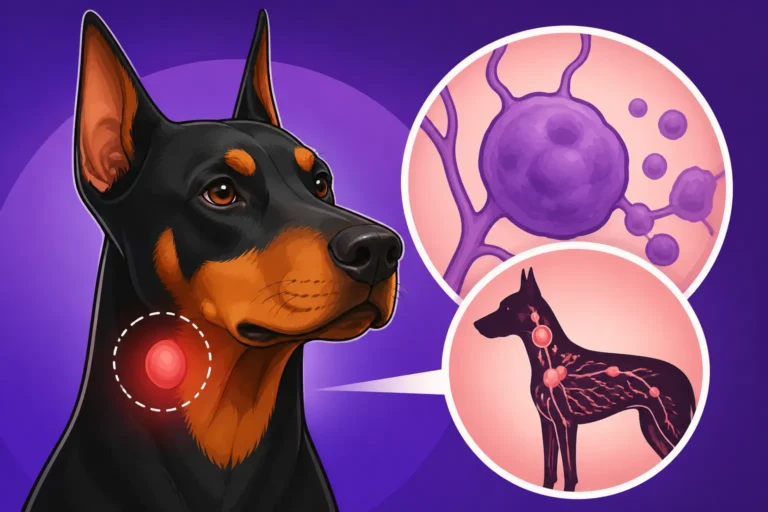
Because CDA results in abnormal hair follicles and a compromised skin barrier, blue Dobermans are particularly prone to recurrent skin infections. The broken hair shafts can trap bacteria and yeast, creating a perfect breeding ground for these opportunistic pathogens. These infections, known as pyoderma or yeast dermatitis, aren't just superficial; they can be deep, painful, and challenging to clear. You might find your dog developing Skin Infections in a Bald Doberman frequently, requiring veterinary attention.
Symptoms often include red, inflamed skin, pustules, scabs, a greasy coat texture, and a distinct odor. The dog will likely be extremely itchy, leading to more scratching and self-trauma, creating a vicious cycle. Treating these infections typically involves long courses of antibiotics or antifungals, medicated baths, and topical treatments. It’s not uncommon for blue Doberman owners to have a standing appointment at their vet or dermatologist because these flare-ups are so frequent. These repeated treatments contribute significantly to the Skin Care Costs for a Blue Doberman, making it an important factor to consider in the overall expense of ownership.
The Challenge of Managing Chronic Conditions
Having a blue Doberman means you are very likely signing up for a lifetime of managing chronic skin issues. CDA is not curable, only manageable. This means consistent, proactive care is essential. It's a continuous commitment that goes beyond standard grooming for a typical Doberman coat, which already doesn’t have an undercoat. You’ll need to be vigilant for any changes in their skin, quickly addressing new patches of hair loss, redness, or signs of itching.
This ongoing management often involves frequent vet visits, sometimes with a veterinary dermatologist. Your vet might recommend specialized diets, omega-3 fatty acid supplements, regular Medicated Baths for a Doberman With Coat Loss, and always having certain medications on hand for inevitable flare-ups. The goal is to minimize discomfort and prevent severe secondary infections, but it's a marathon, not a sprint. This consistent need for care can be emotionally taxing for owners who just want their beloved pet to be healthy and happy. It's a reminder that Dobermans, in general, can have various health issues. Owners often need to be prepared for the The Doberman Years When Everything Shows Up, and for blue Dobermans, skin issues can unfortunately be among the earliest and most persistent. Having pet insurance, like a comprehensive plan from Healthy Paws, can certainly alleviate some of the financial burden associated with these chronic care requirements, ensuring you can always provide the best treatment without hesitation.
Making an Informed Decision About a Blue Doberman
Given the specific health challenges associated with blue Dobermans, it's really important to approach the decision to acquire one with open eyes and a full understanding of the commitment involved. While their appearance is striking, their well-being will require extra attention, care, and potentially significant financial resources throughout their life.
Questions to Ask a Breeder (If Considering)
If you're still considering a blue Doberman, finding a truly reputable breeder is paramount. Unfortunately, the allure of "rare" colors can attract unscrupulous breeders who prioritize profit over health. Here are critical questions to ask:
- What is their experience with blue Dobermans and CDA? A responsible breeder will openly discuss CDA, not shy away from it, and explain how they manage it in their lines.
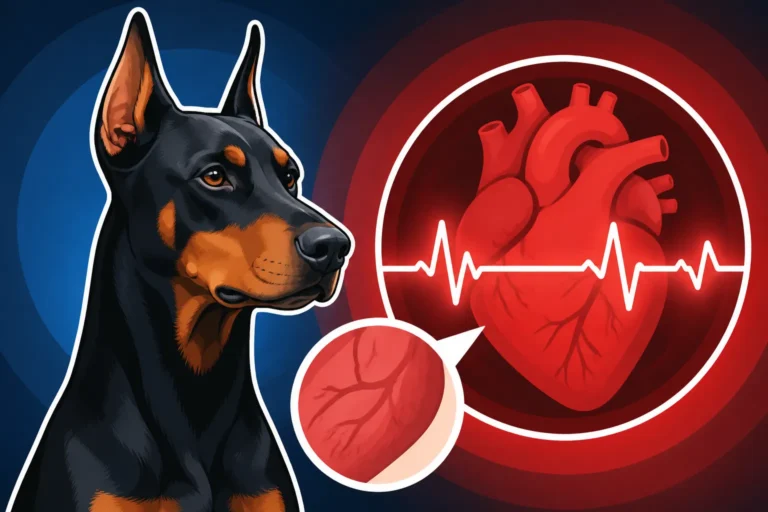
- Can they provide health clearances for the parents? While there isn't a specific genetic test for CDA that tells you if a dog will get it (the dilute gene itself is the indicator), you should still ask about other common Doberman health screenings like those for The Heart Disease That Reaches Most Dobermans, Von Willebrand Disease, and thyroid issues. A breeder who health tests for everything else demonstrates a commitment to overall health.
- What is their guarantee regarding CDA or other genetic conditions? Understand their policies if a puppy develops severe CDA.
- Can you see previous blue puppies from their lines? Ask for photos or contact information for owners of older blue Dobermans they've bred, to get a realistic idea of coat quality as they age.
- Do they belong to breed clubs? Reputable breeders are usually members of breed clubs (e.g., Doberman Pinscher Club of America) that uphold ethical breeding standards.
- What is their stance on the health of blue Dobermans overall? Listen carefully to their answers. Do they minimize the risks, or are they honest about the potential challenges?
Remember, a responsible breeder's primary goal is the health and welfare of their dogs, not just producing a certain coat color. Be wary of anyone selling blue Dobermans at inflated prices simply because of their color, especially if they don't have extensive health testing to back up their lines.
The Commitment Required for a Blue Doberman
Choosing a blue Doberman means accepting the high likelihood of managing a chronic skin condition. This is a long-term commitment that impacts your time, your wallet, and your dog’s comfort. You’ll need to be prepared for:
- Regular veterinary care: This goes beyond annual check-ups. Expect more frequent visits for skin issues, especially during flare-ups.
- Specialized grooming and skin care: This includes medicated baths, special shampoos, conditioners, and potentially topical treatments or creams. The frequency of Washing a Doberman Without Stripping Its Skin might increase, requiring careful product selection.
- Financial investment: The costs for medications, special diets, veterinary dermatologists, and even protective clothing for your dog can be substantial over their lifetime. This is where a robust pet insurance policy, like those offered by Healthy Paws, becomes less of an option and more of a necessity. Having reliable insurance can help you afford the best possible care without having to make heartbreaking financial decisions.
- Patience and vigilance: Managing chronic itching and discomfort requires a great deal of patience. You’ll need to be vigilant in monitoring your dog’s skin and adjusting their care routine as needed.
It’s about understanding that the beautiful blue coat comes with a caveat, and you must be willing and able to meet those specific needs.
Considering a Blue Doberman Rescue
If your heart is set on a blue Doberman but you're hesitant about contributing to breeding practices that might perpetuate health issues, or you simply want to provide a loving home to a dog in need, considering a Doberman rescue is an excellent option. Many blue Dobermans end up in rescues precisely because their previous owners were unprepared for the challenges of CDA.
When adopting from a rescue, you often get a dog whose existing health issues are already known, and the rescue organization can provide a lot of insight into their specific needs. They can tell you about their temperament, their history with CDA, and what kind of routine they've been on. This transparency can be incredibly valuable. Rescues like the Doberman Pinscher Rescue America (DPRA) often have blue Dobermans available, and adopting from them means giving a second chance to a dog that might otherwise struggle to find a home. These organizations are also great resources for ongoing support and advice on managing a Doberman with special needs.
Doberman Coat Colors and Associated Skin Issues
| Coat Color | Genetic Basis | Common Health Concern | Symptoms | Management |
|---|---|---|---|---|
| Black & Rust | Dominant Black (BB) | Generally robust coat | Minimal coat-related issues; standard Doberman skin care. | Regular grooming, balanced diet. |
| Red & Rust | Recessive Red (bb) | Generally robust coat | Minimal coat-related issues; standard Doberman skin care. | Regular grooming, balanced diet. |
| Blue & Rust | Diluted Black (dd) | Color Dilution Alopecia (CDA) | Progressive hair loss, brittle hair, dry/flaky skin, recurrent skin infections. | Medicated shampoos, topical treatments, antibiotics, environmental protection, lifelong management. |
| Fawn & Rust | Diluted Red (dd bb) | Color Dilution Alopecia (CDA) | Similar to blue, often with less pronounced hair loss but persistent dry skin and infections. | Similar to blue, lifelong management. |
| White (Albino) | Albinism Gene (cc) | Severe Photosensitivity, Skin Cancer, Vision Issues | Lack of pigment, light sensitivity, poor vision, high risk of sunburn and skin cancer. | Strict sun protection, specialized eye care, regular vet checks for skin abnormalities. |
Ultimately, the decision to buy a blue Doberman comes down to a thorough understanding of their unique genetic predispositions and a realistic assessment of your ability to provide the specialized care they will almost certainly need. They are magnificent dogs, but their captivating color often comes with a significant health trade-off.
Disclaimer
This article is for general informational purposes only and does not constitute professional advice. Laws, prices and regulations vary by location and change over time. Consult a qualified professional for guidance on your specific situation.