Light Sensitivity in an Albino Doberman
It's incredibly frustrating and heartbreaking to watch your beloved Doberman puppy squint, shy away from the sun, or constantly rub their eyes, all because the world is just too bright for them. For owners of Albino Dobermans, dealing with intense light sensitivity, also known as photophobia, is a daily challenge that impacts every aspect of their dog's life. This comprehensive guide will delve into why your white Doberman struggles with light and, more importantly, equip you with actionable strategies to help them live a comfortable, happy life.
The Science Behind Albino Doberman Light Sensitivity
When you look into the unique, often stunning blue eyes of an Albino Doberman, you're seeing a direct result of a genetic condition that profoundly impacts their vision and overall well-being. This isn't just about pretty eyes; it's about a fundamental lack of protection from the environment.
Understanding Albinism in Dobermans
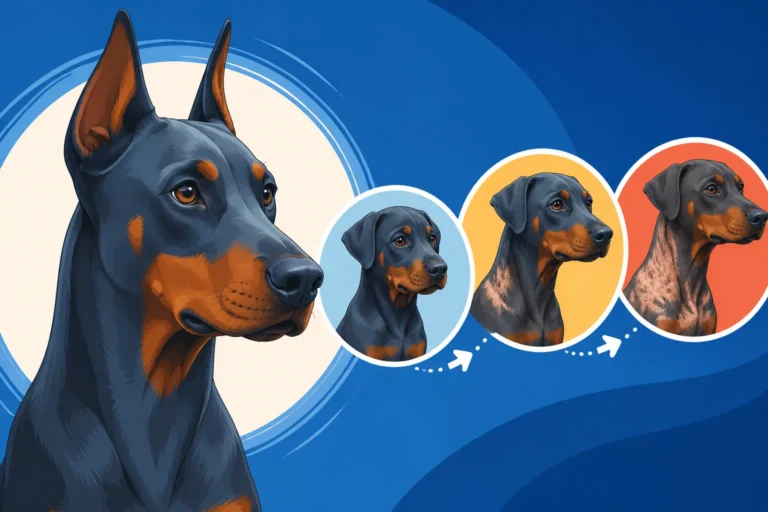
Albinism in Dobermans is a genetic condition caused by a mutation in the tyrosinase gene, which is essential for producing melanin. Melanin is the pigment responsible for color in skin, hair, and eyes. Without functional tyrosinase, an Albino Doberman cannot produce melanin, leading to their characteristic white coat, pink nose and paw pads, and distinctively pale blue or sometimes even pinkish eyes. This isn't just a cosmetic trait; it's a medical condition with significant health implications. The total absence of melanin leaves them highly vulnerable to external elements, particularly sunlight, making their care a dedicated undertaking. It's a key distinction from other color dilute Dobermans like blues and fawns, who have some pigment, just less of it. For more on the general health challenges associated with their unique genetics, you might want to read about Albino Dobermans and Their Health Problems.
How Melanin Protects the Eye
In a normally pigmented Doberman, melanin plays a crucial protective role within the eyes. The iris, the colored part of the eye, contains melanin that helps control the amount of light entering the pupil, much like the aperture of a camera. The retina, at the back of the eye, also has a layer of pigmented cells (the retinal pigment epithelium) that absorbs stray light and reduces glare, ensuring sharp vision. This melanin acts as a natural "sunglass," shielding the delicate photoreceptor cells from excessive light.
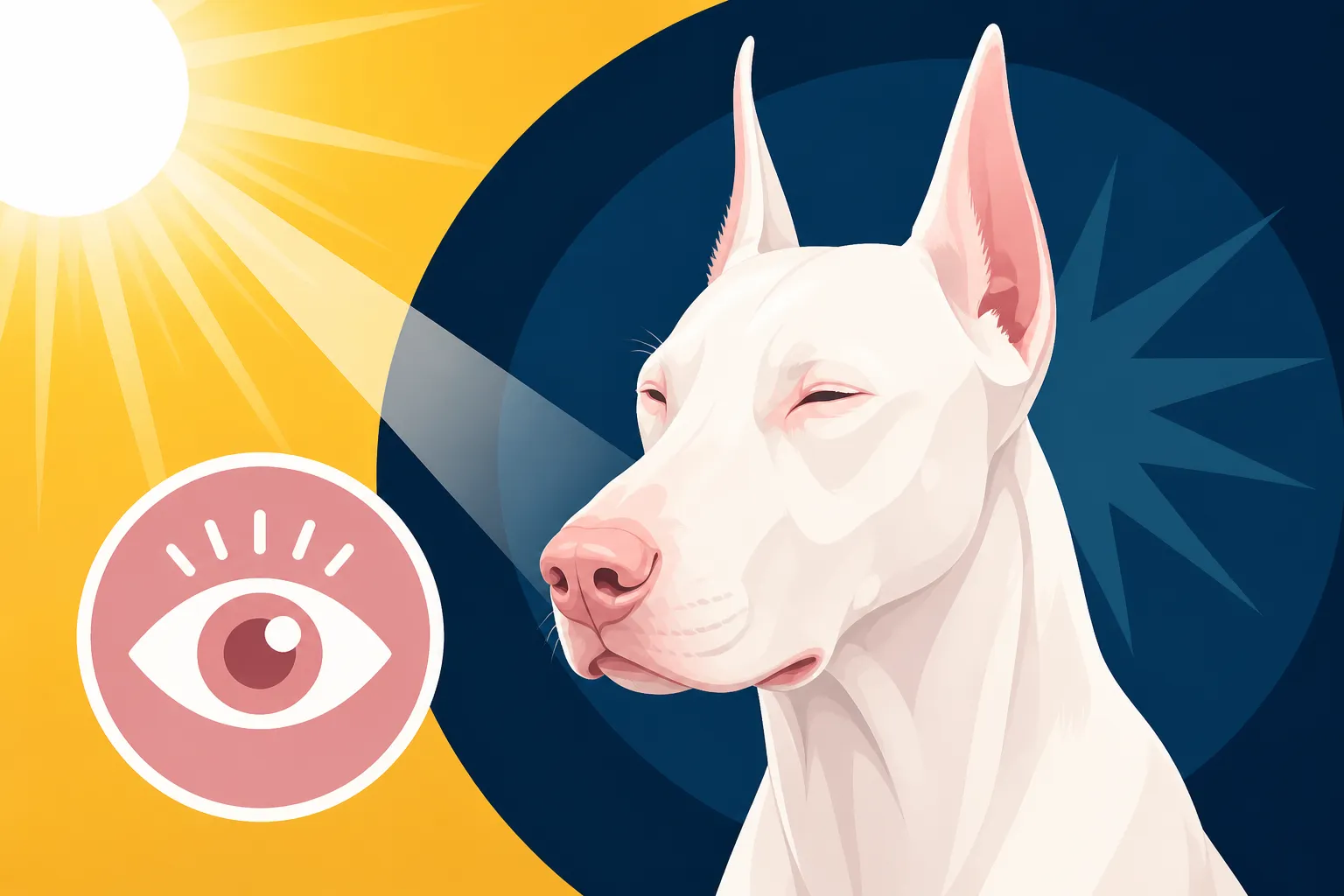
For an Albino Doberman, this natural shield is entirely absent. Their irises lack pigment, meaning they cannot effectively constrict to block out light, allowing too much unfiltered light to flood the retina. This intense light causes discomfort, pain, and makes it difficult for them to focus, leading to the constant squinting and aversion to bright areas you often observe. Imagine trying to see clearly while looking directly into a bright flashlight; that's often what an albino Doberman experiences on a sunny day or in a brightly lit room.
Visual Impairment Beyond Just Brightness
The challenges for an Albino Doberman's vision extend far beyond mere light sensitivity. The lack of melanin in their eyes leads to several functional impairments that affect their visual acuity and overall perception of the world. Because there's no pigment to absorb and scatter light within the eye, the light hits the retina in a diffuse and unfocused way. This means their vision is often quite blurry and less sharp than a pigmented dog's.
Many Albino Dobermans also exhibit nystagmus, which is an involuntary, rapid, rhythmic oscillation of the eyeballs. This "wobbling" motion is a direct result of the brain trying to compensate for the poor visual input it's receiving, making it even harder for the dog to fixate on objects or track movement. In some cases, strabismus, or crossed eyes, can also be present. These issues collectively mean that an Albino Doberman might struggle with depth perception, judging distances, or even recognizing familiar faces from afar, necessitating a very patient and understanding approach to their training and daily interactions.
Recognizing the Signs and Impact of Photophobia
Identifying when your Albino Doberman is experiencing discomfort due to light is crucial for their well-being. Sometimes the signs are obvious, but other times they can be more subtle, indicating a chronic struggle with their environment. Being observant of these cues allows you to intervene and provide relief.
Behavioral Cues of Light Discomfort
Your Albino Doberman will often tell you they're uncomfortable with light through their actions. The most common and easily spotted sign is excessive squinting, especially when they move from a darker area into a brighter one, or if they're outdoors on a sunny day. They might also shy away from direct sunlight, seeking out any available shade in the yard or even trying to burrow under blankets or furniture indoors. You might notice them rubbing their eyes frequently with their paws, indicating irritation. Some dogs will even manifest their discomfort as a general reluctance to go outside during daylight hours, preferring dawn, dusk, or nighttime walks. A Doberman who usually loves their walk suddenly putting on the brakes at the back door when the sun is out is a clear indicator. They might hold their head down or turn their face away from light sources. These behaviors are a direct contrast to the confident, outgoing nature of a typical Doberman who might eagerly soak up the sun.
Physical Manifestations and Secondary Issues
Beyond behavioral changes, there are physical signs that indicate chronic or acute light exposure is affecting your Albino Doberman. Their eyes might appear red, watery, or inflamed, sometimes accompanied by excessive tearing as their body tries to flush out the irritant (light, in this case). Chronic squinting can also lead to muscle tension around the eyes and face, potentially causing discomfort or even headaches, though these are harder to diagnose in dogs.
Furthermore, the lack of melanin in their skin, particularly around the eyelids and nose, makes them highly susceptible to sunburn. Just like fair-skinned humans, their delicate pink skin can easily burn, leading to redness, peeling, and even blistering. Repeated sunburns can significantly increase the risk of skin cancer later in life. If you notice persistent redness, crusting, or painful-looking areas around their eyes or on their nose, it’s imperative to consult your veterinarian. These issues often require medical intervention, and it's good to know that pet insurance providers like Healthy Paws can help cover unexpected vet bills for treatment of conditions stemming from albinism, such as severe sunburn or chronic eye irritation. Checking on their Why an Albino Doberman Burns and Blisters article can offer more in-depth information.
Long-Term Consequences of Unmanaged Exposure
Ignoring the signs of light sensitivity in an Albino Doberman isn't an option if you want them to have a good quality of life. Unmanaged, continuous exposure to bright light can lead to a host of long-term health problems. The constant assault of UV radiation on unpigmented ocular tissues significantly increases the risk of retinal damage, which can further degrade their already compromised vision over time. They are also at a higher risk for developing cataracts at a younger age or other degenerative eye conditions.
Beyond the eyes, the cumulative effect of sun exposure on their unpigmented skin can lead to chronic skin irritation, infections, and, most concerningly, an elevated risk of skin cancers, including squamous cell carcinoma. The continuous discomfort and pain from photophobia can also profoundly impact their mental well-being, leading to anxiety, stress, and a general reluctance to engage in activities they might otherwise enjoy. This isolation can foster behavioral issues and significantly diminish their overall quality of life, making proactive management not just beneficial, but absolutely essential.
Practical Strategies for Managing Light Sensitivity
Living with an Albino Doberman means actively managing their environment to minimize their discomfort and protect their delicate skin and eyes. It requires a thoughtful and consistent approach, but the rewards are a happier, more confident companion.
Creating a Low-Light Environment Indoors
Your home should be a sanctuary for your Albino Doberman, a place where they feel safe and comfortable regardless of the weather outside. To achieve this, strategic modifications to your indoor environment are key. Installing blackout curtains or blinds in rooms where your Doberman spends a lot of time can make a huge difference. These block out harsh sunlight and create a consistently dimmer, more soothing atmosphere.
Consider using softer, ambient lighting rather than bright overhead lights, especially during the day. Providing designated "safe zones" with extra shade, like a cozy crate draped with a blanket or a dog bed tucked into a quieter, darker corner, gives them a personal retreat. This allows them to self-regulate their light exposure when they feel overwhelmed. Consistency is also important; maintaining a predictable environment helps reduce their stress and allows them to navigate their surroundings with greater confidence, even with their reduced vision.
Outdoor Protection and Exercise Considerations
Taking your Albino Doberman outdoors requires a careful balance of exercise, stimulation, and rigorous protection. The most effective tool for protecting their eyes is a good pair of dog-specific goggles, often referred to as "Doggles" or similar brands. These come with UV-protective lenses and are designed to fit a dog's facial structure. Introducing them slowly with positive reinforcement is essential; start with short periods, associate them with treats and praise, and gradually increase wear time. This proactive approach is a cornerstone of managing their outdoor life.
Timing outdoor activities is equally important. Plan walks and playtime for early morning or late evening hours, when the sun's intensity is much lower. Avoid midday sun entirely. When you do go out, stick to shaded routes – think tree-lined streets, dog parks with mature trees, or trails through wooded areas. For their delicate skin, especially on the nose and around the eyes, apply a dog-safe sunscreen. Look for brands specifically formulated for pets, free from zinc oxide or para-aminobenzoic acid (PABA), which can be toxic if ingested. This combination of protective gear, smart scheduling, and appropriate sunblock creates a safer outdoor experience for your sensitive companion. Investing in a good quality dog coat, even for temperate weather, can also help shield their body, similar to how one might consider whether a Doberman needs a raincoat for inclement weather.
Veterinary Care and Ongoing Monitoring
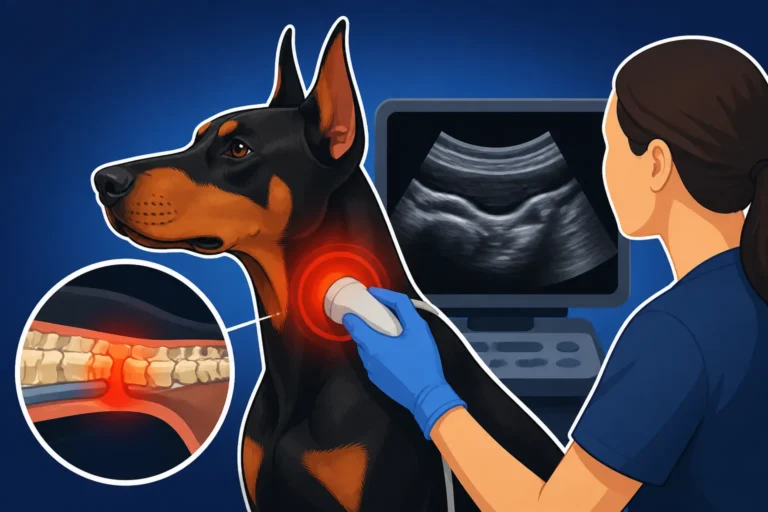
Consistent and proactive veterinary care is paramount for an Albino Doberman. Regular eye exams by a veterinary ophthalmologist are crucial to monitor for any signs of UV damage, cataracts, or other eye conditions that might develop or worsen over time. These specialists can also provide guidance on appropriate lubricating eye drops or other supportive treatments to keep their eyes comfortable and healthy. Don't underestimate the power of these routine checks in catching potential issues early.
Beyond eye care, regular check-ups with your primary veterinarian are important to monitor their skin for any suspicious lesions or changes that could indicate sun damage or pre-cancerous conditions. Discuss the best dog-specific sunscreens and any dietary supplements that might support overall skin and eye health. Insurance providers like Healthy Paws can be invaluable here, often covering a significant portion of these specialist visits, diagnostic tests, and prescribed medications, which can quickly add up over the lifetime of a dog with chronic health considerations. This foresight in pet health planning can really ease the financial burden for serious conditions, reinforcing why it's worth considering when you own a Doberman with unique needs. For more on comprehensive care, especially concerning their vulnerable skin, exploring advice on a daily skin routine for a thinning blue Doberman can offer related insights.
Here's a quick reference for managing light sensitivity:
| Area of Concern | Challenge Faced | Recommended Strategy | Specific Tools/Tips |
|---|---|---|---|
| Indoor Comfort | Intense glare from windows, bright overhead lights | Create a controlled, dim environment | Blackout curtains/blinds, soft ambient lighting, cozy dens/crates |
| Outdoor Safety | UV radiation causing eye discomfort and sunburn | Minimize exposure, provide physical protection | Dawn/dusk walks, shaded routes, dog-safe goggles (Doggles), pet sunscreen |
| Visual Impairment | Blurry vision, nystagmus, difficulty tracking | Adjust expectations, enhance other senses | Consistent routines, scent work, verbal cues, tactile play |
| Skin Health | High risk of sunburn and skin cancer | Consistent protection and monitoring | Sunscreen on exposed areas, protective clothing, regular vet checks for lesions |
| Overall Well-being | Anxiety, stress, reduced quality of life due to discomfort | Holistic approach to care, positive reinforcement | Mental enrichment, predictable environment, strong human bond, adequate veterinary support |
Living Happily with an Albino Doberman
Owning an Albino Doberman is a unique journey that comes with its own set of responsibilities and immense rewards. While their health challenges, particularly light sensitivity, require diligent management, these dogs can absolutely thrive with the right care and a loving home.
Addressing Misconceptions and Advocating for Your Dog
One of the biggest hurdles you might face as an owner of an Albino Doberman is dealing with public misconceptions. Many people don't understand albinism and might mistakenly believe these dogs are inherently aggressive, sickly, or "flawed." It's important to remember that albinism is a genetic condition, not a personality defect or a sign of poor breeding in terms of temperament. Albino Dobermans, like all Dobermans, are intelligent, loyal, and capable of forming deep bonds with their families. They can be just as sweet and devoted as any other Doberman, provided they are raised with proper socialization and training.
Your role extends to being a powerful advocate for your dog. Be prepared to gently educate others about their condition and needs. Explain why they wear goggles, why they avoid direct sunlight, or why they might not make direct eye contact in bright situations. This not only protects your dog but also helps dispel myths and promotes a better understanding of these special canines. Connecting with other owners of albino or special needs dogs can also provide invaluable support and shared wisdom. For instance, discussions around whether to buy a blue Doberman at all often touch upon the responsibilities that come with specific genetic traits.
Enriching Their Lives Beyond Bright Light
While light sensitivity restricts some activities, it doesn't mean your Albino Doberman can't live a full and rich life. The key is to shift focus to activities that stimulate their other senses and mental capabilities. Nose work, for example, is an excellent way to engage their powerful sense of smell. Hide treats or their favorite toys around the house or yard (in shaded areas), and let them sniff them out. Puzzle toys that dispense treats when manipulated are also fantastic for mental stimulation, keeping their clever Doberman minds engaged even when physical activity is limited.
Obedience training can continue in controlled, low-light indoor environments, building their confidence and strengthening your bond. Incorporate plenty of touch-based play and auditory cues, as these senses become even more important for them. A predictable routine for feeding, playtime, and potty breaks helps them navigate their world with less anxiety. Above all, the constant presence, affection, and strong connection you provide are paramount. These dogs thrive on human companionship, and your patience and understanding will allow their wonderful personalities to shine, regardless of their visual challenges. This devotion is really what defines the owner a Doberman actually needs, emphasizing a commitment to meeting their specific requirements.
Disclaimer
Please remember that this article provides general information and should not be considered a substitute for professional veterinary advice. Always consult with a qualified veterinarian or a veterinary ophthalmologist for any health concerns or before making any decisions about your Doberman's medical care.