Why a Doberman Heart Result Ends Coverage
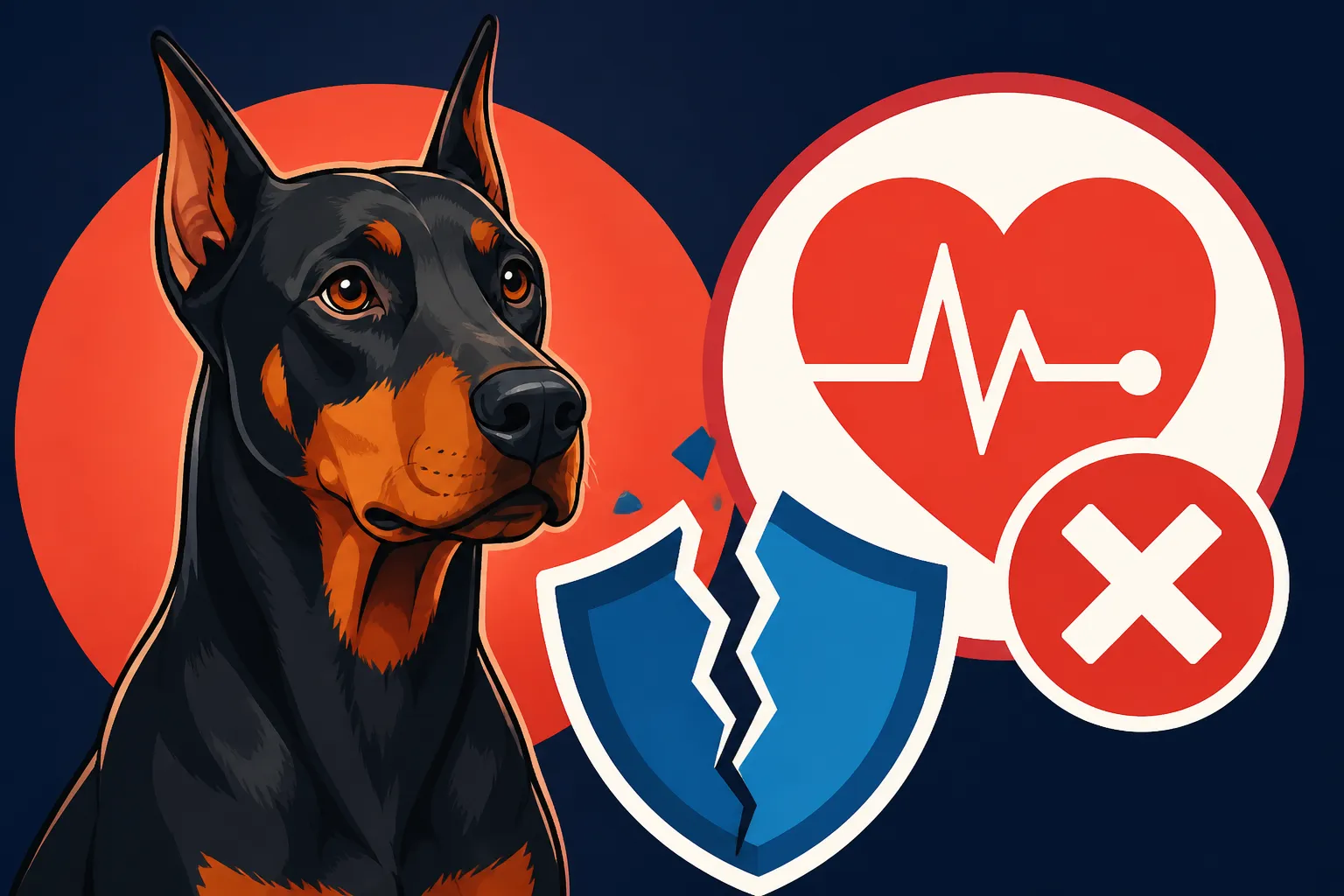
It’s a heartbreaking reality many Doberman owners face: you invest in pet insurance, diligently pay your premiums, and then, when your beloved Doberman finally gets that devastating heart disease diagnosis, you discover your policy won't cover a dime. This isn't just a frustration; it’s a punch to the gut that leaves you feeling betrayed and financially vulnerable. This guide is here to shed light on why a Doberman's heart condition often becomes a 'pre-existing' exclusion, how insurance companies determine coverage, and what you can do to navigate these challenging waters.
The Unspoken Truth About Doberman Hearts and Insurance
Doberman Pinschers are, without a doubt, one of the most magnificent and loyal breeds. Their striking appearance and intelligent demeanor capture hearts globally. However, beneath that sleek coat and dignified presence lies a significant health vulnerability: Dilated Cardiomyopathy (DCM). This inherited heart condition is alarmingly prevalent in the breed, making it a primary concern for responsible owners and, naturally, for pet insurance providers.
DCM's Shadow Over the Breed
Dilated Cardiomyopathy is a progressive disease where the heart muscle weakens and becomes enlarged, losing its ability to pump blood efficiently. It often remains silent for years, showing no outward symptoms until it reaches an advanced stage. This "silent phase" or occult phase is particularly insidious because your Doberman can appear perfectly healthy while irreversible damage is occurring within their heart. Unfortunately, for Doberman owners, the question isn't if DCM might appear, but often when it will surface. Studies have shown that a significant percentage of Dobermans will develop DCM in their lifetime, with estimates suggesting anywhere from 40% to over 50% of the breed is affected. This stark reality means that when an insurer looks at a Doberman, they're assessing a much higher risk profile for heart disease than for many other breeds. To learn more about this prevalent issue, you might want to read The Heart Disease That Reaches Most Dobermans.
The Insurer's Risk Assessment
From an insurance company's perspective, Dobermans present a unique challenge. Unlike a sudden accident, DCM is a chronic, progressive condition with a known genetic predisposition within the breed. Insurers operate on risk assessment: they calculate the likelihood of a claim and price their policies accordingly. Because DCM is so common in Dobermans, it's often flagged as a breed-specific concern, much like hip dysplasia in German Shepherds or breathing issues in Bulldogs. This inherent breed risk significantly influences how policies are structured, what's covered, and what's explicitly excluded. They know that a Doberman's annual veterinary bills are likely to include specific heart screenings, which are costly, and eventual medication regimens, which can be even more so.
How Pet Insurance Works: The Pre-Existing Condition Clause
The term "pre-existing condition" is where most Doberman owners hit a wall with their pet insurance. It's a fundamental concept in the insurance world, and understanding its nuances is crucial, especially when dealing with a breed prone to silent diseases.
Defining "Pre-Existing" for Heart Conditions
Generally, a pre-existing condition is any illness or injury that showed signs or symptoms, or was diagnosed by a veterinarian, before your insurance policy's effective date or the end of its waiting periods. This definition often feels straightforward for a broken leg or a clear infection. However, for DCM, it gets incredibly tricky. Because Dobermans can have occult DCM for years without visible signs, an insurance company might argue that even if your vet hadn't diagnosed it yet, subclinical signs existed in their medical records, or the genetic predisposition itself counts.
For instance, if your vet noted a heart murmur (even a mild one) during a routine check-up before you enrolled in a policy, and later your Doberman is diagnosed with DCM, the insurer could classify the DCM as pre-existing because the murmur was an initial "sign or symptom." This is even if the murmur was thought to be benign at the time. The devil is truly in the details of your Doberman's vet records and the specific wording of your policy. It's not about being malicious; it's about the contractual agreement and the insurer's definition of risk.
The Waiting Periods That Matter
Every pet insurance policy comes with waiting periods – a set amount of time you must wait after enrolling before certain conditions are covered. These periods vary by insurer and by the type of condition.
- Accident Waiting Periods: Usually shorter, often just a few days to two weeks.
- Illness Waiting Periods: Typically longer, ranging from 14 to 30 days.
- Orthopedic/Specialty Waiting Periods: Some policies have even longer waiting periods (e.g., 6 months to a year) for conditions like hip dysplasia or cruciate ligament injuries. While not directly heart-related, it highlights that insurers are cautious about specific high-cost conditions.
For Doberman heart conditions, the illness waiting period is the most relevant. If your Doberman is diagnosed with DCM before this period ends, or if any signs of heart trouble appear within this window, the condition will be deemed pre-existing, and subsequent treatment won't be covered. This makes early enrollment incredibly important. If you’re looking into getting a Doberman covered, consider researching providers like Healthy Paws which are known for their comprehensive plans, but always dive deep into their specific waiting periods and exclusions.
Common Pet Insurance Waiting Periods Table
| Condition Type | Typical Waiting Period Range | Doberman Heart Impact |
|---|---|---|
| Accidents | 1-15 days | Generally not impacted |
| Illnesses | 14-30 days | Critical for DCM coverage |
| Orthopedic Issues | 30 days – 1 year | Can be longer than standard illnesses |
| Cruciate Ligament | 6 months – 1 year | Specific longer waiting periods common |
The Critical Timing of Doberman Heart Screening
The timing of heart screening for Dobermans is a double-edged sword when it comes to insurance. On one hand, early screening can catch DCM in its occult phase, potentially allowing for life-extending medication. On the other hand, a positive finding, even if subclinical, can instantly trigger the pre-existing clause.
When Doberman Heart Disease Usually Starts
DCM in Dobermans typically manifests in middle to older age, often between 4 to 8 years old, though it can sometimes appear earlier or later. Many breeders and cardiologists recommend starting annual heart screenings around 2-3 years of age. This means a Doberman could have years of undiagnosed, subclinical heart disease before they're old enough to show overt symptoms or even before the recommended screening age begins. This window is exactly where insurance coverage can become problematic. For a deeper understanding of the age at which the disease usually starts, you can refer to The Age Doberman Heart Disease Usually Starts.
If you enroll your Doberman in pet insurance at, say, 3 years old, and they haven't had any prior heart screenings or symptoms, that's often ideal. However, if the first screening at 3.5 years old reveals early DCM, that diagnosis immediately makes it a pre-existing condition, even though you just got the policy. This is why many experienced Doberman owners stress the importance of Getting a Doberman Covered Before the First Echo.
The Echo and Holter: Screening Milestones
The primary diagnostic tools for Doberman DCM are the echocardiogram (echo) and the 24-hour Holter monitor.
- Echocardiogram (Echo): This ultrasound of the heart allows a veterinary cardiologist to visualize the heart's structure and function, measure chamber sizes, and assess blood flow. Changes indicative of DCM, such as left ventricular enlargement, can often be detected before a dog shows symptoms.
- 24-Hour Holter Monitor: This portable ECG device records the heart's electrical activity over a full day, capturing any irregular heartbeats (arrhythmias) that might be missed during a brief veterinary exam. These arrhythmias, especially ventricular premature contractions (VPCs), are often early indicators of DCM in Dobermans.
When your Doberman undergoes these screenings, the results become part of their official veterinary record. If these tests show any abnormalities related to cardiac health, even mild ones that don't yet require medication, an insurer can use this to deny future claims for DCM. This is why the recommendation for Annual Echo and Holter Screening for a Doberman becomes a critical point of contention with insurance policies. The very act of doing the responsible thing for your Doberman's health can inadvertently trigger an insurance exclusion if not handled strategically with early policy enrollment.
Reading Between the Lines: Policy Language and Exclusions
It’s easy to gloss over the fine print in insurance policies, but with Dobermans and their predisposition to DCM, it’s absolutely vital to scrutinize every word. What seems like a minor detail can translate into thousands of dollars in uncovered medical bills.
Exclusion Clauses You Might Miss
Beyond the general pre-existing condition clause, some pet insurance policies may contain more specific exclusions, or their definition of a pre-existing condition might be incredibly broad.
- Genetic or Hereditary Conditions: Some policies might have clauses that limit or exclude coverage for conditions known to be genetic or hereditary in a breed. While not common with top-tier providers, it's worth checking. DCM is unequivocally a hereditary condition in Dobermans.
- Bilateral Conditions: If a condition affects both sides of the body (like hip dysplasia), some policies might consider it pre-existing on the second side if it was diagnosed on the first. While DCM isn't bilateral in this sense, the concept of a systemic, progressive disease is similar.
- "Curable" vs. "Incurable" Pre-Existing Conditions: Some insurers differentiate. A bladder infection that clears up might not be considered pre-existing for a future, unrelated bladder infection. However, DCM is a chronic, incurable condition, meaning once it's flagged as pre-existing, it’s typically excluded for the life of the policy.
The best pet insurance providers aim for transparency, but the onus is still on the owner to understand what they are signing up for. Before committing to any policy, request a sample policy document and read it carefully, paying close attention to sections on "Exclusions," "Definitions of Illness/Injury," and "Pre-existing Conditions." Don't hesitate to call their customer service and specifically ask about Doberman DCM coverage and their interpretation of any heart murmur or arrhythmia finding.
The Role of Vet Records in Claims
Your Doberman's complete veterinary history is the primary document insurance companies rely on when evaluating a claim. Every visit, every note, every diagnostic test, every prescription—it all gets reviewed.
- Detailed Documentation: If your vet notes "mild heart murmur, recheck in 6 months" years before a DCM diagnosis, that note becomes crucial evidence for the insurer that a cardiac issue "existed" before your policy. Even if the murmur was attributed to anxiety or thought to be innocent, the presence of the notation can be problematic.
- Pre-Enrollment Exams: Some insurers may require a full veterinary exam shortly after enrollment, and the findings from this exam can heavily influence future claims. Any concerns raised during this exam could lead to exclusions.
- Breeder Records: While typically not requested by insurers for basic claims, if a Doberman's breeder health papers show any notations of cardiac issues in the puppy's lineage or initial vet checks (though this is rare), it could theoretically be an issue. However, usually, it's the individual dog's direct medical history that matters.
This is why maintaining clear, thorough communication with your veterinarian is essential. Discuss potential insurance implications of any findings, especially heart-related ones. You might consider asking your vet to be very precise in their notes, distinguishing between incidental findings and actual diagnoses.
Navigating Your Options After a DCM Diagnosis
Discovering your pet insurance won't cover your Doberman's DCM is devastating. It's a moment of profound stress, combining emotional distress over your dog's health with the looming specter of massive vet bills. But don't despair entirely; you still have avenues to explore.
Appealing a Denied Claim
A denial isn't always the final word. Most reputable pet insurance companies have an appeal process.
- Understand the Reason for Denial: The first step is to clearly understand why your claim was denied. Was it a specific date, a particular vet note, or an exclusion in the policy?
- Gather Supporting Documentation: Work with your veterinarian to gather any additional medical records, diagnostic results, or even a letter from your vet explaining their initial findings or the progressive nature of DCM. For example, if a murmur was noted but deemed innocent for years, a letter from your vet explaining why they didn't consider it indicative of DCM at that time could be helpful.
- Submit a Formal Appeal: Follow the insurance company's specific appeal process. This usually involves submitting a written letter detailing your case, backed by your documentation. Be clear, concise, and factual.
- Ombudsman or State Insurance Commissioner: If your appeal is denied internally, you might be able to escalate your case to a state insurance commissioner or an independent ombudsman, though this is a more involved process.
While appealing can be a lengthy and emotionally draining process, it can sometimes result in a favorable outcome, especially if there's ambiguity in your Doberman's records or the policy language. Companies like Healthy Paws typically have clear appeal processes, so make sure to leverage them if you find yourself in this situation.
Finding Aid Beyond Traditional Insurance
When traditional insurance falls through, the financial burden can be immense. However, there are still resources to help manage the substantial costs associated with a Doberman's heart condition.
- Veterinary Payment Plans: Many veterinary clinics, especially specialty cardiology practices, understand the financial strain and offer payment plans. Don't be afraid to ask about options for spreading out large bills.
- CareCredit: This is a credit card specifically designed for health care expenses, including veterinary costs. It often offers deferred interest options for a certain period, which can be a lifesaver for unexpected large bills.
- Breed-Specific Rescues and Foundations: Doberman breed rescues often have funds or can point you toward organizations that offer financial assistance for Dobermans with specific health issues, including DCM. The Doberman Pinscher Club of America (DPCA) and its associated health foundations may also have resources or grants available.
- Crowdfunding: Platforms like GoFundMe or other dedicated pet fundraising sites can help rally support from friends, family, and compassionate strangers.
- Prescription Discount Programs: While not covering vet visits, using discount programs for medications can save a significant amount over time. For ongoing prescriptions like Pimobendan or diuretics, resources like Chewy.com often have pharmacies that provide competitive pricing and direct shipping, which can ease the monthly burden. Similarly, if your vet recommends a specialized diet, some brands available through services like Ollie might also be found with discounts through subscription services.
It's vital to remember that you're not alone in this struggle. Many Doberman owners have walked this path before, and a strong community exists to support you.
Prevention and Planning: Securing Coverage for Your Doberman
The best offense is a good defense, especially when it comes to insuring your Doberman against the specter of DCM. Proactive steps taken early can make all the difference in securing comprehensive coverage.
Early Enrollment Strategies
The single most impactful action you can take to ensure your Doberman's heart condition is covered is to enroll them in a pet insurance policy as early as possible.
- Puppyhood is Key: Ideally, enroll your Doberman puppy as soon as they are past the minimum age requirement, often 8 weeks. At this age, it's highly unlikely they would have any documented signs of DCM, ensuring the condition isn't deemed pre-existing.
- Before First Screenings: If you acquire an adult Doberman, enroll them before any annual heart screenings (echo and Holter) are conducted. As discussed, a clean bill of health after enrollment, but before a diagnosis, is the goal. For more on this, check out Insuring a Doberman Before the Heart Turns.
- No Gaps in Coverage: Once you have a policy, maintain continuous coverage. Lapses can lead to conditions being re-evaluated or new waiting periods.
Think of it this way: pet insurance is designed for unexpected illnesses and accidents. For Dobermans, DCM is an "expected unexpected" illness. The sooner you lock in coverage when their heart is officially clean, the better your chances.
Choosing the Right Policy for Dobermans
Not all pet insurance policies are created equal, especially for a breed with specific health concerns like the Doberman.
- Comprehensive vs. Accident-Only: Always opt for a comprehensive plan that covers illnesses, not just accidents. Accident-only plans are cheaper but won't touch DCM.
- Hereditary and Chronic Conditions Coverage: Confirm that the policy explicitly covers hereditary and chronic conditions. Most reputable plans do, but it’s a crucial detail.
- Review Sample Policies: As mentioned earlier, request and thoroughly read sample policies before purchasing. Pay extra attention to how "pre-existing conditions" are defined and any breed-specific exclusions.
- Talk to Customer Service: Call and directly ask representatives about their policy on Doberman DCM, particularly regarding early murmurs or subclinical findings from Holter tests. Ask hypothetical questions: "If my 3-year-old Doberman gets a clean echo, and then at 5 years old is diagnosed with DCM, will it be covered?"
- Deductibles and Reimbursement Levels: Consider what deductible you can comfortably afford annually and what reimbursement percentage (e.g., 70%, 80%, 90%) best suits your budget. Higher reimbursement means less out-of-pocket, but higher premiums. The overall The Yearly Heart Bill for a Doberman can be quite substantial, so plan accordingly.
- Look for Lifetime Benefits: Some policies have per-condition limits or annual limits. For a chronic disease like DCM, unlimited lifetime benefits are ideal, as treatment can continue for years.
When choosing a policy, don't just look at the premium. Consider the full scope of what's covered, what's excluded, and how the company handles claims for breeds like the Doberman. Investing time upfront in research can save you immense heartache and financial stress down the road.
Disclaimer
This article is for general informational purposes only and does not constitute professional advice. Laws, prices and regulations vary by location and change over time. Consult a qualified professional for guidance on your specific situation.