The Yearly Heart Bill for a Doberman
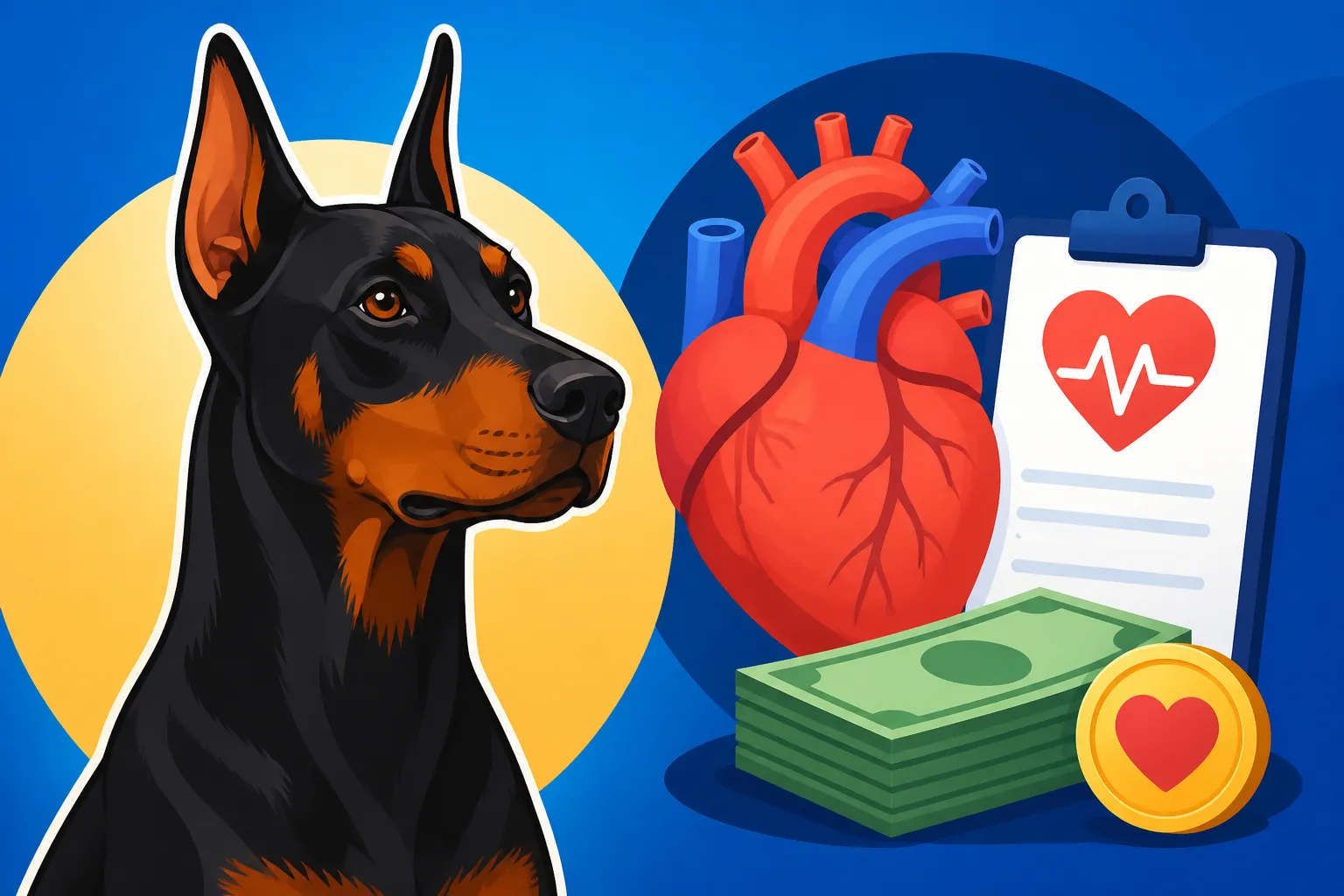
Bringing a Doberman into your life is a commitment filled with immense joy, fierce loyalty, and undeniable love. However, many new and even experienced Doberman owners are often caught off guard by the significant financial implications of their unique health challenges, particularly when it comes to heart health. This comprehensive guide is here to walk you through the realities of the yearly heart bill for a Doberman, covering everything from routine screenings to managing a diagnosis, and helping you prepare for these essential, yet often costly, expenses.
Understanding the Doberman Heart Challenge
It’s a heartbreaking reality that Dobermans are particularly susceptible to certain health conditions, and none is more prevalent or devastating than Dilated Cardiomyopathy (DCM). This isn't just a minor risk; it's a breed-defining issue that impacts a significant portion of Dobermans, often silently progressing before any outward signs appear.
The Prevalence of Dilated Cardiomyopathy DCM in Dobermans
When you talk about Doberman health, DCM inevitably comes up, and for good reason. It's truly The Heart Disease That Reaches Most Dobermans, making it a critical concern for every owner. This isn't just an anecdotal fear among Doberman enthusiasts; studies consistently show that a very high percentage of Dobermans, some estimates putting it at over 50%, will develop DCM in their lifetime. It’s a genetic condition where the heart muscle becomes thin and weak, leading to an enlarged heart that struggles to pump blood effectively.
The insidious nature of Doberman DCM is that it often has an extended "occult phase" where the dog shows no symptoms at all. Your Doberman might be bouncing around, full of energy, seemingly the picture of health, while their heart is quietly undergoing detrimental changes. This hidden progression is why proactive screening is not just recommended, but absolutely vital, as relying solely on visible symptoms means the disease is likely already quite advanced.
This prevalence means that if you own a Doberman, the conversation isn't really if they'll develop heart disease, but when and how aggressively it will manifest. Responsible Doberman ownership inherently includes preparing for this possibility, both emotionally and financially. It’s a part of welcoming this incredible breed into your family, and understanding its genetic predisposition is the first step towards managing their health effectively.
Why Early Detection is So Crucial
The phrase "ignorance is bliss" certainly doesn't apply to Doberman heart health. For a Doberman, early detection of DCM can literally mean years added to their life, and a far better quality of life during those years. The disease progresses through stages, starting with the occult phase where there are no clinical signs, moving to the symptomatic phase (congestive heart failure), and ultimately, often sudden cardiac death.
Detecting DCM in the occult phase, before your Doberman shows any outward signs like coughing, lethargy, or fainting, allows for the introduction of medications that can significantly delay the onset of congestive heart failure. This isn't just about prolonging life; it's about preserving comfort and activity levels for as long as possible. Without early screening, the first sign you notice might be a collapse or severe breathing difficulty, at which point the damage to the heart is substantial, and treatment options are more reactive and less effective in the long term. This is why a Doberman Heart Fails Before Anyone Notices.
Many owners regret not starting screening earlier once their Doberman is diagnosed. They realize that precious time was lost, time when preventive medications could have been working their magic. Early detection through regular screening allows your veterinarian and a veterinary cardiologist to establish a baseline, monitor any changes, and intervene with specific cardiac medications at the optimal time, giving your beloved Doberman the best possible chance against this challenging disease.
Initial Screening Costs: The First Steps
When it comes to Dobermans, "initial screening" isn't a one-time event; it's a commitment that typically begins around two years of age and continues annually throughout their life. These screenings are the cornerstone of early detection and are essential for any Doberman owner who wants to stay ahead of potential heart issues.
The Importance of Annual Echocardiograms
An echocardiogram, often just called an "echo," is essentially an ultrasound of your Doberman's heart. It’s a non-invasive procedure that provides detailed images of the heart's structure, muscle thickness, chamber sizes, and blood flow. This is the gold standard for diagnosing DCM in its early, occult stages, long before any symptoms might appear. Without this visual assessment, a veterinarian can only listen for murmurs or arrhythmias, which often don't become apparent until the disease is already progressed.
The cost of an annual echo can vary significantly based on your geographic location and whether it's performed by your general veterinarian or a board-certified veterinary cardiologist. Expect to pay anywhere from $300 to $600, or even more in major metropolitan areas. These costs can feel substantial year after year, especially when your dog seems perfectly healthy. However, consider it an investment in your Doberman’s future. Finding DCM early means starting medication that can cost less in the long run than emergency interventions, and more importantly, can extend their healthy years.
Many Doberman breeders, recognizing the importance of heart health, will insist on providing documentation of the parents' current cardiac health. When you're looking at Doberman puppies and their first heart check, reputable breeders will show you recent echo results for both sire and dam, often from a veterinary cardiologist, demonstrating their commitment to reducing the incidence of DCM in their lines. This kind of transparency should offer some peace of mind, but it doesn't absolve you of your responsibility to continue annual screenings once your puppy comes home.
What a 24-Hour Holter Monitor Entails
While an echocardiogram provides a snapshot of the heart's structure and function at one moment in time, a 24-hour Holter monitor captures a full day's worth of electrical activity. This is crucial for Dobermans because DCM often manifests as arrhythmias, or irregular heartbeats, long before structural changes are significant enough to be seen on an echo. These arrhythmias can be intermittent and easily missed during a brief vet visit.
The Holter monitor involves fitting your Doberman with a small, lightweight vest that holds the recording device and electrodes attached to their skin. They wear this for a full 24 hours, going about their normal routine at home. This allows the cardiologist to detect subtle, sporadic arrhythmias that could indicate early DCM. After 24 hours, the device is returned, and the data is analyzed by a specialist, often a board-certified cardiologist.
The cost for a 24-hour Holter monitor typically ranges from $200 to $500, including the device rental, fitting, and interpretation of the results. Combined with an echo, this makes up the essential Annual Echo and Holter Screening for a Doberman. It’s a detailed, comprehensive approach, and while the combined cost can feel like a pinch, these two tests together offer the most complete picture of your Doberman’s heart health, giving you the best chance to intervene early if something concerning is detected.
Genetic Testing and Its Financial Implications
Beyond physical screenings, genetic testing offers another layer of insight into your Doberman's predisposition to DCM. Currently, two primary genetic mutations (DCM1 and DCM2) are recognized in Dobermans that are associated with an increased risk of developing the disease. These tests involve a simple cheek swab or blood sample, which is then sent to a specialized laboratory.
The cost of genetic testing for these DCM variants typically ranges from $75 to $150 per test, or sometimes less if bundled into a larger panel that checks for other breed-specific genetic conditions. While a positive genetic test doesn't mean your Doberman will get DCM, it does indicate a significantly higher risk and often prompts owners and veterinarians to begin annual screenings even earlier, sometimes starting at age one rather than two. Knowing The Two Doberman DCM Gene Tests can help you understand your dog's individual risk profile.
It’s important to understand that genetic testing doesn't replace regular cardiac screenings. A Doberman that tests clear for both known genetic variants can still develop DCM, as other unknown genetic factors are believed to play a role. Conversely, a Doberman positive for one or both genes might never develop clinical signs. Think of genetic testing as a powerful tool for risk assessment and early awareness, complementing, rather than replacing, the vital annual echocardiograms and Holter monitoring.
Ongoing Monitoring: Regular Check-ups and Specialist Visits
Once your Doberman starts annual cardiac screening, these visits become a regular part of their yearly healthcare budget. It's a long-term commitment that ensures continuous oversight of their heart health, allowing for timely adjustments to their care plan if needed.
Routine Cardiologist Consultations
When your Doberman begins their annual heart screenings, especially if any abnormalities are detected, you'll likely be seeing a veterinary cardiologist regularly. These specialists have advanced training in diagnosing and treating heart conditions in animals, and their expertise is invaluable for Dobermans. A consultation with a board-certified cardiologist goes beyond just running tests; it includes a thorough physical examination, a review of your dog's history, and a detailed discussion about their current health and any findings.
Even if your Doberman's screenings come back completely clear, an annual check-up with a cardiologist is often recommended due to the breed's high prevalence of DCM. They can interpret the nuances of echo and Holter results that a general practitioner might miss and provide a professional opinion on the optimal screening schedule or potential early interventions. These routine consultations typically cost between $150 and $300, in addition to the cost of the echo and Holter monitor themselves.
For owners, these visits can feel stressful, but they are absolutely essential for maintaining proactive care. A cardiologist can offer peace of mind when results are good, or provide a clear, actionable plan if something is detected. They are your partner in ensuring your Doberman has the longest, healthiest life possible with their particular genetic predispositions.
Specialized Blood Tests and Biomarkers
Beyond imaging and electrical monitoring, certain blood tests can provide additional clues about your Doberman's heart health, particularly as they age or if there's any suspicion of DCM. One of the most common is the NT-proBNP blood test. This test measures a specific protein that is released when the heart muscle is stretched or stressed, which happens when the heart isn't functioning efficiently, as in DCM.
While not a standalone diagnostic, an elevated NT-proBNP level can serve as an early indicator that warrants further investigation, such as an echocardiogram. It can also be used to monitor the progression of the disease and the effectiveness of medication once a Doberman has been diagnosed. These blood tests usually cost between $100 and $200, and while they might not be part of the initial annual screening protocol, they become increasingly valuable in A Doberman That Tests Clear and Still Gets DCM, or for screening an older Doberman more often.
Other blood tests might be recommended to check kidney function, liver values, or electrolyte balance, especially if your Doberman is already on heart medications. These are important for ensuring the medications are not causing adverse side effects and that other organ systems are functioning well. The frequency and necessity of these additional blood panels will depend on your Doberman's specific condition and the recommendations of your cardiologist.
The Cumulative Cost of Annual Screening
Let's put some numbers together to illustrate the financial reality of ongoing Doberman heart care. If your Doberman starts annual screening at age two and lives to ten (a fairly optimistic Doberman lifespan), you're looking at eight years of consistent cardiac evaluations.
A typical annual cost for an echo, Holter monitor, and cardiologist consultation might look something like this:
| Service | Low-End Estimate | High-End Estimate |
|---|---|---|
| Echocardiogram | $300 | $600 |
| 24-Hour Holter Monitor | $200 | $500 |
| Cardiologist Consult | $150 | $300 |
| Total Annual Cost | $650 | $1400 |
Over eight years, this translates to a cumulative cost ranging from $5,200 to $11,200 just for proactive cardiac screening. This doesn't include the initial genetic testing or any follow-up specialized bloodwork. These figures underscore the importance of truly understanding What a Doberman Costs Month to Month, and how a significant portion of that budget must be earmarked for health. This consistent investment is not negligible, and it’s a crucial aspect of responsible Doberman ownership that potential owners need to be fully aware of before bringing one of these magnificent dogs home.
Managing a DCM Diagnosis: Medication and Treatment Costs
Discovering that your Doberman has DCM is a devastating blow, but it's not a death sentence. With proper management and medication, many Dobermans can live comfortably for an extended period, though the financial commitment becomes even more significant.
Medications for the Occult Phase
If DCM is caught during the occult phase, before your Doberman shows any clinical signs, your cardiologist will likely recommend starting specific medications to delay the onset of congestive heart failure. The primary medication for this stage is often pimobendan (Vetmedin). This drug helps the heart pump more efficiently and improves blood flow, significantly prolonging the symptom-free period. The impact of Pimobendan Before a Doberman Shows Signs can be truly life-changing.
The cost of pimobendan varies based on the dosage (which depends on your Doberman's weight) and whether you purchase brand-name Vetmedin or a generic equivalent, if available in your area. Monthly costs can range from $70 to $200. This is a medication that your Doberman will likely be on for the rest of their life, once started.
Other medications that might be introduced during this phase or as the disease progresses include ACE inhibitors like enalapril or benazepril, which help relax blood vessels and reduce the heart's workload. These are generally less expensive, often ranging from $20 to $50 per month. The overall cost for Medication for a Doberman in the Occult Phase can easily add up to hundreds of dollars monthly, requiring careful budgeting and planning. Many owners find working with online pharmacies, or even their veterinarian's online store like those found through Chewy Pharmacy, can help manage these ongoing prescription costs.
Advanced Treatments for Congestive Heart Failure
When DCM progresses to the symptomatic phase, known as congestive heart failure (CHF), the medication regimen becomes more complex and costly. At this point, your Doberman may be experiencing coughing, difficulty breathing, lethargy, or even fainting spells. Medications are aimed at managing symptoms, improving heart function, and removing excess fluid from the body.
In addition to pimobendan and ACE inhibitors, diuretics like furosemide are typically added to help clear fluid from the lungs (fluid on a Doberman's lungs and how it is cleared) and reduce swelling. Antiarrhythmic drugs, such as sotalol or mexiletine, may also be prescribed to control irregular heartbeats that can be life-threatening. Each of these medications comes with its own cost, often ranging from $30-$100 per month per drug. Some Dobermans might be on four or five different medications daily.
The combined monthly cost for managing CHF can easily run from $300 to $600 or more, depending on the number of medications, dosages, and how advanced the disease is. This intensive pharmaceutical regimen highlights the significant financial strain that managing late-stage DCM can place on owners, even with the best intentions. It also emphasizes just How Long a Doberman Lives After a DCM Diagnosis, as ongoing treatment can extend life, but at a cost.
Emergency Care and Hospitalization Expenses
One of the most terrifying aspects of DCM is the potential for sudden, life-threatening crises. A Doberman in advanced stages of DCM can experience acute congestive heart failure, severe arrhythmias, or even sudden collapse. These situations almost always necessitate emergency veterinary care, which is notoriously expensive.
An emergency visit for a Doberman experiencing severe breathing distress or a collapse can quickly escalate into thousands of dollars. This might include oxygen therapy, intravenous diuretics, emergency cardiac medications, overnight hospitalization, and intensive monitoring. A single overnight stay in an emergency veterinary hospital can range from $1,000 to $3,000, and more extensive interventions or multiple days of care can push that figure even higher.
These unexpected emergency bills are often what push owners to their financial limits. While routine screenings and medications can be budgeted for, an emergency can strike without warning. This is why financial preparedness, whether through savings or pet insurance, is not just recommended but absolutely critical for Doberman owners. Without the ability to cover these costs, owners are often faced with agonizing decisions during their Doberman's most vulnerable moments.
Pet Insurance: A Lifeline or a Luxury?
For many Doberman owners, pet insurance can seem like a complex and potentially unnecessary expense until a major health crisis hits. However, given the breed's predispositions, especially to heart conditions, pet insurance can transform from a luxury into an absolute lifeline.
When to Enroll Your Doberman
The golden rule for insuring a Doberman is "the younger, the better." Ideally, you should enroll your Doberman in a comprehensive pet insurance plan as a puppy, before any health issues or even minor concerns are noted by a vet. This is because pet insurance, like human health insurance, operates on the principle of pre-existing conditions. Any illness or injury diagnosed before your policy's waiting period ends, or even before you enroll, will typically be excluded from coverage for the life of the policy.
For a Doberman, this means if you wait until they are two years old and have their first cardiac screening, and that screening reveals early DCM, it will likely be considered a pre-existing condition. This would mean all future costs related to DCM—medications, specialist visits, emergency care—would not be covered. This is why Insuring a Doberman Before the Heart Turns is paramount. Waiting until your Doberman is four years old, a common age for DCM to become apparent, is often too late to get meaningful coverage for heart disease.
Companies like Healthy Paws are popular choices, but regardless of the provider, read the fine print carefully, especially regarding hereditary and chronic conditions. Enrolling a healthy Doberman puppy ensures that if DCM or any other breed-specific ailment develops later, you have the best chance of having those substantial costs covered.
Understanding Policy Limitations and Exclusions
While pet insurance can be a huge help, it's not a magic bullet, and understanding its limitations is key. All policies have waiting periods (e.g., 14 days for accidents, 30 days for illnesses) before coverage begins. Crucially, as mentioned, pre-existing conditions are almost universally excluded. Some policies also have annual payout limits, per-incident limits, or lifetime limits.
For Dobermans, specifically, you need to ensure the policy covers hereditary and chronic conditions, which most comprehensive plans do. However, some might have exclusions or lower limits for certain conditions common in giant breeds. It's vital to ask specific questions about DCM coverage and hereditary conditions when speaking with prospective insurance providers. For instance, if a Doberman is positive for a DCM gene mutation but has no clinical signs, some insurers might still consider that a pre-existing condition, while others might not until a clinical diagnosis is made. Clarifying these details upfront is essential.
Also be aware of deductibles and reimbursement percentages. You’ll typically pay an annual deductible (e.g., $250, $500, $1,000) before your coverage kicks in. After that, the insurance company will reimburse you for a percentage of the vet bill (e.g., 70%, 80%, 90%). This means you will still be responsible for a portion of every bill, even with insurance. Picking a Deductible When Doberman Claims Repeat might be a strategic decision, where a higher deductible means lower monthly premiums, but you pay more out-of-pocket before benefits start.
Navigating Claims and Renewals with a Heart Condition
Once your Doberman has been diagnosed with DCM, navigating claims and policy renewals requires diligence. Every vet visit, medication refill, and specialist consultation related to their heart condition will require you to submit a claim, typically by providing the invoice and your Doberman's medical records to the insurer. Staying organized with your paperwork is crucial.
Renewing a Doberman policy in the DCM years can also be a point of concern for some owners. While pet insurance companies cannot cancel your policy or suddenly add exclusions for covered conditions once they've started covering them, premiums can increase year over year. These increases might be due to your dog's age, the rising cost of veterinary care, or sometimes even the number of claims you’ve made. This means that while insurance helps immensely, the financial outlay won't disappear entirely; it just becomes more predictable and manageable.
It's also worth noting that some Doberman owners find the cost of annual cardiac screening (echo and Holter) might not be fully covered by pet insurance, as some plans classify routine screening as "wellness" and require a separate, often less comprehensive, wellness add-on. Make sure to understand if and how your policy contributes to these essential preventive measures.
Beyond Medical Bills: Related Costs and Considerations
Managing a Doberman with a heart condition extends beyond just vet visits and medication. There are often other associated costs and lifestyle adjustments that also impact your overall budget and your Doberman's quality of life.
Dietary Adjustments and Supplements
Once a Doberman is diagnosed with DCM, or even if they are predisposed, dietary considerations often come into play. Your cardiologist might recommend a diet that is lower in sodium to help manage fluid retention, or one that is specifically formulated to support cardiac health. While some premium cardiac diets are available, they can be more expensive than standard kibble. Additionally, there’s often a debate about Whether Grain-Free Food Adds to Doberman DCM, which can influence diet choices.
Supplements are another common addition. Taurine and L-carnitine are amino acids that are often recommended for Dobermans with DCM, as deficiencies in these can sometimes contribute to the condition, though this is less common with high-quality commercial diets. Other supplements, like omega-3 fatty acids, might be suggested for their anti-inflammatory properties. The cost of these supplements can range from $20 to $50 or more per month, depending on the brand and dosage. While companies like Ollie offer fresh food options which might be tailored, it's essential to discuss any dietary changes and supplements with your vet or cardiologist before implementing them.
These dietary changes and supplements, while not strictly "medical bills," become an integral part of your Doberman's ongoing care plan and represent additional monthly expenses. It’s important to factor these into your budget, as consistent nutritional support is vital for overall health and managing their heart condition.
Lifestyle Modifications and Quality of Life
A Doberman with DCM might require significant adjustments to their activity levels. While regular, moderate exercise is generally good for the heart, intense or prolonged exertion can put undue stress on a compromised heart. Your cardiologist will provide specific guidelines, but you might need to swap out long runs or intense play sessions for shorter, more frequent, and less strenuous walks. This change can impact how you and your Doberman interact and enjoy your time together. Whether a Doberman With DCM Should Exercise is a nuanced decision that is best made with professional veterinary guidance.
Beyond exercise, monitoring your Doberman for any subtle changes in breathing, energy levels, or appetite becomes a daily routine. This constant vigilance, while emotionally taxing, is crucial for catching any signs of worsening disease early. You might also need to invest in things like a pet stroller for longer outings, or elevated food bowls to make eating more comfortable if they experience breathing difficulties.
The goal with these lifestyle modifications is always to maintain the best possible quality of life for your Doberman for as long as possible. This means balancing medical necessity with their emotional well-being, ensuring they still feel loved, engaged, and comfortable, even as their physical capabilities change.
End-of-Life Planning and Support
While it's a difficult topic to consider, planning for the end of your Doberman's life is a compassionate and responsible part of ownership, especially with a chronic illness like DCM. The question of Deciding When a Doberman With DCM Has Had Enough is one of the hardest an owner will face, and it often comes with its own set of financial considerations.
Euthanasia, while a final act of kindness, also has a cost, typically ranging from $100 to $500 depending on location and whether it's performed at a clinic or in-home. Many owners choose in-home euthanasia for comfort and peace, which is usually at the higher end of that range. Beyond this, you might consider cremation services (private or communal), which can add another $150 to $500, or burial.
There are also services like grief counseling or support groups available, and while these might not be direct "bills," they represent a different kind of cost—the emotional toll of losing a beloved companion. Understanding these potential expenses, even if painful to consider, allows you to make decisions based on love and compassion, rather than being blindsided by financial stress during an already heartbreaking time.
Strategies for Budgeting and Financial Preparedness
Given the significant costs associated with Doberman heart care, having a solid financial plan is not just smart, it's essential for providing your beloved companion with the best possible care.
Setting Aside a Dedicated Fund
One of the most straightforward ways to prepare for potential Doberman health expenses is to establish a dedicated savings account specifically for veterinary care. This "Doberman Emergency Fund" or "Heart Fund" allows you to build a buffer over time, so you're not caught off guard by unexpected bills or ongoing medication costs.
Even putting aside a modest amount each month, say $50-$100, can accumulate significantly over several years. For instance, saving $75 a month over five years equates to $4,500 – a substantial amount that could cover several annual screenings, or a good portion of initial medication costs, or even an emergency visit. This approach offers peace of mind, knowing you have resources specifically allocated to your Doberman's health needs, without dipping into your regular household budget.
This strategy is particularly beneficial if pet insurance isn't an option (perhaps due to pre-existing conditions or age) or if you prefer to self-insure. It provides flexibility and direct access to funds when your Doberman needs care, without the complexities of claims or deductibles.
Exploring Financial Assistance Programs
For owners facing a DCM diagnosis without insurance or sufficient savings, the financial burden can feel overwhelming. Fortunately, there are various financial assistance programs and resources available, though they often have specific eligibility criteria.
Many national and local organizations offer aid for veterinary expenses. For instance, the Doberman Pinscher Club of America (DPCA) might have a welfare or rescue fund that occasionally assists owners with significant medical bills. General pet assistance organizations, like The Pet Fund or RedRover, can also provide grants for emergency veterinary care. Additionally, some veterinary teaching hospitals or specialty clinics may have their own financial aid programs or offer payment plans.
It's also worth looking into charitable programs specifically for cardiac conditions. While less common, some foundations are dedicated to specific diseases. Don't be afraid to speak openly with your veterinary team; they often have knowledge of local and national resources and can help you navigate the application process. Websites like the American Veterinary Medical Association (AVMA) sometimes list various financial aid options for pet owners.
The True Cost of Responsible Doberman Ownership
Ultimately, understanding the yearly heart bill for a Doberman means acknowledging the true financial commitment that comes with this magnificent breed. It's not just the purchase price or the monthly food bill; it's the consistent investment in proactive health screening and, potentially, lifelong medical management. When considering The Health Testing a Doberman Breeder Must Show, remember that it's a reflection of the commitment you will also need to make.
A responsible Doberman owner embraces this reality, integrating these health considerations into their overall financial planning for their dog. This preparedness ensures that when the time comes, whether for routine screenings or more intensive treatment, decisions can be made based on your Doberman’s best interests, not solely on financial constraints. This approach not only provides the best care for your Doberman but also fosters a deeper, more secure bond, knowing you're doing everything you can to support their health and well-being throughout their life.
Disclaimer
This article is for general informational purposes only and does not constitute professional advice. Laws, prices and regulations vary by location and change over time. Consult a qualified professional for guidance on your specific situation.