What to Set Aside Yearly for a Doberman
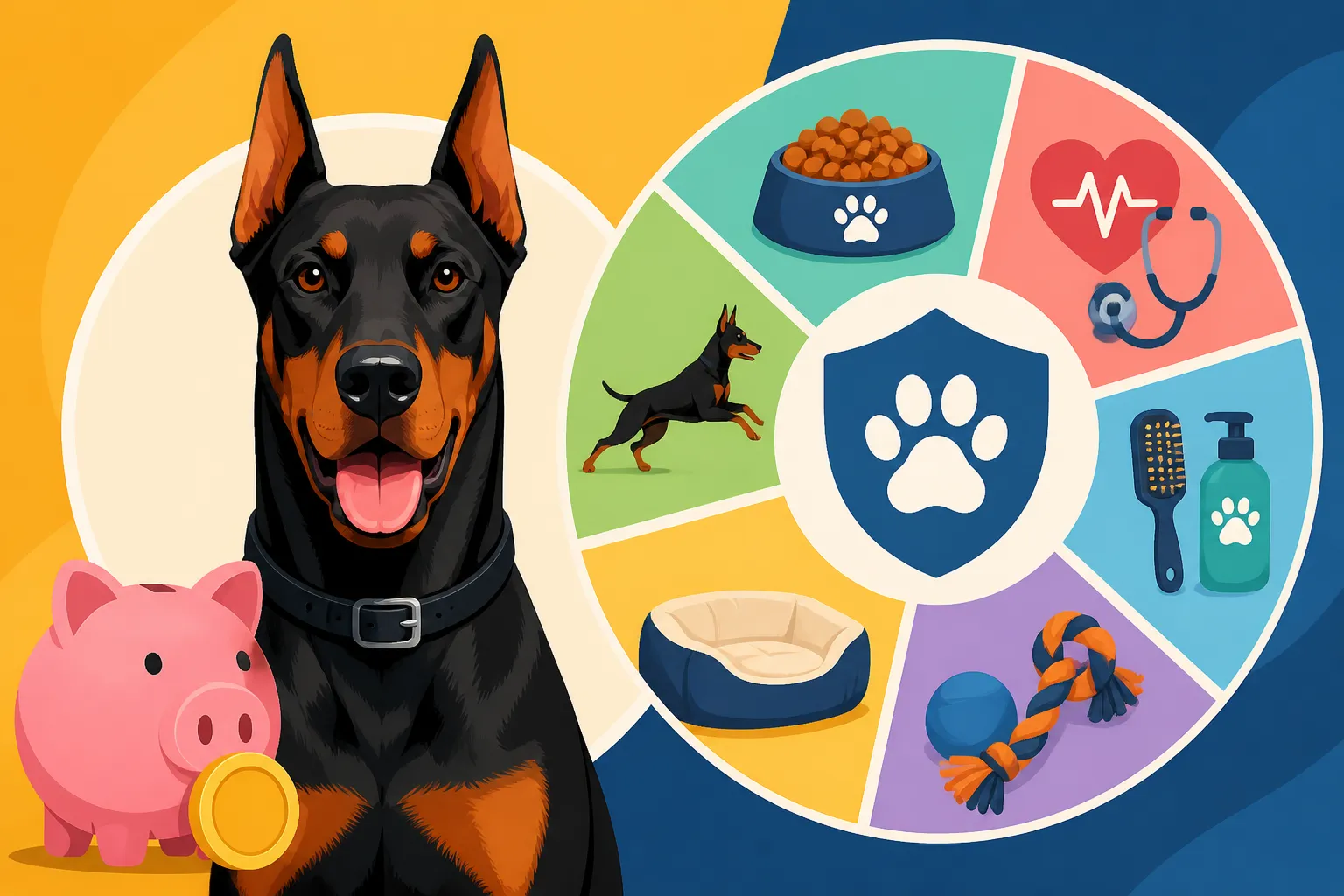
Bringing a Doberman into your life is an incredibly rewarding experience, but let's be realistic: it's also a significant financial commitment that extends far beyond the initial purchase price. Many new Doberman owners, myself included, have found themselves a bit blindsided by the ongoing annual expenses, especially when it comes to their unique health needs. This guide is here to help you get a real handle on what to set aside yearly for your Doberman, covering everything from routine care to those inevitable curveballs, so you can plan effectively and give your beloved companion the best life possible.
The Foundation: Regular, Predictable Annual Expenses
When you budget for your Doberman, it's easy to focus on the big one-time costs like puppy price or ear cropping. But the truth is, the consistent, recurring annual expenses are what really add up over the years. These are the costs you can largely predict and plan for, and ignoring them means you're setting yourself up for financial strain down the road.
Routine Veterinary Care
Even the healthiest Doberman needs a yearly check-up. This isn't just a quick peek; it's a vital part of preventative care. During this annual visit, your vet will perform a thorough physical examination, ensuring everything from nose to tail is in good working order. They'll likely update necessary vaccinations, though many core vaccines are done in puppyhood and only require boosters every few years.
Beyond the basic check-up, you'll have ongoing costs for parasite prevention. We're talking about monthly heartworm medication, which is non-negotiable for Dobermans in most regions, and regular flea and tick preventatives. These aren't just about comfort; they're about preventing serious, often expensive, diseases. Think about it: preventing a tick-borne illness is far less costly and stressful than treating one. Some Dobermans might also need annual stool samples checked for intestinal parasites. These routine visits and preventatives form the bedrock of your Doberman's health, helping catch minor issues before they become major problems.
Food and Nutrition
Feeding an eighty-pound Doberman is no small feat, and it's a significant portion of your yearly budget. These are active, muscular dogs, and they need high-quality nutrition to thrive. You'll want to choose a premium dog food, whether it's dry kibble, wet food, or a fresh food diet. The cost will vary widely based on your chosen brand and type. For instance, a subscription service like Ollie that delivers fresh, human-grade food will have a different price point than a large bag of conventional kibble from a pet store.
Beyond just the daily meals, you might also factor in treats for training and enrichment, especially with a breed as intelligent as a Doberman. If your Doberman develops specific health needs, such as a sensitive stomach or, unfortunately, liver issues, you might find yourself needing prescription diets, which usually come at a higher cost. These specialized foods, like those designed for copper storage disease, are formulated to support their specific condition and are often a lifelong expense. Many owners find value in ordering their Doberman's food from online retailers like Chewy, which often offers subscription services and bulk discounts, helping to manage this ongoing expense. You can get a better idea of these figures by researching A Month of Food for an Eighty-Pound Doberman and Prescription Diet Costs for a Doberman Liver.
Grooming and Maintenance
While Dobermans have short coats and aren't typically high-maintenance in terms of professional grooming, there are still essential annual costs. Regular nail trims are crucial for their comfort and long-term joint health. If you're comfortable doing them yourself, great! But many owners opt for professional trims every few weeks, especially with a Doberman's often black, thick nails that make finding the quick tricky. Nail Trims on a Doberman With All-Black Nails can be a challenge.
Ear cleaning, particularly for those with cropped ears that can accumulate wax, is another regular task. Then there are baths. While Dobermans don't need frequent bathing, they do need it, and quality shampoo and conditioner can add up. Given their thin coats and minimal body fat, a good-fitting winter coat is also a smart annual investment if you live in a colder climate. They truly feel the cold, so a quality coat can make winter walks much more pleasant for them (and you!). Many owners underestimate how much their Doberman needs protection from the elements, so do consider Winter Coats Sized for a Doberman.
Training and Enrichment
Dobermans are exceptionally intelligent and high-energy dogs. To keep them happy, well-behaved, and out of trouble, ongoing training and mental enrichment are vital. This isn't just about puppy classes; it's a lifelong endeavor. Think about annual costs for new puzzle toys, Kongs, and durable chew items that can stand up to a Doberman's powerful jaws.
You might also budget for refresher training classes, advanced obedience, or even dabble in dog sports like agility or nose work. These activities not only provide mental and physical stimulation but also strengthen your bond. Even if you don't pursue competitive sports, regular training sessions with a qualified professional or enrollment in online courses can be incredibly beneficial. A bored Doberman can quickly become a destructive Doberman, and replacing chewed furniture is far more expensive than a few well-chosen enrichment toys or a training session. If you encounter behavioral challenges, investing in a good trainer can be invaluable. You can learn more about training costs by reading Trainer Rates for a Reactive Doberman.
Planning for the Unexpected: Health and Insurance
This is where Doberman ownership can get truly expensive if you're not prepared. Dobermans are prone to certain serious health conditions, and managing these requires proactive screening and, often, significant financial resources. Being informed and prepared is the best defense.
Breed-Specific Health Screening
This is perhaps the most critical annual expense many Doberman owners overlook. Dobermans are notoriously susceptible to Dilated Cardiomyopathy (DCM), a devastating heart condition. Early detection through regular screening is paramount. This typically means annual echocardiograms (an ultrasound of the heart) and 24-hour Holter monitoring (a portable ECG device your dog wears). These screenings, performed by a board-certified veterinary cardiologist, are not cheap, but they are absolutely vital. Catching DCM in its "occult" or hidden phase allows for early intervention with medications, which can significantly extend your Doberman's quality of life.
Many owners start these screenings around 2-3 years of age, and they continue every single year for the rest of the dog's life. The cost of these specialized tests can easily run into several hundred dollars annually. It's a non-negotiable expense for responsible Doberman ownership. Understanding these costs is crucial; look into Annual Echo and Holter Screening for a Doberman and The Age to Start Screening a Doberman's Heart. Reading a Doberman's Holter results is also a specialist skill, as covered in Reading a Doberman's Holter Result.
Beyond heart disease, Dobermans can also be prone to Wobbler Syndrome, Von Willebrand's Disease (a bleeding disorder), and sometimes certain cancers. While not all of these require annual screening, being aware of their potential and having funds available for diagnostics is important.
Pet Insurance Premiums
Given the breed's predispositions, pet insurance is less of a luxury and more of a necessity for Doberman owners. However, it's crucial to understand when to enroll. You need to get your Doberman insured before any signs of breed-specific conditions like DCM appear. Once a condition is diagnosed, it becomes a pre-existing condition and will likely be excluded from coverage. This is why insuring a Doberman in puppyhood or early adulthood is so important. Many Doberman owners find value in providers like Healthy Paws, which offer comprehensive coverage options, but you must read the fine print regarding breed-specific conditions and waiting periods.
Your annual premium will depend on factors like your dog's age, your location, the deductible you choose, and the reimbursement percentage. While it's an upfront cost, having insurance can be a literal lifesaver if your Doberman develops DCM, Wobblers, or another serious illness. The cost of diagnostics, specialist visits, and lifelong medications for these conditions can quickly reach thousands of dollars, making the annual premium feel like a small investment in comparison. Don't wait until it's too late; get informed about Insuring a Doberman Before the Heart Turns and Why a Doberman Insured at Four Is Late.
Emergency Fund vs. Insurance
Ideally, a Doberman owner should have both: pet insurance for major, unexpected illnesses or accidents, and an emergency fund for smaller, immediate needs or things not covered by insurance (like deductibles or certain routine care). An emergency fund could cover a sudden vet visit for an injury, medication for a temporary ailment, or even a specialized diet for a short period.
Having money set aside in a readily accessible savings account means you're not making difficult decisions based on finances in a crisis. Pet insurance takes the sting out of the truly catastrophic bills, but that small cash buffer is invaluable for everything else. Imagine your Doberman suddenly collapses on a walk. While insurance might cover the bulk of the cardiology visit and subsequent medication (see Medication for a Doberman in the Occult Phase), having immediate cash for the emergency vet visit and initial diagnostics can save you a lot of stress.
The Lifecycle Shift: Costs Over Time
The annual cost of owning a Doberman isn't static; it changes as your dog moves through different life stages. Being aware of these shifts can help you adjust your budget proactively.
Puppyhood and Adolescence
The first year with a Doberman puppy is often the most expensive, even though some of those costs aren't strictly "annual." You have the initial purchase price, of course. Then there are multiple vet visits for vaccinations, deworming, and initial health checks. Spaying or neutering, if you choose to do so, is a significant one-time expense. Microchipping, essential puppy supplies (crate, beds, toys, leashes, collars), and perhaps puppy socialization classes also add up quickly.
Doberman puppies grow incredibly fast, requiring specific large-breed puppy food to support healthy bone and joint development, which can sometimes be more expensive than adult formulas. While you might not repeat all these specific costs every year, the intensity of financial outlay in year one sets a precedent for future planning. It’s worth looking at Year One With a Doberman Puppy Priced Out to grasp the initial financial impact.
Prime Adult Years (Ages 2-6)
Once your Doberman settles into adulthood, typically between two and six years of age, the annual costs often stabilize. This is the period where routine veterinary care, high-quality food, and consistent training form the bulk of your expenses. However, this is also precisely when those crucial breed-specific health screenings for DCM should begin annually. So, while some initial puppy costs disappear, they are replaced by these specialized cardiac evaluations.
If your Doberman is involved in sports or advanced training, those fees will be consistent during these prime years. Maintenance costs for grooming, toys, and gear remain steady. This is generally the healthiest period for many Dobermans, assuming you've been diligent with preventative care, but it's essential to remember that genetic predispositions don't disappear, and continuous vigilance (and budgeting for it) is key.
Senior Doberman Care (Ages 7+)
As Dobermans enter their senior years, typically around seven or eight, annual costs tend to rise again. Just like with humans, older dogs often require more frequent veterinary visits. This might include twice-yearly wellness exams, more extensive blood work to monitor organ function, and joint supplements for age-related arthritis or stiffness.
If your Doberman develops chronic conditions like heart disease (DCM), Wobbler Syndrome, or kidney disease, the cost of ongoing medications can be substantial. These medications, often administered daily for the rest of their lives, can quickly add up over a year. Additionally, senior dogs might need special diets that are easier to digest or formulated for specific health issues. Comfort becomes a priority, so investments in orthopedic beds or ramps might also become necessary. The financial and emotional toll of caring for a senior Doberman can be considerable, and it's something every owner should anticipate and budget for. Understanding How Doberman Costs Climb After Six is a sobering but necessary exercise, and facing the decision of Deciding When a Doberman With DCM Has Had Enough can be incredibly tough, often tied to financial realities.
Budgeting Strategies for Doberman Owners
Feeling overwhelmed yet? Don't worry, there are practical steps you can take to manage these costs effectively without sacrificing your Doberman's well-being.
Dedicated Savings Account
One of the simplest yet most effective strategies is to set up a dedicated savings account specifically for your Doberman. Treat it like a monthly bill and contribute a set amount each payday. This "Doberman fund" can cover those larger annual expenses like heart screenings or act as your emergency fund. Having money tucked away means you won't be scrambling if an unexpected vet bill arises. It removes a significant layer of stress when facing crucial medical decisions.
Think about calculating your expected annual costs and dividing by twelve to get a monthly savings goal. For instance, if you anticipate $1500 in annual routine costs and $800 in screenings, that’s $2300, or about $190 a month you should ideally be setting aside. This proactive approach ensures you're ready.
Research and Compare
Don't just go with the first vet, insurance policy, or food brand you find. Take the time to research and compare.
- Veterinarians: Vet costs can vary significantly even within the same city. Some clinics might offer wellness plans that bundle routine care at a discounted rate. Look for a vet who is not only excellent with Dobermans but also transparent about their pricing. For specialized care, like cardiology, ensure you are comfortable with the specialist's experience and fees.
- Pet Insurance: As mentioned, comparing pet insurance policies is critical. Look at deductibles, annual limits, reimbursement percentages, and, crucially, how they handle breed-specific conditions and pre-existing conditions. Providers like Healthy Paws are often recommended for their comprehensive coverage, but there are other good options out there.
- Food and Supplies: Buying Doberman food in bulk from online retailers like Chewy, or signing up for subscription services (even with fresh food brands like Ollie), can often lead to savings. Keep an eye out for sales and loyalty programs.
DIY vs. Professional Services
There's a fine line here, and it's about knowing what you can safely do yourself and where professional expertise is non-negotiable.
- DIY: You can certainly learn to trim your Doberman's nails, clean their ears, and bathe them at home. This saves money on professional grooming appointments. Investing in quality tools and learning proper techniques can be very empowering. For example, learning to post your Doberman's ears yourself after cropping surgery can save a lot on repeat vet visits.
- Professional: However, certain things must be left to professionals. Never skimp on veterinary care, especially for screenings like echocardiograms and Holters. These require specialized equipment and expertise. Likewise, complex training issues or behavioral problems are best addressed by experienced Doberman trainers. Attempting to DIY in these areas can lead to worse outcomes and even higher costs down the line. Your Doberman's health and safety are worth the professional investment.
Reviewing Your Budget Regularly
Life changes, and so do your Doberman's needs. It's wise to review your Doberman budget at least once a year, preferably around the time of their annual vet visit.
- Are their food requirements changing? (Are they gaining/losing weight?)
- Are their activity levels different? (More or less exercise means different caloric needs.)
- Have new health concerns arisen that require adjustments to screening or medication costs?
- Has your pet insurance premium changed?
- Are there new training goals or behavioral challenges that need addressing?
Regularly reassessing your budget allows you to make adjustments, find areas where you can save, and ensure you're always prepared for What a Doberman Costs Month to Month at every stage of their life. Doberman ownership is a journey, and financially preparing for each step makes that journey much smoother for both of you.
Disclaimer
This article is for general informational purposes only and does not constitute professional advice. Laws, prices and regulations vary by location and change over time. Consult a qualified professional for guidance on your specific situation.