Whether a Working-Line Doberman Costs More
Bringing a Doberman into your life is a huge commitment, and if you've been captivated by the powerful drive and intelligence of a working-line Doberman, you're likely wondering what the true financial picture looks like. It's a common misconception that all Dobermans are created equal in terms of cost. The truth is, a working-line Doberman often comes with a higher price tag and unique ongoing expenses that differ significantly from a more casually bred pet or show-line dog. This comprehensive guide will walk you through all the costs you can expect, from initial purchase to long-term care, so you can truly understand if this incredible breed fits your budget and lifestyle.
Understanding the "Working Line" Doberman Premium
When you start looking for a Doberman puppy, you'll quickly notice a difference in prices, and often, working-line dogs sit at the higher end of that spectrum. This isn't just arbitrary pricing; it reflects a deep investment in breeding for very specific traits and purposes.
The Philosophy Behind Working Line Breeding
Working-line Dobermans are not bred primarily for conformation in the show ring, though many are beautiful dogs. Instead, their breeding programs focus intensely on traits like high drive, exceptional trainability, stable nerves, courage, and innate protective instincts. Breeders meticulously select parents based on their proven performance in demanding dog sports like Schutzhund (now often called IPO or IGP), Ring Sport, or even real-world police and military K9 work. This involves rigorous evaluation of temperament, physical soundness under stress, and genetic health.
For instance, a working-line breeder isn't just looking for a dog that looks like a Doberman; they're looking for a dog that behaves like a Doberman was originally intended to – a capable, discerning protector and intelligent partner. This means they often travel internationally for breeding, carefully selecting studs and dams from proven lines with a history of producing top-tier working dogs. This specialized focus, and the expertise required to consistently produce such puppies, directly contributes to the higher initial cost. They're selling a puppy with a predictable temperament and drive, specifically suited for advanced training and a very active lifestyle, which is a rare commodity.
How Pedigree and Titles Factor In
The pedigree of a working-line Doberman is more than just a family tree; it's a resume of accomplishments. Parents, grandparents, and even great-grandparents in a working-line pedigree will often boast a long list of working titles, such as IPO3, GHP3, PSA, or French Ring titles. These titles signify that the dog has achieved a high level of proficiency in specific disciplines, demonstrating advanced obedience, tracking, and protection skills under intense pressure. Earning these titles requires years of dedicated training, significant financial investment in specialized equipment, coaching, and travel to competitions.
For example, a puppy from parents who have achieved advanced titles like IPO3 or Mondioring Level 3 will naturally command a higher price. This is because those titles are a testament to the parents' genetic predisposition for work, trainability, and sound temperament—traits that are highly sought after by serious working dog enthusiasts. This is a stark contrast to a Doberman whose parents might only have conformation titles or no titles at all. When you see a higher price for a working-line puppy, you're not just paying for a breed; you're investing in decades of careful selection for specific, observable traits. For more information on what to expect, you might want to read our article on Doberman Puppy Prices From a Titled Breeder. These breeders also invest heavily in health testing, which is another crucial factor influencing the upfront cost. They adhere to stringent health screening protocols, often going beyond the basic requirements to ensure their lines are as healthy as possible. This extra layer of due diligence helps mitigate some of the future health risks and is reflected in the price. You can find more details on this in our guide, The Health Testing a Doberman Breeder Must Show.
Initial Costs Beyond the Purchase Price
Buying the puppy is just the first step. For a working-line Doberman, there are several significant initial investments you absolutely cannot skimp on if you want to harness their full potential and ensure a well-adjusted companion.
Essential Training and Socialization
A working-line Doberman isn't content being a backyard ornament or a casual companion. Their innate drives and intelligence demand an outlet. Early and consistent training and socialization are non-negotiable. This isn't just about basic obedience; it's about channeling their intensity and building a solid foundation for their future work.
Think about it: these dogs are bred to be discerning, observant, and sometimes suspicious of strangers as part of their guarding instinct. Without proper socialization from a young age, they can easily become reactive or overly protective in inappropriate situations. This means enrolling in puppy classes the moment they're cleared by your vet, attending regular group classes, and potentially hiring a private trainer experienced with working breeds. Expect to invest in multiple rounds of classes – puppy kindergarten, basic obedience, advanced obedience, and then potentially specialized foundation work for sport. These trainers often charge premium rates for their expertise, especially if they specialize in working breeds. A Doberman that is not properly socialized and trained can become a liability, and the cost of behavioral modification down the line far outweighs early preventative training. Our article, The Owner a Doberman Actually Needs, elaborates on the commitment required.
Crop and Dock Considerations
While the practice of ear cropping and tail docking is a topic of debate, it's undeniably prevalent within the working Doberman community. The American Kennel Club (AKC) breed standard still describes a docked tail and cropped ears, and many working sport organizations permit or even prefer these modifications for practical reasons, such as preventing ear injuries during bite work or enhancing the dog's intimidating silhouette.
If your working-line Doberman puppy comes from a breeder in the United States, they are typically docked at a few days old. Ear cropping, however, is a separate surgical procedure usually performed between 7-12 weeks of age. This is not a trivial expense. A reputable, experienced veterinarian specializing in Doberman ear crops will charge anywhere from $600 to $1,000 or more, not including the extensive aftercare. This aftercare involves weekly or bi-weekly vet visits for taping and posting the ears for several months (sometimes up to a year) to ensure they stand correctly. Each posting appointment can cost $50-$100. If you choose an uncropped Doberman, you'll avoid these costs, but it's something to be aware of if you're pursuing a traditional working Doberman look or plan to compete in certain venues. If the breeder offers the cropping as part of the price, this usually means they've absorbed this significant upfront cost, which also contributes to a higher puppy price. For a deeper dive into initial costs, check out What Breeders Ask for a Doberman Puppy.
Ongoing Expenses for a Working Doberman
The investment in a working-line Doberman doesn't stop after the puppy phase. Their high drive and athletic build necessitate a specific type of ongoing care that comes with its own set of costs.
Fueling a High-Performance Canine Athlete
A Doberman bred for working sports is a true athlete, and like any athlete, they require a diet that supports their energy levels, muscle mass, and overall health. You can't just feed them any generic kibble and expect them to perform optimally. They need high-quality, nutrient-dense food with appropriate protein and fat levels to sustain their demanding lifestyle.
This means looking for premium kibbles specifically formulated for active large breeds, or considering fresh food options. Brands like Ollie or other fresh, human-grade food delivery services can provide excellent nutrition, but they come at a higher price point than traditional kibble. Even high-quality kibble from brands often recommended for Dobermans can run you $80-$120+ per bag, and a large Doberman can easily go through a bag every 3-4 weeks. Factor in supplements like joint support, fish oil for coat health, and potentially additional taurine and carnitine (often recommended for Dobermans due to their predisposition to certain heart conditions) and your monthly food budget can quickly climb. For more on this, you can refer to our articles on Daily Calories for an Adult Doberman and Protein Levels for a Doberman in Hard Work. A Doberman working regularly in sport will burn a tremendous amount of calories, requiring a larger daily ration compared to a sedentary pet.
Specialized Training and Equipment
This is where the costs for a working-line Doberman really diverge. Beyond basic obedience, these dogs thrive in and require advanced training. This could include:
- Protection Sports (IPO/IGP, PSA, Ring Sport): Membership fees for working dog clubs, private coaching with experienced decoys (the individuals who wear protective suits for bite work), specialized training equipment like bite sleeves, harnesses, muzzles, and transportation to training fields and trials. Costs can be hundreds of dollars a month, plus trial entry fees that can be $50-$150 per event. Look at our guide, Doberman Training and Protection Sport Fees, for an in-depth breakdown. If you pursue these sports, your Doberman will wear specific gear, and quality equipment isn't cheap.
- Agility, Tracking, Obedience Competitions: While perhaps less physically demanding than bite work, these still involve class fees, private lessons, specialized equipment (like jumps, tunnels for agility, tracking articles), and travel expenses for competitions.
- Service or Therapy Dog Training: If your Doberman is destined for this path, the specialized training for public access and specific tasks can be extensive and expensive, often requiring highly skilled trainers.
The training itself is an ongoing journey, not a one-time event. You'll likely be involved in a club or with a trainer for years, continuously honing skills and progressing through levels. The financial commitment for this specialized training is often the largest recurring cost associated with owning a working-line Doberman. Understanding What Protection Sport Costs a Doberman Owner gives a realistic perspective on this particular path.
Preventative Healthcare and Injury Management
Working Dobermans are robust, but their active lifestyle and breed-specific health predispositions mean vigilant preventative healthcare is paramount. Regular veterinary check-ups are a given, but working dogs might need more frequent visits for minor injuries, muscle strains, or general wear and tear from their strenuous activities.
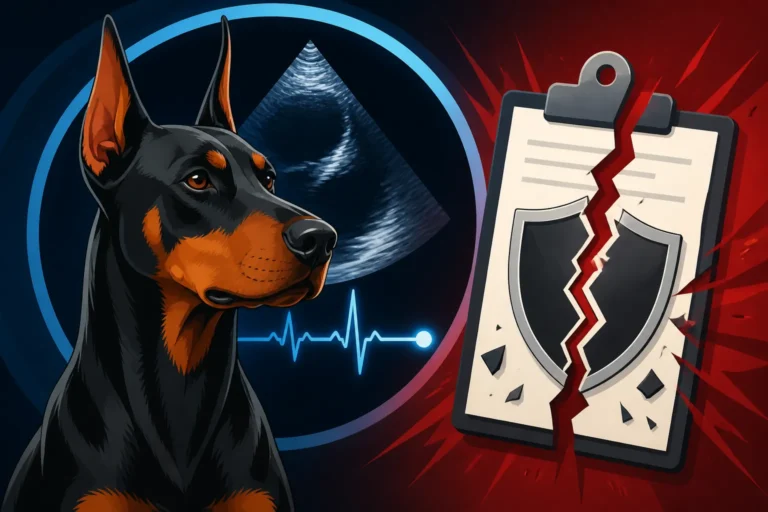
Dobermans are prone to certain health issues, notably Dilated Cardiomyopathy (DCM), Wobbler Syndrome, and Von Willebrand's Disease (a bleeding disorder). For a working Doberman, annual screenings for DCM, including an echocardiogram and a 24-hour Holter monitor, are critically important. These specialized cardiac screenings can cost several hundred dollars each year. Catching issues early, especially in a dog under the stress of working sports, can make a significant difference. Regular blood work is also often recommended.
If an injury does occur during training or competition, veterinary bills can quickly escalate, especially if it requires specialist consultation, diagnostics like X-rays or MRIs, rehabilitation therapy, or surgery. A Doberman with a high pain tolerance might not show symptoms until an injury is significant, making early detection challenging without regular vet oversight.
| Expense Category | Estimated Annual Cost (Low) | Estimated Annual Cost (High) | Notes |
|---|---|---|---|
| Premium Food & Supplements | $900 | $1,800 | For an 80lb Doberman, high-quality kibble or fresh food. |
| Routine Vet Care (Excl. Heart) | $300 | $600 | Annual check-up, vaccinations, flea/tick/heartworm prevention. |
| Cardiac Screening (Echo/Holter) | $600 | $1,200 | Highly recommended annual screenings for DCM. |
| Specialized Training/Club Fees | $1,200 | $4,800+ | Ongoing sport training, club memberships, private lessons, trial fees. |
| Equipment (Replacements) | $100 | $400 | Toys, chew items, training gear (leashes, harnesses, specific sport equipment). |
| Pet Insurance Premiums | $600 | $1,200+ | Varies greatly by age, location, coverage, and specific plans from providers like Healthy Paws. |
| Emergency Fund Contribution | $250 | $500 | Setting aside money for unexpected medical issues, which are common in active large breeds. |
| Total Estimated Annual Cost | $3,950 | $10,500+ | Does not include initial puppy purchase or ear crop/posting costs. |
Please note: These are general estimates and can vary significantly based on your location, chosen quality of products/services, and individual dog's needs.
Long-Term Financial Planning for Your Working Partner
Owning a Doberman for its entire lifespan is a journey filled with joy, but also with predictable and unpredictable costs. For a working-line Doberman, especially, thoughtful financial planning is crucial.
The Role of Comprehensive Pet Insurance
Given the Doberman's propensity for certain health conditions like DCM, Wobbler Syndrome, and even potential injuries from their active lifestyle, pet insurance isn't just a good idea – it's often a financial lifesaver. Enrolling your Doberman in a comprehensive pet insurance plan early, ideally before any health issues manifest, is critical. Many policies, including those from providers like Healthy Paws, have waiting periods for certain conditions and may not cover pre-existing conditions. If you wait until your Doberman has a heart murmur or an ACL tear, it's often too late to get coverage for those specific issues.
A good policy can help mitigate the astronomical costs associated with diagnostics, surgeries, and long-term medication for chronic conditions. Imagine a scenario where your Doberman suddenly collapses due to an arrhythmia related to DCM, or develops Wobbler Syndrome requiring an MRI and potentially surgery. Without insurance, these emergencies can easily run into thousands, or even tens of thousands, of dollars. Pet insurance can provide peace of mind and allow you to make medical decisions based on what's best for your dog, rather than solely on your immediate financial capacity. Getting ahead of potential issues by Insuring a Doberman Before the Heart Turns is an invaluable strategy.
Budgeting for the Inevitable
Even with the best breeding and preventative care, Dobermans, like all dogs, will age and eventually face health challenges. The Doberman lifespan typically ranges from 9 to 12 years, with many experiencing significant health issues in their senior years. Budgeting for these inevitable costs means more than just setting aside a little extra each month.
You need to consider potential long-term medication costs. If your Doberman develops DCM, for example, they might be on heart medications for several years, which can be hundreds of dollars a month. Chronic pain management for conditions like arthritis or Wobbler Syndrome can also incur substantial ongoing costs for medications, supplements, and therapies like hydrotherapy or acupuncture. Furthermore, as Dobermans age, they may require more frequent vet visits, specialized diets available through retailers like Chewy, and potentially expensive diagnostic tests.
An emergency fund specifically for your Doberman is highly advisable. This fund should be separate from your insurance deductible and cover any unexpected costs that insurance might not, or for those times when a quick decision is needed before insurance claims are processed. These dogs become family members, and making tough financial decisions during a crisis is incredibly stressful. Being prepared financially allows you to focus on their comfort and well-being. Thinking about the long haul when it comes to What a Doberman Costs Month to Month can help you visualize these expenses.
Disclaimer
The information provided in this article is for general informational purposes only and is not intended as veterinary advice. Always consult with a qualified veterinarian or veterinary specialist for any health concerns or before making any decisions about your Doberman's care, diet, training, or medical treatment. Financial estimates are approximations and actual costs may vary.