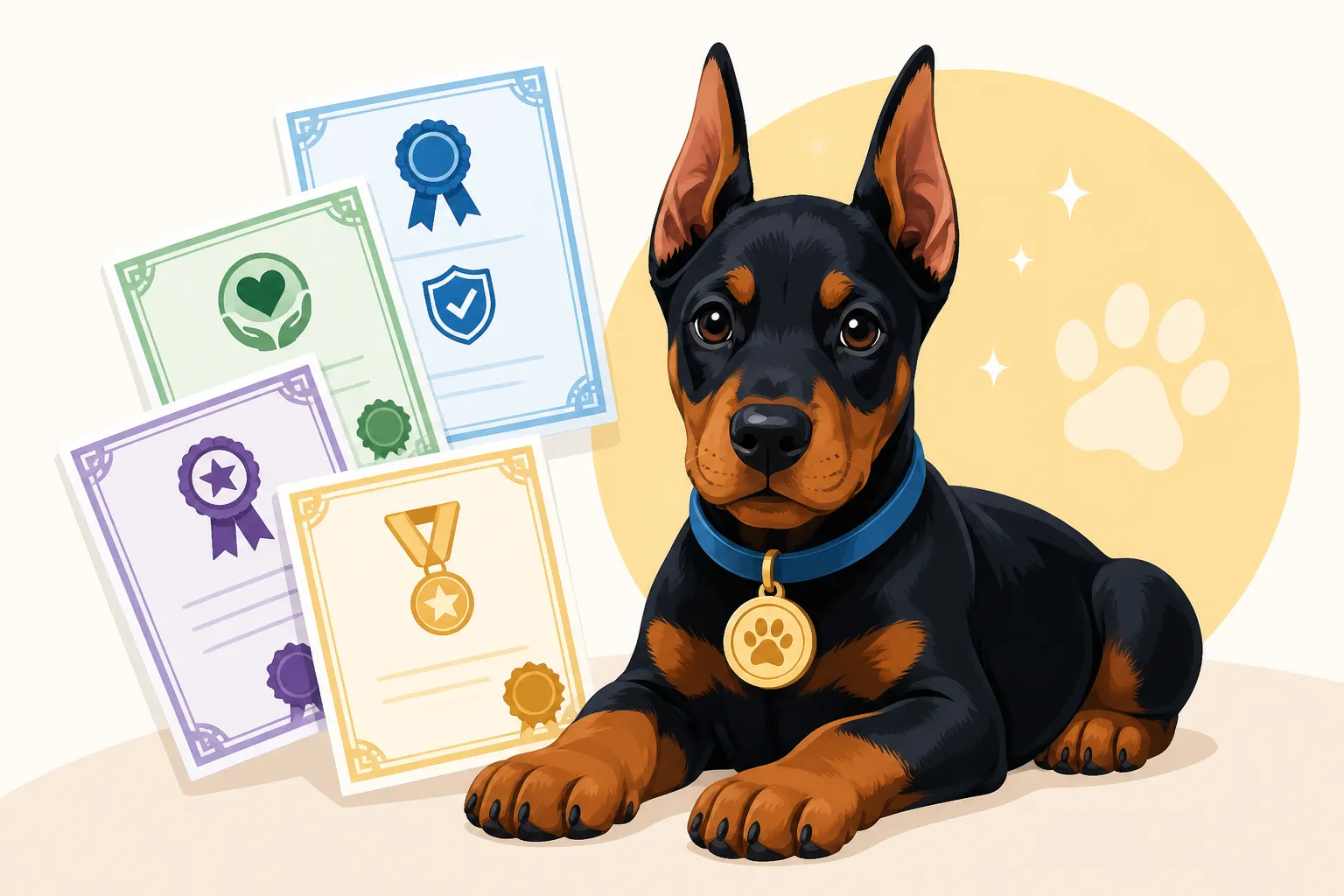
Which Certificates Come Home With a Doberman Puppy
Bringing home a Doberman puppy is an incredibly exciting time, but it can also be a little overwhelming when you consider all the paperwork and official documents that should come with your new family member. Many new owners feel confused by the stack of certificates, often wondering what’s genuinely important and what can be safely filed away. This guide will walk you through every piece of paper you should expect, explaining why each one matters for your Doberman's long-term health and well-being.
Understanding Essential Health Certificates
When you welcome a Doberman puppy into your home, the most critical documents you'll receive pertain to its health and the health of its parents. These aren't just formality; they are tangible proof that your breeder has invested in the health of their lines and given your puppy the best possible start. It’s a huge red flag if a breeder is hesitant to provide these.
Genetic Health Clearances for Parents
A responsible Doberman breeder will provide documentation of health testing performed on both the sire (father) and dam (mother) of your puppy. Dobermans are prone to several hereditary conditions, and reputable breeders work diligently to reduce the incidence of these diseases through careful screening. The key here is not just that tests were done, but that the results indicate the parents are clear of certain conditions or are carriers in a way that doesn't put the puppies at undue risk.
You should expect to see certifications for:
- Cardiac Health: Dilated Cardiomyopathy (DCM) is rampant in the Doberman breed. Breeders should provide OFA (Orthopedic Foundation for Animals) or equivalent cardiology clearances for both parents, which typically include annual echocardiograms (echo) and 24-hour Holter monitoring results. An echo evaluates the structure and function of the heart, while a Holter monitor detects abnormal heart rhythms. These tests are essential because they screen for active disease. Furthermore, genetic tests like the DCM1 gene test and the DCM2 Titin Variant in Dobermans are becoming more common. While these DNA tests aren't a guarantee against DCM, they provide valuable information about a dog's genetic predisposition. You should be able to see printouts of these results from certified labs.
- Von Willebrand's Disease (vWD): This is a common inherited bleeding disorder in Dobermans. A DNA test can determine if a dog is clear, a carrier, or affected. Ideally, at least one parent of your puppy should be "clear" to ensure none of the puppies are "affected" and experience significant bleeding issues. A breeder should always be able to provide The Von Willebrand DNA Test for Dobermans results for both parents.
- Thyroid Function: Hypothyroidism is another common issue. While not always life-threatening, it can lead to a host of other health problems. OFA thyroid certifications, showing regular thyroid panel results, should be available for the parents.
- Wobbler Syndrome (Cervical Vertebral Instability): While not as widely tested as heart or vWD, some breeders may provide spinal X-rays or certifications that indicate parents are free from severe vertebral anomalies associated with Wobbler Syndrome in the Doberman.
- Hip and Elbow Dysplasia: While Dobermans are less prone to severe hip dysplasia than some other large breeds, responsible breeders still often obtain OFA or PennHIP certifications for hips and elbows to ensure good joint health.
- Eye Health: Annual eye examinations by a board-certified veterinary ophthalmologist (CERF/OFA Eye Certification) can screen for inherited eye diseases.
A breeder who is transparent about these results is prioritizing the future health of their puppies. Don't shy away from asking to see the actual certificates; a printout from the OFA website showing certified results is generally ideal. This is part of what makes The Health Testing a Doberman Breeder Must Show so vital.
Individual Puppy Health Checks
Beyond the parents' clearances, your Doberman puppy should come with its own set of health documents. These focus on the initial veterinary care and assessment the puppy received before joining your family.
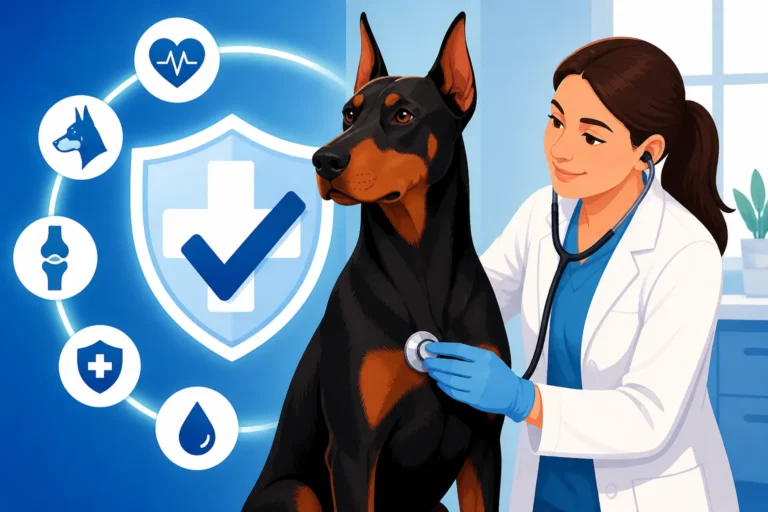
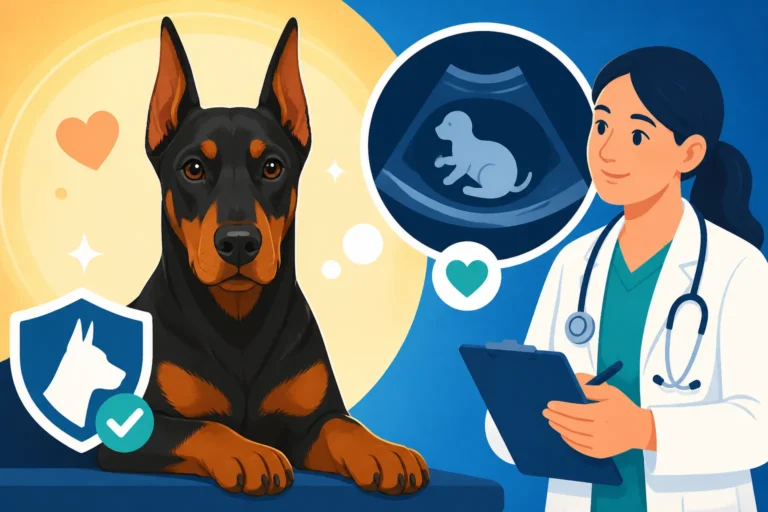
- Veterinary Health Certificate/Exam Record: This is a document signed by a licensed veterinarian stating that your puppy has been examined and appears to be in good health at the time of sale. It should detail findings from a physical examination, including heart and lung sounds, abdominal palpation, checking for hernias, and examining eyes, ears, and teeth. Some breeders might even provide a Doberman Puppies and Their First Heart Check from a cardiologist if they have early concerns or just for extra assurance.
- Fecal Exam Results: A clean fecal exam confirms your puppy is free of common intestinal parasites like worms and giardia. If any parasites were found, the record should indicate the treatment administered.
- Deworming Schedule: Puppies are typically dewormed multiple times before going to their new homes. You should receive a schedule of when deworming medication was given and what type was used. This is crucial for continuing their parasite prevention regimen.
- Proof of Tail Docking and Dewclaw Removal: Dobermans traditionally have their tails docked and dewclaws removed shortly after birth. Your breeder should provide documentation from a veterinarian confirming these procedures were performed. If the puppy has natural ears and tail, this won't apply, but it's important to understand the typical procedures.
It's common for these documents to be included in a "puppy packet" or folder. This information helps your new vet establish a baseline for your puppy's health and continue its preventative care.
Registration and Pedigree Documents
These documents establish your Doberman's lineage and allow you to officially register your dog with a recognized kennel club. They are fundamental to understanding your Doberman's background and participation in dog sports or showing.
AKC or Other Kennel Club Registration
Most Dobermans in North America are registered with the American Kennel Club (AKC). Your puppy should come with either:
- Limited Registration Application: This is very common for pet Dobermans. It means your dog is registered with the AKC, can participate in many performance events (like obedience, agility, tracking), but cannot be shown in conformation (breed ring) and any offspring cannot be registered. This is typically tied to a spay/neuter agreement with the breeder.
- Full Registration Application: This allows you to register your Doberman with the AKC, show them in conformation, and register any future offspring. Full registration is usually reserved for breeding or show prospects and often comes with a higher purchase price and stricter breeder requirements.
Regardless of whether it's limited or full, you should receive the official AKC registration application form, which you will then fill out and send to the AKC to register your specific puppy under your ownership. It will have your puppy's unique litter number and parent information pre-filled by the breeder. If your breeder uses a different kennel club, like the United Kennel Club (UKC) or a breed-specific club, you would receive the corresponding documents. Sometimes, breeders who import European Dobermans might provide registration papers from European kennel clubs as well, with instructions on how to register an imported Doberman in America.
Pedigree and Ancestry Information
A pedigree chart is essentially your Doberman's family tree, typically going back three to five generations. It lists the names of your puppy's ancestors, their registration numbers, and often includes information about their titles (e.g., Champion, Schutzhund, Obedience titles) and sometimes even their health testing results (though specific health clearances like OFA results are usually separate documents, as discussed above).
This document is invaluable for understanding the genetic background and potential inherent traits of your puppy. It shows the quality of the lines the breeder is working with and provides insight into the temperament and health trends in that specific lineage. For those interested in the history and genetics of their Doberman, this is a fascinating and informative document. It helps you grasp why What Breeders Ask for a Doberman Puppy often includes questions about your intentions for the dog, as full registration and strong pedigrees imply different purposes.
Vaccination and Microchip Records
These are crucial documents for your puppy's immediate and future care, ensuring they are protected against common diseases and can be identified if lost.
Vaccination Schedule and Dates
Your Doberman puppy should come with a detailed record of all vaccinations it has received. This record typically includes:
- Dates of vaccination: When each shot was given.
- Type of vaccine: Distemper, Parvovirus, Adenovirus, Parainfluenza (often combined as "DHPP" or "DAPP"), and potentially Leptospirosis or Bordetella, depending on the breeder's protocol and local disease prevalence.
- Next due dates: When the next booster shots are required.
- Veterinarian's signature/stamp: Confirmation from the vet who administered the vaccines.
It's absolutely vital to present this record to your own veterinarian at your puppy's first check-up. They will use this information to create a continuous vaccination plan, ensuring your puppy receives all necessary boosters on time without over-vaccinating. Missing a vaccination or booster can leave your puppy vulnerable to serious, often life-threatening, diseases. This is why understanding A Doberman Puppy's First Heart Check and subsequent health checks are important alongside vaccination schedules.
Microchip Registration Details
A microchip is a tiny electronic chip, about the size of a grain of rice, implanted under your dog's skin, usually between the shoulder blades. It contains a unique identification number that can be read by a scanner. If your Doberman ever gets lost, shelters and veterinary clinics can scan the chip and access your contact information through a microchip registry.
Your puppy should come with:
- Microchip number: The unique ID for your dog.
- Registration instructions: Information on how to register the microchip in your name. This is a critical step that many new owners overlook! The chip is useless if it's not registered to you.
- Microchip company information: Details for the company managing the registry (e.g., HomeAgain, AKC Reunite, PetLink).
Registering the microchip as soon as possible is one of the easiest and most effective ways to ensure your Doberman's safe return if they ever get lost. Some breeders might even pre-register the microchip in your name as part of their service, so always double-check.
Purchase Agreement and Guarantees
These documents are not just bureaucratic hurdles; they are legally binding agreements that protect both you and the breeder, outlining expectations and responsibilities.
Sales Contract and Health Guarantee
A well-drafted sales contract is a hallmark of a responsible breeder. It should detail the terms of the sale, including:
- Purchase price: The agreed-upon cost of the puppy.
- Buyer and seller information: Full contact details for both parties.
- Puppy identification: Your Doberman's microchip number, litter registration number, and any distinguishing marks.
- Health guarantee: This is one of the most important sections. Reputable breeders typically offer a health guarantee, often for a specific period (e.g., 1-2 years) against certain genetic diseases like severe DCM, Von Willebrand's, or debilitating hip dysplasia. It should outline the breeder's responsibilities if a genetic health issue arises within the guaranteed period, which might include a replacement puppy, partial refund, or contributing to veterinary costs. Be sure to read this thoroughly and understand its terms, including what you need to do to validate it (e.g., having the puppy examined by your vet within a certain number of days after purchase).
- Return policy: What happens if you are unable to keep the puppy? Most reputable Doberman breeders insist that if you can no longer care for your dog at any point in its life, it must be returned to them, or they will assist in rehoming. This ensures their dogs never end up in shelters.
- Spay/neuter clause: If your puppy is sold on a limited registration, the contract will almost certainly require you to spay or neuter your Doberman by a certain age.
This contract serves to protect both parties and ensures clear communication about expectations. It's not uncommon for these contracts to include clauses about food, exercise, and training recommendations, showing the breeder's continued investment in their puppies' welfare. For instance, some contracts might even recommend brands like Chewy for sourcing high-quality food or specific types of training tools to help with Doberman Puppy Biting and Adolescent Mouthing.
Spay/Neuter Agreement (if applicable)
As mentioned, if your Doberman puppy is purchased with a limited registration, your contract will almost certainly include a spay/neuter agreement. This typically requires you to provide proof from your veterinarian that the procedure has been performed by a specific age (e.g., by 18-24 months). The purpose of this clause is to prevent unintentional breeding and to protect the breed standard and health. Breeders want to ensure that only carefully selected and health-tested Dobermans contribute to future generations.
It's also worth noting that some forward-thinking breeders are exploring "early-age spay/neuter" or alternative options, but the traditional agreement for pets is to spay/neuter around maturity. Discussing this timeline and any concerns with your breeder is essential.
What to Expect and What to Ask For
Even with all this information, bringing a Doberman puppy home can still feel daunting. Knowing what to specifically look for and what questions to ask will empower you to make an informed decision and ensure you're getting a healthy, well-started puppy.
Red Flags to Watch Out For
While most breeders are reputable, unfortunately, there are always those who cut corners. Be vigilant for these red flags:
- No health testing documentation: If a breeder cannot or will not provide OFA, vWD, thyroid, or other relevant health clearances for the parents, walk away. This is non-negotiable for a Doberman. Fake Heart Certificates on Doberman Puppy Ads are a real problem, so always verify directly with the certifying organization if you have any doubts.
- Lack of veterinary records for the puppy: Any reputable breeder will have taken their puppies to a vet for initial health checks, vaccinations, and deworming. If they can't provide a vet-signed health certificate and vaccination record, it's a huge concern.
- Hesitation to show parents or facility: A good breeder will be proud to show you where their puppies are raised and allow you to meet the dam (and often the sire if he lives on-site). If they insist on meeting in a public place or won't let you see the living conditions, it's a warning sign.
- Puppies seem unhealthy or unsocialized: Observe the puppies. Are they bright, active, and curious? Do they have clear eyes and clean coats? Are they comfortable around people? Overly shy, sickly, or aggressive puppies may indicate poor breeding practices or inadequate socialization during the critical early weeks.
- Pushy sales tactics or unwillingness to answer questions: A responsible breeder will ask you as many questions as you ask them. They want to ensure their puppies go to good homes. If they seem focused only on the sale or brush off your questions, they might not have the puppies' best interests at heart.
- Unrealistic guarantees: Be wary of breeders offering "lifetime" guarantees against all diseases or incredibly long health guarantees that sound too good to be true. Most guarantees are for specific genetic conditions for a limited timeframe.
- Asking whether a Breeder Should Pay for Doberman Testing: While the buyer typically pays for the puppy, the breeder absolutely should bear the cost of testing the parents. If they imply you should cover those costs, it's a major red flag.
Preparing for Your Puppy's Arrival
Beyond the paperwork, there's a lot to do to get ready for your new Doberman. Thinking ahead about practical needs can make the transition smoother for everyone involved.
- Supplies: Dobermans grow quickly, so consider what you'll need for an eighty-pound dog from the start. This includes a sturdy crate sized for a large adult, durable chew toys, food and water bowls, a comfortable bed, and a quality leash and collar. You can often find great deals and a wide selection on sites like Chewy.
- Food: Ask your breeder what food the puppy has been eating and try to continue with the same brand for at least the first few weeks to avoid upsetting their stomach. If you plan to switch foods, do so gradually. Some owners opt for fresh food delivery services like Ollie, which can offer tailored nutrition, but always transition slowly. For advice on feeding, refer to How Often to Feed a Doberman Under Six Months.
- Veterinarian Appointment: Schedule a vet appointment for your puppy within the first 48-72 hours of bringing them home (as often stipulated in the health guarantee). This check-up confirms your puppy’s health and allows your vet to continue the vaccination schedule.
- Training and Socialization: Dobermans are intelligent and need early socialization and consistent training. Plan for puppy classes and expose your puppy to a variety of sights, sounds, people, and safe environments. The first The Sixteen Weeks That Set a Doberman Up are crucial for developing a well-adjusted adult.
- Pet Insurance: Given the Doberman's propensity for certain health issues, especially heart disease, obtaining pet insurance early is a wise decision. Companies like Healthy Paws can provide coverage, but it’s critical to enroll your puppy before any pre-existing conditions are diagnosed. Learning about Getting a Doberman Covered Before the First Echo is essential.
Bringing home a Doberman puppy is a long-term commitment. By understanding and obtaining all the necessary certificates and preparing adequately, you set the stage for a healthy, happy life together.
| Document Type | Purpose | Key Information Included | Why It's Important |
|---|---|---|---|
| Parental Health Clearances | Proof of genetic health screening for sire and dam | OFA/CERF certifications (heart, vWD, thyroid, hips, elbows, eyes), genetic test results (DCM1, DCM2) | Reduces risk of inherited diseases in your puppy; demonstrates responsible breeding practices. |
| Puppy Health Certificate | Veterinary assessment of the individual puppy's health | Vet exam findings, confirmation of health at time of sale, parasite treatment history | Provides a baseline for your vet, ensures puppy is healthy upon arrival, and validates health guarantee. |
| Vaccination Record | Log of puppy's immunizations | Dates of vaccines (DHPP, Lepto, Bordetella, etc.), next due dates, vet signature | Critical for continuing preventative healthcare; protects against common, serious diseases. |
| Microchip Information | Unique identification for your puppy | Microchip number, registration instructions, company details | Essential for recovering a lost dog; legal proof of ownership once registered. |
| AKC Registration Form | Enables official registration with the American Kennel Club | Puppy's litter info, parent details, unique number, buyer/seller info | Allows official recognition of your Doberman; permits participation in AKC events (limited or full depending on type). |
| Pedigree | Ancestry chart of your Doberman | Names, titles, and registration numbers of ancestors (3-5 generations) | Provides insight into lineage, potential traits, and helps understand the quality of the breeding line. |
| Sales Contract/Guarantee | Legal agreement between buyer and breeder | Purchase terms, health guarantee, return policy, spay/neuter clause, breeder contact info | Protects both parties, outlines responsibilities, and provides recourse in case of specific health issues as described in the contract. |
| Proof of Procedures | Confirmation of early-life procedures | Documentation of tail docking and dewclaw removal (if applicable) | Confirms standard Doberman practices were performed by a veterinarian, if desired. |
Disclaimer
This article is for general informational purposes only and does not constitute professional advice. Laws, prices and regulations vary by location and change over time. Consult a qualified professional for guidance on your specific situation.