Whether a Doberman Crop Can Fail and Cost More
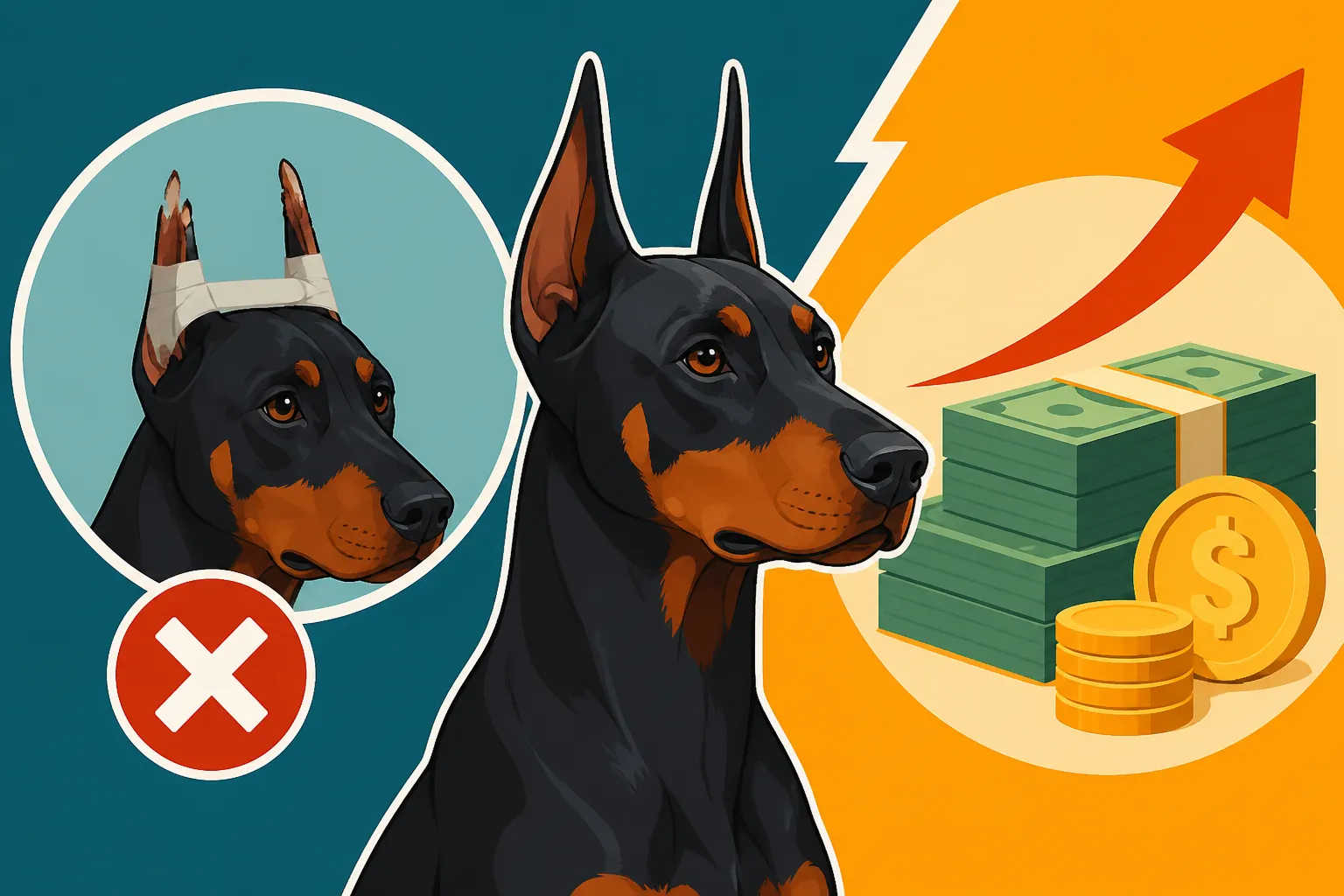
Getting a Doberman's ears cropped is a huge decision, both emotionally and financially. Many owners invest significantly in what they hope will be a perfect, upright set of ears, only to be heartbroken and frustrated when something goes wrong. It's a painful reality that a Doberman's ear crop can indeed "fail" in various ways, leading to additional costs, prolonged aftercare, and immense stress, and this guide will explore how and why this can happen, and what you might face if it does.
Why Doberman Ear Crops Can "Fail" (Beyond Cosmetic Appearance)
When we talk about a Doberman ear crop "failing," it’s often associated with the ears not standing correctly. However, the term encompasses a broader range of issues, some far more serious than just cosmetic dissatisfaction. It's not just about aesthetics; it's about the health and comfort of your Doberman, and the financial and emotional toll on you. A "failed" crop can mean anything from minor imperfections to significant infections or even permanent damage.
The Nuance of "Failure": Cosmetic vs. Health Concerns
For many, the ultimate goal of ear cropping is for the ears to stand erect and parallel, complementing the Doberman's striking profile. When they don't stand—perhaps one ear flops, or both have weak pockets, or they lean inward or outward—that's a cosmetic "failure." It's incredibly frustrating, especially after all the effort of posting. However, beyond the visual outcome, there are more serious health-related failures. These can include severe infections, necrosis (tissue death), excessive scarring, or chronic pain, which clearly go far beyond what any owner expects or hopes for. These health issues are not only distressing for the dog but can quickly lead to much higher vet bills.
The Crucial Role of the Surgeon and Aftercare
The success of a Doberman ear crop hinges heavily on two main factors: the skill of the veterinary surgeon and the diligence of the aftercare provided by the owner. An inexperienced surgeon, or one who uses outdated techniques, might leave too much or too little cartilage, or make an uneven cut, compromising the ears' ability to stand or heal properly. But even with a masterful surgical job, improper aftercare can undo all the good work. Neglecting posting, allowing moisture in the bandages, or failing to address early signs of infection can quickly turn a promising crop into a problematic one. It truly is a partnership between the vet and the owner, and a breakdown in either area can lead to significant problems.
Common Issues Leading to Crop Failure and Extra Costs
The journey of Doberman ear cropping doesn't end when your dog leaves the surgery table. It's a marathon of aftercare, and many hurdles can arise, each potentially adding to the overall financial burden. From infections to scar tissue, these common complications can prolong the process and escalate costs.
Infections and Healing Complications
One of the most immediate and worrying complications is infection. The surgical site is a wound, and like any wound, it's susceptible to bacterial invasion, especially during the vulnerable initial healing phase. Signs like excessive redness, swelling, foul odor, or discharge from the ear base are red flags. A mild infection might only require oral antibiotics and careful cleaning, but a severe one could necessitate debridement (removal of dead tissue), extensive wound care, and even further surgery. These treatments mean multiple vet visits, diagnostic tests, medications, and potentially specialized bandaging supplies, all of which quickly add up. Neglecting these early signs can lead to more deeply rooted infections that are much harder and more expensive to treat, sometimes resulting in irreversible damage or permanent disfigurement. You might find yourself researching Wound Healing in a Doberman With Thin Skin if the initial healing is compromised.
Improper Cropping Technique or Length
Sometimes, the "failure" isn't in the aftercare but in the initial surgery itself. An improper cropping technique can be a nightmare to fix. If the surgeon takes too much ear leather, there might not be enough cartilage or support to allow the ear to stand. Conversely, leaving too much can make the ear heavy and difficult to post correctly. The length of the crop also plays a significant role; a cut that is too short might look disproportionate, while one that is too long might be challenging to get to stand. These issues are almost always aesthetic, but they can be profoundly disappointing for owners who had a specific look in mind. Correcting these errors often involves a second, highly specialized surgical procedure, if even possible. This revision surgery is almost always more complex and costly than the initial crop, requiring a skilled specialist and adding another layer of recovery and posting to the process.
Scar Tissue Formation and Weak Cartilage
Scar tissue is a natural part of healing, but excessive or improperly formed scar tissue can be a major culprit in crop failures. If too much scar tissue forms, especially around the base or edges of the ear, it can become rigid and prevent the ear from standing erect. This is particularly problematic in areas critical for support, like the ear base or the "pocket" where the ear attaches to the head. Similarly, some Dobermans simply have weaker cartilage than others, a factor that is genetic and cannot be altered by surgery. Even with a perfect cut and diligent posting, weak cartilage can make it extremely difficult for the ears to ever achieve a strong, upright stance. Addressing significant scar tissue might involve steroid injections to soften the tissue or, in severe cases, surgical removal, which is yet another procedure with its own recovery and cost. When considering the initial procedure, understanding The Six Hundred Dollar Doberman Crop is just the starting point; failures can multiply this cost significantly.
Aftercare Errors and Posting Problems
The most common reason for a crop not standing isn't the surgery itself, but issues during the months-long aftercare process. Posting Doberman ears correctly and consistently is an art form. If the ears aren't posted straight, or if the posts aren't changed regularly, or if the technique allows the ears to curl or bend, they simply won't form correctly. Moisture under posts can lead to skin irritation or infection, while posts that are too tight can cut off circulation. Many owners, especially first-timers, struggle with proper posting technique, which can lead to frustration and ultimately, ears that never stand. It’s important to acknowledge that this isn't a simple weekly vet visit; it's a daily commitment. The sheer number of Posting Changes a Doberman Needs highlights this ongoing effort. Seeking professional assistance for posting, even if it adds to the cost of What a Doberman Cropping Aftercare Visit Costs, can be invaluable. Sometimes, the temptation to cut corners by Posting a Doberman's Ears Yourself to Save Money can lead to greater long-term expenses if done incorrectly.
Corrective Measures and the Escalating Bill
When a Doberman ear crop doesn't go as planned, the path to correction can be long, disheartening, and expensive. Owners often find themselves facing decisions that are far more complicated than the initial choice to crop, all while the bills continue to mount.
Extended Posting and Veterinary Consultations
The first line of defense against a "failing" crop is often simply more time and more diligent posting. This means extending the period the ears are taped up, sometimes for many additional months beyond the typical 4-6 months, or even past the dog's first birthday. Each new posting session, whether done at home or by a vet tech, requires fresh supplies, and if you're returning to the vet for professional help, each visit adds a consultation fee on top of the materials. Owners often seek second or third opinions from different veterinarians, particularly those specializing in ear cropping or corrective work. These consultations aren't cheap, as you're paying for specialized expertise to assess the specific problem and recommend a course of action. The emotional toll of consistently trying to get the ears to stand can be immense, leading to burnout for both the owner and the dog.
Revision Surgery and Specialized Procedures
For more significant problems like severe scar tissue, uneven cuts, or ears that simply won't stand despite diligent posting, revision surgery might be the only option. This is a far more delicate and complex procedure than the initial crop, requiring a highly skilled and experienced veterinary surgeon, often a specialist. Revision surgeries aim to correct asymmetries, remove excessive scar tissue, or re-shape the ear cartilage to encourage standing. Because of their complexity and the specialized skills required, these surgeries are substantially more expensive than the original crop. The cost can quickly double or even triple the initial expense. Beyond the surgery itself, there's the renewed round of anesthesia, pain medications, antibiotics, and weeks to months of intensive aftercare and posting, essentially restarting the entire, exhausting process. When considering these significant interventions, understanding the Year One With a Doberman Puppy Priced Out can give you a baseline, but revision surgery often pushes costs far beyond initial estimates.
Addressing Complications Like Chronic Infections or Necrosis
Sometimes, the failure isn't just cosmetic but leads to serious health complications. Chronic ear infections, which can stem from moisture trapped under postings or an initial infection that wasn't fully resolved, can require repeated courses of antibiotics, antifungal medications, specialized ear flushes, and frequent vet visits. These ongoing treatments are costly and can be frustrating for both you and your Doberman. Even more severe is necrosis, where parts of the ear tissue die due to compromised blood supply or severe infection. Necrosis requires immediate and aggressive intervention, often involving surgical debridement (removal of dead tissue) and intensive wound management. In the worst-case scenarios, significant portions of the ear may need to be removed, leading to permanent disfigurement. The bills for these critical interventions can be astronomical, potentially involving emergency vet fees, overnight stays, and specialized care.
The Emotional and Financial Burden on Owners
Beyond the direct costs, a failed ear crop carries a heavy emotional and psychological burden. Owners invest deeply in their Doberman's health and appearance, and seeing a botched job or struggling through months of painful aftercare can be incredibly stressful. There's guilt, frustration, and often anger directed at the situation, the surgeon, or even themselves. The financial strain of repeated vet visits, extended posting supplies, medications, and potentially costly revision surgeries can be overwhelming, especially if these expenses weren't budgeted for. It's a reminder that getting a Doberman means preparing for a range of potential costs, and elective procedures can sometimes bring unexpected ones. It's essential to understand that this is a long-term commitment, not just for the ears but for A Doberman's Whole-Life Total.
Preventing and Preparing for Potential Problems
While the prospect of an ear crop failure is daunting, there are concrete steps you can take to minimize the risks and prepare yourself for potential challenges. Diligent research, careful selection of your veterinarian, and a proactive approach to aftercare are paramount.
Choosing an Experienced and Reputable Cropping Veterinarian
This is, without a doubt, the single most critical decision you will make. Not all veterinarians perform ear crops, and fewer still specialize in them with consistent, excellent results. Seek out a vet who comes highly recommended by Doberman breeders, local Doberman clubs, or experienced owners. They should have a portfolio of their work, showing healed ears from puppies they've cropped. Don't be shy about asking how many Doberman crops they perform annually, what their aftercare protocol involves, and their success rate. A skilled surgeon understands Doberman anatomy, the nuances of different crop styles, and uses proper sterile techniques to minimize infection risk. They should also be available for support and advice throughout the aftercare period. Choosing an inexperienced vet solely based on a lower price can be a classic case of "penny wise, pound foolish," leading to far greater costs down the line. It's worth researching Vets Who Will and Will Not Crop a Doberman in your area.
Understanding the Aftercare Commitment Thoroughly
Before you commit to cropping, you must have a complete understanding of the aftercare process. This isn't a "set it and forget it" procedure. You will be actively involved for weeks, often months. Ask your vet for a detailed, step-by-step guide to aftercare, including how to clean the ears, how to change posts, what supplies you'll need, and what signs of trouble to look for. Understand the frequency of bandage changes and vet check-ups. Realize that this will require a significant time commitment, patience, and often a strong stomach for handling your puppy's sensitive, healing ears. If you anticipate struggling with the posting yourself, factor in the cost of regular professional posting appointments. A clear plan and commitment to proper aftercare are as crucial as the surgery itself.
Financial Planning for Unexpected Complications
Even with the best vet and the most diligent aftercare, complications can arise. It's wise to budget for potential additional expenses. Set aside a contingency fund specifically for extended aftercare, possible infection treatments, or even the possibility of revision surgery. While pet insurance is a wonderful tool for unexpected illnesses and accidents, it’s crucial to understand that most policies do not cover elective cosmetic procedures like ear cropping or any complications directly arising from them. You should always read the fine print of any pet insurance policy and discuss with the provider exactly what is and isn't covered regarding cosmetic surgeries. Preparing for the worst financially can alleviate immense stress if things don't go perfectly, and ensure your Doberman gets the care it needs. Don't forget that this is just one aspect of A Doberman's Whole-Life Total, and planning for all potential health costs is vital.
Here's a table outlining common crop issues, their signs, and potential financial implications:
| Issue Type | Common Signs | Potential Solutions/Action | Financial Implications (Shape of Cost) |
|---|---|---|---|
| Infection | Redness, swelling, discharge, odor, pain | Antibiotics, cleaning, debridement | Moderate to high (multiple vet visits, medications, possibly further minor procedures) |
| Ears Not Standing (Weak) | Ears flop, lean, lack rigidity post-healing | Extended posting, stronger posts, bracing | Low to moderate (more supplies, longer vet tech visits) |
| Scar Tissue | Hard lumps/ridges at ear base/edges | Steroid injections, massage, possible revision | Moderate to high (specialist consultations, injections, possible surgery) |
| Uneven Crop | Asymmetrical length, shape, or angle | Revision surgery (highly specialized) | High to very high (specialist surgeon, anesthesia, extended recovery) |
| Necrosis (Tissue Death) | Dark, cold, non-responsive areas of ear tissue | Immediate debridement, intensive wound care | Very high (emergency vet, surgery, hospitalization, long-term care) |
| Aftercare Related | Irritation, sores, damaged cartilage from posting | Adjusted posting technique, topical treatments | Low to moderate (extra supplies, vet advice, minor medications) |
Remember, the goal is always to have a healthy, happy Doberman, and making informed decisions about ear cropping is a huge part of that.
Disclaimer
This article is for general informational purposes only and does not constitute professional advice. Laws, prices and regulations vary by location and change over time. Consult a qualified professional for guidance on your specific situation.