The Doberman Memorial on Guam
It's easy to look at our Dobermans today, snoozing on the couch or nudging our hand for a pet, and forget the incredible, sometimes heartbreaking, history they carry. But for many, the image of the Doberman is still tied to its wartime service, a legacy that solidified its reputation as a fearless, loyal protector. One particular place where this powerful history comes alive is the Doberman Memorial on Guam, a solemn tribute to the canine heroes who fought and died alongside their human counterparts during one of the bloodiest conflicts in history. This guide delves into the profound story behind this memorial and the invaluable role these dogs played.
The Doberman's Unsung Role in World War II
When we think of World War II, images of human soldiers, ships, and planes often come to mind. But there was another crucial, four-legged contingent whose bravery and sacrifice were instrumental, especially in the brutal Pacific Theater: the War Dogs. These were not just pets; they were trained combatants, scouts, sentries, and messengers, operating in conditions that would challenge even the most hardened human soldier. The Doberman Pinscher, with its keen intelligence, unwavering loyalty, and formidable physical presence, quickly rose to prominence in this specialized role.
"Devil Dogs" and the Pacific Theater
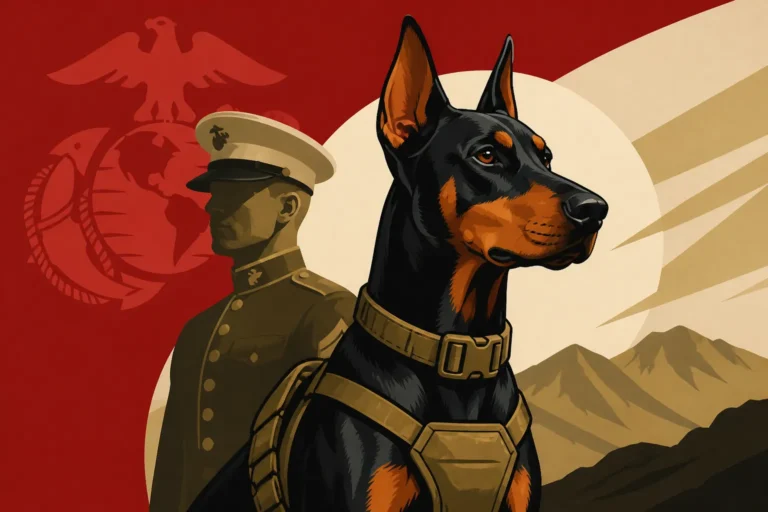
The moniker "Devil Dogs" is often associated with the U.S. Marines, but in the context of the Pacific War, it could just as easily describe the Dobermans who served with them. The jungles and caves of islands like Guam, Bougainville, and Iwo Jima presented unique challenges. Dense foliage, hidden enemy positions, and the constant threat of ambush made traditional scouting incredibly dangerous. This is where the Dobermans excelled. Their superior senses of smell and hearing allowed them to detect enemy soldiers, booby traps, and hidden bunkers long before a human ever could. Imagine navigating through thick, suffocating jungle, every shadow a potential threat, and relying on your Doberman partner to alert you to danger. These dogs were literally lifesavers, warning patrols of impending attacks, locating wounded soldiers, and even carrying vital messages through dangerous terrain. The bond between these Marines and their dogs was absolute, forged in the crucible of combat. Why the Marine Corps Chose Dobermans offers more insight into the specific traits that made them ideal.
The choice of the Doberman wasn't accidental. They possessed a combination of traits that few other breeds could match. Their athleticism allowed them to keep pace with fast-moving patrols, their natural guarding instincts were easily channeled into sentry duty, and their courage was legendary. They were large enough to be intimidating, yet agile enough to navigate treacherous landscapes. It was a role that demanded absolute dedication and nerves of steel, and the Dobermans delivered, often paying the ultimate price.
Training and Deployment
The journey from a civilian dog to a war hero was rigorous. Dobermans were often donated by their civilian owners, answering the call of patriotic duty. They underwent intensive training at facilities like the Marine Corps War Dog Training School at Camp Lejeune, North Carolina. Here, they learned to perform a myriad of tasks critical for jungle warfare. This included silent scouting, detecting enemy presence by scent, tracking, sentry duty, and even attacking on command. They were taught to be impervious to the sounds of gunfire and explosions, to ignore distractions, and to work as an extension of their handlers. The training was tough, mirroring the harsh realities they would soon face.
Once their training was complete, these canine soldiers, along with their handlers, were deployed to the Pacific. The conditions were brutal: intense heat, humidity, unfamiliar diseases, and constant combat stress. The Dobermans faced these challenges head-on, often working through exhaustion and injury. They patrolled alongside their human partners, sharing their rations (though perhaps a more specialized diet would have come from a dedicated pet supplier like Chewy if they were around back then!), and offering a silent, steadfast presence in the midst of chaos. The dogs were integrated directly into units, becoming indispensable members of the team. Many stories abound of Dobermans who went above and beyond, exemplifying the breed's renowned loyalty and bravery. The Doberman That Saved Marines in the Pacific details some of these heroic accounts.
The Significance of the Doberman Memorial on Guam
Amidst the lush, tropical landscape of Guam, stands a powerful and moving tribute: the Doberman Pinscher Memorial, often simply called the "War Dog Memorial." It's a place where the sacrifices made by these four-legged heroes are permanently enshrined, ensuring that their contributions are never forgotten.
Honoring Sacrifices
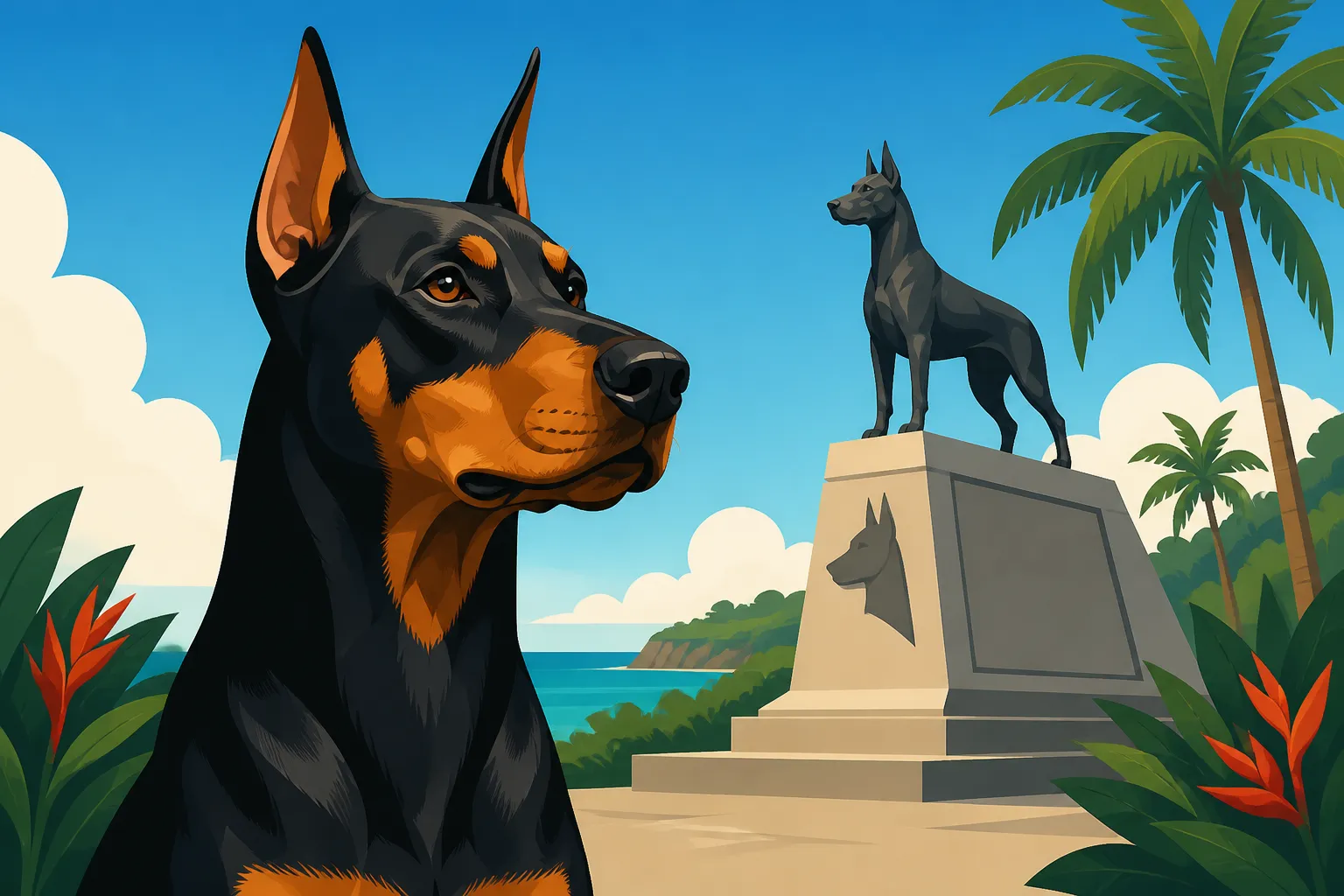
The Doberman Memorial, dedicated in 1994, is a striking bronze sculpture depicting a Doberman Pinscher standing guard. At its base, the names of 25 Marine War Dogs who died during the liberation of Guam in 1944 are etched into stone. It's a somber reminder of the 1,600 dogs who served in the Pacific Theater, and the many who never returned home. These dogs weren't just animals; they were comrades, friends, and vital members of their platoons. They saved countless human lives, often by sacrificing their own. The memorial isn't just a statue; it's a testament to loyalty, courage, and unconditional service. For many Doberman owners, visiting this memorial is a deeply emotional experience, connecting them directly to the breed's storied past and the profound bond between humans and dogs.
The names listed on the monument represent dogs from various units, all contributing to the same goal. Their stories are often heartbreaking but inspiring: dogs who led patrols through minefields, dogs who alerted to ambushes, dogs who stayed by fallen soldiers until help arrived. Each name etched there carries with it a tale of immense bravery. This memorial helps us remember that the cost of war is paid by all who serve, regardless of species. It's a place for quiet reflection, to honor these silent warriors who asked for nothing more than a kind word and a belly rub, yet gave everything. The Doberman's War Record delves deeper into their overall service history.
More Than Just a Monument
The Doberman Memorial on Guam transcends being just a physical monument; it represents a fundamental shift in how working dogs are perceived and honored. Before World War II, while dogs had certainly served in various capacities, their systematic integration into combat roles on such a large scale was relatively new for the US military. This memorial, therefore, not only honors the individual Dobermans but also validates the concept of dogs as legitimate soldiers, deserving of the same respect and recognition as their human counterparts.
This recognition has had a ripple effect, shaping the ongoing development of military and police canine programs around the world. It underscores the immense value that highly trained dogs bring to dangerous and complex situations. It’s a silent advocate for the continued use and care of these incredible animals, highlighting their unique abilities that technology simply cannot replicate. Furthermore, for the Doberman breed specifically, it cemented their image as capable, intelligent, and protective dogs. While the breed's Doberman Temperament as the Standard Describes It emphasizes courage and alertness, their wartime service undeniably amplified this perception, leaving a lasting impression on the public consciousness.
The memorial serves as an educational tool, too. It teaches visitors, especially younger generations, about a less-known aspect of military history and the critical role animals have played in human conflicts. It encourages a deeper appreciation for the loyal companions we share our lives with, reminding us of their inherent capacity for loyalty and service. When you consider the practical needs of these dogs in their working lives, from specialized nutrition to durable gear, it's clear their needs are unique, just like the specific products you might find on Chewy today for a working dog's robust health.
Legacy and Lasting Impact
The legacy of the Dobermans who served in World War II, particularly those honored on Guam, extends far beyond the battlefield. It has shaped public perception, military doctrine, and even the way we appreciate our own companion animals.
Remembering the Canine Heroes
The Doberman Memorial is a powerful reminder that heroism comes in many forms, and that loyalty knows no species boundaries. The stories of these dogs have become part of military folklore, passed down through generations of servicemen and women. They remind us that the bonds forged in combat are incredibly strong, often transcending the verbal. For many veterans, the memory of their war dog is as vivid and cherished as that of any human comrade. These dogs offered not just protection, but also comfort and unwavering companionship in the most desolate circumstances.
The memorial also serves to educate. It’s a focal point for understanding the history of military working dogs, prompting questions about how they were trained, what roles they played, and how their contributions impacted the outcome of battles. It’s a quiet place where one can reflect on the broader context of sacrifice and service, recognizing that every life given in the line of duty, whether two-legged or four, is worthy of remembrance. The very existence of this memorial ensures that the Dobermans of the Pacific are not just footnotes in history, but recognized heroes. It reinforces why people fall in love with the breed – their intelligence, their devotion, and their innate protective nature, aspects we still see in our modern Dobermans.
Modern Working Dogs and Their Heritage
The groundbreaking work of the Doberman Pinschers in WWII paved the way for the sophisticated military and police K9 programs we see today. From Dobermans as Police Dogs Then and Now to their current roles in search and rescue, these animals continue to serve with distinction. Modern working dog breeds, whether Belgian Malinois, German Shepherds, or indeed Dobermans themselves, owe a debt of gratitude to these early pioneers. The lessons learned from their deployment—from training methodologies to logistics and handler integration—continue to inform contemporary practices.
Today’s working dogs benefit from advanced veterinary care, specialized nutrition, and sophisticated training methods, all building on the foundation laid by the Doberman war dogs. They wear protective gear, receive regular health screenings, and even have retirement programs. When we consider the extensive range of products available for working dogs today, from high-performance kibble to tactical harnesses found on sites like Chewy, it’s a testament to the increased value and understanding of their specialized needs—a direct result of the recognition gained through memorials like the one on Guam.
The Doberman Memorial on Guam is more than just a piece of art or a historical marker. It is a symbol of enduring loyalty, unparalleled bravery, and the unbreakable bond between humans and dogs. It’s a reminder that courage knows no species, and that sometimes, the quietest heroes leave the loudest legacies. As we cherish our Dobermans today, let us remember these noble ancestors and the profound impact they had on history.
Disclaimer
This article is for general informational purposes only and does not constitute professional advice. Laws, prices and regulations vary by location and change over time. Consult a qualified professional for guidance on your specific situation.