Whether Doberman Hips Are Worth X-Raying
It's a tough spot, isn't it? You love your Doberman fiercely, and you want to do everything right for their health, but the veterinary bills can add up quickly. When your vet starts talking about X-rays for something like hip dysplasia, it’s natural to wonder if it's truly necessary, or just another expense. This guide is here to shed some light on why hip X-rays for Dobermans are more than just a formality – they're a crucial tool in ensuring a long, comfortable life for your beloved companion.
Understanding Doberman Hip Dysplasia
Hip dysplasia is one of those terms that can make any dog owner's heart sink, and it's particularly relevant for Doberman owners. It's a developmental condition that affects the hip joints, and while it's more commonly associated with larger, heavier breeds, Dobermans are by no means immune. Understanding what it is and why our sleek, athletic Dobermans can be susceptible is the first step toward appreciating the value of early diagnosis and management.
What is Hip Dysplasia?
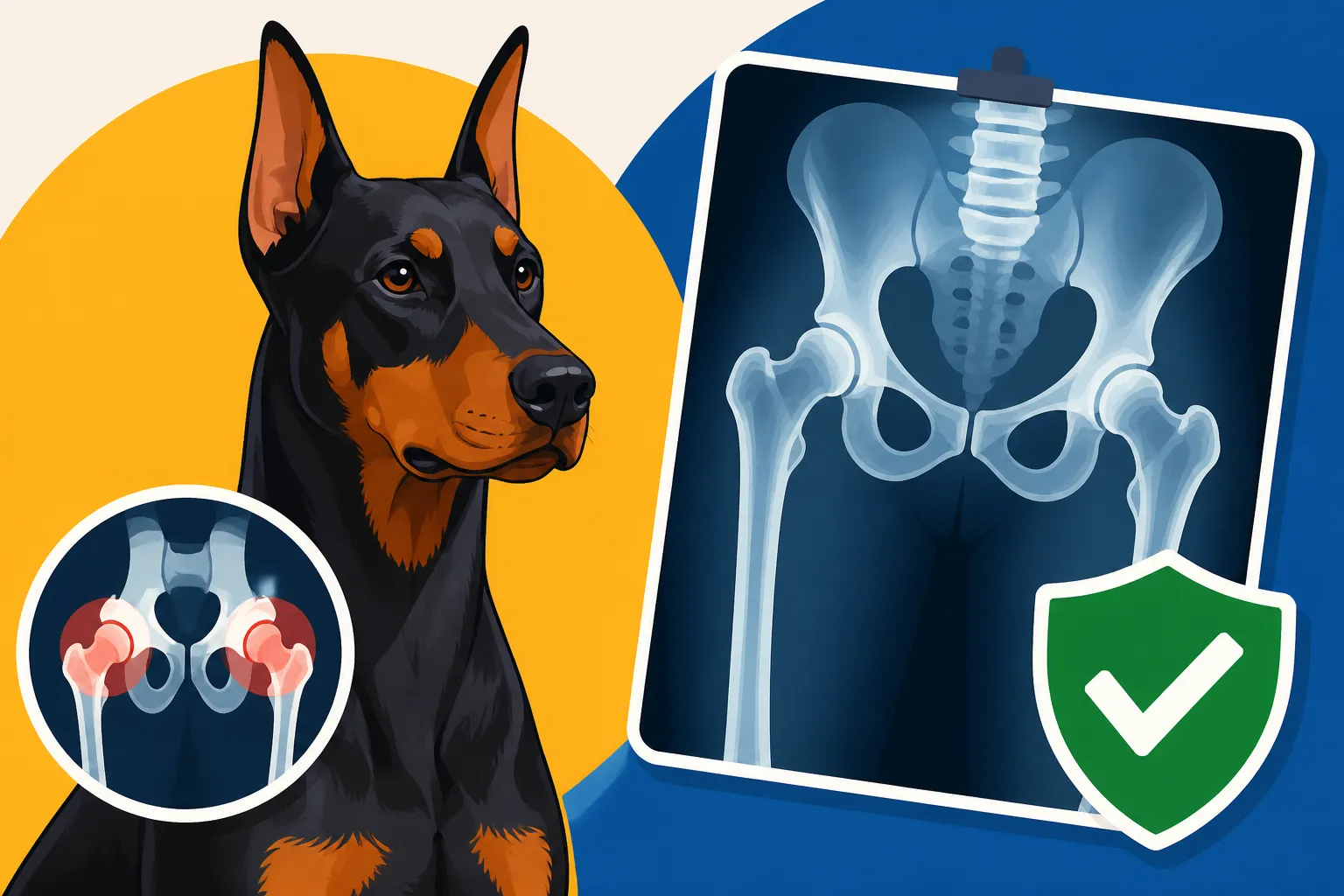
At its core, hip dysplasia is a malformation of the hip joint. Think of a healthy hip as a perfectly fitted ball and socket. The "ball" (the head of the femur, or thigh bone) sits snugly within the "socket" (the acetabulum, part of the pelvis). In a dysplastic hip, this fit is loose or uneven. Instead of gliding smoothly, the ball and socket rub and grind against each other. Over time, this abnormal movement causes wear and tear, leading to cartilage damage, inflammation, pain, and eventually, degenerative joint disease or osteoarthritis. It’s a progressive condition, meaning it often gets worse over time without intervention.
The physical manifestation can vary wildly. Some Dobermans might show obvious signs of lameness, struggling to get up, or hopping like a bunny when they run. Others might be incredibly stoic, hiding their discomfort until the disease is quite advanced. This stoicism is a classic Doberman trait – they’re tough, and they often try to push through pain, which can unfortunately mask serious underlying issues. This is why proactive measures, like hip X-rays, become so important; they allow us to see what's happening internally long before our Dobermans might let on that anything is wrong. Imagine your dog silently enduring discomfort for years because you didn't know there was an issue – that's the scenario we're trying to avoid.
Why Dobermans Are Susceptible
While Dobermans aren't at the top of the list for hip dysplasia prevalence like some giant breeds, they are still considered a breed at risk. This susceptibility is a combination of genetic predisposition and environmental factors. Genetics play a huge role; if a Doberman's parents or grandparents had hip dysplasia, the chances of their offspring developing it significantly increase. This is why ethical breeders are so meticulous about the health testing their Doberman breeder must show, including hip evaluations, before deciding to breed. They want to ensure they are passing on the best possible genes.
Beyond genetics, a Doberman's rapid growth rate as a puppy and their athletic build can contribute to the development or exacerbation of hip dysplasia. Intense, high-impact exercise at a young age, especially before their growth plates have closed, can put undue stress on developing joints. Similarly, improper nutrition during growth, such as diets too high in calories or calcium, can also play a part. Maintaining a lean body condition throughout a Doberman's life is also critical, as excess weight puts additional strain on the hips, accelerating the progression of arthritis in an already compromised joint. We often see owners worried about getting weight onto a Doberman that burns it off, but sometimes a little too much weight, especially on growing joints, can be just as detrimental.
The Value of Hip X-Rays for Dobermans
So, if hip dysplasia is a genetic condition exacerbated by growth and lifestyle, why bother with X-rays? Isn't it just an expensive picture? The truth is, these X-rays are far more than just snapshots. They offer invaluable insight into your Doberman's skeletal health, providing concrete data that empowers both you and your veterinarian to make informed decisions about their care, well-being, and even future generations.
Early Detection and Proactive Management
One of the most significant benefits of hip X-rays is the ability to detect hip dysplasia early, often before your Doberman shows any overt clinical signs. As we discussed, Dobermans are tough and may hide discomfort for a long time. An X-ray can reveal the subtle signs of joint laxity or early degenerative changes that are invisible to the naked eye. Imagine your Doberman is just starting to show a slight stiffness in a Doberman that used to sprint after a long run, but you dismiss it as normal aging. An X-ray could reveal that their hips are already developing significant issues, giving you a head start on managing the condition.
Early detection means you can implement proactive management strategies much sooner. This might include dietary adjustments, joint supplements, controlled exercise routines to build supporting muscle without stressing the joints, and even physical therapy. For instance, rather than waiting until your Doberman is in noticeable pain and requires strong medication, you could start them on a regimen of glucosamine and chondroitin, explore specific exercises designed to strengthen the gluteal muscles around the hip, and ensure they're on an appropriate diet that supports joint health, perhaps even exploring whether joint supplements help a long-backed Doberman with their specific needs. This approach can significantly slow the progression of the disease, alleviate pain, and improve your Doberman’s overall quality of life for years to come. It’s about being prepared and giving your dog the best possible chance at comfort.
Peace of Mind and Breeding Decisions
For many Doberman owners, hip X-rays provide immense peace of mind. Knowing the condition of your dog’s hips allows you to understand their physical limitations and plan accordingly. If your Doberman has excellent hips, you can confidently engage them in appropriate athletic activities without excessive worry. If they have mild dysplasia, you can tailor their exercise, making adjustments like opting for swimming over high-impact jumps, and closely monitor for signs of discomfort. This proactive knowledge saves you from the anguish of wondering why your dog is suddenly limping or struggling, and gives you a clear path forward.
For those involved in breeding Dobermans, hip X-rays are absolutely non-negotiable. Breeding dogs with hip dysplasia contributes to the perpetuation of the condition within the breed. Reputable breeders will always have their breeding stock's hips evaluated through recognized organizations like the Orthopedic Foundation for Animals (OFA) or the University of Pennsylvania Hip Improvement Program (PennHIP) before deciding whether a Doberman should be screened before breeding. This commitment to health screening helps ensure that future generations of Dobermans have the best possible chance at healthy hips. When you're looking for a Doberman puppy, asking for proof of hip evaluations for both parents is one of the most critical steps you can take to mitigate future health risks. Insurers like Healthy Paws, for example, encourage preventative care and early diagnosis, which can sometimes impact future coverage depending on when a condition is diagnosed. Knowing your dog’s hip status upfront means you’re making informed decisions that could impact their entire life, and your wallet.
The X-Ray Process and Grading Systems
When your veterinarian suggests hip X-rays, it’s typically a straightforward process, though it does usually require sedation or general anesthesia. This isn't because the X-ray itself is painful, but because achieving the precise positioning required for accurate evaluation is crucial and nearly impossible to do on a conscious, wiggly dog. The dog needs to be perfectly straight on their back, with their legs extended and rotated inward to properly visualize the hip joints without distortion. This careful positioning ensures that the images are clear and diagnostic, allowing veterinarians and board-certified radiologists to properly assess the joint structure.
Once the X-rays are taken, they are typically submitted to a recognized registry for evaluation. The two main ones in North America are OFA and PennHIP.
OFA (Orthopedic Foundation for Animals):
The OFA evaluates hip radiographs from 24 months of age and assigns a grade based on seven categories: Excellent, Good, Fair (all considered "pass" grades), Borderline, Mild, Moderate, or Severe (these last three are considered dysplastic). The grading is done by three independent radiologists who come to a consensus.
PennHIP (University of Pennsylvania Hip Improvement Program):
PennHIP can be performed on Dobermans as young as 16 weeks and provides a quantitative measure of hip laxity, or looseness. It involves three different views and provides a Distraction Index (DI) score. A lower DI indicates tighter hips, meaning less laxity and a lower risk of developing hip osteoarthritis.
The results from either system provide valuable information. For pet owners, it gives a clear picture of their Doberman's current hip health and helps guide future care. For breeders, these certifications are vital for making responsible breeding decisions, working towards reducing the incidence of Doberman hip dysplasia in the breed. Having this detailed information allows you to plan for your Doberman’s future, potentially mitigating significant expenses and discomfort down the line. If you have pet insurance, like a policy from Healthy Paws, understanding these evaluations can be important for any future claims related to hip issues.
| Aspect | OFA (Orthopedic Foundation for Animals) | PennHIP (University of Pennsylvania Hip Improvement Program) |
|---|---|---|
| Minimum Age | 24 months (Final certification) | 16 weeks |
| Method | Single X-ray view (ventrodorsal extended leg), subjective scoring | Three X-ray views (distraction, compression, extended leg), objective measurement |
| Output | Qualitative grade (Excellent, Good, Fair, Borderline, Mild, Moderate, Severe) | Quantitative Distraction Index (DI) score (0-1, lower is better) |
| Goal | Identify dogs suitable for breeding (Fair or better) | Quantify hip laxity and rank dogs within breed |
| Advantages | Widely recognized, established database, simpler procedure | Earlier screening, more objective measure of laxity, better predictor of OA risk |
| Disadvantages | Can miss early signs of laxity, later screening age | Requires specialized training/equipment, higher cost |
Beyond X-Rays: Holistic Hip Health for Your Doberman
While hip X-rays provide the diagnostic clarity we need, they are just one piece of the puzzle when it comes to a Doberman’s overall hip health. A holistic approach, combining responsible breeding, appropriate exercise, tailored nutrition, and supportive care, is what truly makes the difference in managing and preventing hip issues throughout their lifespan. It's about looking at the whole dog, not just the bones.
Lifestyle Adjustments and Supportive Care
Once you have an understanding of your Doberman's hip status, whether through X-rays or careful observation, lifestyle adjustments become paramount. For a Doberman with healthy hips, controlled exercise is key. This means avoiding excessive high-impact activities like repetitive jumping or long-distance running on hard surfaces, especially during their crucial growth phases. Protecting a growing Doberman's joints with appropriate exercise and avoiding forced strenuous activity when they are puppies is incredibly important for their long-term health. Instead, focus on activities that build muscle mass around the hips without undue stress, such as swimming, leash walks, and structured play sessions.
For Dobermans with diagnosed hip dysplasia, these adjustments become even more critical. They might benefit from daily, shorter walks rather than one long strenuous outing. Hydrotherapy, where they exercise in water, is fantastic for building muscle support without weight-bearing impact. Acupuncture and chiropractic care are also gaining recognition as complementary therapies that can provide significant relief for dogs with chronic joint pain. Providing comfortable bedding for an old Doberman's elbows and hips is also vital, as pressure points can worsen discomfort. Think about soft, orthopedic beds that cushion their joints, especially as they age. Every little bit of support helps them maintain comfort and mobility.
When to Consider Treatment
The decision to pursue treatment for hip dysplasia is a very personal one, often dictated by the severity of the condition, your Doberman's age, and their individual pain tolerance. For mild to moderate cases, conservative management is often the first line of defense. This includes pain medications (NSAIDs), joint supplements, weight management, and physical therapy. The goal here is to reduce inflammation, manage pain, and strengthen the surrounding muscles to provide better support for the joint.
However, there are times when conservative management isn't enough, and surgical intervention might be necessary. There are several surgical options available, each with its own indications and recovery protocols:
- Juvenile Pubic Symphysiodesis (JPS): Performed on young puppies (typically under 5 months of age), this procedure alters the growth of the pelvis, leading to better coverage of the femoral head.
- Triple Pelvic Osteotomy (TPO) or Double Pelvic Osteotomy (DPO): These procedures involve cutting and rotating parts of the pelvis to create a better-fitting socket. They are typically performed on younger dogs with significant laxity but minimal degenerative changes.
- Femoral Head Ostectomy (FHO): This is a salvage procedure where the head of the femur is removed, allowing a "false joint" to form. It's often considered for smaller dogs or when other surgeries aren't feasible, and while it doesn't create a perfect joint, it can significantly reduce pain.
- Total Hip Replacement (THR): This is the most effective surgical treatment, replacing the damaged hip joint with prosthetic components. It offers the best chance for a pain-free, functional hip, but it is also the most expensive and technically demanding procedure.
Discussing these options thoroughly with your veterinarian and potentially a veterinary orthopedic specialist is crucial. They can help you weigh the pros and cons, considering your Doberman's specific situation, your financial capabilities (and whether your pet insurance, like Healthy Paws, covers such procedures), and your expectations for their quality of life post-surgery. The goal is always to restore comfort and mobility, allowing your Doberman to enjoy their life as fully as possible, even if it's one of the Doberman years when everything shows up in terms of health challenges.
When it comes to Doberman hip health, X-rays are truly invaluable. They offer a window into your dog's skeletal structure that simply cannot be seen from the outside, allowing for early detection of potential issues. Whether you're a responsible breeder striving to improve the breed or a loving pet owner committed to your Doberman's comfort, understanding their hip health through X-rays empowers you to make proactive choices. Combine this diagnostic insight with diligent care—managing their weight, providing appropriate exercise, and considering supportive therapies—and you'll be giving your Doberman the very best chance at a long, active, and pain-free life. It’s an investment in their future, and that’s always worth it.
Disclaimer
This article is for general informational purposes only and does not constitute professional advice. Laws, prices and regulations vary by location and change over time. Consult a qualified professional for guidance on your specific situation.