Whether Doberman Wobbler Surgery Works
Seeing your beloved Doberman struggle with their gait, stumbling, or looking uncomfortable as they try to navigate their world is truly heartbreaking. It’s a gut-wrenching experience to watch their once-powerful, graceful movements become hesitant and wobbly, and for many Doberman owners, Wobbler Syndrome is a diagnosis that brings immense worry and difficult decisions. This guide will delve deep into the reality of Doberman Wobbler surgery, exploring its mechanics, effectiveness, and what you can realistically expect on this challenging journey.
Understanding Wobbler Syndrome in Dobermans
Wobbler Syndrome, formally known as Cervical Spondylomyelopathy (CSM), is a neurological condition that disproportionately affects large and giant breed dogs, with Doberman Pinschers being notoriously predisposed. It's not just a fancy name; it describes a very real and often painful compression of the spinal cord in the neck region, leading to a host of debilitating symptoms that can severely impact a Doberman's quality of life.
The Mechanism Behind the Wobble
Imagine the spinal cord as the main superhighway for all nerve signals traveling between the brain and the rest of the body. In Dobermans with Wobbler Syndrome, abnormalities in the cervical (neck) vertebrae—either due to bone malformations, disc herniations, or a combination of both—cause this vital superhighway to be squeezed. This compression disrupts the flow of information, leading to the characteristic uncoordinated, drunken-sailor gait that gives the syndrome its name. We often see dogs that appear to be A Doberman That Wobbles on Its Back Legs, losing proprioception—their sense of where their limbs are in space. This isn't just a minor stumble; it's a profound neurological deficit.
Why Dobermans Are So Prone
It's a cruel twist of genetics that Dobermans, with their elegant, long necks and athletic build, are particularly susceptible to Wobbler Syndrome. While research is ongoing, it’s understood that certain aspects of their conformation, combined with inherited factors, make them more likely to develop the specific vertebral malformations and disc issues that cause the spinal cord compression. Typically, The Age Doberman Wobbler Signs Appear can vary, but it often manifests in middle-aged Dobermans, usually between 3 and 8 years old, though it can sometimes show up earlier or later. The unique anatomy of Why Doberman Neck Vertebrae Compress the Cord in Dobermans means that even subtle changes can lead to significant issues, impacting nerve function and motor control.
Recognizing the Symptoms
The classic "wobbly" gait is the most obvious sign, often more pronounced in the hind limbs, giving the impression that the dog is drunk or struggling to balance. You might notice your Doberman taking wider, uncoordinated steps, or even crossing their back legs as they walk. Beyond the obvious, however, there are other tell-tale signs to watch for. Many owners report seeing Scuffed Nails on a Wobbler Doberman, particularly on the hind paws, because their dog isn't lifting their feet properly. They might drag their toes, causing the nails to wear down unevenly or even bleed. Other symptoms include neck pain, reluctance to move their head, weakness, muscle atrophy, and in severe cases, even paralysis. If you're seeing any of these signs, it's crucial to get your Doberman to a vet who understands the breed's predispositions to conditions like Wobbler Syndrome.
Surgical Interventions for Doberman Wobblers
When conservative management isn't enough, or if the neurological deficits are severe and progressing rapidly, surgery often becomes the primary consideration for Doberman Wobbler Syndrome. The fundamental goal of any surgical procedure for CSM is to relieve the pressure on the spinal cord and, in many cases, to stabilize the affected vertebrae to prevent further compression. This isn't a simple fix; it requires skilled veterinary neurosurgeons and a committed post-operative recovery plan.
Decompressing and Stabilizing the Spine
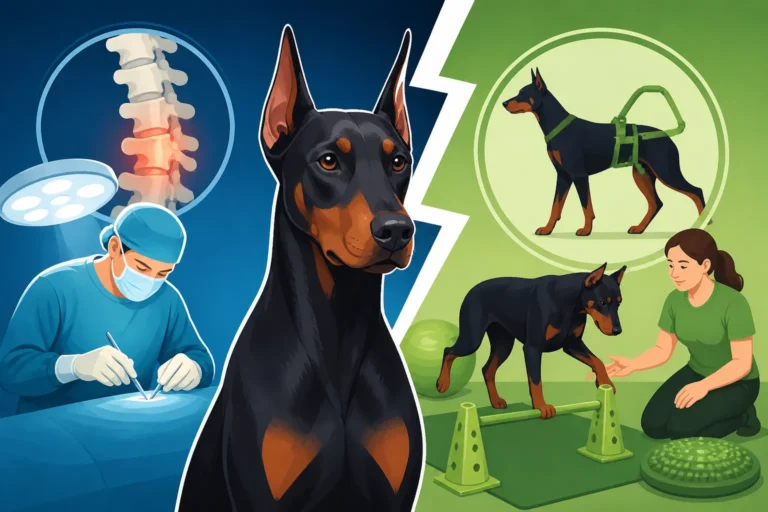
There are several surgical techniques used to address Wobbler Syndrome, and the choice depends heavily on the specific nature and location of the compression, as identified through advanced imaging like an MRI. What a Doberman MRI Shows for Wobblers is critical in pinpointing the exact problem. One common approach is the ventral slot procedure, where the surgeon accesses the spine from the underside of the neck, creating a small window in the vertebral bodies to remove disc material or bone spurs that are pressing on the spinal cord. This is a direct decompression method.
Another approach, often used when the compression is more widespread or from above the spinal cord, is a dorsal laminectomy. Here, the surgeon removes a portion of the vertebral arch from the top (dorsal aspect) to create more space for the spinal cord. In many Doberman cases, especially those with dynamic compression (where the spinal cord gets squeezed more when the neck moves), surgeons may opt for distraction-stabilization techniques. This involves using implants like screws, plates, or even special cages to open up the space between vertebrae and then stabilize them, effectively fusing them together. This ensures the spinal cord is no longer subjected to ongoing compression from movement. Each of these procedures has its own set of technical challenges and potential complications, which your vet and a board-certified veterinary neurologist or surgeon will discuss thoroughly.
The Complexity and Risks Involved
It’s important to understand that spinal surgery, especially in the neck, is a major undertaking. The Doberman's long, relatively slender neck houses critical structures, and working in such a confined area requires extreme precision. Risks include anesthesia complications, infection, hemorrhage, damage to nerve roots or the spinal cord itself, and the possibility that the surgery may not achieve the desired decompression or stabilization. In some unfortunate instances, dogs can even worsen post-surgery due to increased swelling or trauma to the already compromised spinal cord.
Furthermore, it’s not uncommon for Dobermans to have multiple sites of compression along their neck, which can complicate surgical planning and potentially necessitate multiple procedures or a more extensive single surgery. Owners must be prepared for these possibilities and have a frank conversation with their surgical team about the realistic prognosis and potential for complications.
The Effectiveness and Outcomes of Wobbler Surgery
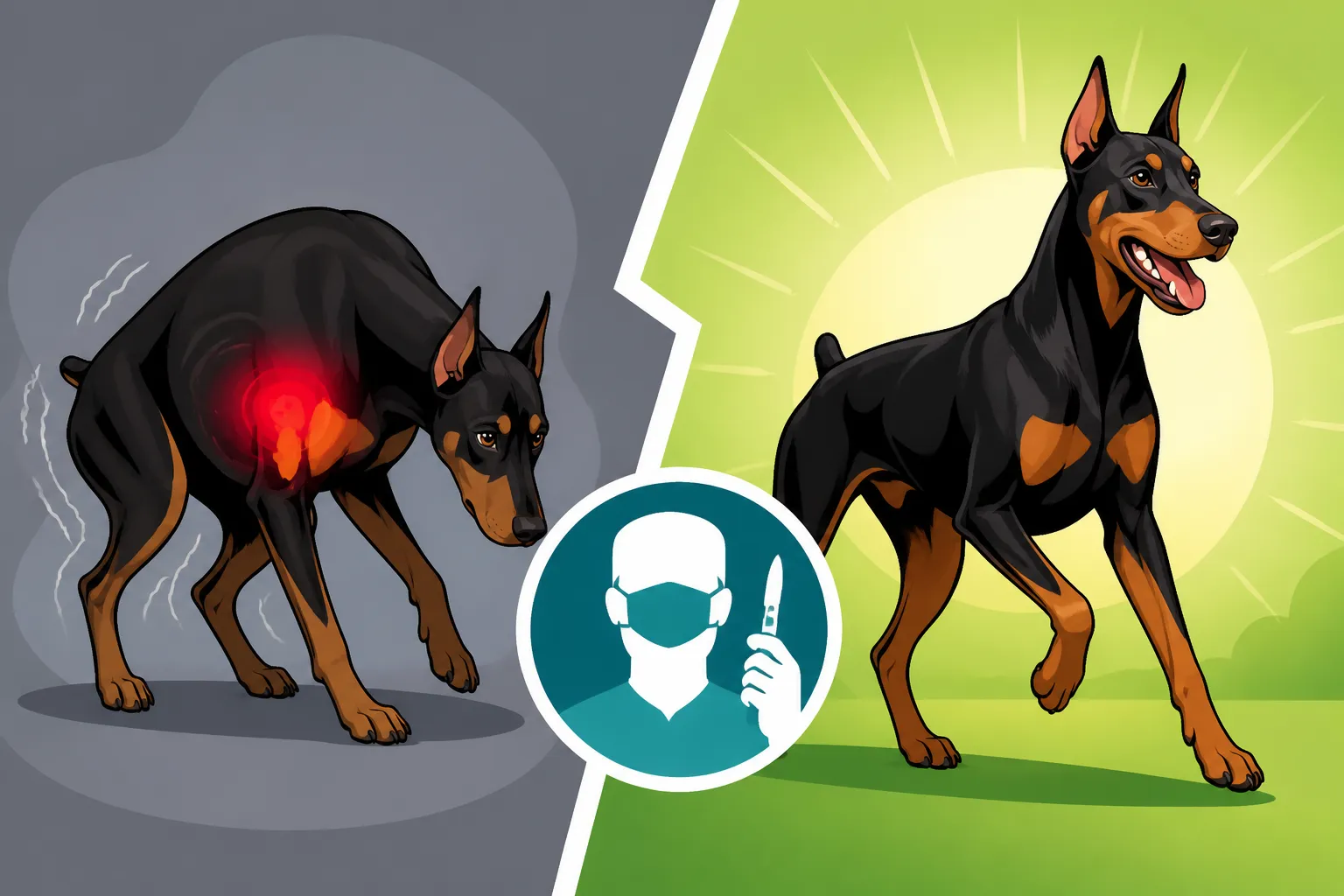
So, the big question is: Whether Doberman Wobbler Surgery Works? The answer isn't a simple yes or no, but rather a nuanced discussion about improvement, managing expectations, and the many factors that contribute to a successful outcome. For many Dobermans, surgery can offer significant relief and improve their quality of life, but it rarely results in a complete "cure" where all neurological deficits disappear.
What Research and Experience Tell Us About Success
Generally, studies suggest that approximately 70-85% of Dobermans undergoing surgery for Wobbler Syndrome show some level of neurological improvement. This improvement can range from modest to significant, often translating to a more stable gait, reduced pain, and better mobility. The primary goal is usually to improve ambulation and reduce pain, allowing the dog to move more comfortably and enjoy daily activities.
However, "improvement" doesn't necessarily mean a return to pre-condition athleticism. Many dogs will still exhibit some degree of residual neurological deficits, such as a slight "wobble" or scuffing, even after a successful surgery. Think of it as mitigating the most severe symptoms and preventing further deterioration rather than a magical restoration to perfect health. It’s a bit different than simply managing the condition, as discussed in Surgery Against Management for Doberman Wobblers.
Factors Influencing the Outcome
Several critical factors play a role in how well a Doberman recovers from Wobbler surgery:
- Severity of Symptoms Before Surgery: Dogs with milder, more recent neurological signs tend to have a better prognosis than those with severe, long-standing deficits or those who have already lost the ability to walk. The longer the spinal cord has been compressed and damaged, the less likely it is to fully recover.
- Age of the Doberman: Younger Dobermans often have a greater capacity for recovery, though age itself isn't a strict disqualifier.
- Specific Surgical Technique and Surgeon Skill: The experience of the neurosurgeon and the appropriateness of the chosen surgical technique for the individual Doberman's condition are paramount.
- Number of Compression Sites: Dobermans with multiple sites of compression can be more challenging to treat effectively.
- Post-Operative Care and Rehabilitation: This is arguably one of the most crucial elements. The journey doesn't end when the surgeon closes the incision.
The Intensive Road to Recovery
Post-operative care for Wobbler surgery is extensive and demanding. Your Doberman will require strict activity restriction for several weeks, often involving crate rest or confinement to a small area to allow the surgical site to heal and prevent strain on the spine. Pain management is also vital, typically involving a combination of medications.
Physical rehabilitation plays a massive role in recovery. This often includes guided exercises, passive range of motion, hydrotherapy (underwater treadmill), and therapeutic massage. These therapies help to rebuild muscle strength, improve proprioception, and restore coordination. This can be a long-term commitment, often spanning months. This is where having pet insurance like Healthy Paws can be an absolute lifesaver, as these rehabilitation costs, along with ongoing medications, can accumulate rapidly. Without diligent post-operative care and rehabilitation, even a technically successful surgery may yield suboptimal results. Many owners are often concerned with How Fast Doberman Wobbler Signs Progress before surgery, but equally important is the progression of recovery after the procedure.
Realistic Expectations
It’s essential to maintain realistic expectations. While many Dobermans improve, a small percentage may not show significant improvement or could even decline. This can be devastating for owners who have invested heavily emotionally and financially. It’s crucial to understand that surgery aims to stabilize the condition and reduce pain, offering a better quality of life rather than a complete cure. Your Doberman might still have a slightly abnormal gait, but they might be pain-free and able to enjoy walks, play, and engage with the family more comfortably than before.
Non-Surgical Management and Long-Term Considerations
While surgery is often the most effective route for many Dobermans with Wobbler Syndrome, it’s not always the immediate or only answer. There are scenarios where non-surgical, or conservative, management might be pursued, either as a first line of defense, due to financial constraints, or if surgery isn't deemed appropriate for the individual dog. Understanding these options and the long-term implications is vital for making the best decision for your Doberman.
When Conservative Management Comes into Play
Conservative management is often considered for Dobermans presenting with mild or intermittent symptoms, or those whose owners are unable to commit to the significant financial and time investment of surgery. It typically involves a multi-modal approach:
- Rest and Activity Restriction: Limiting strenuous activity, avoiding jumping, and often using a harness instead of a collar can prevent further spinal cord compression. As we discuss in Whether a Wobbler Doberman Should Wear a Collar, anything that puts pressure on the neck can exacerbate the problem.
- Medication: Anti-inflammatory drugs, such as NSAIDs (Non-Steroidal Anti-Inflammatory Drugs), and sometimes corticosteroids (as explored in Steroids and Rest for a Doberman Wobbler), are used to reduce inflammation and pain around the spinal cord. Muscle relaxants can also be prescribed.
- Physical Therapy: Tailored exercises, stretches, and modalities like laser therapy or acupuncture can help maintain muscle mass, improve proprioception, and manage pain.
- Specialized Harnesses: Harnesses that distribute pressure across the chest rather than the neck are crucial for any Doberman with Wobbler Syndrome.
The goal of conservative management is to alleviate symptoms, slow progression, and improve comfort, but it rarely resolves the underlying anatomical issues. It's a management strategy, not a corrective one, and requires continuous monitoring and adaptation.
Quality of Life and Prognosis
Deciding between surgery and conservative management is a deeply personal and often agonizing choice. It hinges on your Doberman's current quality of life, their prognosis with each treatment path, and your resources. Sometimes, despite best efforts, conservative management may no longer be sufficient to keep a Doberman comfortable, and owners may face the difficult decision of humane euthanasia if all other options are exhausted. Understanding Living With a Doberman That Cannot Walk Straight on a day-to-day basis is a significant factor in these decisions.
Regular check-ups with your neurologist and rehabilitation therapist are essential to assess your Doberman’s progress and adjust their treatment plan. The long-term outlook with conservative management is highly variable; some Dobermans can be managed comfortably for years, while others may experience rapid deterioration.
The Financial Realities
No discussion about Doberman Wobbler Syndrome would be complete without acknowledging the significant financial burden. Wobbler Surgery Prices for a Doberman can easily range from $5,000 to $10,000 or even more, depending on the complexity of the case, the region, and the veterinary facility. This doesn’t even include the extensive Rehabilitation Costs After Doberman Spinal Surgery, which can add thousands more over the recovery period.
For many, this cost is prohibitive, leading them to pursue conservative management. However, even conservative care can add up over time, with ongoing medication, special diets, physical therapy sessions, and specialized equipment. This is precisely why early enrollment in pet insurance, such as a plan from Healthy Paws, is so critical for Doberman owners. If you enroll before any symptoms manifest, pet insurance can help cover a substantial portion of these expenses, whether for surgery, medication, or long-term rehabilitation, making life-changing treatments more accessible. It’s about being prepared for the unique health challenges that can affect Dobermans throughout their lives.
| Feature | Surgical Intervention | Conservative Management |
|---|---|---|
| Primary Goal | Decompress spinal cord, stabilize vertebrae, improve neurological function | Alleviate symptoms, reduce pain, slow progression |
| Cost (Initial) | High ($5,000 – $10,000+) | Lower (medication, supplements, minor therapies) |
| Cost (Long-term) | Moderate (rehab, follow-ups, potential ongoing meds) | Potentially High (ongoing meds, frequent therapy) |
| Invasiveness | High | Low |
| Recovery Period | Long, intensive (weeks to months of strict restriction & rehab) | Ongoing, requiring consistent effort and monitoring |
| Potential for Improvement | Significant improvement in gait and pain, preventing progression | Symptom management, variable impact on underlying condition |
| Risks | Anesthesia, infection, neurological deterioration, surgical complications | Progression of disease, reduced quality of life if ineffective |
| Ideal Candidate | Moderate to severe symptoms, acute worsening, owners able to commit to intensive post-op care | Mild/intermittent symptoms, financial constraints, other health issues precluding surgery |
| Insurance Impact | Major claims, benefits from comprehensive pet insurance (e.g., Healthy Paws) if enrolled early | Continuous smaller claims, benefits from pet insurance if enrolled early |
Ultimately, the decision to pursue surgery or conservative management for your Doberman’s Wobbler Syndrome needs to be made in close consultation with your veterinary team, weighing the potential benefits against the risks, costs, and your individual Doberman’s specific situation. It's a difficult path, but with informed choices and dedicated care, you can strive to give your Doberman the best possible quality of life.
Disclaimer
This article is for general informational purposes only and does not constitute professional advice. Laws, prices and regulations vary by location and change over time. Consult a qualified professional for guidance on your specific situation.