The Health Testing a Doberman Breeder Must Show
Finding a Doberman puppy can be an exciting journey, but it's often overshadowed by the nagging worry of their health. Many prospective owners feel overwhelmed by confusing breeder claims, complex medical terms, and the sheer volume of paperwork – or lack thereof – leaving them wondering how to truly assess a puppy's future health. This guide will cut through the noise, detailing the essential health tests a responsible Doberman breeder must provide and what you need to understand about each.
Why Health Testing Is Non-Negotiable for Dobermans
Bringing a Doberman into your home is a commitment of love, time, and resources. You envision years of companionship with a loyal, majestic dog. However, the Doberman breed, for all its magnificence, is unfortunately predisposed to a range of serious, often devastating, health conditions. Ignoring these predispositions during the breeding process is not only irresponsible but can lead to immense heartache and financial strain for families down the line. A reputable breeder understands this deeply and views health testing as a fundamental pillar of their program.
The Heartbreaking Reality of Doberman Health
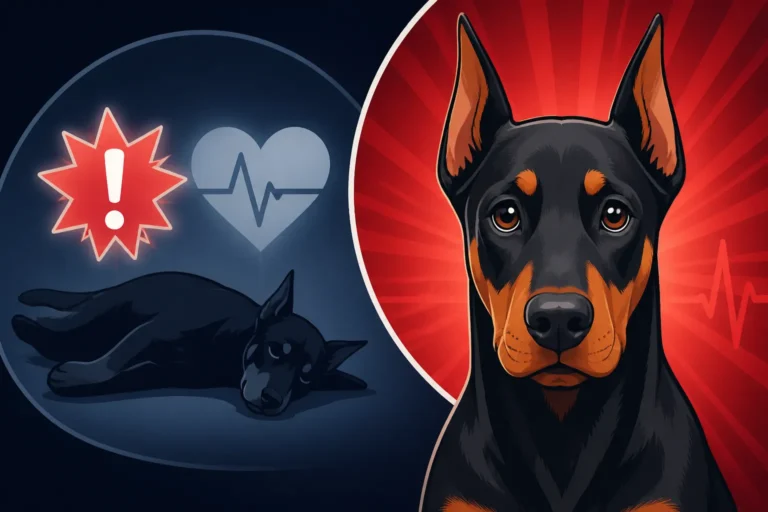
It’s a harsh truth that Dobermans are prone to several genetic conditions that can significantly impact their quality of life and lifespan. We're not talking about rare, isolated incidents; these are pervasive issues within the breed. Dilated Cardiomyopathy (DCM), for instance, is tragically common, often striking seemingly healthy dogs without warning, leading to sudden collapse or heart failure. It's a silent killer that can turn your world upside down in an instant.
Beyond cardiac issues, Dobermans can also suffer from conditions like Von Willebrand Disease, a serious bleeding disorder that can make even minor injuries or routine surgeries life-threatening. Then there's Wobbler Syndrome, a neurological condition affecting the neck that can cause severe mobility problems. These aren't just medical diagnoses; they represent potential years of expensive veterinary care, specialized diets, daily medications, and the profound emotional burden of watching your beloved companion struggle. Many owners are simply unprepared for the reality of these challenges, both financially and emotionally, which is why starting with a dog from extensively health-tested parents is the most compassionate choice you can make.
Distinguishing Reputable Breeders from Backyard Operations
In the world of dog breeding, health testing serves as the clearest, most undeniable differentiator between a truly ethical, reputable breeder and someone who is simply breeding for profit. A responsible Doberman breeder is driven by a passion for the breed's improvement, prioritizing health, temperament, and longevity above all else. They invest heavily in genetic screening and physical examinations of their breeding stock, meticulously analyzing pedigrees and making informed choices to minimize the risk of passing on debilitating diseases. This dedication comes at a cost, both in terms of time and money, which is often reflected in the price of their puppies, but it’s an investment in a healthier future for the breed.
In stark contrast, backyard breeders or puppy mills often cut corners. They might claim their dogs are "healthy" or "vet checked" but lack any verifiable, official health certificates for specific genetic conditions common in Dobermans. They might breed dogs simply because they have AKC papers, not understanding that registration alone says nothing about health. The result? Puppies from untested lines are a gamble, statistically far more likely to develop these devastating conditions. While the initial price might seem lower, the long-term emotional and financial costs associated with a sick Doberman from an irresponsible breeder can be astronomical, dwarfing any upfront savings. Insist on seeing documented proof of health testing; it's your right as a prospective owner and your Doberman's best chance at a long, healthy life.
The Cornerstone: Cardiac Health Screening
When it comes to Dobermans, cardiac health is, without a doubt, the most critical area of concern. The breed is disproportionately affected by Dilated Cardiomyopathy (DCM), a condition that remains the leading cause of death in Dobermans. Any discussion about responsible Doberman breeding must begin here, with a thorough understanding of DCM and the comprehensive testing required to try and mitigate its impact.
Understanding Dilated Cardiomyopathy
Dilated Cardiomyopathy (DCM) is a cruel disease in Dobermans because it often progresses silently, with no outward symptoms, for years. Essentially, the heart muscle weakens and thins, becoming unable to pump blood efficiently. Over time, the heart chambers enlarge, leading to a build-up of fluid in the lungs (congestive heart failure) or life-threatening arrhythmias (irregular heartbeats). For many Doberman owners, the first sign that something is terribly wrong might be a sudden collapse, fainting spell, or even sudden death. It's truly heartbreaking because you might believe your Doberman is in peak health, full of energy and life, while internally, their heart is slowly failing. It's this insidious nature that makes proactive screening so utterly vital.
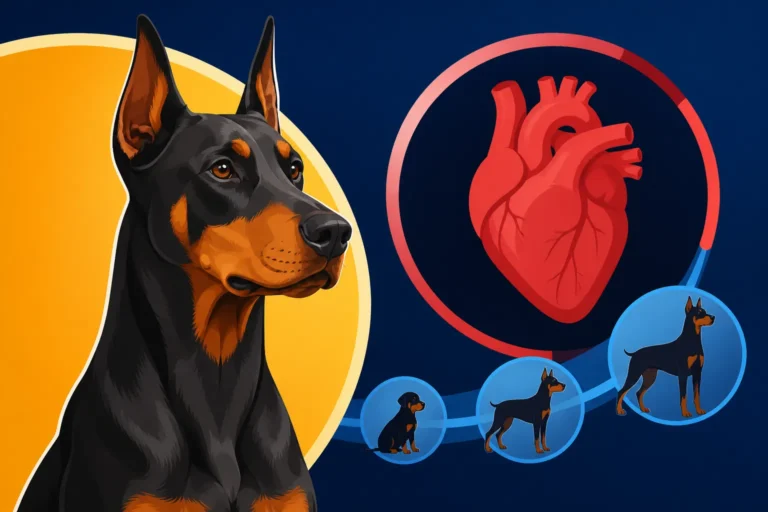
This is why we talk about The Silent Years Before a Doberman's Heart Shows – a period where the disease is present, perhaps causing mild electrical abnormalities or subtle changes in heart structure, but not yet enough to make your dog feel unwell. A responsible breeder understands that because DCM is so prevalent, often impacting a significant percentage of the breed, every Doberman used for breeding must undergo regular, rigorous cardiac screening. This is not a "nice-to-have"; it's a fundamental requirement to even consider breeding these magnificent dogs.
The Essential Cardiac Tests: Echo and Holter
When a Doberman breeder tells you their dogs are health tested for the heart, you should be looking for two specific, complementary tests: an echocardiogram (Echo) and a 24-hour Holter monitor. These tests provide a comprehensive picture of the heart's structure and electrical activity, giving the best possible chance of detecting DCM in its early stages in breeding animals.
An echocardiogram (Echo) is essentially an ultrasound of the heart. Performed by a board-certified veterinary cardiologist, this non-invasive test allows the specialist to visualize the heart's chambers, valves, and muscle walls in real-time. They can measure chamber sizes, wall thickness, and assess how efficiently blood is being pumped. In the context of DCM, the cardiologist is looking for any early signs of dilation (enlargement) or decreased contractility (weakened pumping action). A clear echo indicates that, at the time of the scan, the heart's structure and function appear normal. However, because DCM can develop at any age, these are not one-and-done tests; breeding Dobermans absolutely require Annual Echo and Holter Screening for a Doberman. A breeder should show you recent, clear echo results for both parents.
Alongside the echo, a 24-hour Holter monitor is equally crucial. This is a portable ECG device that the dog wears for a full day, recording every single heartbeat. While an echo provides a snapshot of the heart's physical state, the Holter captures its electrical rhythm over an extended period, detecting arrhythmias, specifically premature ventricular contractions (PVCs), which are often the earliest indicator of occult (hidden) DCM in Dobermans. Even if an echo looks normal, a high number of PVCs on a Holter can signal the very beginning of the disease. A cardiologist will interpret the Holter results, looking for abnormal heartbeats that might suggest impending heart issues. Both these tests, performed annually by a cardiologist, are the gold standard for monitoring the heart health of breeding Dobermans and are crucial steps in trying to reduce the incidence of The Heart Disease That Reaches Most Dobermans.
Genetic Testing for DCM
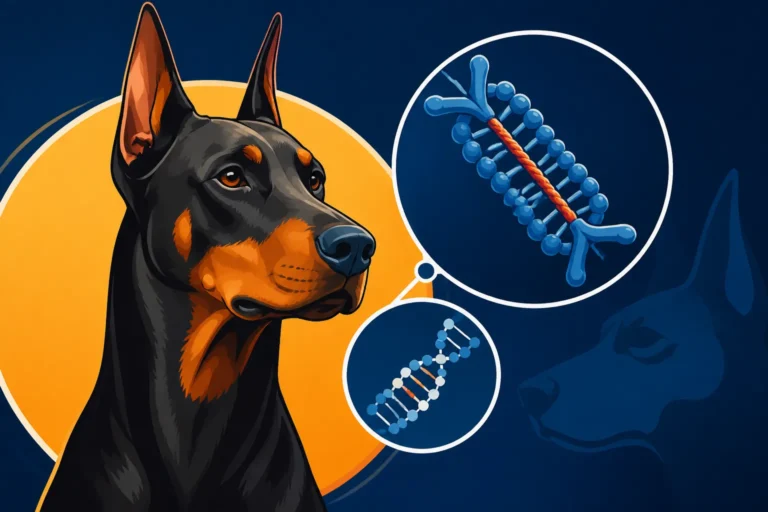
In addition to annual physical screenings, genetic testing has emerged as another valuable tool in the fight against Doberman DCM, though it’s important to understand its limitations. Currently, there are two primary gene tests widely available for Dobermans: the DCM1 (PDK4) gene test and the DCM2 (Titin) gene variant. These tests identify specific genetic mutations that have been associated with an increased risk of developing DCM in the breed.
The DCM1 Gene Test Explained for Doberman Owners looks for a deletion in the PDK4 gene. A Doberman can be clear, heterozygous (one copy of the mutation), or homozygous (two copies) for this gene. Dogs with one or two copies have an increased risk, but importantly, not every dog with the mutation will develop DCM. The Two Doberman DCM Gene Tests are helpful for breeders in making informed breeding decisions, aiming to avoid breeding two dogs together that might produce offspring with a higher genetic predisposition.
It's absolutely vital to grasp that these genetic tests are indicators of risk, not diagnostic tools for active disease. A Doberman can test "clear" for both known gene mutations and still develop DCM, and conversely, a Doberman testing positive for one or both mutations might live a full life without ever showing symptoms. The genetic landscape of DCM is complex, with other genes and environmental factors likely playing a role. Therefore, while responsible breeders will utilize these tests as part of their comprehensive strategy, they do not replace the need for regular, annual echocardiograms and Holter monitoring. If a breeder shows you only genetic test results and no recent echo/Holter, that's a significant red flag. They are simply not doing enough to screen their dogs.
Beyond the Heart: Von Willebrand Disease (vWD)
While DCM often takes center stage in Doberman health discussions, another serious condition that reputable breeders must address is Von Willebrand Disease (vWD). This inherited bleeding disorder can range from mild to severe and, if undetected, can lead to life-threatening complications, especially during routine medical procedures.
What is Von Willebrand Disease?
Von Willebrand Disease is the most common inherited bleeding disorder in dogs, and Doberman Pinschers are particularly overrepresented among affected breeds. It's caused by a deficiency or abnormality of von Willebrand factor (vWF), a protein crucial for normal blood clotting. Without enough functional vWF, platelets (which help form clots) can't stick together properly, leading to prolonged or excessive bleeding.
The symptoms can vary dramatically. Some Dobermans might only exhibit mild signs, like bruising easily or bleeding slightly more than usual from a superficial cut. However, in more severely affected dogs, the consequences can be dire. Imagine your Doberman getting a nosebleed that just won't stop, or experiencing prolonged bleeding after losing a tooth. Routine surgeries, such as spaying, neutering, or even the traditional ear cropping often performed on Dobermans, become incredibly high-risk procedures, as uncontrolled bleeding can lead to shock and death. This is why it’s imperative that breeders understand and test for The Bleeding Disorder Almost Every Doberman Line Carries.
The Crucial vWD DNA Test
Thankfully, unlike DCM, Von Willebrand Disease type I (vWD Type I), the most common form affecting Dobermans, can be easily and accurately detected with a simple, one-time DNA test. This test can classify a Doberman as:
- Clear: The dog does not carry the vWD gene mutation and will not develop the disease or pass it on.
- Carrier: The dog carries one copy of the mutation but generally does not show clinical signs of the disease. They can, however, pass the mutation to their offspring.
- Affected: The dog carries two copies of the mutation and is at high risk of exhibiting bleeding tendencies.
A responsible breeder will have The Von Willebrand DNA Test for Dobermans performed on all breeding stock. If a dog is a carrier, they can still be responsibly bred, but only to a "Clear" mate. This ensures that no "Affected" puppies, who face the highest risk of bleeding complications, are produced. If you’re considering an insurance policy, say from Healthy Paws, knowing your dog’s vWD status before any signs of bleeding appear is critical. A diagnosis later on could be considered a pre-existing condition, impacting coverage. Always ask for the vWD DNA test results for both parents of your prospective puppy.
Addressing Spinal and Structural Concerns
While Dobermans are generally considered a robust breed structurally, they are not immune to orthopedic and neurological challenges. Responsible breeders will also consider the health of their dogs' spines and joints, especially given the Doberman's athletic build and long frame.
Wobbler Syndrome
Wobbler Syndrome, also known as Cervical Vertebral Instability or Cervical Spondylomyelopathy, is another serious condition that can affect Dobermans. It's a neurological disorder characterized by compression of the spinal cord and/or nerve roots in the neck (cervical spine). This compression leads to a distinctive, wobbly gait – hence the name – and can cause weakness, incoordination, and even paralysis, particularly in the hind limbs.
Dobermans are genetically predisposed to Wobbler Syndrome, with symptoms often appearing between 3 and 7 years of age. Owners might first notice their dog walking as if they're "drunk," scuffing their paws, or struggling to get up. Watching A Doberman That Wobbles on Its Back Legs is heartbreaking, and managing the condition can involve costly diagnostics like MRI, conservative medical management, or complex spinal surgery. While there isn't a simple DNA test for Wobbler Syndrome, a responsible Doberman breeder will be acutely aware of its presence in their breeding lines. They should have a deep knowledge of their dogs' pedigrees, looking for any history of the condition, and will also assess their breeding dogs for healthy gait and spinal conformation, ensuring they aren't passing on known structural weaknesses that might contribute to Wobbler Syndrome in the Doberman.
Hip and Elbow Dysplasia Considerations
Compared to some other large breeds, Dobermans typically have a lower incidence of severe hip and elbow dysplasia. However, it's not unheard of, and any good breeder of a large, active breed should still consider screening for these conditions. Hip dysplasia is a malformation of the hip joint, where the ball and socket don't fit together properly, leading to instability, pain, and eventually arthritis. Elbow dysplasia is a similar condition affecting the elbow joint. Both are polygenic, meaning they are influenced by multiple genes, as well as environmental factors.
Reputable Doberman breeders may opt for orthopedic evaluations such as those certified by the Orthopedic Foundation for Animals (OFA) or the University of Pennsylvania Hip Improvement Program (PennHIP). OFA certifies hips and elbows as Excellent, Good, Fair, or dysplastic, based on X-rays taken after the dog is two years old. PennHIP offers a quantitative measurement of hip laxity, which can be done earlier. While Doberman Hip Dysplasia might not be as prevalent as DCM or vWD, including hip and elbow clearances in a breeding program demonstrates a comprehensive commitment to producing structurally sound dogs. Don't be surprised if a conscientious breeder provides these clearances, especially if their dogs are involved in demanding performance sports.
Other Important Health Clearances
While heart and bleeding disorders are paramount for Dobermans, a holistic approach to breeding requires attention to several other health conditions that can impact the breed. Responsible breeders will look beyond the most common issues to ensure the overall well-being of their lines.
Thyroid Function Testing
Hypothyroidism, an underactive thyroid gland, is another condition commonly seen in Dobermans. The thyroid gland produces hormones that regulate metabolism, so when it's not functioning correctly, it can lead to a range of symptoms. These might include unexplained weight gain despite a normal diet, lethargy, a dull or sparse coat, skin issues, cold intolerance, and even behavioral changes like increased anxiety or aggression. Diagnosing hypothyroidism involves a comprehensive thyroid panel blood test, and once diagnosed, it's typically managed with daily medication, which most dogs respond well to.
Because hypothyroidism can have a hereditary component, ethical Doberman breeders will regularly test their breeding stock for normal thyroid function. They'll also be transparent about any history of thyroid issues in their lines, as understanding The Thyroid Numbers That Slow a Doberman Down is key to managing this condition proactively. While manageable, a Doberman with hypothyroidism requires lifelong medication, which adds to the cost and daily routine of ownership. Ensuring parents have clear thyroid panels helps reduce the likelihood of this condition in their offspring.
Liver Health: Copper Storage Disease
Dobermans are genetically predisposed to Copper Associated Hepatitis, sometimes referred to as Copper Storage Disease or Copper Toxicosis. This condition causes the liver to accumulate excessive amounts of copper, leading to inflammation, damage, and eventually liver failure if left untreated. Symptoms can be vague in the early stages, including lethargy, loss of appetite, vomiting, and diarrhea. As the disease progresses, signs of liver failure such as jaundice (yellowing of the skin and eyes), fluid in the abdomen, and neurological issues may appear.
Diagnosing Copper Liver Disease in Doberman Females usually involves blood tests to check liver enzyme levels, followed by more definitive diagnostics like a liver biopsy to measure copper levels. While there isn't a simple genetic test widely available for Dobermans for this specific predisposition (though research is ongoing for various breeds), responsible breeders will be highly knowledgeable about their pedigrees and any history of liver issues. They might also monitor their breeding dogs' liver enzyme levels and be cautious about dietary copper intake. Knowing How Many Dobermans Have Silent Liver Disease in their lines is a sign of a breeder who takes comprehensive health seriously, even for less common but still serious issues.
Eye Health
While Dobermans don't suffer from as many breed-specific severe eye conditions as some other breeds, routine eye examinations by a board-certified veterinary ophthalmologist are still a part of a comprehensive health screening program. These examinations, often referred to as CAER (Companion Animal Eye Registry) or CERF (Canine Eye Registration Foundation) exams, screen for various inherited eye diseases.
Conditions like Progressive Retinal Atrophy (PRA), where the retina degenerates over time leading to blindness, can occur in Dobermans, though it's not as prevalent as DCM or vWD. Other issues might include cataracts or persistent pupillary membranes. A specialist ophthalmologist will examine the eyes thoroughly and provide a certificate indicating whether the dog is clear of observable inherited eye diseases at the time of examination. Although not a top-tier concern, a breeder presenting Doberman Eye Testing and PRA results demonstrates an exhaustive approach to their breeding program, looking at the full spectrum of potential inherited health issues.
Interpreting Health Certificates and Breeder Transparency
The existence of health testing is one thing; understanding and verifying the results is another entirely. A truly responsible Doberman breeder will not just tell you their dogs are tested; they will eagerly and transparently provide the documentation, explain what it means, and answer all your questions. This is where you, as a prospective owner, need to be diligent.
What to Look For in Health Paperwork
When a breeder presents you with health certificates, it's crucial to know what you're looking at. Don't just accept a quick glance or a verbal assurance. Ask for copies of the actual documentation for both the sire and dam of the litter. These aren't just pieces of paper; they are the tangible proof of a breeder's commitment. You should be looking for official certifications from recognized organizations.
For cardiac health, you'll want to see recent echocardiogram reports, ideally from a board-certified veterinary cardiologist (Diplomate ACVIM, Cardiology), detailing measurements and findings. These should be dated within the last 12 months for active breeding dogs. Similarly, for the Holter monitor, you should see the cardiologist's report indicating the number of ventricular arrhythmias (PVCs) per 24 hours. For vWD, expect a DNA test result from a reputable lab such as Paw Print Genetics, VetGen, or Doberman Diversity Project, clearly stating "Clear," "Carrier," or "Affected." For hip and elbow evaluations, look for OFA certificates (e.g., "OFA Excellent," "OFA Normal Elbows") or PennHIP reports. Thyroid panels should also be from a recognized veterinary diagnostic lab and include the full range of thyroid hormones. When learning Reading a Doberman Puppy's Test Certificates, always verify the dog's registered name and registration number on the certificate matches the parents of the litter. Outdated tests, or certificates that appear altered or are from unknown sources, are major red flags. This transparency in showing results is exactly Whether a Doberman Breeder Should Show Echo Results and all other relevant health information.
Questions to Ask a Doberman Breeder
Armed with the knowledge of what tests are necessary, you're ready to engage with breeders. Don't be shy about asking probing questions; a good breeder will appreciate your thoroughness. Here's a list of essential questions:
- "Can I see the official, dated health clearances for both parents, including their most recent cardiac (echo and Holter), vWD, and thyroid results?"
- "At what age do you start annual cardiac screenings for your breeding dogs?"
- "What are the specific results of their DCM1 and DCM2 genetic tests? How do you use this information in your breeding program?"
- "What is the health history of previous litters from these parents, and what about the parents' siblings or grandparents?"
- "Do you offer any health guarantee, and if so, what does it cover and for how long?"
- "Are you familiar with Copper Storage Disease or Wobbler Syndrome in Dobermans, and do you take any steps to mitigate their risk?"
- "Can you provide contact information for your veterinarian or other puppy owners who can vouch for your practices?"
A responsible breeder will openly discuss the results, even if a dog is a vWD carrier (as long as it's bred to a clear dog). They will explain any anomalies and their strategy for managing risks. They understand that transparency builds trust. If a breeder is evasive, deflects your questions, or claims "my vet says they're healthy" without providing documentation, it's a huge warning sign. Furthermore, choosing a well-tested Doberman from a reputable breeder helps set you up for success if you later decide to get pet insurance from providers like Healthy Paws, as a strong health history can streamline the enrollment process and potentially prevent future issues from being deemed pre-existing.
Red Flags and Avoiding Puppy Mills
The allure of a cheaper puppy can be incredibly strong, but it's a trap that often leads to heartache and significantly higher costs down the road. Puppy mills and irresponsible backyard breeders often sell puppies at lower prices precisely because they cut corners on crucial expenses like health testing, proper nutrition, and veterinary care for their breeding stock.
Here are some glaring red flags to watch out for:
- No health papers: This is the biggest warning sign. Any breeder who cannot or will not provide verifiable health clearances for the parents is to be avoided. Verbal assurances are worthless.
- Evasiveness or excuses: If a breeder gets defensive when asked about health tests, claims the tests are "unnecessary," or says they "don't believe in them," walk away.
- Always available puppies: Reputable breeders typically have waiting lists, as they breed infrequently and carefully. A constant supply of puppies suggests a high-volume operation with little regard for quality.
- Multiple breeds: Breeders who offer several different breeds are often more interested in profit than preservation.
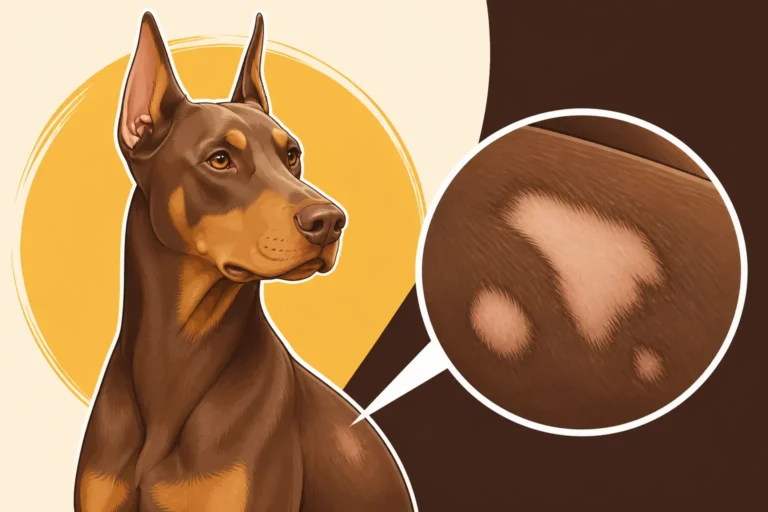
- "Rare colors" at inflated prices: Be very wary of breeders selling "white" (albino) Dobermans or "blue" and "fawn" Dobermans at a premium solely due to their color. These colors are often associated with serious health issues like Color Dilution Alopecia and other problems, and reputable breeders generally do not promote or breed for these traits without extreme caution and transparency about potential health risks.
- Inability to meet the parents: You should always be able to meet the mother of the puppies and ideally the father (if he lives on-site). Observe their temperament and health. If the breeder insists on meeting you in a neutral location or delivering the puppy, it's a sign they're hiding something.
The sad reality is that Whether a Cheap Doberman Puppy Is Ever Safe is a question that usually answers itself with a resounding "no." The initial savings are almost always dwarfed by vet bills for genetic conditions that could have been avoided with proper testing. Investing in a puppy from a reputable, health-focused breeder is an investment in a healthier, happier future for both you and your Doberman.
The Ongoing Commitment: Your Role in Doberman Health
Even after you've diligently chosen a puppy from a fully health-tested lineage, your commitment to your Doberman's health doesn't end there. Doberman ownership is a lifelong partnership that includes proactive health management.
Lifelong Screening for Your Doberman
Remember that even with stellar parental health clearances, your Doberman is still a Doberman, and therefore still at risk for breed-specific issues like DCM. A clear cardiac screening on the parents significantly reduces the likelihood of your puppy developing these diseases, but it doesn't offer a 100% guarantee. This means that, as your Doberman matures, you will need to continue with regular screenings.
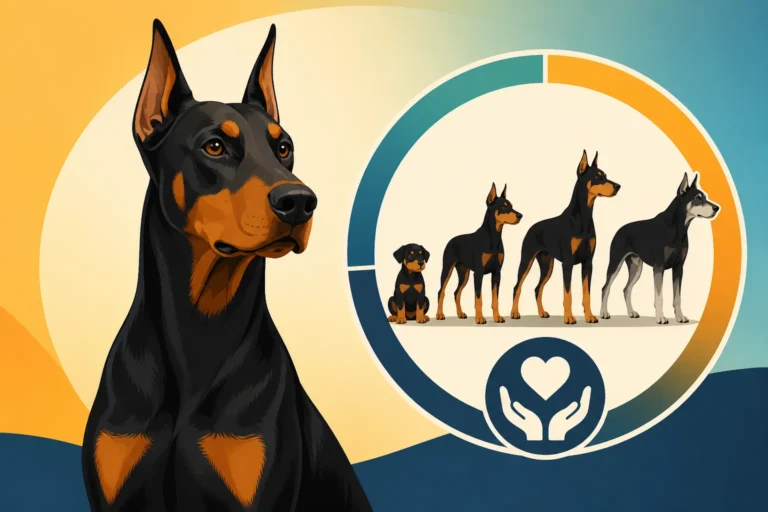
Most veterinary cardiologists recommend starting annual echocardiograms and 24-hour Holter monitoring for Dobermans around 2-3 years of age, and continuing these tests throughout their lives. This allows for the earliest possible detection of DCM, even before symptoms appear. Catching the disease in its occult phase can allow for early intervention with medications that may significantly extend your Doberman's quality of life and lifespan. Understanding The Age to Start Screening a Doberman's Heart is crucial for all Doberman owners. Your breeder should guide you on this, but ultimately, it's your responsibility to maintain this vital preventative care.
The Value of Comprehensive Pet Insurance
Given the Doberman's predisposition to serious health issues, investing in comprehensive pet insurance is one of the wisest decisions you can make as an owner. Even with the most meticulous breeding and the healthiest lineage, accidents happen, and unexpected illnesses can arise. The costs associated with diagnosing and treating conditions like DCM, Wobbler Syndrome, or even common emergencies like bloat can quickly run into thousands of dollars, placing an enormous financial burden on families.
Providers like Healthy Paws offer robust coverage that can help mitigate these costs. Imagine your Doberman suddenly develops a serious heart condition; the medication, specialist visits, and emergency care can be incredibly expensive. With a good pet insurance policy, a significant portion of these bills can be reimbursed, allowing you to focus on your dog's care rather than the financial strain. The key is to enroll your Doberman before any signs of illness appear. As soon as a condition is diagnosed, it becomes "pre-existing" and is typically excluded from coverage. This is why Insuring a Doberman Before the Heart Turns and Getting a Doberman Covered Before the First Echo are such important proactive steps for any Doberman owner. While no one wants to think about their beloved companion getting sick, being prepared with pet insurance provides invaluable peace of mind.
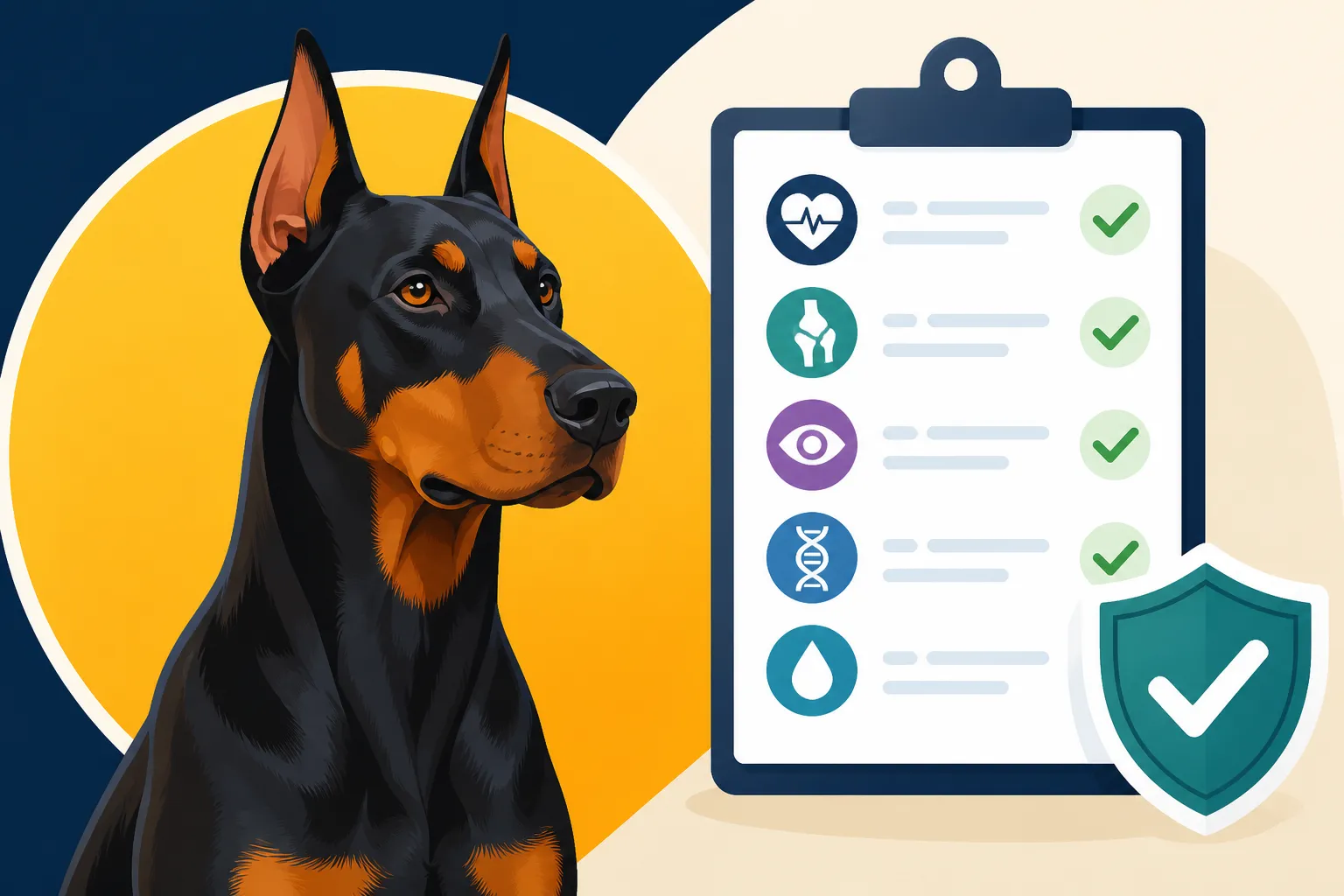
Essential Doberman Health Tests Summary
To help clarify the necessary health screenings, here's a table summarizing the key tests a responsible Doberman breeder should be providing results for, what they screen for, and their typical frequency for breeding stock:
| Health Test | What It Screens For | Frequency for Breeding Stock (Minimum) | Certifying Body / Type of Test |
|---|---|---|---|
| Echocardiogram (Echo) | Dilated Cardiomyopathy (DCM) – heart structure/function | Annually | Board-Certified Cardiologist (ACVIM) |
| 24-hour Holter Monitor | Dilated Cardiomyopathy (DCM) – heart electrical activity | Annually | Board-Certified Cardiologist (ACVIM) |
| vWD DNA Test (Type I) | Von Willebrand Disease – inherited bleeding disorder | One-time | Genetic testing labs (e.g., Paw Print) |
| Thyroid Panel | Hypothyroidism – underactive thyroid | Annually or Bi-Annually | Veterinary Diagnostic Lab |
| DCM1 (PDK4) Gene Test | Genetic predisposition to DCM | One-time | Genetic testing labs (e.g., VetGen) |
| DCM2 (Titin) Gene Test | Genetic predisposition to DCM | One-time | Genetic testing labs (e.g., VetGen) |
| OFA/PennHIP Hips | Hip Dysplasia – malformation of hip joint | Once, after 24 months | OFA / PennHIP |
| OFA Elbows | Elbow Dysplasia – malformation of elbow joint | Once, after 24 months | OFA |
| CAER/CERF Eye Exam | Inherited eye diseases (e.g., PRA) | Annually | Board-Certified Ophthalmologist (ACVO) |
Disclaimer
Please remember that this information is for educational purposes only and should not be considered a substitute for professional veterinary advice. Always consult with a qualified veterinarian or a board-certified specialist for any health concerns regarding your Doberman.