How Doberman Costs Climb After Six
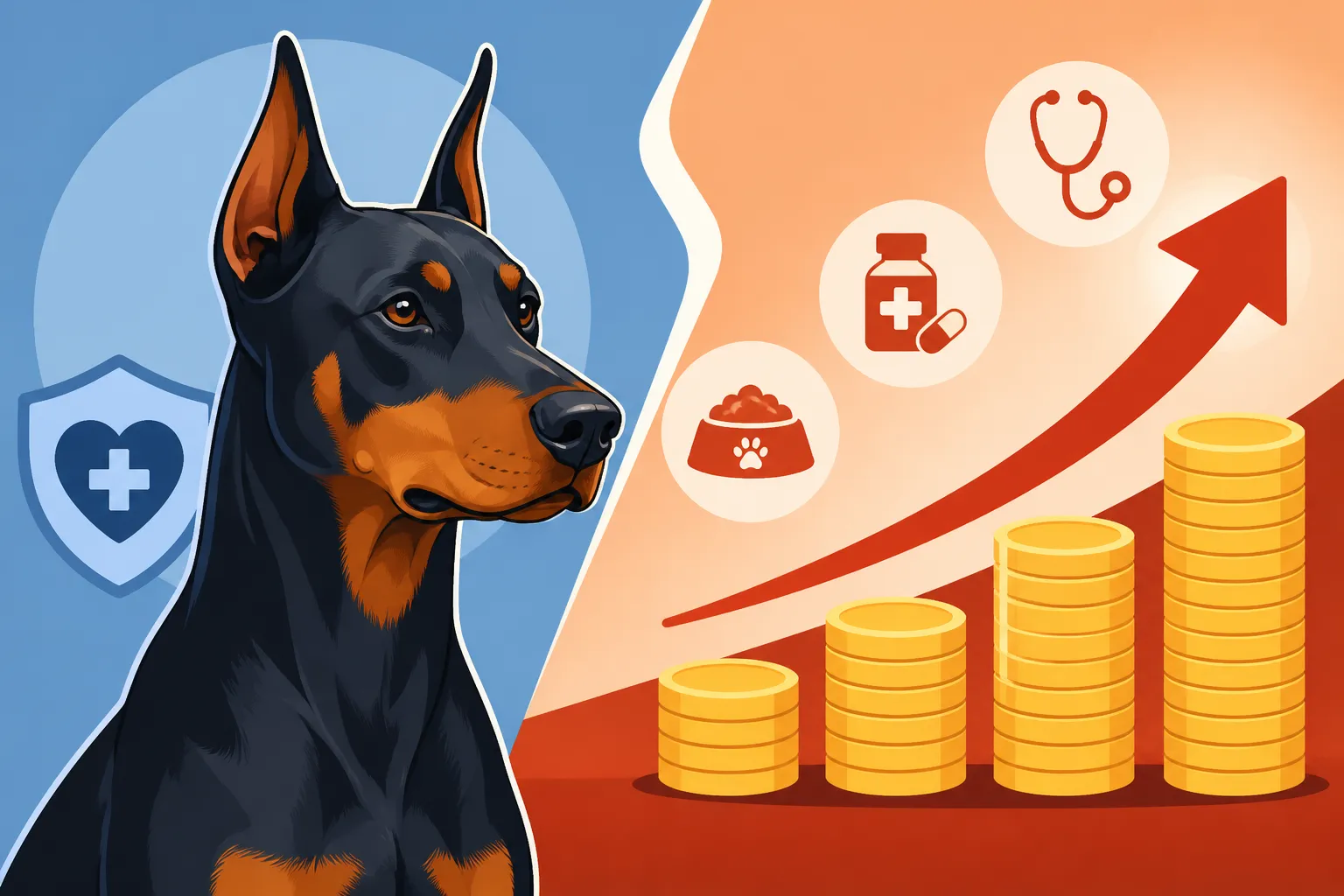
The moment your Doberman turns six, it often feels like a subtle shift, but for many owners, it’s when the financial reality of caring for a senior Doberman truly starts to sink in. While we all wish our beloved companions could stay young and spry forever, the truth is that this age often marks the beginning of increased veterinary visits, specialized diets, and a general climb in expenses. This guide will walk you through the practical financial aspects of owning a Doberman beyond its prime, helping you understand where costs typically increase and how to navigate these changes.
The Inevitable Shift in Veterinary Care Needs
As Dobermans age, their bodies, much like our own, start to experience wear and tear. What might have been simple annual check-ups in their younger years often evolves into a more complex and frequent schedule of veterinary appointments, specialized screenings, and potential management of chronic conditions. This isn't just about getting older; it's about managing the specific health predispositions that Dobermans face, which tend to become more apparent after their sixth birthday.
Annual Screening Becomes More Frequent and Intensive
Gone are the days when a quick yearly visit with a vaccine booster felt sufficient. For a Doberman over six, that annual trip to the vet will likely become more comprehensive, and often, more frequent. You’ll find yourself needing not just physical exams, but a deeper dive into their internal health.
For instance, cardiac screenings become paramount. Dobermans are tragically prone to Dilated Cardiomyopathy (DCM), a heart condition that often begins silently. The Age Doberman Heart Disease Usually Starts While you might have started annual screenings around age three or four, after six, a cardiologist might recommend more frequent evaluations. This typically involves an echocardiogram (echo) to assess heart structure and function, and a 24-hour Holter monitor to detect arrhythmias that an echo might miss. These aren't cheap tests, and their increasing frequency directly contributes to climbing veterinary bills. You might even find yourself looking at Annual Echo and Holter Screening for a Doberman as a non-negotiable part of your dog's preventative care routine. Understanding Reading a Doberman's Holter Result can help you feel more empowered in these discussions.
Beyond the heart, routine blood work expands. Where before it might have been a basic panel, now your vet will likely recommend more extensive blood chemistry to monitor kidney and liver function, thyroid levels (hypothyroidism is also common in Dobermans), and complete blood counts. These tests are crucial for catching emerging issues like Liver Enzyme Results in a Doberman or subtle changes in organ function before they become critical, but each additional test adds to the overall cost of the visit. It’s a proactive investment, of course, aiming to prolong their healthy years, but an investment nonetheless.
Managing Chronic Conditions as They Emerge
Unfortunately, for many Dobermans, the years past six are when some of those breed-specific conditions decide to make their grand entrance. Dilated Cardiomyopathy (DCM) is a prime example, often becoming clinically apparent in middle to senior years. If your Doberman develops DCM, even in its occult (hidden) phase, medication might be prescribed to slow progression and manage symptoms. Medication for a Doberman in the Occult Phase Drugs like pimobendan or antiarrhythmics can become a daily, lifelong expense. It's a heavy burden, both emotionally and financially, to watch your dog transition from an active companion to one needing constant medical management.
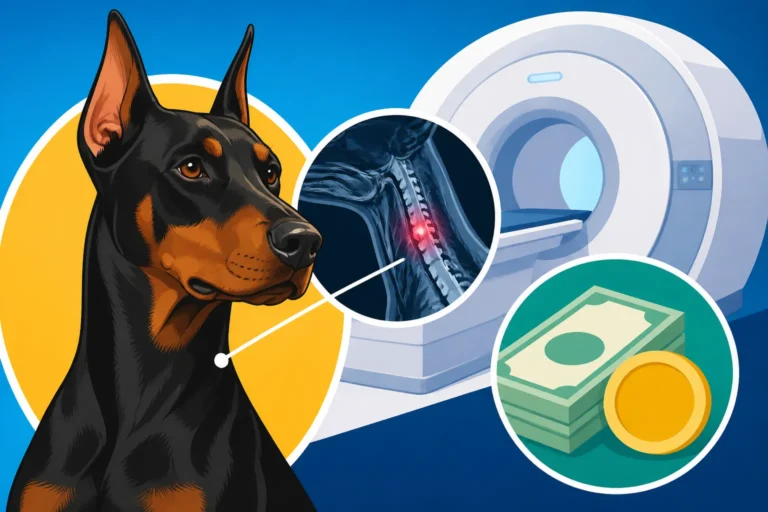
Wobbler Syndrome, a neurological condition affecting the neck and spinal cord, is another issue that can surface or worsen around this age, leading to gait abnormalities and pain. A Doberman That Wobbles on Its Back Legs Diagnosis often requires advanced imaging like an MRI, followed by potential treatment plans ranging from medication and physical therapy to complex, costly surgery. Each consultation with a veterinary neurologist, each medication refill, each rehabilitation session, adds up significantly.
Even seemingly less dramatic conditions like arthritis can necessitate ongoing management. Anti-inflammatory medications, joint supplements, and even therapeutic laser treatments can become part of your Doberman's routine, all contributing to the escalating monthly outgoing. This isn't just about extending life, but crucially, about maintaining their quality of life as they navigate these new challenges.
Dietary and Supplementation Changes
The vibrant, high-energy metabolism of a young Doberman often gives way to a more sedentary existence as they age. This shift, combined with emerging health concerns, almost always translates into significant changes in their diet and the introduction of various supplements. What they eat, and what you add to it, becomes a critical part of their health management and, naturally, a growing expense.
Special Diets for Aging Dobermans
The kibble that kept your Doberman lean and energetic in its youth might not be the best choice for its senior years. As metabolism slows, many Dobermans become prone to weight gain, which can exacerbate joint problems. A senior-specific formula, often lower in calories but still high in quality protein, might be recommended. These foods are generally priced higher than standard adult formulas due to their specialized nutritional profiles.
Even more significant is the potential need for prescription diets. If your Doberman develops kidney issues, liver disease (like Copper Liver Disease in Doberman Females), or progresses in its cardiac disease, your vet might prescribe a therapeutic diet. These specialized foods are formulated to support failing organs and are often significantly more expensive than even premium over-the-counter brands. For example, a low-copper diet for a Doberman with liver issues or a low-sodium diet for a Doberman with heart disease will become a consistent, unavoidable expense. You can often find these specialized foods through your vet or online retailers like Chewy, but be prepared for the price difference. It’s a bitter pill to swallow when you realize the cost of food has jumped, but it's essential for their health.
The Rise of Supplements and Nutritional Support
Alongside prescription diets, the supplement cupboard for your Doberman is likely to grow considerably after age six. These aren't just trendy additions; they become integral to managing age-related issues and improving quality of life.
Joint supplements are almost universally recommended for older large-breed dogs. Glucosamine, chondroitin, and MSM can help support cartilage health and reduce inflammation, offering some relief for arthritic joints. Omega-3 fatty acids, often in the form of fish oil, are fantastic for cognitive function, skin health, and reducing inflammation throughout the body.
For Dobermans specifically, if cardiac issues are a concern, supplements like taurine and L-carnitine might be recommended, even before clinical signs of heart disease appear. Taurine and Carnitine for a Doberman Heart While some commercial dog foods aim to include these, a therapeutic dose often requires separate supplementation, adding another layer to your monthly budget. Brands like Ollie, while known for fresh food, also offer some specialized nutritional advice and considerations for dietary needs, emphasizing the importance of high-quality ingredients as dogs age. These aren't one-time purchases; they become recurring expenses, purchased diligently to keep your Doberman as comfortable and healthy as possible.
| Expense Category | Doberman Under 6 Years Old (Typical) | Doberman Over 6 Years Old (Potential Increase) |
|---|---|---|
| Annual Vet Exam | Routine physical, vaccines, basic blood work | More frequent visits, comprehensive blood panels, specialized screenings (echo, Holter) |
| Specialist Visits | Rare | Cardiologist, neurologist, internal medicine, oncology |
| Medications | Preventatives (flea/tick/heartworm) | Daily medication for heart, thyroid, joints, pain management, seizure control |
| Food | Standard adult premium kibble | Senior-specific or prescription diets (cardiac, kidney, liver) |
| Supplements | Occasional joint/skin support | Daily joint, omega, taurine/carnitine, specific organ support supplements |
| Comfort Items | Standard bed, basic leash | Orthopedic bed, ramps, non-slip mats, elevated feeders, winter coats |
| Grooming | Routine home baths, nail trims | Professional grooming, specialized skin treatments, more frequent nail trims |
Comfort, Mobility, and Quality of Life Enhancements
As your Doberman gracefully enters its golden years, simply managing health conditions isn't enough. Ensuring their comfort and maintaining their quality of life becomes a huge priority, which often means investing in specialized equipment and making adjustments around the home. These items, while not always medical, are crucial for a happy, less painful senior existence and contribute significantly to the climbing costs.
Investing in Comfort and Accessibility
A young Doberman might happily sleep on the floor or a thin pad, but a senior Doberman, especially one with developing arthritis or hip issues, needs far more support. Orthopedic beds become a non-negotiable item. These beds are designed to cushion joints and provide better support for their lean, bony frames, preventing pressure sores and easing discomfort. They are a considerable investment, but one that pays dividends in your dog's comfort and mobility. Beds That Cushion a Bony Doberman
Mobility aids can also become essential. If your Doberman starts to struggle with stairs or jumping into the car, ramps can prevent injury and pain. Non-slip rugs or mats can provide traction on slippery floors, helping a wobbly Doberman feel more secure and prevent falls. These aren't just conveniences; they're vital tools for daily living when mobility declines. For a Doberman potentially suffering from A Doberman That Wobbles on Its Back Legs, these adaptations can make a world of difference.
And let's not forget about temperature sensitivity. Dobermans, with their short, single coats and lean body mass, are notoriously prone to feeling the cold. As they age, their ability to regulate body temperature can decrease further, making a good quality winter coat or sweater an absolute necessity for walks and even for staying warm indoors during colder months. Winter Coats Sized for a Doberman This isn't just a fashion statement; it's about preventing discomfort and even illness.
Grooming and Daily Care Adjustments
Even the most dedicated Doberman owner might find themselves needing extra help with routine care as their dog ages. A Doberman with arthritis might find it painful to stand for long periods for a bath or nail trim. In such cases, professional grooming services, which often include specialized bathing (perhaps with medicated shampoos for skin conditions) and gentle handling, become a valuable, albeit additional, expense.
Dental health also becomes increasingly critical. Older Dobermans are more prone to tartar buildup and periodontal disease, which can lead to pain, infection, and even impact heart health. Regular dental cleanings, which require sedation, become more frequent and costly procedures. Sedating a Doberman for a Dental and What It Costs Ignoring dental hygiene isn't an option, as the consequences can be severe for their overall health.
You might also notice changes in their skin and coat, such as dryness or thinning, especially if they are a blue or fawn Doberman with Color Dilution Alopecia in Blue and Fawn Dobermans. This could necessitate specialized shampoos, conditioners, or skin treatments, adding to the ongoing care costs. Everything from their diet to their environment can affect their skin, and managing these issues requires careful attention and often, more specialized products.
Insurance and Financial Planning Revisited
The thought of escalating costs can be daunting, but it underscores the importance of proactive financial planning. Pet insurance, initially a "nice-to-have" for some, often becomes an indispensable lifeline as your Doberman crosses the six-year mark. However, the landscape of pet insurance changes dramatically with age and pre-existing conditions.
The Challenge of Insuring an Older Doberman
If you haven't already enrolled your Doberman in pet insurance by the time they hit age six, you might face some significant hurdles. Many insurance providers have age limits for new enrollments, or the premiums for older dogs can be prohibitively high. More critically, any health condition diagnosed before you obtain insurance will be considered pre-existing and will not be covered. This is particularly devastating for Dobermans, given their genetic predispositions to conditions like DCM or Wobbler Syndrome that can manifest around this age. Insuring a Doberman Before the Heart Turns
This means if your Doberman shows any signs of cardiac issues or joint pain even subtly, and you then try to get insurance, those specific conditions will likely be excluded. This is why many experienced Doberman owners advocate for enrolling puppies or young adults, ideally before they turn four, to ensure comprehensive coverage as they enter the higher-risk years. Why a Doberman Insured at Four Is Late While providers like Healthy Paws offer robust plans, it’s crucial to understand their terms regarding age and pre-existing conditions when considering a policy for an older dog. You need to review each policy's specifics carefully to see what it covers, especially for breed-specific ailments that tend to show up later in life.
Building a "Senior Doberman Fund"
Whether you have pet insurance or not, establishing a dedicated "Senior Doberman Fund" is a smart, empathetic move. Even with insurance, you'll still have deductibles, co-pays, and potentially non-covered services or conditions to contend with. If your Doberman develops a chronic condition like DCM, the ongoing medication costs alone can quickly deplete a standard savings account. Lifetime Heart Medication for a Doberman
Budgeting for these potential increases helps alleviate the stress when they inevitably arise. Consider setting aside a fixed amount each month, starting well before your Doberman reaches six. This fund can cover those unexpected emergency vet visits, the new prescription diet, the orthopedic bed, or specialized therapies that insurance might not fully cover. It empowers you to make medical decisions based on what’s best for your Doberman, rather than being solely dictated by financial constraints. It truly changes your outlook on What a Doberman Costs Month to Month when you factor in these later-life realities.
Disclaimer
This article is for general informational purposes only and does not constitute professional advice. Laws, prices and regulations vary by location and change over time. Consult a qualified professional for guidance on your specific situation.