Why the Marine Corps Chose Dobermans
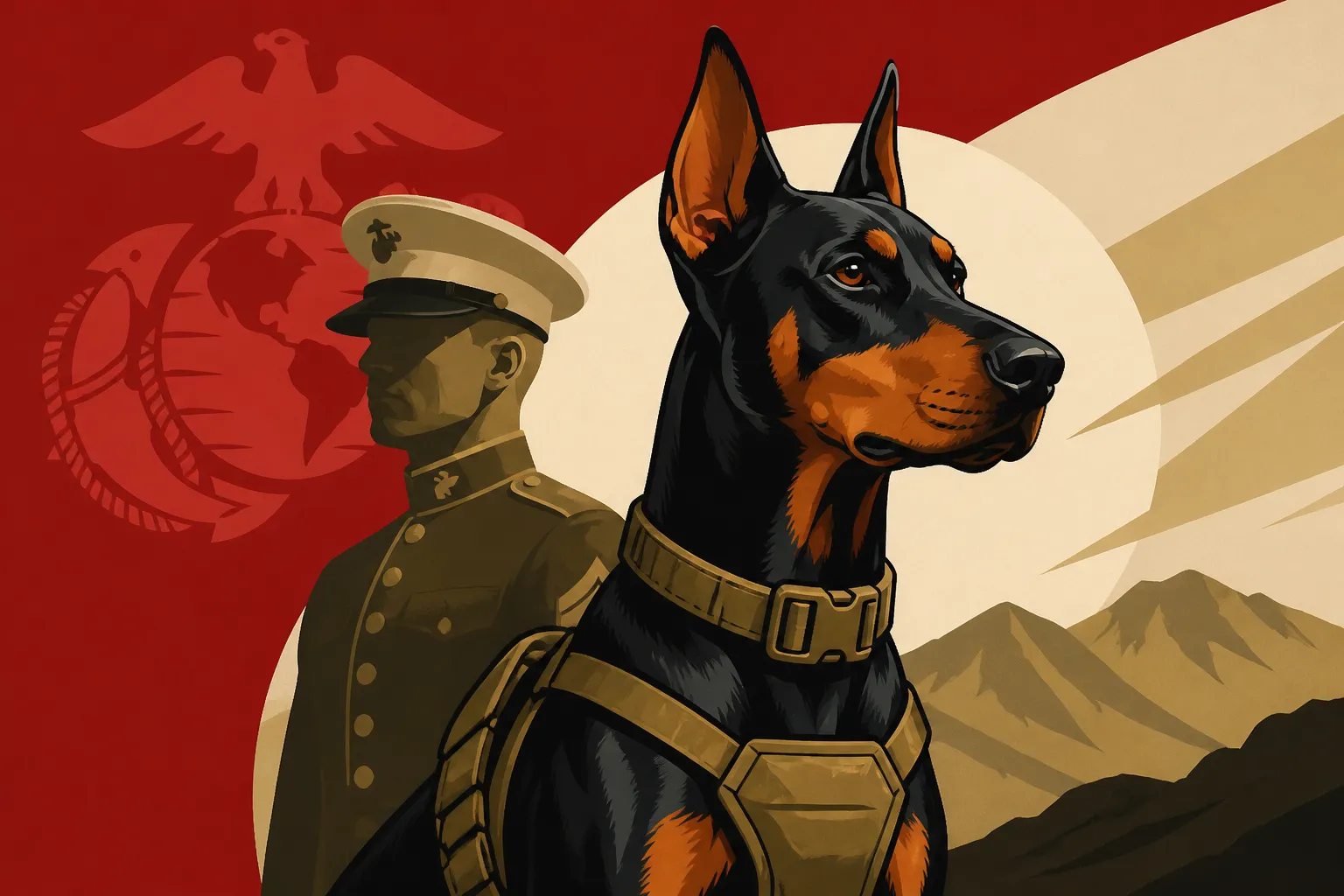
When you hear about Dobermans and their role in military history, it's often linked directly to the United States Marine Corps, particularly during World War II in the Pacific theater. It wasn't just a random choice; these dogs were specifically selected and deployed to face the brutal, unforgiving challenges of jungle warfare, becoming an invaluable asset to the Marines. This guide will explore the fascinating reasons behind this pivotal decision, shedding light on the breed's intrinsic qualities and the unique demands of their heroic service.
The Unique Traits That Caught Their Eye
The Doberman Pinscher, from its very origins, was bred to be a formidable, intelligent, and protective companion. These innate characteristics, honed over generations, made them exceptionally suited for the rigorous demands of military service, far beyond what many other breeds could offer.
Intelligence and Trainability
One of the foremost reasons the Doberman stood out was its incredible intelligence and eagerness to learn. These dogs are famously quick studies, often picking up complex commands with remarkable speed. This wasn't just about performing tricks; in a military context, it meant they could be trained for specialized tasks in a condensed timeframe. Imagine the pressure of preparing animals for war, where every day counts, and training failures could have dire consequences. A Doberman's capacity for understanding and retaining information made them adaptable to the diverse and critical roles they would play. They could distinguish between friend and foe, follow intricate tracking patterns, and even signal silently, a testament to their sharp minds and the bond they formed with their handlers. This intense connection, often a hallmark of the Living With a Doberman That Follows You Everywhere, proved critical in chaotic combat zones.
Their high drive and desire to please also meant they were incredibly motivated. Trainers found Dobermans responsive to positive reinforcement, whether it was a favored toy, a specific type of praise, or a delicious treat. This responsiveness allowed for the rapid development of sophisticated skills needed for scouting, sentry duty, and message delivery. They weren't just following orders; they were actively engaged, processing information, and making decisions based on their training. For owners wondering about civilian training, this high intelligence also means Keeping a Doberman Mentally Tired is crucial to prevent boredom and destructive behaviors.
Courage and Natural Protective Instincts
Dobermans possess an inherent courage that few breeds can match. They were originally bred to be guardians, accompanying their creator, Karl Dobermann, on his rounds, a legacy that meant they had no hesitation in facing perceived threats head-on. This isn't aggression for aggression's sake; rather, it's a deep-seated protective instinct coupled with unwavering confidence. In the harrowing environments of war, this courage was indispensable. A Doberman wouldn't back down from danger, nor would it freeze under pressure. It would stand its ground, alert its handler, or, if trained, engage the threat. This trait was crucial for sentry duty, where a dog's unwavering vigilance could mean the difference between life and death for a patrol.
Beyond courage, Dobermans exhibit a profound loyalty to their chosen family or handler. Once they bond, it's a fierce and unwavering connection. In the context of the Marine Corps, this meant a Doberman would protect its handler with its life, acting as a living shield and an extension of the Marine's own vigilance. This deep bond fostered an incredible level of trust between dog and handler, essential for coordinating complex maneuvers in hostile territory. The breed's historical purpose, born from the need for a personal protector as Why a Tax Collector Bred the First Dobermans, translated perfectly into a wartime companion.
Physicality and Stamina
The Doberman's physique is another reason for its selection. They are lean, muscular, and athletic dogs, built for speed and endurance. Their sleek, short coat meant they were less prone to snagging on jungle undergrowth, and it was easier to inspect them for parasites, a significant concern in tropical climates. This physical prowess allowed them to cover vast distances, often carrying equipment, through challenging terrain. Unlike some heavier, bulkier breeds, the Doberman could move silently and swiftly, ideal for stealth operations.
Their stamina was equally impressive. Military operations often demanded long hours of continuous movement and vigilance, and a dog that tired quickly would be a liability. Dobermans could maintain their energy levels and focus for extended periods, enduring the heat, humidity, and constant physical demands of the Pacific islands. Their deep, narrow chests, while sometimes a concern for certain health conditions like bloat, provided ample lung capacity for sustained effort. For many who admire the breed, The Doberman the AKC Standard Describes emphasizes this elegant, athletic build, perfect for intense physical tasks.
The Specific Needs of Jungle Warfare
The Pacific Theater presented a unique and brutal challenge for soldiers, unlike anything seen in the European campaigns. The dense jungles, unforgiving climate, and the enemy's reliance on camouflage and ambush tactics required specialized tools and strategies. This is where the Doberman truly shone.
Silent Scouts and Sentries
In the dense, suffocating jungles of islands like Guam and Iwo Jima, visibility was often limited to mere feet. The thick foliage, oppressive humidity, and constant threat of ambush made traditional scouting methods incredibly dangerous. Human senses, no matter how keen, were often overwhelmed by the cacophony of jungle sounds and the visual clutter. This is where the Doberman's superior senses came into play. With their acute hearing and incredible sense of smell, they could detect enemy soldiers, hidden traps, and even unexploded ordnance long before a human could. Their ability to do this silently was paramount.
A Doberman could work ahead of a patrol, acting as a living early-warning system. They were trained to alert their handlers to danger not with barks, which would give away their position, but with subtle physical cues – a stiffening of the body, a slight shift in ear position, or a silent point towards the threat. This silent communication allowed patrols to maintain stealth and react proactively, avoiding devastating ambushes. For sentry duty, their unwavering vigilance meant they could guard perimeters throughout the night, far surpassing human capabilities in detecting infiltration, a role highlighted in The Doberman's War Record.
Adapting to Harsh Environments
The tropical climate of the Pacific was a harsh mistress. Extreme heat, torrential rains, and relentless humidity took a toll on both men and machines. Animals, too, had to be robust enough to withstand these conditions. The Doberman's short coat, while meaning they Why a Doberman Feels the Cold Before Other Dogs in temperate climates, was actually an asset in the heat, preventing overheating and making parasite checks easier. Their physical resilience allowed them to operate effectively in environments that would quickly incapacitate less hardy breeds. They navigated treacherous terrain, including muddy swamps, rocky paths, and dense undergrowth, with remarkable agility and determination.
Beyond the physical climate, the psychological environment was equally demanding. The constant threat, the isolation, and the sheer brutality of jungle combat could break even the toughest soldiers. The Dobermans, with their stable temperaments and unwavering loyalty, provided a much-needed psychological boost to the Marines. Their presence offered comfort, a sense of home, and an unshakeable companion in the face of overwhelming odds. This deep companionship often eased the strain on handlers, who knew their dog had their back.
Detecting Hidden Threats
One of the most insidious threats in jungle warfare was the hidden enemy. Japanese soldiers were masters of camouflage, booby traps, and concealed positions. Detecting these required more than just keen eyes; it needed an animal with an instinct for the unusual, a heightened sensitivity to disturbances in the environment that a human might miss. Dobermans were trained to pick up on subtle cues—the scent of a camouflaged soldier, the barely perceptible tripwire, or the freshly disturbed earth of a foxhole.
Their training emphasized not just detection but accurate signaling. They wouldn't give a false alarm for every rustle in the leaves; they were taught to differentiate genuine threats. This precision saved countless lives. Imagine a patrol moving cautiously through dense jungle, relying entirely on their dog to warn them of an impending ambush. The Doberman's ability to locate hidden enemy positions, often by scent alone, allowed Marines to bypass dangerous areas, plan counter-ambushes, or simply prepare for contact. This capability was so critical that the Doberman earned its place as an indispensable war dog.
Training Regimen and Deployment
The success of the Dobermans in the Marine Corps wasn't just about their natural abilities; it was also a testament to the intensive and dedicated training they received and the incredible bond forged with their handlers.
Intensive War Dog Training
The journey for a Doberman from a civilian pet to a disciplined war dog was rigorous and comprehensive. Dogs were often selected for their temperament—bold, confident, and stable, yet highly trainable. They underwent specialized training programs at places like Camp Lejeune, North Carolina, and subsequently at the War Dog Training Center on Guam. The training curriculum covered everything from basic obedience to advanced scouting, tracking, and sentry duties. Emphasis was placed on silent communication, teaching dogs to respond to subtle hand signals and whispered commands rather than vocal cues that could compromise a patrol's position.
These dogs were conditioned to tolerate the sounds of gunfire, explosions, and the chaos of battle, ensuring they wouldn't panic or become disoriented under fire. They learned to work off-leash, navigating complex terrain independently but always returning to their handler. Imagine the countless hours spent repeating drills, building confidence, and refining skills, knowing that the lives of Marines would depend on the dog's performance. The dedication of both trainers and dogs during this period was immense, shaping them into the "Devil Dogs" of the Pacific. This level of training also resonates with modern-day working dog programs, where advanced Doberman Training and Protection Sport Fees often reflect the intensity of the work.
Handlers and the Bond Formed
The success of the Doberman war dog program hinged on the deep, unbreakable bond between dog and handler. Each dog was assigned to a single Marine handler, and they would live, train, and fight together. This wasn't just a working relationship; it was a partnership founded on mutual trust and dependence. Handlers learned to read their dogs' every subtle cue, understanding their body language and silent signals, while the dogs developed an absolute faith in their human companions. This bond was crucial in the high-stress environment of combat.
Many Marines formed such strong connections with their Dobermans that they would share their rations, shelter, and even their personal thoughts with their canine partners. These dogs provided not just tactical advantages but also immense emotional support in the lonely, terrifying landscape of war. The story of Corporal Bruno and his Doberman, Andy, who warned him of an ambush, is just one example of the profound connection and life-saving collaboration that was common. For anyone who has owned a Doberman, you know they tend to bond deeply with one person, a trait that makes A Doberman That Shadows One Family Member a common occurrence and was amplified in wartime.
The Doberman's Role in Specific Operations
The Dobermans were not just a static asset; they were actively deployed in critical operations across the Pacific. They served primarily in the capacity of scout dogs and sentry dogs. As scouts, they led patrols, identifying enemy positions, ambushes, and even mines, guiding Marines safely through perilous terrain. Their incredible senses allowed them to detect concealed dangers that would have been invisible to humans. In one famous instance, a Doberman named Cappy alerted his handler to a camouflaged enemy sniper, allowing the Marines to neutralize the threat before it could cause casualties.
For sentry duty, particularly at night, Dobermans were unparalleled. They guarded perimeters, sleeping troops, and vital supply caches. Their ability to remain vigilant for hours, detecting the faintest sounds or scents of an approaching enemy, provided an invaluable layer of security. The psychological impact on the enemy was also significant; the presence of war dogs could deter infiltration attempts, knowing that silent, four-legged sentinels were watching. These dogs were truly heroes, and their contributions were recognized widely after the war.
The Legacy and Lasting Impact
The Doberman's service in the Marine Corps left an indelible mark, shaping not only the breed's reputation but also the future of military working dog programs.
"Devil Dogs" and Heroic Status
The Dobermans earned the affectionate and respectful moniker "Devil Dogs" from the Marines they served alongside. This nickname, previously reserved for the Marines themselves, speaks volumes about the dogs' fierce loyalty, courage, and effectiveness in combat. Their heroism was not a myth; it was forged in the jungles of the Pacific, documented in countless stories of warnings given, lives saved, and battles turned. These dogs were more than just tools of war; they were comrades, integral to the success of many operations.
The post-war period saw a heightened appreciation for the Doberman's capabilities, solidifying its image as a noble, courageous, and intelligent protector. This reputation has endured, influencing perceptions of the breed for generations. While their wartime role was intense, the inherent temperament of a Doberman, described as determined and alert in Doberman Temperament as the Standard Describes It, showcases why they excel in such demanding situations.
The Doberman Memorial on Guam
A lasting tribute to the Dobermans' service is the War Dog Memorial located on the island of Guam. This powerful monument, depicting a Doberman standing guard, commemorates the 25 Doberman Pinschers who died liberating Guam in 1944. It stands as a solemn reminder of their sacrifice and dedication, a tangible acknowledgment of their contribution to the war effort. The memorial serves as a focal point for reflection, honoring the bravery of these canine soldiers and their handlers.
Visiting the memorial, or even seeing pictures of it, brings home the reality of their service. It’s a testament not just to the breed, but to the deep bond between humans and animals in times of extreme adversity. For many Doberman enthusiasts, this memorial is a point of pride, symbolizing the best qualities of the breed: loyalty, courage, and unwavering dedication.
Modern Military Dog Roles
While the specific role of Dobermans in frontline combat has evolved, their legacy paved the way for modern military working dog programs. Today, breeds like German Shepherds and Belgian Malinois are more commonly seen in roles such as bomb detection, drug sniffing, and patrol, chosen for their own unique strengths. However, the foundational understanding of canine intelligence, trainability, and the vital human-animal bond developed during WWII with the Dobermans remains a cornerstone of these programs. The Marine Corps' experience with Dobermans proved irrevocably that dogs could be incredibly effective assets in combat, shaping strategies and training protocols for generations to come.
Many principles established during the Doberman era, such as intensive bonding between handler and dog, and specialized training for specific detection tasks, are still in use. While the equipment has changed – modern military dogs might wear protective gear or specialized harnesses sourced from places like Chewy for their rigorous duties – the core commitment to maximizing their innate abilities remains. The Doberman's story is a crucial chapter in the history of military working dogs, a testament to their enduring spirit and irreplaceable contributions.
Here’s a look at how Doberman traits aligned with military needs:
| Doberman Trait | Military Application | Benefit in Combat |
|---|---|---|
| High Intelligence | Rapid training for complex tasks | Quick adaptation to diverse roles; silent communication |
| Trainability | Responsive to commands, eager to please | Reliability under pressure; efficient skill acquisition |
| Courage | Unwavering in the face of danger | Stood guard fearlessly; engaged threats without hesitation |
| Protective Instincts | Fiercely loyal to handler | Protected human partners; acted as an early warning system |
| Athletic Build | Lean, muscular, agile | Moved silently and swiftly through dense jungle |
| High Stamina | Sustained energy over long periods | Maintained vigilance and performance during extended operations |
| Acute Senses | Exceptional hearing and smell | Detected hidden enemies, traps, and mines from a distance |
| Short Coat | Less prone to snags, easier parasite checks | Practical for tropical jungle environments; reduced maintenance |
The choice of the Doberman by the Marine Corps during World War II was a strategic one, born out of a desperate need for effective allies in the unforgiving Pacific theater. Their intelligence, courage, and physical capabilities, combined with rigorous training and the unbreakable bond with their handlers, made them legendary. Their service stands as a powerful testament to the incredible capabilities of these dogs and the enduring partnership between humans and canines.
Disclaimer
This article is for general informational purposes only and does not constitute professional advice. Laws, prices and regulations vary by location and change over time. Consult a qualified professional for guidance on your specific situation.