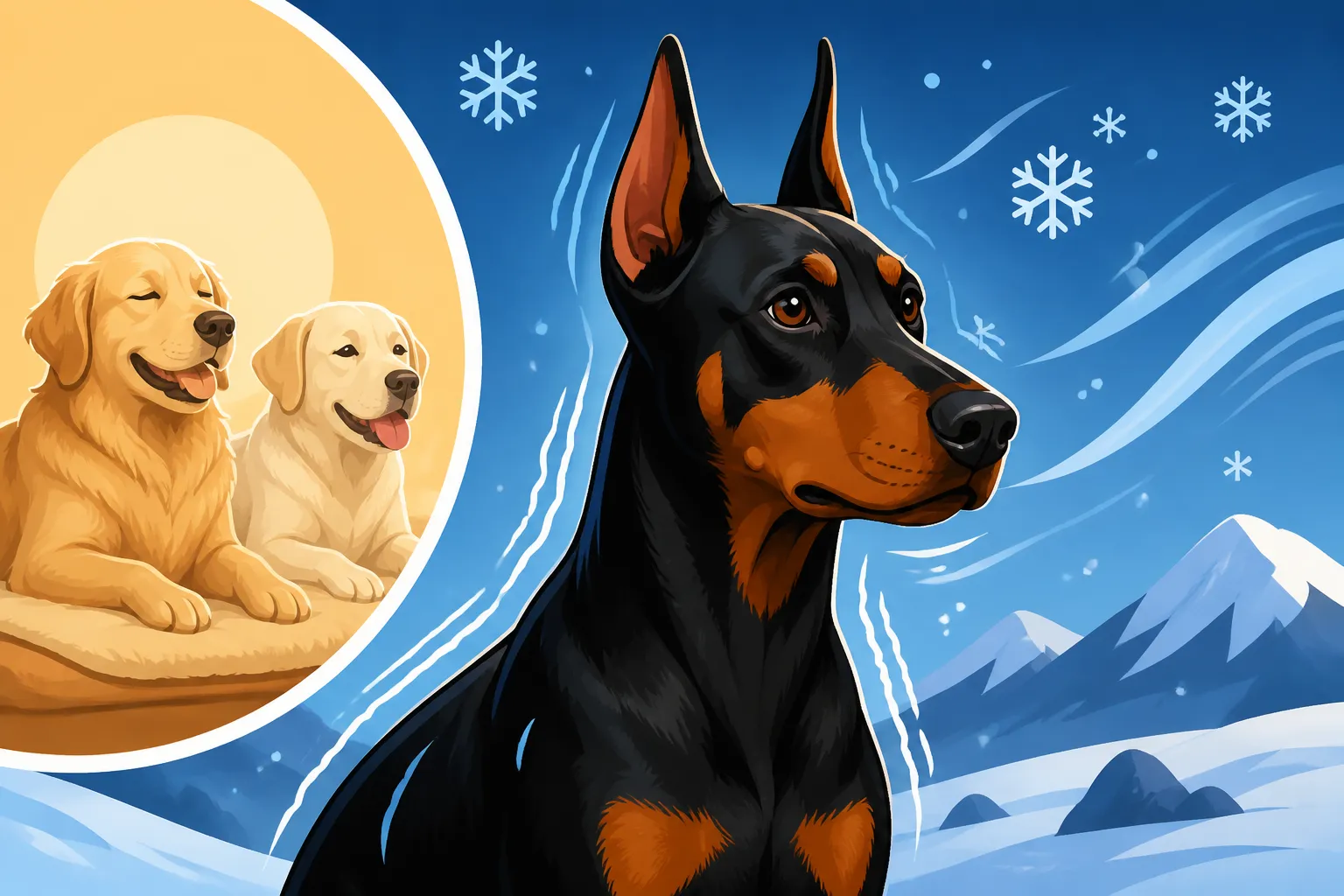
Why a Doberman Feels the Cold Before Other Dogs
If you're a Doberman owner, you've probably noticed it: that tell-tale shiver even when you feel perfectly comfortable, the way they seek out the warmest spot in the house, or how quickly they seem to get cold on a brisk walk. It’s not just your imagination or your Doberman being dramatic; there are very real physiological reasons why these sleek, athletic dogs feel the chill much more acutely than many other breeds. This comprehensive guide will dive deep into those reasons, explore common scenarios where your Doberman might struggle with the cold, and arm you with practical, empathetic strategies to ensure your beloved companion stays warm, healthy, and happy, no matter the weather.
Understanding the Doberman's Unique Physiology: A Lack of Natural Insulation
It’s easy to look at a Doberman's noble profile and assume they're as robust against the elements as any working breed. However, their genetics and physical build tell a different story, one that leaves them quite vulnerable to cold temperatures. Unlike breeds with thick double coats or ample body fat, Dobermans are designed for speed, agility, and a close relationship with their human companions, not for weathering harsh climates alone.
The Doberman's Distinctive Coat: More Than Just Appearance
The Doberman's coat is undeniably striking – short, sleek, and often shiny. It’s part of what gives them their elegant, powerful appearance. But what makes it beautiful also makes it less effective as insulation. Dobermans possess a single coat, meaning they lack the dense, woolly undercoat found in breeds like German Shepherds, Huskies, or even Labs. This undercoat is a dog's primary defense against the cold, trapping air close to the body to create a insulating layer. Without it, the Doberman's short, coarse outer guard hairs offer very little protection from the biting wind, cold rain, or simply low temperatures.
Imagine stepping outside in just a thin t-shirt on a chilly day, compared to wearing a thick wool sweater. That's essentially the difference between a Doberman's coat and a double-coated breed's. Their coat is fantastic for staying cool in warmer weather, and it minimizes shedding and makes grooming relatively easy, but it's a significant disadvantage when the mercury drops. You'll often see Dobermans with very fine, almost sparse hair on their bellies and inner thighs, which are critical areas for heat regulation and are the first to get cold when they lie down on a cool surface or are exposed to drafts. It’s a design that prioritizes movement and sleekness over thermal regulation.
The Metabolism Factor: Fueling a High-Energy Breed
Dobermans are known for their incredible energy and athleticism. They are built for action, always ready for a run, a training session, or a game of fetch. This high-octane lifestyle is fueled by a fast metabolism, which generates a good amount of body heat when they are active. However, this same metabolism can work against them in cold conditions. While it burns calories efficiently to produce energy and maintain body temperature, a Doberman's lean build means there’s less stored energy (fat) to call upon when external temperatures demand extra effort to stay warm.
A Doberman's resting metabolic rate is usually higher than that of a less active, heavier-boned breed. This means they are constantly burning through their energy reserves. If they aren't eating enough to support this metabolism and combat the cold, they can quickly deplete their energy stores, leading to shivering and feeling even colder. Think of it like a high-performance sports car – it burns fuel fast and performs exceptionally, but it needs consistent refueling. If your Doberman is shivering to stay warm, their body is expending considerable energy, which needs to be replaced through adequate nutrition. This is especially true for working line Dobermans who are naturally leaner and carry less fat.
Body Fat and Muscle Mass: A Lean, Athletic Build
One of the Doberman's defining characteristics is their lean, muscular physique. They are not meant to be bulky or carry excess weight. This athletic build, while aesthetically pleasing and functional for their working heritage, means they have very little subcutaneous fat – the layer of fat beneath the skin that acts as a natural insulator. Many breeds, especially those originating from colder climates, have a generous layer of fat that helps keep them warm. Dobermans simply don't have this built-in blanket.
When you feel your Doberman's ribs or hip bones, you're feeling a healthy, fit Doberman. But those prominent bones, coupled with minimal body fat, mean there’s less insulation between their internal organs and the cold environment. Muscle generates heat when active, but when resting, it doesn't provide the same insulating qualities as fat. This lack of natural padding makes them highly susceptible to heat loss through conduction when they lie on cold surfaces, and through convection when cold air blows across their skin. It’s a constant battle against heat escape, which is why you’ll often find them burrowed under blankets or curled up tightly.
Common Scenarios Where Dobermans Struggle with Cold
It's not just freezing temperatures that make a Doberman shiver. Even what we consider "mildly cool" weather can be a real challenge for them, both indoors and out. Understanding these common scenarios can help you anticipate their needs and intervene before they become genuinely uncomfortable.
Outdoor Adventures in Chilly Weather
Picture this: it’s a crisp autumn morning, maybe 45-50 degrees Fahrenheit, and you’re feeling invigorated by the cool air on your walk. Your Doberman, however, might be a different story. While they might initially bound with energy, that enthusiasm can quickly turn into shivering and reluctance to continue as their core temperature drops. The combination of their single coat and lean body means that even moderate cold can penetrate their defenses rapidly, especially if there's any wind or dampness in the air.
A simple walk around the block can become a discomfort marathon for them if they aren’t properly outfitted. Dog parks, hiking trails, or even just hanging out in the backyard for more than a few minutes can pose a risk. If the ground is cold and damp, lying down for even a short period can pull heat from their body. Furthermore, Dobermans are prone to Why a Doberman Feels the Cold Before Other Dogs, often having very thin skin. If they scrape themselves, a coat can help protect these delicate areas. You might notice them lifting their paws, trying to avoid the cold ground, or tucking their tails tightly. These are clear signals that they’re feeling the bite of the cold.
Indoor Comfort: When "Room Temperature" Isn't Enough
Many Doberman owners are surprised to find their dog shivering indoors, even when the thermostat is set to what feels like a perfectly comfortable 70 degrees Fahrenheit. What feels pleasant to a human, especially one wearing clothes and moving around, might still be too cool for a Doberman who is lying still on the floor or by a window. Remember, they don't have that insulating undercoat, and they quickly lose body heat through direct contact with cool surfaces.
Imagine your Doberman lying on a tile floor in a drafty living room. Even if the air temperature is fine, the cold floor can rapidly draw heat away from their body. They'll often seek out sunny spots, burrow into blankets, or try to squeeze onto the couch right next to you, not just for affection, but for warmth. If your home has hard floors, or areas prone to drafts, these can become cold traps for your Doberman. It's a testament to their need for consistent, close-contact warmth that they've earned the nickname "Velcro Doberman" – they truly thrive on your body heat! Living With a Doberman That Follows You Everywhere might be more about staying warm than you think.
Age and Health Considerations: When Vulnerability Increases
A Doberman's sensitivity to cold isn't static; it can change throughout their life and be influenced by their overall health. Puppies, for instance, have less body mass and underdeveloped thermoregulation systems, making them incredibly vulnerable to cold. A tiny Doberman pup needs constant warmth and supervision, as even a short chill can be detrimental to their health.
As Dobermans age, their metabolism can slow down, and they may become less active, both of which reduce their natural heat generation. Senior Dobermans might also have underlying health conditions, such as The Thyroid Numbers That Slow a Doberman Down or joint pain, which can make them more sensitive to cold and less able to move to warm themselves up. Medication, too, can sometimes affect a dog’s ability to regulate body temperature. A Doberman recovering from surgery, or one with a chronic illness, might have a compromised immune system and reduced energy reserves, making them even more susceptible to the cold's adverse effects. It's crucial to be extra vigilant and provide enhanced warmth for these vulnerable stages of their lives.
Practical Strategies for Keeping Your Doberman Warm Outdoors
When the weather turns chilly, simply keeping your Doberman inside isn't always an option, nor is it fair to such an active breed. With a few smart preparations, you can ensure their outdoor time remains enjoyable and safe, even when the temperature drops.
Choosing the Right Winter Wear: More Than a Fashion Statement
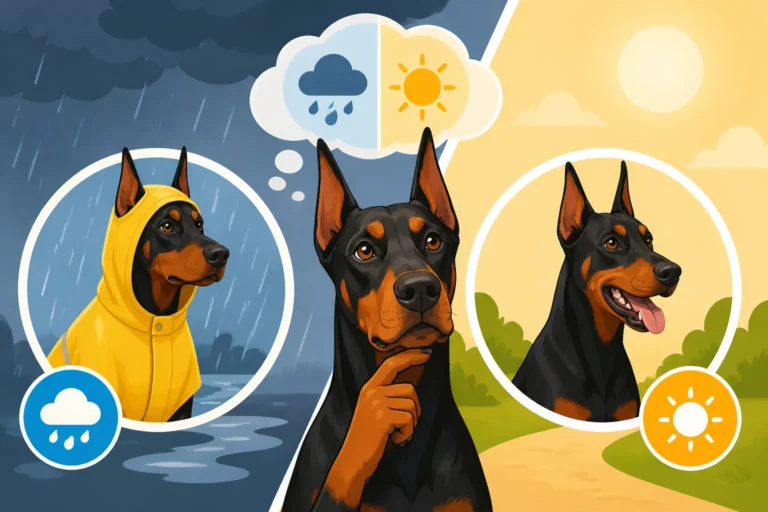
For a Doberman, a coat isn't just about looking stylish; it's a vital piece of equipment for warmth and protection. Given their thin coat and minimal body fat, a good quality dog coat or sweater is non-negotiable for outdoor excursions in anything below mild temperatures. When selecting one, focus on coverage and materials. Look for coats that cover their back, chest, and ideally, part of their belly. Waterproof or water-resistant outer layers are fantastic for damp or snowy conditions, keeping them dry, which is just as important as keeping them warm. Fleece linings or insulated options provide that crucial extra layer of warmth their natural coat lacks.
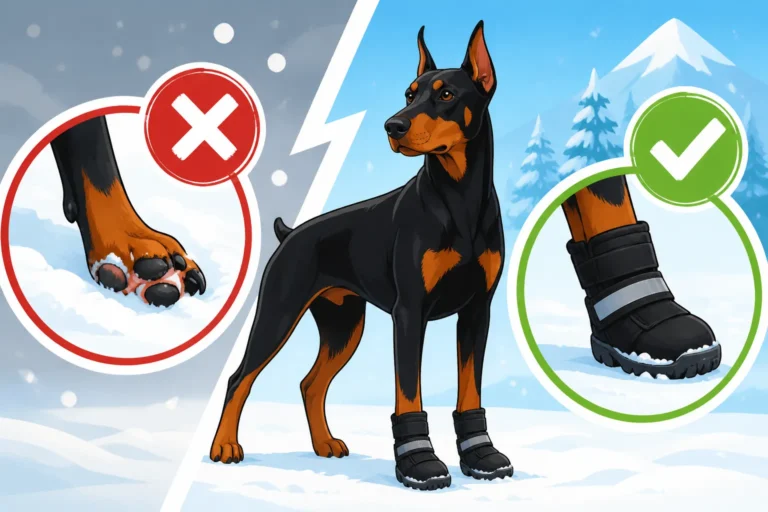
Consider brands that specialize in active dog wear, or those that offer a good range of sizes to accommodate a Doberman's deep chest and lean frame. You can often find excellent options on platforms like Chewy or Amazon. It’s not uncommon for Doberman owners to own multiple coats: a lighter fleece for brisk autumn days, and a heavily insulated, waterproof coat for true winter weather. Don't forget paw protection if you're walking on icy, salty, or very cold surfaces. Dog booties can prevent frostbite and protect against irritating de-icing chemicals. Make sure the coat allows for a full range of motion, so your Doberman can still run and play comfortably. Winter Coats Sized for a Doberman are a must-have item in many climates.
Planning Outdoor Activities: Timing and Duration
Even with the best winter gear, careful planning is key to keeping your Doberman safe and warm outdoors. On truly cold days, or when there's a biting wind chill, rethink long walks or extensive playtime. Instead of one long outing, consider several shorter, more frequent bursts of activity. A brisk 15-20 minute walk might be perfectly fine, whereas an hour-long hike could lead to them becoming dangerously cold.
The time of day also matters. Aim for walks during the warmest part of the day, typically late morning or early afternoon, when the sun is highest and ambient temperatures are peaking. Avoid early mornings or late evenings when temperatures plummet. Pay close attention to the weather forecast, not just for temperature, but for wind chill and precipitation. A damp, windy day at 40 degrees can feel much colder to your Doberman than a dry, still day at 30 degrees. Watch their behavior closely for signs of discomfort – shivering, reluctance to move, hunched posture, or trying to turn back towards home. If you notice these, it’s time to cut the outing short.
Post-Outdoor Care: Drying and Warming Up
After any outdoor adventure in cold or damp weather, proper post-activity care is crucial to prevent your Doberman from getting chilled. Even if they wore a waterproof coat, some moisture can still get through, and their paws, legs, and belly are often exposed. As soon as you get back inside, gently but thoroughly dry them off with a towel, especially their feet and belly. If they got particularly wet, a dog-specific hairdryer on a low, cool setting can be helpful, but be careful not to overheat their skin.
Once they're dry, ensure they have immediate access to a warm, cozy spot. This might be their favorite bed with an extra blanket, a spot near a heater (but not too close to avoid burns), or snuggling up with you on the couch. Offering a small, warm meal or a tasty, high-value treat can also help raise their internal temperature and replenish energy stores. A nice, warm cuddle session is not just good for bonding but also helps transfer your body heat to them. Think of it as their post-adventure warm-down routine, essential for their comfort and health. Keeping a Doberman Warm in a Cold Car during travel to and from outdoor activities is also important, ensuring they don't get cold during transit.
Creating a Cozy Indoor Environment for Your Cold-Sensitive Doberman
While outdoor precautions are vital, the majority of a Doberman's life is spent indoors. Ensuring their home environment is a haven of warmth and comfort is paramount to their well-being, preventing constant shivers and conserving their energy.
Bedding Solutions: Elevating Comfort and Warmth
For a Doberman, a simple mat on the floor just won't cut it when it comes to staying warm. Because they lack natural insulation and often have prominent bones, they need bedding that provides both cushioning and effective insulation from cold floors. Orthopedic beds with thick memory foam or dense stuffing are excellent choices, as they lift the dog off the cold surface and offer superior support for their joints, which can stiffen in the cold.
Beyond the base, consider beds with high sides or a "nest" design. These allow your Doberman to curl up, mimicking the denning instinct and trapping their body heat. Materials matter too; fleece, faux fur, or even self-warming thermal fabrics can significantly enhance coziness. Many Doberman owners also provide an abundance of soft blankets that their dogs can burrow into. You’ll be amazed at how quickly they learn to build their own little blanket fort! Options from Chewy or Amazon often include self-heating beds, which can be a game-changer for really cold sleepers. Remember, a comfortable, warm bed isn't just a luxury; it's a necessity for a Doberman. Beds That Cushion a Bony Doberman are designed to address both comfort and warmth.
Strategic Heating and Draft Control
Maintaining a consistent, comfortable temperature throughout your home is ideal, but sometimes specific strategies are needed for your Doberman. Identify any drafty areas in your home, especially near windows, doors, or older walls. Simple solutions like draft stoppers for doors and windows can make a significant difference. You might also consider placing your Doberman’s bed away from exterior walls or cold tile floors.
For areas where your Doberman spends a lot of time, a small, safe space heater (with proper safety precautions, of course) can provide supplemental warmth. Always ensure it's placed out of reach, has tip-over protection, and isn't left unsupervised for long periods. Smart thermostats can also be beneficial, allowing you to program temperatures to be warmer during times your Doberman is most likely to be resting or alone. Radiant floor heating, if you're lucky enough to have it, is a Doberman's dream come true! Even without major renovations, strategically placing beds, closing off unused, colder rooms, and using heavy curtains can help maintain a warmer ambient temperature for your sensitive companion.
The Power of Proximity: Body Heat and Snuggles
This might sound obvious, but one of the most effective and simplest ways to keep your Doberman warm indoors is to allow them to be close to you. Their "Velcro" nature isn't just about needing companionship; it's also a primal instinct to seek out warmth. Your body heat is a natural, constant source of comfort for them. Many Dobermans will happily snuggle under blankets with their human, or curl up right against your side on the couch.
If you usually have a strict "no dogs on the furniture" rule, you might want to reconsider, at least for designated snuggling times, especially in colder months. Providing a designated, elevated spot on the couch or a large, comfy dog bed right next to your chair allows them to benefit from your warmth without fully taking over your space (unless you want them to!). The warmth generated by other household pets, if you have them, can also be a comfort. Just remember to respect their boundaries and ensure they have their own space if they prefer it, but most Dobermans will jump at the chance for a warm cuddle.
Nutritional Adjustments to Support Thermoregulation
Just like us, what a Doberman eats plays a crucial role in how well their body functions, including its ability to stay warm. A well-nourished Doberman has the energy reserves needed to generate body heat and maintain optimal health, especially when battling the cold.
Calorie Intake and Energy Expenditure
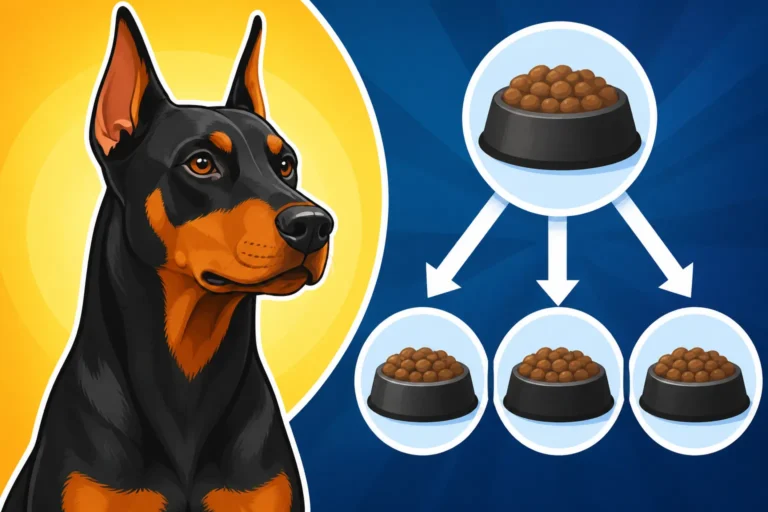
When the weather turns cold, your Doberman's body naturally expends more energy to maintain its core temperature. This means their caloric needs might actually increase during winter months, even if their activity level doesn't drastically change. If you notice your Doberman shivering more frequently, or if they seem to be losing a bit of their lean muscle mass, it might be a sign they need a slight increase in their daily food intake.
However, it's a delicate balance. You don't want to overfeed and lead to unhealthy weight gain, especially since Dobermans should maintain a lean physique. Monitor their body condition score regularly – you should be able to easily feel their ribs, but not see them prominently. Consult with your veterinarian to determine the appropriate adjustments. Sometimes, simply feeding a slightly higher-calorie food, or adding a small, easily digestible supplement like a bit of cooked, lean meat or a specialized high-quality fat source, can provide the necessary boost. Remember, consistent nutrition is key. Daily Calories for an Adult Doberman can vary greatly depending on their activity level and environmental conditions.
Supplements for Coat Health and Overall Warmth
While no supplement can replace a proper diet or a good winter coat, certain additions to your Doberman's regimen can support their overall health, including the quality of their skin and coat, which indirectly aids in thermoregulation. Omega-3 and Omega-6 fatty acids, found in fish oil supplements or certain food ingredients, are excellent for promoting a healthy, shiny coat and supple skin. A healthy coat, even if thin, is better at providing some barrier against the elements.
Other supplements, such as L-carnitine and taurine, are often discussed in the Doberman community due to their potential benefits for heart health. While not directly linked to warmth, a healthy heart and overall robust bodily function contribute to a dog's ability to cope with environmental stressors like cold. Always talk to your vet before adding any new supplements to your Doberman’s diet, especially if they have underlying health conditions or are on medication. They can advise on appropriate dosages and potential interactions. You can find many reputable supplements available on platforms like Chewy or Amazon.
Hydration: Often Overlooked in Cold Weather
It’s easy to focus on food when thinking about energy and warmth, but adequate hydration is just as crucial in colder months. Dogs, just like humans, can become dehydrated even in cool weather, especially if they're active or if the indoor air is dry from heating systems. Dehydration can compromise various bodily functions, including thermoregulation.
Ensure your Doberman always has access to fresh, clean water. If your dog prefers warmer water, offering it lukewarm might encourage more drinking. Some Dobermans might also benefit from having wet food mixed into their kibble, or even a specialized liquid supplement, to increase their water intake. Consider investing in a filtered water bowl to keep water appealing. Monitoring their water intake is a good habit year-round, but it becomes particularly important when their body is working harder to stay warm. If you are concerned about their intake, mention it to your vet during your The Yearly Checkup a Doberman Still Needs.
Recognizing the Signs of a Cold Doberman and When to Act
Your Doberman can't tell you in words that they're cold, so it's up to you to be a keen observer of their behavior and physical cues. Learning to read these signs is vital for their well-being, allowing you to intervene promptly and prevent serious issues like hypothermia.
Behavioral Cues: What Your Doberman Is Telling You
Dobermans are masters of non-verbal communication, and they'll give you plenty of hints when they're feeling chilly. The most obvious sign is shivering or trembling, which is their body's way of generating heat through muscle contractions. However, there are more subtle cues too.
Look for a hunched posture, with their back arched and tail tucked tightly between their legs. They might try to curl up into a tight ball, minimizing their exposed surface area to conserve heat. Reluctance to go outside, or attempting to cut a walk short by turning back towards home, are strong indicators. Indoors, you might find them constantly seeking out warm spots – basking in a sunbeam, trying to burrow under blankets, or insisting on being as close to you (or a heat source) as possible. Some Dobermans might even whine or bark softly to express their discomfort. If you see these signs, don't dismiss them; your Doberman is telling you they're cold and need your help.
Physical Symptoms: Beyond the Shivers
Beyond shivering, there are physical signs that indicate your Doberman is uncomfortably cold, and some that suggest a more serious situation. Cold ears, paws, and tail are normal when they've been outside, but if these extremities remain cold even after being indoors for a while, it's a concern. Their skin might feel cool to the touch, especially on their belly or inner thighs.
More serious signs include lethargy or a noticeable decrease in energy. If your usually energetic Doberman seems sluggish, slow to respond, or unusually quiet after being in the cold, it's a red flag. Their gums might appear pale or even bluish, indicating poor circulation. They might breathe shallowly or stiffly, and their muscles could become rigid. In severe cases, they might seem confused or disoriented. These are not just signs of being chilly; they indicate that their core body temperature is dropping too low, and immediate action is required.
Hypothermia: A Serious Threat
Hypothermia is a dangerous condition where a dog's body loses heat faster than it can produce it, causing their core body temperature to drop to critically low levels. For a Doberman, given their inherent cold sensitivity, this can happen more quickly than for other breeds. Early recognition and swift action are crucial.
Stages of Hypothermia:
- Mild Hypothermia (90-99°F / 32-37°C): Characterized by shivering, weakness, pale gums, and cold extremities. Your Doberman might seem uncomfortable and seek warmth.
- Moderate Hypothermia (82-90°F / 28-32°C): Shivering may cease, replaced by muscle stiffness. Your Doberman will be lethargic, possibly disoriented, and their breathing and heart rate will slow.
- Severe Hypothermia (below 82°F / 28°C): This is a life-threatening emergency. Your Doberman may be unresponsive, have rigid muscles, fixed and dilated pupils, and a very slow, weak pulse.
If you suspect even mild hypothermia, get your Doberman into a warm environment immediately. Wrap them in blankets (ideally warmed ones from a dryer), use body heat, or carefully apply warm (not hot) water bottles wrapped in towels to their armpits and groin. Do NOT immerse them in hot water or use heating pads directly on their skin, as this can cause burns or rapid changes in blood pressure. Offer warm broth or water if they can drink. For moderate or severe hypothermia, seek immediate veterinary attention. This is a medical emergency that requires professional care. Emergency Vet Fees for a Collapsing Doberman can be substantial, making prevention key.
| Sign of Cold Doberman | Severity | Action |
|---|---|---|
| Mild Shivering | Low | Add a coat, provide extra blankets, move to a warmer spot, offer a warm snuggle. |
| Huddled/Tucked Tail | Low | Provide more insulation, check for drafts, offer a warm bed. |
| Reluctance to Go Outside | Low | Outfit with warmer gear, shorten outdoor time, pick warmer times of day. |
| Cold Ears/Paws/Tail (persistent) | Medium | Bring indoors, dry thoroughly, provide warmed bedding, check core temperature if possible. |
| Lethargy/Sluggishness | Medium-High | Warm immediately. Call your vet for advice. Monitor closely. |
| Pale/Bluish Gums | High (Emergency) | Seek immediate veterinary attention. Warm the dog while en route, but avoid rapid heating. |
| Muscle Stiffness/Disorientation | High (Emergency) | Seek immediate veterinary attention. Keep the dog warm and still. |
| Unresponsiveness | Extreme (Emergency) | Seek immediate veterinary attention. Critical situation, careful warming and professional care needed. |
The Lifelong Commitment: Adapting to Your Doberman's Cold Sensitivity
Owning a Doberman means accepting their unique needs, and their sensitivity to cold is definitely one of them. It's not a temporary issue but a lifelong consideration that will influence daily routines, travel plans, and how you educate others about your beloved companion.
Puppyhood to Senior Years: Evolving Needs
A Doberman's cold tolerance isn't static; it evolves throughout their life. Doberman puppies are particularly vulnerable because they have less body mass and their thermoregulation system isn't fully developed. They need constant, consistent warmth, often requiring extra blankets, cozy puppy beds, and careful monitoring, even indoors. Exposure to cold drafts or dampness can quickly lead to chills or illness in a young pup. Doberman Puppies and Their First Heart Check will confirm they're healthy enough for proper growth.
As they mature into adulthood, their ability to cope with cold improves slightly due to increased muscle mass and a fully developed system, but they will always remain cold-sensitive compared to many other breeds. Then, in their senior years, around The Doberman Years When Everything Shows Up, their needs shift again. Older Dobermans may have a slower metabolism, less activity, thinning coats, and potential health issues (like arthritis or thyroid problems) that make them even more susceptible to the cold. Providing extra warmth, easier access to comfortable, heated beds, and being even more vigilant about their outdoor exposure becomes crucial for their comfort and health.
Travel and Boarding: Planning for Their Comfort
If your Doberman is part of your travel plans, their cold sensitivity must be a key consideration. Whether it's a road trip or even just a visit to a friend's house, always pack their favorite warm bed, extra blankets, and their winter coats. Be mindful of temperatures in hotel rooms or unfamiliar environments, which might be cooler than your home. If you're staying somewhere with hard, cold floors, bring an extra rug or thick mat for them to lie on. Airline Rules for Shipping a Doberman should be reviewed carefully, as cargo hold temperatures can be a concern, and often Dobermans are too large to be cabin-carried.
When boarding your Doberman, especially in colder months, communicate their specific needs to the kennel staff. Ask about their heating system, whether individual kennels are draft-free, and if they can provide extra bedding or allow you to bring your own. Some kennels might even have heated floors or special indoor runs that are ideal for Dobermans. It’s worth the extra effort to find a facility that understands and can accommodate their cold intolerance, ensuring they remain comfortable and stress-free while you're away.
Educating Others: Advocating for Your Doberman
Because Dobermans have such a formidable appearance, many people assume they are hardy dogs capable of enduring anything. This misconception often leads to misunderstandings about their vulnerability to cold. It's your role as their owner and advocate to educate friends, family, and even dog park acquaintances about your Doberman's specific needs.
Don't be afraid to politely explain why your Doberman needs a coat, even if it's "not that cold" to a human, or why they shouldn't be left outside for extended periods in cool weather. Explain that their short, single coat and lean body make them feel the cold much more intensely than a fluffy Golden Retriever or a thick-furred Husky. Sharing your knowledge helps break down stereotypes and ensures that your Doberman (and others like them) receive the consideration and care they need from everyone they encounter. Ultimately, your Doberman relies on you to be their voice and their protector against the elements, a role you'll carry with pride throughout their wonderful life with you.
Disclaimer
This article is for general informational purposes only and does not constitute professional advice. Laws, prices and regulations vary by location and change over time. Consult a qualified professional for guidance on your specific situation.