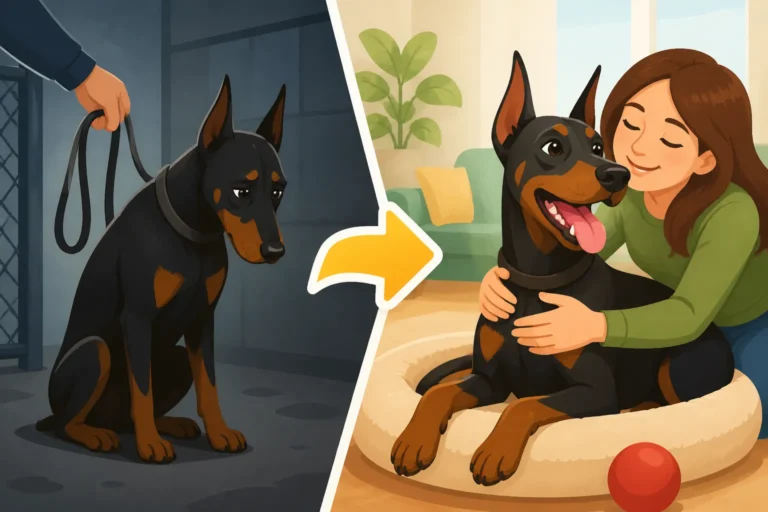
Doberman Training and Protection Sport Fees
Bringing a Doberman into your life is an incredible journey, but many new owners quickly realize that the initial purchase price is just the tip of the iceberg. These intelligent, powerful dogs thrive with consistent training and mental stimulation, and getting that professional guidance can come with significant and often unexpected costs. It’s easy to feel overwhelmed by the sheer number of options and the price tags attached, wondering if you’re making the right investment for your beloved companion. This comprehensive guide will meticulously break down the various training and protection sport fees you can expect, helping you understand where your money goes and how to budget effectively for your Doberman’s lifelong education.
Understanding the Foundation of Doberman Training Costs
Owning a Doberman means accepting that basic obedience isn't just a suggestion; it's a necessity. These dogs are smart, driven, and capable, which means they need consistent guidance from an early age. The initial training phases are crucial for shaping their behavior and establishing a solid relationship with you, but they certainly come with a price tag that can catch new owners off guard. Getting this right from the start lays the groundwork for a well-adjusted Doberman, making it a critical area for financial planning.
Puppy Classes and Basic Obedience
When you first bring home that adorable Doberman puppy, visions of a perfectly behaved adult dog might dance in your head. But turning that vision into reality starts with consistent, early training, and for most, that means puppy classes. These group classes, often held at local pet stores or specialized dog training facilities, are fantastic for socialization and learning fundamental cues like sit, stay, come, and leash manners. They're also a great way to expose your pup to other dogs and people in a controlled environment, which is vital for a breed that can sometimes be reserved with strangers. It’s not just about teaching commands; it’s about shaping their view of the world.
The cost for these puppy courses typically ranges from $150 to $300 for a 4-8 week program. You might find slightly cheaper options at larger pet store chains, while independent trainers often charge a bit more for smaller class sizes and more individualized attention. It’s important to remember that these classes aren't just for your puppy; they're for you as well. You'll learn how to effectively communicate with your Doberman, understand their motivations, and troubleshoot common puppy behaviors like nipping and house-training issues. Many owners find that the biggest frustration isn't the cost itself, but realizing that one round of puppy classes isn't a "fix-all" and that ongoing reinforcement at home is absolutely essential. Don't be fooled into thinking a single course will magically transform your Doberman; it's a stepping stone, a crucial first chapter in a long book of learning that you both embark on.
Private Training Sessions
Sometimes, group classes aren't the right fit, or you might find your Doberman has specific challenges that need more focused attention. Perhaps your Doberman is easily distracted in a group setting, or you're dealing with a particular behavior issue that feels overwhelming, like resource guarding a prized toy or excessive barking at the mail carrier. This is where private training sessions become invaluable, offering a tailored approach to your Doberman's unique needs and your family's lifestyle. It’s about getting direct, personalized feedback and strategies that are hard to come by in a crowded classroom.
Private trainers can come to your home, which is fantastic for addressing behaviors that specifically occur in your environment, like door manners or counter-surfing, or you might meet them at their facility. The cost for private sessions varies widely depending on the trainer's experience, location, and specialization. You can expect to pay anywhere from $75 to $200 per hour-long session, with many trainers offering package deals that bring the per-session cost down slightly. For instance, a package of five sessions might run you $400-$800. While this is a steeper investment upfront than group classes, the individualized attention can often accelerate progress, especially if you're tackling something sensitive. It’s a common frustration that you might feel like you should be able to train your Doberman yourself, but there's no shame in seeking expert help when you hit a wall. In fact, it's often the most efficient way to achieve lasting results and bypass weeks of trial-and-error.
Board and Train Programs
For those who are truly struggling or simply lack the time for consistent daily training, board and train programs can seem like a magic bullet. These programs involve sending your Doberman to live with a professional trainer for an extended period, typically two to six weeks, where they receive intensive, consistent training. The idea is that your dog returns home with a solid foundation of obedience, having learned in a structured environment away from household distractions. This can be especially appealing for Doberman owners who are overwhelmed by their dog's boundless energy or challenging behaviors that have become deeply ingrained.
However, board and train programs are a significant financial commitment, often being the most expensive training option. Prices can range from $1,500 to $4,000 or even more, depending on the program's length, the trainer's reputation, and what behaviors they specialize in. While the idea of your Doberman returning "perfect" is enticing, it's crucial to remember that this isn't a permanent fix without your continued involvement. The trainer will teach your dog, but you'll still need to learn how to maintain and build upon that training once they're back home. Most reputable programs include transfer sessions where the trainer teaches you how to work with your newly trained Doberman, but the success ultimately hinges on your commitment to consistency. This can be a frustration point for many owners who expect a complete transformation without realizing the homework involved on their end. To understand the typical costs, you might want to read more about Board and Train Prices for a Doberman. It’s a huge investment, and you want to ensure you're ready to pick up where the trainer left off.
Delving into Advanced Obedience and Behavior Modification
Once your Doberman has mastered the basics, you might find yourself wanting to do more, or perhaps you're confronting more complex behavioral issues that surfaced as they matured. Dobermans thrive on having a "job" and mental stimulation, and advanced training provides just that, moving beyond simple commands to nuanced communication and problem-solving. This next level of training is where their incredible intelligence truly shines, and where your bond deepens even further.
Addressing Reactivity and Aggression
One of the most heartbreaking and frustrating challenges Doberman owners can face is dealing with reactivity or aggression, whether it's towards other dogs, strangers, or specific triggers like bicycles or skateboards. The powerful build and inherent protective instincts of a Doberman mean these issues need to be addressed professionally and without delay. This isn't just about training commands; it's about changing deep-seated emotional responses and building confidence in your dog, helping them feel safe rather than threatened.
Working through reactivity or aggression almost always requires the expertise of a certified professional dog trainer or a veterinary behaviorist. Group classes are generally unsuitable, and private, one-on-one sessions are the gold standard. As mentioned earlier when discussing Trainer Rates for a Reactive Doberman, these specialized sessions can be costly, often starting at $100-$250 per hour, and you might need a series of 5-10 sessions or more. A veterinary behaviorist, who is a DVM with specialized training in behavior, will likely charge even more, potentially $300-$600 for an initial consultation, followed by ongoing sessions. These professionals can also prescribe medication if necessary, alongside behavior modification plans. It’s an immense frustration to watch your dog struggle, or worse, to feel judged by others because of their behavior. Investing in expert help here is not a luxury, but a necessity for your Doberman's quality of life and the safety of your community.
Competitive Obedience Training
For Doberman owners who enjoy a challenge and want to showcase their dog's intelligence and precision, competitive obedience offers a fantastic outlet. This involves teaching your Doberman to perform a series of exercises with exactness and enthusiasm, such as intricate heeling patterns, retrieves over various obstacles, and stays of varying lengths in distracting environments. It’s a sport that demands incredible focus, consistency, and a deep bond between dog and handler, pushing both of you to new levels of understanding.
Training for competitive obedience often begins with advanced group classes, which typically cost $150-$350 for a 6-8 week session. As you progress through different levels, you might seek out specialized workshops or private coaching from experienced competitors, which can run $50-$150 per hour. Entry fees for obedience trials usually range from $25-$35 per class entered. While the monetary costs add up, the real investment is often in time and dedication. This isn't a quick sprint; it's a marathon of refinement and practice, where every nuance matters. Dobermans often excel in this area due to their sharp minds, making Competitive Obedience and the Doberman Temperament a natural fit for many pairs. The satisfaction of achieving a title with your Doberman, seeing them work with such precision, is immeasurable, but it certainly doesn't come cheap.
Specialized Skill Training
Beyond standard obedience, Dobermans are incredibly versatile and can be trained for a myriad of specialized skills. This could be anything from advanced trick training to therapy or service dog work, or even highly demanding search and rescue. These specialized areas often tap into the Doberman's natural drives and intelligence, providing them with a fulfilling purpose and enriching their lives far beyond what a simple walk can provide. They crave a job, and these activities offer meaningful work.
For instance, if you're interested in Nose Work as a Low-Impact Doberman Sport, you might enroll in scent detection classes, which can cost $150-$300 for a multi-week course. Training for a therapy dog certification, which involves rigorous public access and temperament tests, often requires specific classes or workshops, costing $200-$500. Service dog training, which is incredibly intensive and highly individualized, can range dramatically, from $10,000 to $25,000+ if you're seeking a fully trained dog from an organization. If you're owner-training, the costs are lower but still significant, involving countless private sessions, public access training, and specialized equipment. These specialized paths are incredibly rewarding, transforming your Doberman into a true working partner, but the investment in time, effort, and money is substantial. It's not just about teaching them tasks, but about nurturing their innate abilities.
The World of Protection Sports and Their Investment
Protection sports, such as Schutzhund (now often referred to as IPO or IGP) or French Ring, are disciplines that test a Doberman's temperament, obedience, tracking abilities, and protective instincts under extreme control. These are not "guard dog" courses designed to make your pet aggressive; rather, they are highly structured sports that demand impeccable obedience and nerves of steel, ensuring the dog's protective drive is channeled safely and appropriately. It's a sport for the dedicated, where the Doberman's natural predispositions are honed and refined.
Getting Started in Schutzhund/IPO
The journey into Schutzhund or IGP is rigorous and highly rewarding for both handler and dog. It’s a sport that builds confidence, discipline, and an unbreakable bond, fostering a partnership built on trust and mutual understanding. But it's also a significant commitment of both time and money. If you're interested in Getting Started in Protection Sport With a Doberman, the first step is usually finding a reputable club. These clubs are often run by experienced trainers who understand the nuances of working dogs like Dobermans and prioritize safety and proper technique above all else.
Club membership fees vary, but you can expect to pay anywhere from $50-$150 per month, or an annual fee of $300-$1000, which typically covers access to group training sessions and equipment use. Beyond membership, you might invest in private sessions with a decoy (the person who wears the bite suit) or a head trainer, which can cost $50-$150 per session. Initial equipment includes a good quality harness, sturdy leash, and maybe a bite rag or sleeve, easily totaling $100-$300. The commitment isn't just financial; it's a lifestyle. You'll spend weekends at the training field, rain or shine, building skills brick by brick. The frustration comes when you realize how much patience and repetition is required, and that progress isn't always linear.
Ongoing Club Memberships and Coaching
Protection sports are not something you "finish" in a few months. They require continuous practice, refinement, and progression through various levels and titles over many years. Therefore, ongoing club memberships and coaching are a staple of this world, representing a sustained commitment to excellence. This sustained involvement means consistent financial outlay, year after year.
Many serious competitors budget for yearly club dues, which, as mentioned, can be several hundred dollars. Additionally, as you advance, you might seek out specialized seminars or workshops from world-renowned trainers, which can cost $200-$500 for a weekend, plus travel and lodging. Some clubs might have specific requirements for equipment purchases as you move up, such as your own bite suit sleeve, which can run $300-$800, or specialized tracking articles. The network of trainers and experts within protection sports is often very tight-knit, and access to the best coaching often comes at a premium. The passion for the sport often outweighs the sticker shock for dedicated participants, but it's important to be realistic about the long-term investment required to compete at higher levels.
Equipment and Travel Expenses for Sport
Beyond the direct training fees, the world of protection sports, like any competitive endeavor, comes with a host of ancillary costs. These often get overlooked when initially budgeting but quickly add up. Understanding What Protection Sport Costs a Doberman Owner involves looking at the complete picture, from the gear you need to the miles you put on your car.
Consider equipment: while clubs might have shared gear, many handlers prefer their own specific harnesses, leashes, tracking lines, and even portable blinds. A high-quality tracking line alone can be $30-$70. Then there's travel. To compete or attend advanced seminars, you'll likely be driving to different club locations, sometimes hours away, incurring fuel costs, and potentially hotel stays. Entry fees for trials range from $50-$100 per title attempt, and you might compete multiple times a year. Don't forget the cost of specialized dog food to keep your Doberman in peak physical condition, especially if they're burning a lot of calories in training. Some owners even invest in physical therapy or chiropractic care for their athletic Dobermans to prevent injuries and maintain peak performance. These seemingly small costs compound, turning a seemingly affordable hobby into a significant annual expense.
Exploring Other Doberman Working Sports
While protection sports are popular for Dobermans, their athleticism, intelligence, and eagerness to please make them excellent candidates for a wide array of other working and performance sports. These activities provide fantastic mental and physical stimulation and strengthen the bond between you and your Doberman, offering diverse avenues for enrichment and partnership. It’s a wonderful way to give your Doberman a "job" that aligns with their natural abilities and your interests.
Agility and Dock Diving
Agility is a fast-paced, exciting sport where a handler guides their dog through an obstacle course, including jumps, tunnels, weave poles, and contact obstacles, all against the clock. Dobermans, with their long, muscular frames and incredible speed, can excel at agility, though their longer bodies can sometimes make certain obstacles (like tight turns or weave poles) more challenging without proper conditioning. Dock diving involves dogs running down a dock and leaping into a pool of water, competing for distance or height. It’s a spectacular display of canine athleticism and joy.
Agility classes typically cost $150-$300 for a 6-8 week session, with multiple levels to progress through as your Doberman gains skill and confidence. Private agility coaching can be $60-$120 per hour for more individualized attention. For dock diving, many facilities offer "splash sessions" or open dock time for $10-$20 per visit, or group classes for $100-$200 for a few weeks. Competitive entry fees for both sports usually range from $20-$40 per run or event. When considering Agility With a Doberman's Long Frame, it's important to start slow and focus on proper form to prevent injuries, which might mean a longer initial learning curve and more training sessions. The joy of watching your Doberman fly over jumps or splash into the water is truly exhilarating and a testament to their athletic capabilities.
Scent Work and Tracking
Dobermans possess a keen sense of smell, and engaging them in scent work or tracking provides an incredible mental workout that rivals intense physical exercise. Scent work, also known as nose work or detection work, involves teaching dogs to identify and locate specific odors (like essential oils), often hidden in various environments mimicking real-world scenarios. Tracking is more about following a human scent trail over varying terrain, which requires immense focus and methodical work from the dog. Both sports are low-impact, making them suitable for Dobermans of all ages and energy levels, and provide immense enrichment.
Beginning scent work or tracking classes typically cost $150-$250 for a series of 4-6 sessions. You might also need to purchase some basic equipment, such as scent kits (for nose work) or tracking harnesses and long lines (for tracking), which could add $50-$150. Many Doberman owners find these sports incredibly satisfying because they tap into a dog's natural instincts and build immense focus and problem-solving skills, leading to a truly "tired" and happy dog. As a low-impact activity, it’s a wonderful way to give your Doberman a job without putting undue stress on their joints, especially valuable for a breed prone to orthopedic issues later in life.
Therapy and Service Dog Training
For Dobermans with the right temperament—calm, confident, friendly, and unwavering—therapy or service dog work offers a profound way for them to contribute to society. Therapy dogs provide comfort and affection in hospitals, nursing homes, schools, and disaster zones, bringing a unique sense of peace. Service dogs, on the other hand, perform specific tasks to mitigate a person's disability, acting as an extension of their handler and enabling greater independence. Both roles require exceptional stability and training.
Training for a therapy dog certification usually involves a series of classes focusing on public manners, impulse control, and comfort with various stimuli (like wheelchairs or loud noises), often costing $200-$500 for the entire program, including evaluation fees. You might also need a therapy dog vest and identification, which are generally under $100. For service dog training, the costs escalate significantly due to the highly specialized nature of the training and the stringent public access requirements. Owner-trained service dogs still require extensive professional guidance, often through private sessions with a certified service dog trainer, which can amount to thousands of dollars over a year or two. Fully trained service dogs from reputable organizations can cost upwards of $25,000, though grants and fundraising often help mitigate these costs for the recipient. The financial and time commitment is immense, but the impact these Dobermans have on people's lives is truly priceless.
Budgeting for Your Doberman's Training Journey
Understanding the potential costs is one thing; actually budgeting for them is another. Doberman ownership requires foresight, especially when it comes to training and health, as covered in a broader sense in articles like What a Doberman Costs Month to Month. Proactive planning can prevent financial stress down the road and ensure your Doberman receives all the training they need to thrive. It’s about building a financial safety net and a roadmap for their education.
Long-Term Financial Planning
One of the biggest frustrations for new Doberman owners is the realization that training isn't a one-time expense; it's an ongoing journey. From puppyhood through adolescence and into adulthood, there will always be opportunities for learning and refinement. This means incorporating training costs into your long-term financial plan for your dog, much like you would for annual vet visits or food. It’s an investment that pays dividends in a well-adjusted companion.
It's wise to set aside a dedicated fund for training. Think about it like a "dog education fund." Even if you're not planning on competitive sports, refreshing basic obedience skills, addressing new behavioral quirks that emerge, or trying a fun new activity like scent work will incur costs. A good rule of thumb might be to budget an average of $300-$600 per year for various training activities, depending on your ambitions and your Doberman's individual needs. This could cover an annual advanced class, a couple of private sessions, or entry fees for fun matches. Being financially prepared helps you say "yes" to opportunities that will enrich your Doberman's life without feeling a massive pinch. For those who want to prepare for potential future health issues alongside training, getting pet insurance early from providers like Healthy Paws can also be a smart move, though it usually covers medical care, not training.
Finding Affordable Options and Resources
While Doberman training can be expensive, there are ways to manage costs without sacrificing quality or your dog's development. Being resourceful and proactive can make a big difference in Whether a Doberman Suits a Tight Budget, ensuring that financial constraints don't prevent your Doberman from receiving the education they deserve. It takes a bit more effort, but the savings can be substantial.
Many communities offer lower-cost obedience classes through local humane societies, rescue organizations, or parks and recreation departments. These might not have the same small class size or specialized focus as a boutique trainer, but they can provide a solid foundation for basic manners. Look for student trainers who are working under the supervision of experienced mentors; they often offer reduced rates as they build their portfolios. Online courses and virtual coaching sessions have also become more prevalent and can be a more budget-friendly alternative for certain types of training, especially for owners in rural areas. Websites like Chewy or Ollie, known for pet supplies and food, sometimes have educational resources or partner with trainers to offer discounts on online programs. Furthermore, don't underestimate the power of self-education. Books, reputable YouTube channels, and online forums can provide a wealth of free information, but always cross-reference with certified professionals to ensure you're using safe and effective methods, especially with a powerful breed like the Doberman.
The Value of Training as an Investment
It's easy to look at training fees as an expense, but it's more accurate to view them as an investment. An investment in a well-behaved, confident, and mentally stimulated Doberman is an investment in a harmonious household, a stronger bond with your companion, and often, a longer, happier life for your dog. It prevents problems before they start and deepens the relationship you share.
Think about the alternative: an untrained Doberman can become a liability, leading to stress, property damage, or even dangerous situations. Behavioral issues, if left unaddressed, can become deeply ingrained and far more costly to fix down the line, both financially and emotionally. For example, a Doberman with severe separation anxiety might chew through doors and walls, leading to expensive repairs, or require medication, as discussed in Medication for a Doberman With Separation Distress. Early and consistent training can prevent many of these headaches and the associated bills. Moreover, a well-trained Doberman is a joy to live with, a proud ambassador for their breed, and a dog that can safely participate in a wider range of activities with you, enriching both your lives. The return on investment for quality training is immeasurable in terms of peace of mind and quality of companionship.
Unexpected Costs and Common Pitfalls
Even with the best budgeting and planning, life with a Doberman can throw curveballs. It's important to be aware of potential unexpected costs that can arise, especially those related to health and behavioral challenges. These situations can quickly drain your carefully planned training budget if not anticipated, adding layers of stress to an already challenging situation.
Medical Issues Impacting Training
One of the most significant unexpected costs can arise when a medical issue impacts your Doberman's ability to train or participate in sports. Dobermans are unfortunately predisposed to certain health conditions that can manifest at any age, like Dilated Cardiomyopathy (DCM), Wobbler Syndrome, or hip dysplasia. Even a minor injury, like a sprain or muscle strain from strenuous activity, can sideline your Doberman from training and competition, requiring rest and rehabilitation.
When a Doberman experiences a health issue, the first priority is veterinary care, which can be incredibly expensive. Diagnostic tests like X-rays, MRIs, and ultrasounds, specialist consultations, and ongoing medications can quickly run into thousands of dollars. These medical bills, alongside the interruption in training, can be profoundly frustrating. For example, if your Doberman develops Wobbler Syndrome in the Doberman, their ability to perform agility or protection work might be severely compromised, leading to not just medical costs but also a complete shift in your training goals. Furthermore, the recovery period might require specialized rehabilitation, adding to the expense. It’s a bitter pill to swallow when you've invested so much in training, only to have a medical issue put it all on hold. This is where pet insurance, acquired early, can be a lifesaver, helping to mitigate the financial shock of unexpected health issues, though it typically won't cover preventative or routine training costs.
Behavioral Setbacks Requiring Professional Help
Even the most well-trained Doberman can experience behavioral setbacks, especially during key developmental stages like adolescence or if there's a significant change in their environment. A previously well-behaved dog might suddenly develop separation anxiety, become reactive on leash, or start exhibiting new fears. These regressions can be incredibly disheartening and often require professional intervention, incurring additional costs beyond your initial training budget. It feels like taking two steps back after all your hard work.
For example, a Doberman might suddenly start to display aggression towards other dogs despite prior socialization and good behavior. This isn't a failure on your part, but it does mean you'll need to re-engage with a qualified behavior professional, potentially a veterinary behaviorist or a certified professional dog trainer specializing in aggression. These interventions, as discussed earlier, are not cheap and can involve ongoing sessions, potentially medication, and significant lifestyle adjustments to manage the triggers. The frustration stems from feeling like you're starting over or that your previous training efforts were in vain. However, addressing these issues promptly is critical for your Doberman's well-being and everyone's safety. Sometimes, these unexpected behavioral issues can lead to needing to spend significant money on Paying for a Doberman Emergency You Did Not Budget, making an emergency fund crucial for peace of mind.
| Training Type | Typical Cost Range (Estimated) | Duration / Frequency | Key Benefits | Considerations |
|---|---|---|---|---|
| Puppy Classes | $150 – $300 | 4-8 weeks | Basic obedience, crucial socialization | Group setting, requires owner consistency after class |
| Private Sessions | $75 – $200 per hour | As needed (packages available) | Tailored, focused on specific issues | Higher per-session cost, can accelerate learning |
| Board and Train | $1,500 – $4,000+ | 2-6 weeks | Intensive, fast progress on foundational behaviors | High cost, owner still needs to learn maintenance, separation anxiety |
| Competitive Obedience | $150 – $350 per class / $50-$150 private coaching | Ongoing, 6-8 week classes | Precision, focus, strong handler-dog bond | Significant time commitment, trial entry fees |
| Protection Sports (Club Membership) | $50 – $150/month or $300-$1000/year | Ongoing, weekly/bi-weekly | Temperament testing, controlled drive work | Requires dedicated club, specialized equipment, travel |
| Agility / Dock Diving Classes | $150 – $300 per class | Ongoing, 6-8 week classes | Physical outlet, builds teamwork, fun | Risk of injury, specialized equipment |
| Scent Work / Tracking Classes | $150 – $250 per class | Ongoing, 4-6 week classes | Mental stimulation, low impact, natural instinct | Minimal equipment, can be done individually or in groups |
| Therapy Dog Training | $200 – $500 (program) | Varies, can be ongoing for certifications | Public manners, temperament testing | Requires specific temperament, ongoing evaluations |
Disclaimer
As a veteran lifestyle blogger, I offer insights and guidance based on extensive experience with Dobermans. However, this content is for informational purposes only and is not a substitute for professional veterinary advice, certified dog trainer consultations, or legal counsel regarding breed-specific regulations. Always consult with qualified professionals for specific health, training, or legal concerns related to your Doberman.