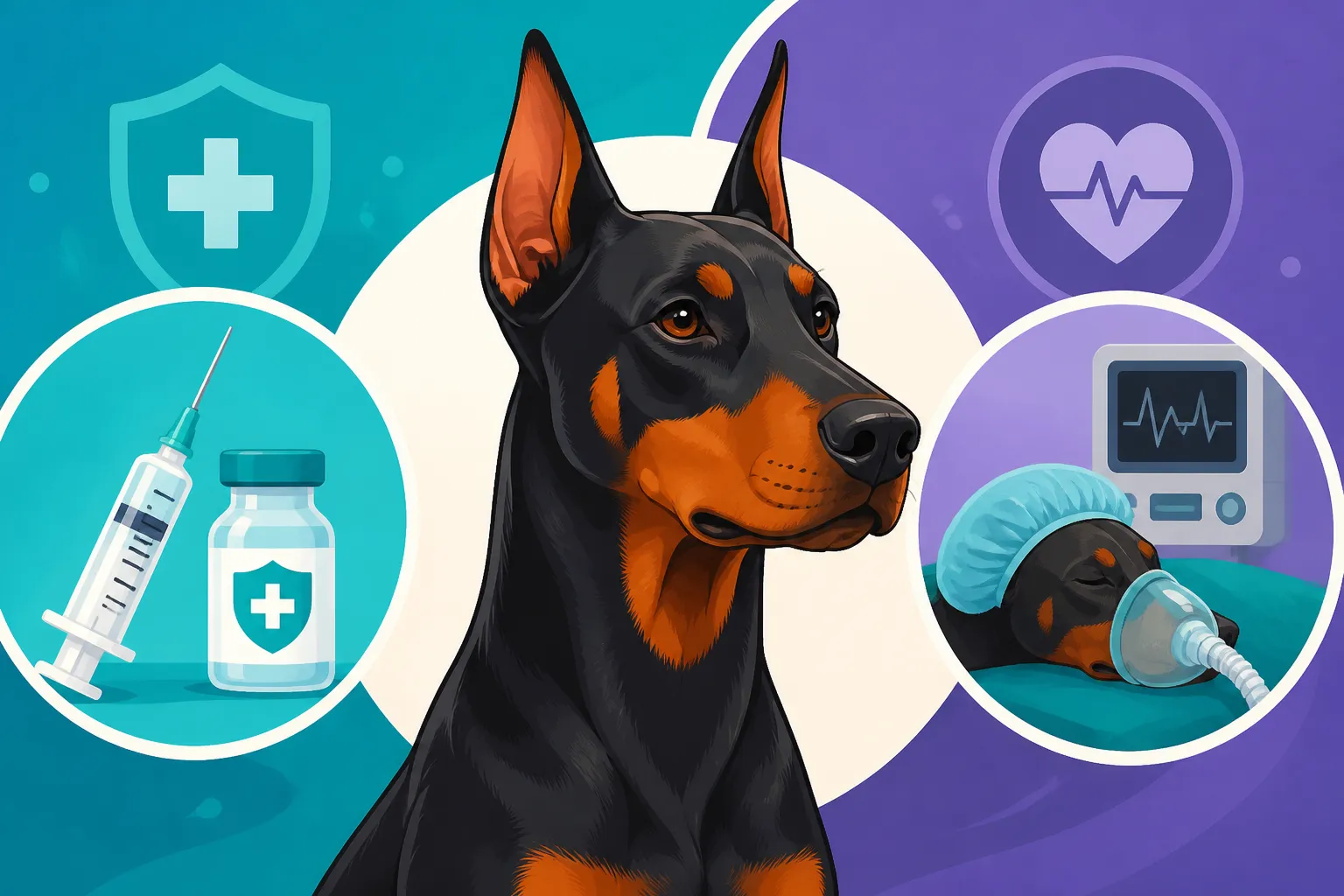
Vaccination and Anesthesia in a Doberman
Bringing a Doberman puppy home, or even managing an adult Doberman's routine care, often brings up a lot of questions and sometimes genuine anxiety about veterinary procedures. Many Doberman owners worry about how their sensitive, genetically predisposed dogs will react to things like vaccinations or, even more so, anesthesia for common surgeries. This guide aims to walk you through everything you need to know to navigate these critical aspects of your Doberman's health with confidence and a clear understanding of the risks and precautions involved.
Understanding Doberman Vaccine Protocols
When it comes to keeping your Doberman healthy, vaccinations are a cornerstone, but it's not a one-size-fits-all situation. Dobermans, like many purebreds, can have sensitivities, and understanding the nuances of their vaccine needs is crucial. You want to provide protection without overburdening their system.
Standard Puppy Vaccination Schedule
The journey of vaccinations typically begins when your Doberman is a puppy. Most reputable breeders will have started the initial series before you even bring your little land shark home, usually around 6-8 weeks of age. This first round typically includes protection against distemper, adenovirus (hepatitis), parvovirus, and parainfluenza, often referred to as the DAPP or DHPP vaccine. These are vital for protecting a developing immune system from highly contagious and often deadly diseases.
Your veterinarian will then advise on a schedule for booster shots, usually every 3-4 weeks until your Doberman puppy is around 16 weeks old. It's a critical window, as maternal antibodies, passed from the mother, can interfere with a puppy's immune response to the vaccine. Waiting too long means potential vulnerability, but vaccinating too early means the shot might not take. This is why a series of vaccinations is so important; it ensures that once maternal antibodies wane, the puppy’s own immune system can build robust protection. You'll also likely introduce the rabies vaccine around 12-16 weeks, which is legally mandated in most areas. It’s always wise to discuss your puppy's specific needs with your vet, especially if you have an active household or your pup will be exposed to many other dogs. For detailed information on reading a Doberman puppy's test certificates, including vaccine records, check out our guide on Reading a Doberman Puppy's Test Certificates.
Core vs. Non-Core Vaccines for Dobermans
Not all vaccines are created equal, and for Dobermans, distinguishing between "core" and "non-core" vaccines is particularly important. Core vaccines are those recommended for all dogs, regardless of lifestyle or geographic location, due to the severe nature and widespread prevalence of the diseases they prevent. For Dobermans, these generally include Canine Distemper, Canine Adenovirus, Canine Parvovirus, and Rabies. These are non-negotiable for keeping your Doberman safe and compliant with local laws.
Non-core vaccines, on the other hand, are recommended based on your Doberman's individual risk factors, such as their lifestyle, environment, and geographical location. Examples include Bordetella (kennel cough), Leptospirosis, and Lyme disease. If your Doberman frequents dog parks, boarding kennels, or training classes, a Bordetella vaccine might be highly recommended. If you live in an area with a high tick population or where wildlife commonly carries leptospirosis, those vaccines become much more pertinent. It's a conversation you need to have with your veterinarian to assess your Doberman's specific exposure risks. Over-vaccinating can potentially contribute to immune system stress, so a tailored approach is always best for your Doberman.
Here's a quick overview of common Doberman vaccinations:
| Vaccine Type | Disease Prevented | Recommendation for Dobermans | Frequency (after initial series) |
|---|---|---|---|
| Core Vaccines | |||
| DHPP (Distemper, | Distemper, Hepatitis, Parvovirus, Parainfluenza | Highly Recommended for ALL Dobermans | Every 1-3 years |
| Adenovirus, Parvo) | |||
| Rabies | Rabies | Legally Required in most areas; Highly Recommended for ALL Dobermans | Every 1-3 years (depends on law) |
| Non-Core Vaccines | |||
| Bordetella | Kennel Cough | Recommended for Dobermans with exposure to other dogs (boarding, parks) | Annually or bi-annually |
| Leptospirosis | Leptospirosis | Recommended for Dobermans with exposure to wildlife, standing water | Annually |
| Lyme Disease | Lyme Disease | Recommended for Dobermans in tick-heavy areas | Annually |
| Canine Influenza | Dog Flu | Recommended for Dobermans with high exposure risk (shows, boarding) | Annually |
Titre Testing as an Alternative to Booster Shots
The idea of titre testing has gained popularity among Doberman owners who are mindful of not over-vaccinating their beloved dogs. Instead of automatically giving booster shots every year or three years, a titre test measures the level of antibodies present in your dog's blood for specific diseases, typically distemper and parvovirus. If the antibody levels are sufficiently high, it indicates that your Doberman still has protective immunity and may not need a booster at that time.
This can be a fantastic option, especially for Dobermans who have previously experienced adverse reactions to vaccines or for owners who simply prefer a more individualized approach to immunity. It’s important to note that rabies titres are generally not accepted as proof of immunity in lieu of actual vaccination for legal purposes in most regions, so that vaccine schedule will likely remain fixed. Discussing titre testing with your vet can help determine if it's a suitable path for your Doberman, providing peace of mind while still ensuring adequate protection. This proactive approach can be part of a broader strategy for managing your Doberman's overall health, similar to how owners plan for a Doberman's whole-life total expenses, ensuring every aspect of their well-being is considered.
Dobermans and Vaccine Reactions
Even with the best intentions and carefully chosen vaccine protocols, Dobermans can, unfortunately, be prone to vaccine reactions. Their sensitive nature means that while most dogs tolerate vaccinations without a hitch, some Dobermans might have a more noticeable response. Knowing what to look for and how to react is key.
Common Mild Reactions to Vaccinations
It's completely normal for your Doberman to experience some mild, transient side effects after vaccination. Think of it like getting your own flu shot; you might feel a little under the weather. These common reactions typically appear within a few hours to a day after the vaccine and usually resolve on their own. You might notice some soreness, swelling, or a small, firm lump at the injection site. Your Doberman might also be a bit lethargic, have a slight fever, or show a temporary decrease in appetite.
These are generally signs that their immune system is doing its job and mounting a response to the vaccine. Keeping your Doberman quiet and comfortable, perhaps with a soft bed and plenty of fresh water, is often all that's needed. However, if these mild symptoms persist for more than 24-48 hours, worsen, or if you simply feel uneasy, don't hesitate to reach out to your veterinarian. It’s always better to be cautious, especially with a breed that can sometimes surprise you with unexpected sensitivities. For more on what to watch for in young dogs, our article on Vaccine Reactions in a Doberman Puppy offers more context.
Recognizing Severe or Anaphylactic Reactions
While rare, severe or anaphylactic reactions to vaccines can occur and require immediate veterinary attention. This is where vigilance truly comes into play for Doberman owners. These serious reactions typically manifest rapidly, often within minutes to a few hours of vaccination. Signs can include facial swelling (especially around the muzzle and eyes), hives or itchy skin all over the body, vomiting, diarrhea, difficulty breathing (wheezing, labored breaths), weakness, disorientation, or even collapse.
Anaphylaxis is a life-threatening emergency, and if you observe any of these symptoms, you need to get your Doberman to an emergency vet immediately. Do not wait to see if it improves. These reactions are caused by an overactive immune response and can progress very quickly. Being prepared, knowing the closest emergency clinic, and having their number on hand is crucial. Pet insurance providers like Healthy Paws can be a lifesaver in these unexpected, urgent situations, helping to cover the often significant costs of emergency care.
Mitigating Risks and Pre-Treatment Options
For Dobermans with a history of vaccine reactions, or those owners who are naturally concerned, there are steps you can take to mitigate the risks. First and foremost, a detailed discussion with your vet about your Doberman's medical history is paramount. If your Doberman has had a reaction before, be sure to clearly communicate the specifics to your vet. They may recommend administering vaccinations separately, rather than in combination, allowing you to identify which component might be causing the issue.
Another strategy is to pre-treat your Doberman with an antihistamine, such as diphenhydramine (Benadryl), approximately 30 minutes before the vaccination. This can sometimes lessen the severity of a reaction, especially if it's primarily allergic in nature like hives or facial swelling. However, always consult your vet for the correct dosage and to confirm if this approach is appropriate for your specific Doberman. They might also suggest staying at the clinic for 30 minutes post-vaccination so staff can monitor for immediate adverse reactions, allowing for rapid intervention if needed.
Dobermans and Anesthesia: Specific Considerations
Anesthesia is a necessary part of many veterinary procedures, from routine dental cleanings to emergency surgeries. However, Doberman owners often share a common apprehension when their beloved dog needs to go "under." It's not an unfounded concern, as Dobermans do have certain physiological traits that warrant extra caution and careful planning when anesthesia is involved.
The Unique Physiological Traits of Dobermans
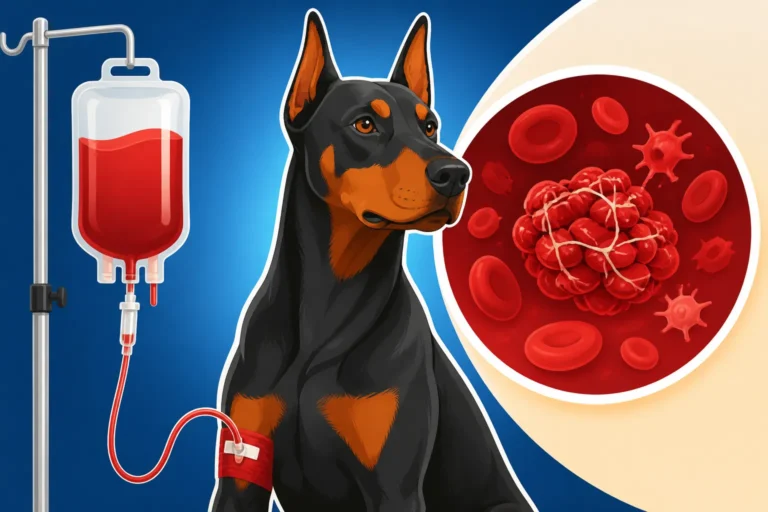
Dobermans are a breed known for their athleticism, intelligence, and also, unfortunately, a predisposition to certain health conditions that can complicate anesthesia. One of the most significant concerns for Doberman owners is Dilated Cardiomyopathy (DCM), a heart condition prevalent in the breed. Anesthesia places stress on the cardiovascular system, and an undiagnosed or unmanaged heart condition can significantly increase anesthetic risk. This is why a thorough cardiac workup, including an echocardiogram and possibly a Holter monitor, is often recommended before any elective surgery, especially as Dobermans reach the age where these issues typically begin to manifest, around the Doberman Years When Everything Shows Up.
Beyond the heart, Dobermans can also be more prone to conditions like Von Willebrand's Disease (vWD), a common genetic bleeding disorder. If your Doberman has vWD, even minor surgical procedures under anesthesia could lead to excessive bleeding, posing a serious threat. It's crucial for your vet to be aware of this possibility and to test for it if your Doberman's status is unknown. Other less common but still relevant considerations include their leaner body mass, which can affect how they metabolize anesthetic drugs, and their deep-chested conformation, which increases the risk of bloat (gastric dilatation-volvulus) post-surgery. These specific traits mean that a cookie-cutter approach to anesthesia is rarely appropriate for a Doberman.
Pre-Anesthetic Screening and Risk Assessment
Given these unique Doberman predispositions, comprehensive pre-anesthetic screening isn't just a good idea; it's absolutely essential. Before any procedure requiring sedation or general anesthesia, your veterinarian should perform a thorough physical examination and recommend a battery of tests to assess your Doberman's overall health and identify any potential risks. This typically includes blood work (complete blood count and chemistry panel) to check organ function, blood clotting times, and rule out any hidden infections or metabolic abnormalities.
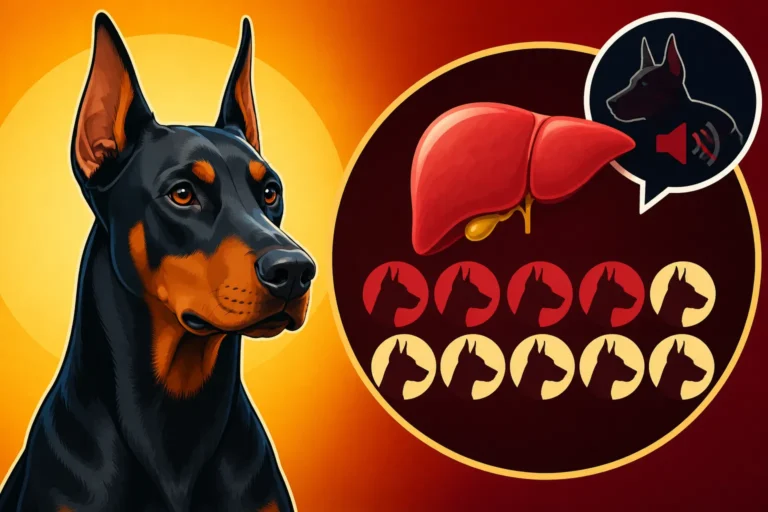
For Dobermans, specifically, a pre-anesthetic workup should almost always include a coagulation panel, especially a Von Willebrand DNA test for Dobermans, if their status isn't known. This helps detect any underlying bleeding disorders that could become life-threatening during or after surgery. Additionally, due to the high incidence of DCM, a cardiac workup, including an ECG and possibly an echocardiogram, is strongly advised, especially for Dobermans over the age of two or three. Even if your Doberman shows no outward signs, a significant number of Dobermans can have subclinical heart disease. The costs of these screenings are an important part of responsible Doberman ownership, and while pet insurance from providers like Healthy Paws can help manage expenses, prioritizing these tests is vital for your dog's safety.
Anesthetic Protocols and Monitoring for Dobermans
When your Doberman goes under anesthesia, the protocol chosen by your veterinary team is paramount. A good veterinary practice will tailor the anesthetic plan to your Doberman's individual health profile, taking into account their age, any pre-existing conditions (like DCM or vWD), and the specific procedure being performed. They will typically use a combination of pre-medication (to reduce anxiety and the amount of anesthetic needed), induction agents, and inhalant anesthesia to maintain unconsciousness.
Throughout the entire anesthetic period, rigorous monitoring is non-negotiable for Dobermans. This includes continuous measurement of vital signs such as heart rate, respiratory rate, blood pressure, oxygen saturation, and body temperature. Anesthesia monitoring equipment may also include an ECG to track heart rhythm, which is especially important for Dobermans given their cardiac predispositions. Intravenous fluids are usually administered to maintain blood pressure and hydration. The presence of a dedicated veterinary technician whose sole job is to monitor your Doberman during the procedure provides an extra layer of safety and allows for immediate adjustments to anesthetic depth or intervention if any complications arise. Understanding whether Dobermans react badly to sedation is critical, and a good vet team will be ready for any eventuality.
Post-Anesthetic Care and Potential Complications
The moments immediately following anesthesia and the subsequent recovery period at home are just as crucial as the procedure itself, especially for a Doberman. Careful management during this time can significantly impact their healing and comfort.
Essential Recovery Care at the Veterinary Clinic
Once your Doberman’s procedure is complete and the anesthetic gases are turned off, the veterinary team’s focus shifts to a safe and smooth recovery. In the immediate post-operative period, your Doberman will be closely monitored as they wake up from anesthesia. This involves keeping them warm, as body temperature can drop significantly during anesthesia, and continuing to monitor their vital signs like heart rate, breathing, and pain levels. Pain management is often started even before they fully wake to ensure comfort as they recover.
For Dobermans, who can be prone to conditions like bloat, the recovery position might be carefully managed. They will likely be kept in a quiet, warm area where staff can observe them continuously for any lingering effects of the anesthesia, such as excessive grogginess, nausea, or disorientation. They may still have an IV catheter in place for continued fluid administration or to administer additional pain medication. It's not uncommon for Dobermans to shiver as they wake up; this is often a normal physiological response to regaining body temperature and the effects of the anesthetic wearing off. The veterinary staff will ensure your Doberman is fully awake, stable, and comfortable before discussing discharge.
Managing Your Doberman's Recovery at Home
Bringing your Doberman home after anesthesia requires careful attention on your part. Your vet will provide detailed discharge instructions, and it’s vital to follow them to the letter. These instructions will typically cover medication schedules (for pain relief or antibiotics), dietary recommendations (often small, bland meals initially), activity restrictions, and wound care if applicable. Your Doberman might still be a little groggy or disoriented for the first 12-24 hours. Provide a quiet, comfortable, and safe space away from stairs, other pets, or boisterous children.
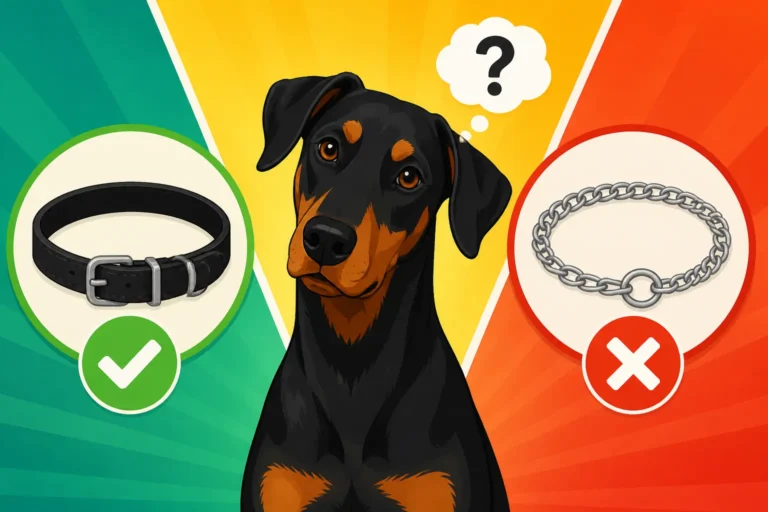
Limit outdoor activity to short, supervised leash walks for potty breaks. Prevent jumping, running, or excessive movement that could disrupt stitches or impede healing. Monitor the surgical site daily for any signs of redness, swelling, discharge, or if your Doberman is excessively licking it. An Elizabethan collar (cone) might be necessary to prevent self-trauma to the incision. Offering fresh water consistently is important, and gradually reintroduce their regular food as directed. Remember that a procedure like Sedating a Doberman for a Dental and What It Costs will come with specific aftercare instructions, just like a more invasive surgery. Always have your vet's number handy for any questions or concerns that arise during the home recovery period.
Recognizing and Responding to Anesthetic Complications
While complications from anesthesia are rare, it's important to be aware of what to look for and how to respond. At home, keep a close eye on your Doberman for any signs that something isn't quite right. Persistent vomiting or diarrhea, severe lethargy, lack of appetite or refusal to drink water for more than 24 hours, pale gums, difficulty breathing, or severe pain despite medication are all red flags. If your Doberman has undergone a procedure, also watch for excessive bleeding from the incision site, or if the incision opens up.
In the case of more serious, immediate post-operative emergencies, such as sudden weakness, collapse, or severe breathing distress, you must seek emergency veterinary care without delay. This is where pet insurance, like a policy from Healthy Paws, can provide immense relief, especially when faced with emergency vet fees for a collapsing Doberman. Understanding the potential issues, even if they're unlikely, empowers you to act quickly and potentially save your Doberman’s life. Always trust your gut; if you feel your Doberman isn't recovering as they should, make that call to your vet.
Disclaimer
The information provided in this article is for general informational purposes only and is not a substitute for professional veterinary advice, diagnosis, or treatment. Always seek the advice of your veterinarian or other qualified animal health provider with any questions you may have regarding a medical condition or treatment plan for your Doberman. Never disregard professional veterinary advice or delay in seeking it because of something you have read in this article.