Whether a Wobbler Doberman Should Wear a Collar
The moment you notice your beautiful Doberman showing signs of instability, perhaps a strange gait or a head held at an unusual angle, your heart sinks. The suspicion of something like Wobbler Syndrome immediately brings a wave of fear and a million questions, one of the most pressing being how something as simple as a collar could impact their fragile neck. This guide is here to walk you through the complexities of neckwear for a Doberman living with Wobbler Syndrome, offering practical advice and peace of mind.
Understanding Wobbler Syndrome and Its Impact on Your Doberman's Neck
Wobbler Syndrome, or cervical vertebral instability, is a neurological condition that disproportionately affects large and giant breeds, with Dobermans being unfortunately high on that list. It’s a truly heartbreaking condition that causes compression of the spinal cord and nerve roots in the neck region, leading to a host of mobility issues. For Doberman owners, recognizing the subtle signs and understanding how best to manage the condition, especially concerning neck pressure, is paramount.
What Exactly is Wobbler Syndrome?
At its core, Wobbler Syndrome involves a malformation or instability of the cervical vertebrae (the bones in the neck) that leads to the spinal cord being squeezed or compressed. Imagine a garden hose with water flowing through it; if you pinch the hose, the water flow is restricted. Similarly, when the spinal cord is compressed, the signals from the brain to the limbs are interrupted, leading to the characteristic "wobbly" gait, weakness, and incoordination. Dobermans typically present with this condition between the ages of 3 and 9 years, though it can appear earlier or later. You might notice your dog dragging their back feet, scuffing their nails, or exhibiting a wide-based stance as they try to compensate for their instability. This isn't just an inconvenience; it's a serious neurological issue that can significantly impact their quality of life. Owners often report seeing their A Doberman That Wobbles on Its Back Legs for the first time, not realizing the gravity of the situation.
The exact mechanisms leading to Wobbler Syndrome in Dobermans can be complex, involving a combination of genetic predisposition and rapid growth. Some Dobermans develop a narrowing of the vertebral canal, while others have malformed vertebrae or disc herniations that push against the spinal cord. It's crucial to get a proper diagnosis, which often involves advanced imaging like an MRI to truly understand What a Doberman MRI Shows for Wobblers. This imaging allows veterinarians to pinpoint the exact location and severity of the compression, guiding treatment decisions and management strategies. The frustration of seeing your once-athletic Doberman struggle with basic movements is immense, and it’s important to know that early understanding and intervention can make a significant difference.
How a Collar Aggravates the Condition
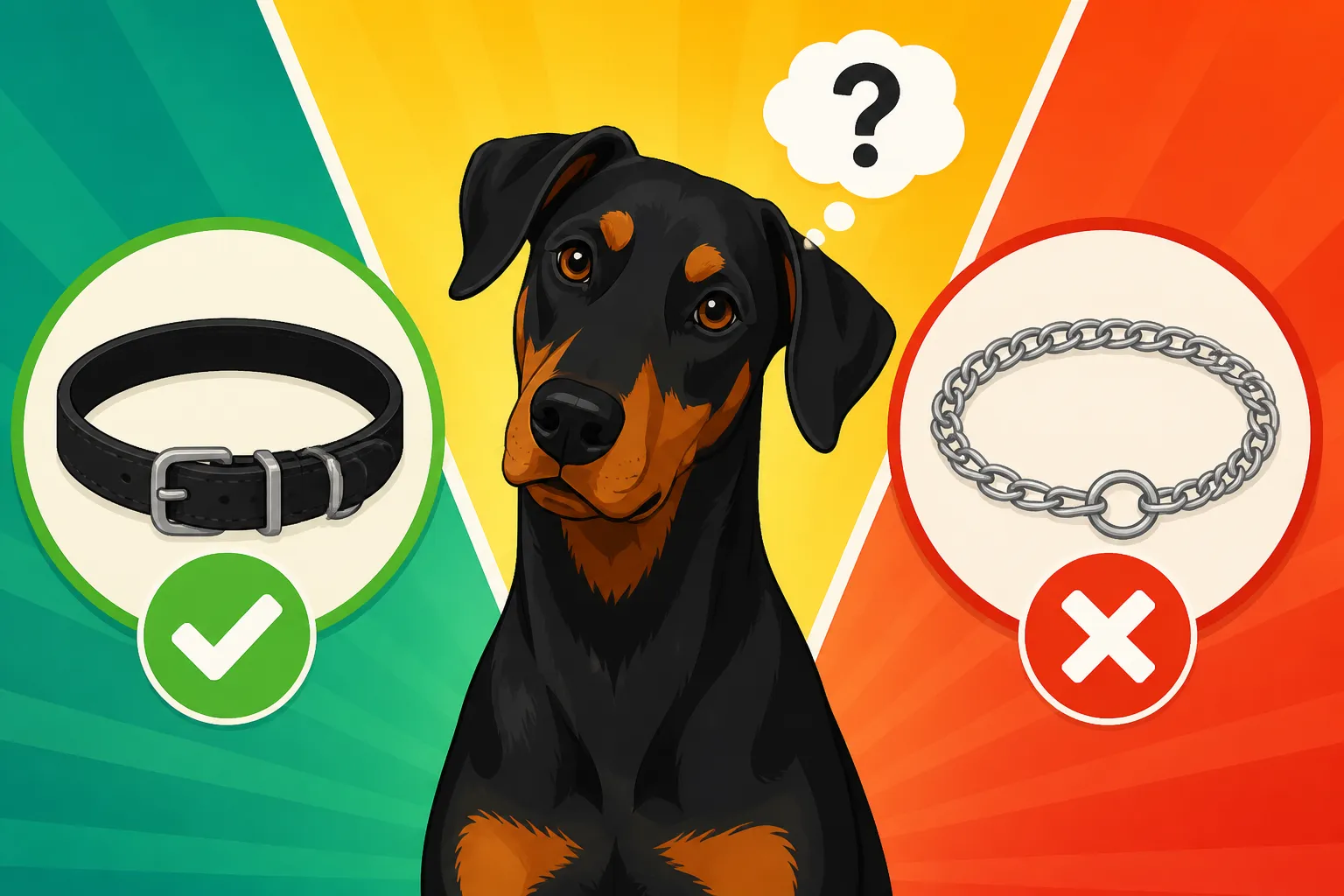
For most dogs, a traditional flat collar is perfectly fine for walks and identification. However, for a Doberman grappling with Wobbler Syndrome, a collar can go from a benign accessory to a dangerous tool. The pressure exerted by a collar, particularly when a dog pulls on the leash or even just from the weight of ID tags, is concentrated directly on the cervical spine. This is precisely the area where your Doberman's spinal cord is already compromised.
Each pull, each sudden stop, each moment of tension on the leash can cause the collar to constrict around the neck, further exacerbating the spinal cord compression. Think about how a sudden jolt to your own neck feels; now imagine that happening repeatedly to an already sensitive and compromised area. This constant or intermittent pressure can worsen existing inflammation, increase pain, and potentially accelerate the neurological damage. It’s a vicious cycle where a seemingly harmless item actively contributes to the progression of their condition. Many owners simply don't realize the potential harm until a vet explains the mechanics, leading to a lot of "if only I had known" moments.
The Risks of Continued Collar Use
Continuing to use a traditional collar on a Doberman diagnosed with Wobbler Syndrome carries significant risks that every owner should be aware of. The primary concern is the potential for increased neurological deficits. Enhanced compression can lead to more pronounced weakness, greater incoordination, and even a loss of bladder or bowel control in severe cases. It's not just about comfort; it's about preserving neurological function.
Beyond the neurological aspects, there's the immediate risk of heightened pain. Dobermans are stoic animals, often hiding their discomfort until it becomes unbearable. The pressure from a collar can cause chronic pain, leading to behavioral changes such as irritability, reluctance to move, or even aggression if they associate neck handling with pain. Moreover, there's a danger of sudden injury. A strong pull or an unexpected movement while wearing a collar could potentially cause a more severe spinal cord injury, leading to a sudden worsening of symptoms or even paralysis. This is a terrifying prospect for any owner, and it's a risk that is largely preventable by switching to an appropriate harness. When you're managing a condition like Wobbler Syndrome in the Doberman, every preventative measure counts.
The Case for Harnesses: A Safer Alternative for Neck Health
Given the significant risks associated with traditional collars for Dobermans with Wobbler Syndrome, veterinarians almost universally recommend switching to a body harness. This isn't just a suggestion; it's a critical part of managing their condition and ensuring their comfort and safety. The difference a well-fitted harness can make is profound, both for the dog and for the owner's peace of mind.
Why Harnesses are Superior for Wobbler Dobermans
The fundamental advantage of a harness over a collar for a Doberman with Wobbler Syndrome lies in its design and how it distributes pressure. Instead of concentrating all the force on the delicate neck and cervical spine, a harness disperses pressure across the chest, shoulders, and back. This means that when your Doberman pulls on the leash, or if you need to guide them, the strain is absorbed by the strongest parts of their body, leaving the vulnerable neck completely free from direct pressure.
This shift in pressure distribution significantly reduces the risk of exacerbating spinal cord compression, minimizing pain, and preventing further neurological damage. For a Doberman already struggling with coordination and balance, removing any source of neck discomfort can dramatically improve their willingness to walk and engage in gentle exercise. It's about creating an environment where their compromised spine is protected, allowing them to move as comfortably and safely as possible. Investing in the right gear is an investment in your Doberman's comfort and longevity, and it's certainly a more humane approach when dealing with a condition that already causes so much distress. This is a small but mighty step in improving their overall well-being.
Choosing the Right Harness for Your Wobbler Doberman
Not all harnesses are created equal, especially when you're dealing with a specific medical condition like Wobbler Syndrome. The key is to select a harness that fits properly and avoids placing any pressure on the neck or trachea. Look for harnesses that have a Y-front design, where the straps go around the chest and behind the front legs, leaving the throat clear. Avoid harnesses that have a strap that crosses horizontally over the chest, as these can still put undue pressure on the shoulder joints and restrict natural movement, which is already a challenge for a Wobbler dog.
Back-clip harnesses are often preferred because the leash attachment point is on the dog's back, further reducing any forward pressure on the neck. Some Doberman owners also find success with front-clip harnesses for dogs that pull significantly, as these can gently redirect the dog's forward momentum without jerking the neck. However, ensure the front clip doesn't ride up and press against the throat. Brands that offer ergonomic designs and a wide range of sizes are your best bet. Always prioritize comfort and function over aesthetics. Remember, a Doberman is a powerful breed, even with mobility issues, so the harness needs to be robust enough to handle their strength while being gentle on their body. Thinking ahead about these kinds of specialized needs, and how you might budget for them, is where a comprehensive pet insurance plan like one from Healthy Paws can really be a lifesaver, helping cover the cost of appropriate equipment if it's vet-recommended.
Proper Fit and Usage for Maximum Safety
Even the best harness won't be effective or comfortable if it doesn't fit correctly. A properly fitted harness should be snug enough to prevent your Doberman from backing out of it, but loose enough to allow two fingers to comfortably slide under all straps. Crucially, the chest strap should sit well behind their front legs to avoid chafing in the armpit area, and the neck opening should not constrict their throat or obstruct their trachea. The Y-front design ensures the pressure from the leash is distributed over the chest bone (sternum) and not across the sensitive neck or windpipe.
When using the harness, always attach the leash to the designated clip, typically on the back for maximum neck protection. Avoid using retractable leashes, as these can lead to sudden jerks and uncontrolled pulling, which is detrimental for a Doberman with Wobbler Syndrome. A fixed-length leash, held firmly but gently, allows for better control and prevents sudden strains on your dog's delicate neck. Regular checks of the harness for wear and tear are also important to ensure continued safety. It’s a bit of a learning curve for both you and your Doberman, but the investment in proper fit and consistent usage will pay dividends in their comfort and health. It’s an essential piece of the puzzle when you're trying to figure out How to Manage a Doberman That Cannot Walk Straight.
Here’s a quick comparison of collars and harnesses for Dobermans with Wobbler Syndrome:
| Feature | Traditional Collar | Harness (Y-Front, Back-Clip Recommended) |
|---|---|---|
| Pressure Point | Concentrated on cervical spine, throat | Distributed across chest, shoulders, back |
| Risk of Injury | High risk of exacerbating spinal cord compression, pain | Significantly reduced risk of neck injury |
| Comfort | Can cause discomfort, pain, and restrict movement | Generally more comfortable, allows natural movement |
| Control | Can be harder to control large breeds without pulling | Offers better control without neck strain |
| Neurological Impact | Potential to worsen neurological symptoms | Protects vulnerable neck, preserves neurological function |
| Recommended for Wobblers | No | Yes |
Daily Life with a Wobbler Doberman: Beyond the Collar
Living with a Doberman affected by Wobbler Syndrome is a journey that extends far beyond choosing the right neckwear. It requires a holistic approach to their daily care, focusing on minimizing strain, optimizing their environment, and providing consistent veterinary support. It's a commitment, but one that ensures your loyal companion can live their best possible life.
Managing Walks and Exercise
Walks remain an essential part of your Doberman's routine, but they need to be managed with extra care. The goal is gentle, controlled exercise, not strenuous activity or sudden movements. Avoid crowded areas where your Doberman might be startled or jostled, leading to quick, jarring reactions. Instead, opt for quiet, even surfaces for walks. Keep walks shorter and more frequent if needed, rather than one long, exhausting excursion. The focus should be on maintaining muscle tone and mental stimulation without putting undue stress on their neck and spine.
Leash handling is critical. Always use a harness and maintain a loose leash, allowing your Doberman to explore without feeling tugged or pulled. Sudden changes in direction or abrupt stops should be avoided. Consider using a longer leash to give them more freedom of movement without tension. If you're walking on uneven terrain, be extra vigilant, as a misstep could cause a painful twist or fall. It's a delicate balance, but one that becomes second nature with practice. Remember, activities that involve jumping, rough play, or quick turns are typically off-limits as they can easily cause further injury. This consideration extends to any activities that put strain on their long frame, which is also important when considering things like Doberman Hip Dysplasia.
Home Environment Adjustments
Making adjustments to your home environment can significantly improve your Wobbler Doberman's quality of life and reduce the risk of accidents. One of the most common recommendations is to invest in elevated food and water bowls. This simple change allows your Doberman to eat and drink without lowering their head excessively, which can strain an already compromised neck. Look for bowls that are at a comfortable height where they can simply lean forward rather than bend their neck downwards.
Another crucial adjustment is addressing slippery surfaces. Hardwood floors or tiled areas can be treacherous for a dog with an unstable gait. Lay down rugs, runners, or non-slip mats in high-traffic areas to provide better traction. Ramps can also be invaluable for helping your Doberman access furniture, beds, or vehicles, eliminating the need for jumping, which is a major no-no. Consider a supportive orthopedic bed to cushion their joints and spine, ensuring they get restful sleep. Even simple things like keeping pathways clear of clutter can prevent tripping hazards. These thoughtful modifications not only enhance their physical comfort but also reduce your daily worry about their safety. This often means carefully thinking through Living With a Doberman That Cannot Walk Straight.
The Role of Veterinary Care and Insurance
Consistent and proactive veterinary care is the cornerstone of managing Wobbler Syndrome in your Doberman. Regular check-ups with your primary veterinarian are essential, and often, collaboration with a board-certified veterinary neurologist is highly beneficial. These specialists have the expertise and equipment to provide the most accurate diagnosis and advanced treatment options, which might include medications to reduce inflammation and pain, or even surgical interventions in some cases. It's a relief to have an expert guide you through potential options like Steroids and Rest for a Doberman Wobbler.
Managing Wobbler Syndrome can be expensive, involving diagnostic imaging, medications, specialist consultations, and potentially physical therapy or surgery. This is where pet insurance becomes an invaluable tool. A good policy, like those offered by Healthy Paws, can significantly alleviate the financial burden, allowing you to focus on getting your Doberman the best possible care without constant stress over bills. It's wise to enroll your Doberman in pet insurance early, ideally before any signs of illness appear, to ensure coverage for chronic conditions. Knowing you have the financial backing to pursue advanced treatments and ongoing management can make all the difference in providing your Doberman with a comfortable and fulfilling life, especially as you look ahead to The Doberman Years When Everything Shows Up.
Disclaimer
This article is for general informational purposes only and does not constitute professional advice. Laws, prices and regulations vary by location and change over time. Consult a qualified professional for guidance on your specific situation.