Reading a Doberman Puppy’s Test Certificates
Bringing home a Doberman puppy is such an exciting time, filled with dreams of adventures and loyalty. But let’s be honest, it can also be incredibly overwhelming, especially when you’re handed a stack of paperwork that looks more like medical charts than puppy adoption records. You want to make sure you're getting a healthy pup from a responsible breeder, but how do you even begin to understand what all those acronyms and numbers on those health certificates actually mean? This guide is here to cut through the confusion and help you confidently read and interpret your Doberman puppy's test certificates, ensuring you're fully informed about your new family member's health foundations.
The Initial Wave of Paperwork and Why It Matters
When you’re first introduced to your Doberman puppy, amidst all the wagging tails and adorable nips, you’ll likely receive a packet of documents. These aren't just bureaucratic formalities; they are vital insights into your puppy's genetic heritage and initial well-being. Think of them as the foundational chapters of your Doberman’s health story. Understanding these papers is paramount, not just for peace of mind, but for making informed decisions about your dog's future care.
Understanding the Breeder's Responsibility
A truly reputable Doberman breeder will be transparent and proactive about sharing health information. They understand that their responsibility extends far beyond simply producing puppies; it includes ensuring those puppies have the best possible start, both genetically and environmentally. This means diligently health testing their breeding stock for common Doberman ailments and openly presenting those results to prospective buyers. If a breeder is hesitant, vague, or downright unwilling to show you comprehensive health certificates, that should immediately raise a red flag. It’s not about finding a perfect dog – no animal is without risk – but about finding a breeder who minimizes those risks through careful planning and honest disclosure.
Your role, as a prospective owner, is to perform your "due diligence." This isn't just a fancy phrase; it's about being an educated consumer and advocate for your future pet. Ask questions, scrutinize documents, and don't be afraid to seek clarification. A good breeder will welcome your questions, knowing that an informed owner is a responsible owner. These certificates provide a critical window into the genetic health of the lineage, giving you valuable clues about what to expect and how to prepare for your Doberman's journey through life.
Common Certificates You'll Encounter
The stack of papers you receive might seem daunting, but they generally fall into a few key categories. First, and arguably most important, are the parental health certificates. These document the health screenings of the sire (father) and dam (mother) of your puppy, covering genetic predispositions to diseases common in Dobermans. These are critical because they speak volumes about the genetic blueprint your puppy inherits.
Next, you'll see certificates related to the puppy's initial veterinary care. This includes records of their first vet check-up, vaccination history, and deworming schedule. These papers confirm that your puppy has received appropriate basic medical care before coming home with you, setting the stage for their continued health. Finally, you might also receive documentation related to microchipping, which is essential for identification and safety. Each of these categories serves a unique purpose, contributing to a holistic picture of your Doberman puppy's health status and genetic background.
Deciphering Parental Health Certificates
The health of your Doberman puppy is inextricably linked to the health of its parents. Reputable breeders invest heavily in screening their breeding dogs to reduce the likelihood of passing on genetic conditions. These certificates are paramount, and understanding them means you’re truly looking at the genetic foundation of your future companion.
Diving Deep into Cardiac Screening (DCM)
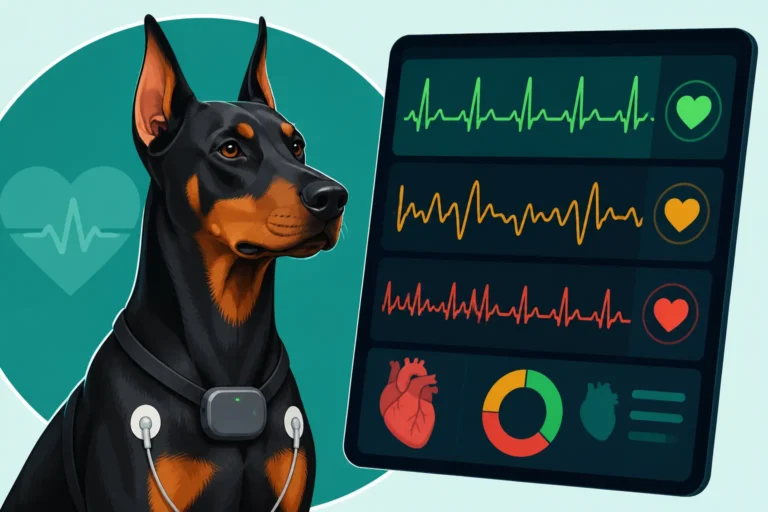
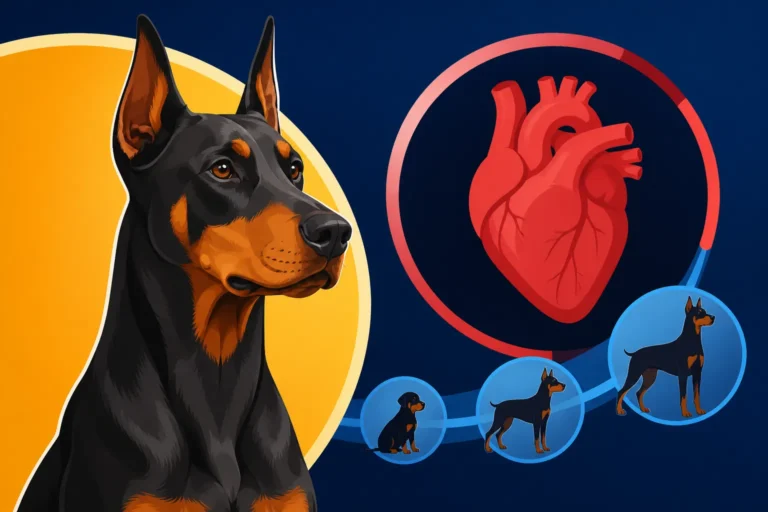
Dobermans are notoriously susceptible to Dilated Cardiomyopathy (DCM), a devastating heart disease. Therefore, cardiac screening certificates for the parents are arguably the most critical documents you will review. You'll typically see results from two main types of tests: Holter monitoring and echocardiograms (echoes).
A Holter monitor is a wearable ECG device that records the dog's heart activity over 24 hours. The certificate will show the number of abnormal heartbeats (Ventricular Premature Contractions or VPCs) detected. A "clear" result generally means a very low number of VPCs, often less than 50 over 24 hours, though veterinary cardiologists might have slightly different thresholds. It’s important to note that a truly clear Holter is fantastic, but these tests need to be done annually because DCM can develop later in life. You should look for multiple years of clear Holter results for both parents, ideally extending well into their middle age, as the disease usually starts becoming detectable around four to six years old. Understanding Reading a Doberman's Holter Result can provide even more detail on what these numbers signify.
Echocardiograms, or "echoes," are ultrasounds of the heart. These tests measure the size and function of the heart's chambers and valves. The certificate will report metrics like Left Ventricular Internal Diameter (LVID) and Fractional Shortening (FS). A healthy heart will have measurements within normal ranges, indicating good pump function and no significant enlargement. Like Holters, echoes should be performed annually on breeding Dobermans. Seeing consistent "clear" or "normal" echo results over several years for both parents is a strong indicator of a responsible breeding program. Keep in mind that Annual Echo and Holter Screening for a Doberman is a critical part of a Doberman's ongoing health management. It's truly heartbreaking how quickly The Age Doberman Heart Disease Usually Starts can sneak up on these dogs, making consistent parental screening vital.
Unpacking Genetic Disease Panels (DNA Tests)
Beyond physical heart screenings, genetic DNA tests offer insights into specific gene mutations that predispose Dobermans to certain conditions. For Dobermans, the most common DNA tests you'll encounter are for Von Willebrand Disease (vWD) Type 1, and the two known genetic markers for DCM: DCM1 and DCM2.
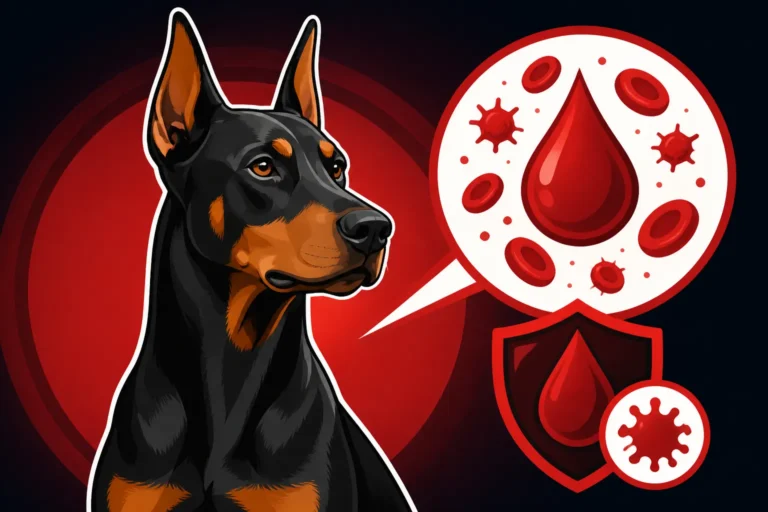
Von Willebrand Disease is a blood clotting disorder that can cause excessive bleeding, particularly during surgery or injury. The vWD DNA test will yield one of three results: "Clear" (N/N), meaning the dog does not carry the gene; "Carrier" (N/vWD), meaning the dog carries one copy of the gene but is usually unaffected; or "Affected" (vWD/vWD), meaning the dog has two copies and is at risk for bleeding. It's crucial for Dobermans to be tested for vWD, especially before any surgical procedure, including ear cropping or spaying/neutering. You’ll want to see at least one parent be "Clear" of vWD to ensure the puppy won't be "Affected." More information can be found in The Von Willebrand DNA Test for Dobermans.
For DCM, there are currently two identified gene mutations: DCM1 (PDK4 deletion) and DCM2 (Titin variant). The results for these will also be "Clear," "Carrier," or "Affected" (sometimes listed as "Homozygous Positive" for two copies of the variant). It's important to understand that these are risk factors, not guarantees. A dog can be a carrier or even affected by these genes and still not develop DCM, or conversely, a dog can test clear for both and still develop DCM from other unknown genetic factors or environmental influences. However, breeding dogs should ideally be clear of at least one of these variants, or carefully bred to clear mates to avoid producing affected puppies. Learning about The DCM1 Gene Test Explained for Doberman Owners and The DCM2 Titin Variant in Dobermans can clarify the nuances of these tests. When considering these potential issues, it’s comforting to know that some pet insurance providers, like Healthy Paws, offer coverage for genetic conditions, which can be a huge relief if unexpected health challenges arise down the line.
You’ll see results from various reputable labs such as Embark, Optimal Selection, or DDC Veterinary. Each provides a comprehensive panel, but the key is to look for the specific disease names and their corresponding results.
Other Important Parental Screenings
While DCM and vWD are often at the forefront, other health screenings are also important for Doberman parents. These less common but still significant issues can impact your puppy’s long-term health.
Wobbler Syndrome, or Cervical Vertebral Instability, is a neurological condition where compression of the spinal cord in the neck causes an unsteady gait. While there isn't a single definitive genetic test for Wobblers, breeders should be tracking the incidence in their lines. Look for any history of Wobbler Syndrome in the pedigree, and ideally, parents should have no clinical signs. In some cases, breeders might screen for vertebral abnormalities via X-rays or even MRI, though this is less common than cardiac screening. Understanding Wobbler Syndrome in the Doberman can shed more light on this complex condition.
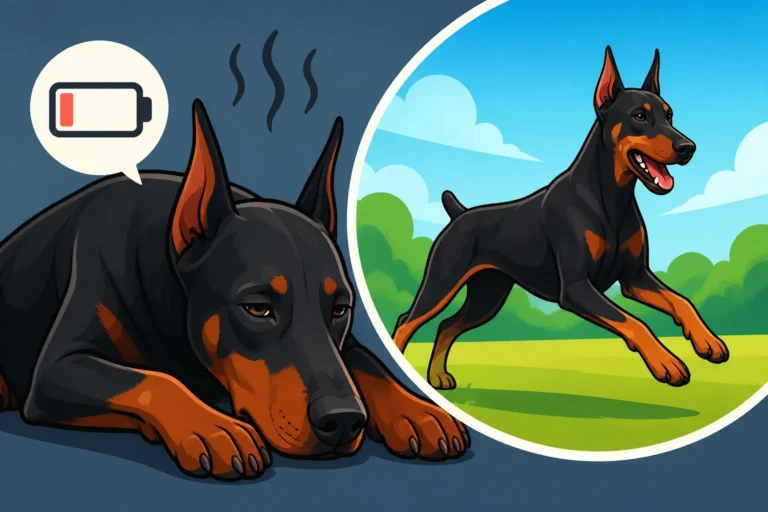
Hypothyroidism, an underactive thyroid, is also prevalent in Dobermans. Responsible breeders will conduct annual thyroid panels on their breeding stock. You'll want to see results showing normal thyroid hormone levels (T3, T4, and TSH). Low thyroid can lead to a host of problems, including lethargy, weight gain, and skin issues. It's a condition that often requires lifelong medication, so knowing the parental history can help you be vigilant. Dive deeper into The Thyroid Numbers That Slow a Doberman Down to understand what these results mean for your Doberman’s energy levels and overall health. Finally, while not as common a concern in Dobermans as in some other large breeds, some breeders may also provide OFA (Orthopedic Foundation for Animals) or PennHIP certifications for hip and elbow dysplasia, indicating good joint health. While Dobermans generally have good hips, it's a testament to thorough screening when these are included.
Understanding Your Puppy's Initial Health Records
Beyond the genetic blueprint from the parents, your Doberman puppy will come with its own set of initial health records. These documents confirm the hands-on care your puppy has received from the breeder and provide a crucial roadmap for their continuing veterinary needs. Don't overlook these; they’re just as important as the parental genetic tests.
The First Vet Check-Up
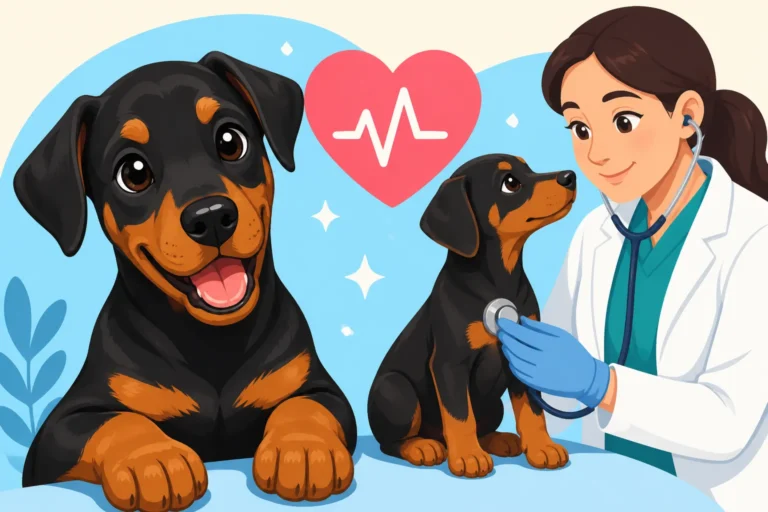
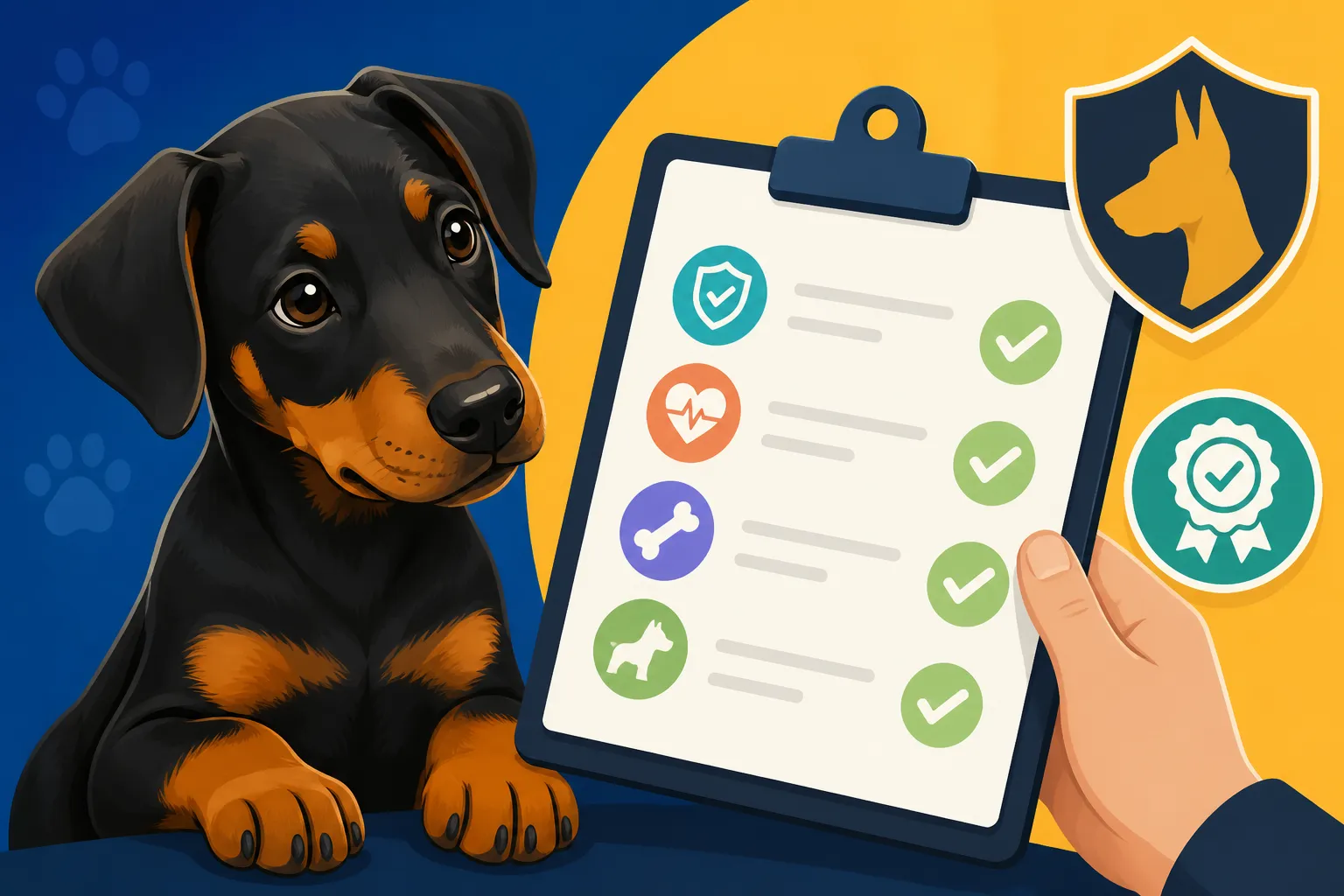
A responsible breeder ensures that every puppy receives a thorough veterinary examination before going to their new home, typically between six and eight weeks of age. The certificate from this visit is incredibly important. It should be signed by a licensed veterinarian and detail the puppy's overall health status. You’ll want to see that the vet checked for:
- General Health: A clean bill of health, including alert behavior, clear eyes, and clean ears.
- Weight and Body Condition: Confirmation that the puppy is a healthy weight for its age and breed.
- Heart Auscultation: The vet should have listened to the puppy's heart for any murmurs, which could indicate congenital heart defects. While DCM often develops later, some congenital issues can be detected early.
- Presence of Parasites: The vet will check for fleas, ticks, and signs of internal parasites.
- Palpation: Checking for issues like umbilical hernias or undescended testicles in male puppies.
This initial vet check-up serves as a baseline and confirms that your puppy is healthy enough to transition to its new environment. It's also an opportunity for the breeder to address any minor concerns found, or to transparently disclose them to you. Knowing the puppy has seen a vet gives you confidence in their immediate well-being.
Vaccination and Deworming Records
Puppies are highly vulnerable to various infectious diseases, making a proper vaccination and deworming schedule critical. Your puppy’s records should clearly list the dates of vaccinations administered and the types of vaccines given. Typically, a Doberman puppy will have received its first set of "distemper combo" shots, which usually cover Distemper, Parvovirus, Adenovirus, and Parainfluenza. Some might also have received their first bordetella (kennel cough) vaccine.
It's vital that you continue this vaccination series with your own veterinarian to ensure your puppy develops full immunity. The records will show when the next boosters are due. Similarly, deworming is essential for puppies, as they are very susceptible to intestinal parasites. The certificates should detail the dates the puppy was dewormed and the specific medications used. Puppies often require multiple rounds of deworming because many medications only kill adult worms, not eggs. You can read more about what to expect with Vaccination and Anesthesia in a Doberman, especially as they get older and require more procedures.
Microchipping Documentation
In today's world, microchipping is a non-negotiable step for pet safety and identification. Your Doberman puppy’s paperwork should include proof of microchipping, usually a sticker with the microchip number and details on how it has been registered. This tiny chip, implanted under the skin, can be scanned by any vet or shelter, linking your lost dog back to you.
Ensure that the microchip is registered in your name as soon as possible after you bring your puppy home. The breeder may have registered it temporarily in their name or provided instructions for you to complete the registration. Don't delay this step; it's your puppy's best chance of being returned if they ever get lost or stolen. Verify that the chip number on the certificate matches the number scanned by your veterinarian at your puppy’s first check-up with you.
The Red Flags and What to Do
Even with the best intentions, navigating the world of Doberman puppy health certificates can be tricky. Knowing what to look for and, more importantly, what signals to heed as warnings can save you significant heartache and expense down the road. It's about being vigilant and understanding when to trust your gut.
Missing or Incomplete Paperwork
This is perhaps the biggest red flag of all. If a breeder cannot, or will not, provide comprehensive health certificates for the parents (including multi-year cardiac screenings and DNA panels) and the puppy’s initial vet records, proceed with extreme caution, or better yet, walk away. A "paperless" puppy might seem cheaper upfront, but it's often a shortcut that hides unknown health risks, which could lead to massive veterinary bills later on. When you don't have clear records, it's impossible to know what genetic predispositions your puppy might have. This also means that if you try to get pet insurance, any health issues that arise could be considered pre-existing conditions by companies like Healthy Paws, and thus, not covered. This can turn a potentially minor health issue into a major financial burden, precisely because the initial documentation was missing.
Sometimes, paperwork might be incomplete rather than entirely absent. Perhaps only one parent's cardiac screening is provided, or a DNA test result is missing for a key disease. In such cases, politely but firmly request the missing documents. A responsible breeder will have them readily available. If they offer excuses or claim it's "not necessary," it's a strong indication they might not be prioritizing the health and longevity of their dogs, or worse, they might be hiding unfavorable results.
Interpreting "Carrier" vs. "Affected" Results
When you look at the genetic DNA panels, you'll frequently see results for "Clear," "Carrier," and "Affected." Understanding the difference is crucial, especially for recessive genetic diseases like Von Willebrand's. A "Clear" dog has two normal copies of the gene. A "Carrier" dog has one normal copy and one mutated copy. They usually don't show symptoms of the disease themselves, but they can pass the mutated gene on to their offspring.
An "Affected" dog has two copies of the mutated gene and is at risk of developing the disease. For some conditions, like vWD, an affected dog will likely experience bleeding issues throughout its life. It's generally acceptable to breed a "Carrier" dog, provided it is only bred to a "Clear" dog. This ensures that no "Affected" puppies are produced. However, if two "Carrier" dogs are bred together, there's a 25% chance of producing "Affected" puppies. You can explore Whether a Carrier Doberman Should Be Bred for more ethical considerations.
If a puppy you're considering is listed as "Affected" by a serious genetic condition (like vWD or a severe form of DCM), you need to fully understand the implications. Does this mean a lifetime of managing a chronic illness? What will be the quality of life for the dog? While Whether an Affected Doberman Lives Normally depends heavily on the specific condition and its severity, it’s a conversation you need to have with the breeder and your own veterinarian. Insurance like Healthy Paws might help manage the costs associated with these conditions, but always verify coverage details.
When to Walk Away or Seek Further Consultation
There are definitely situations where it's wise to walk away from a potential Doberman puppy. If a parent has an active, unmanaged DCM diagnosis, or has died young from sudden cardiac arrest, and the breeder is still using them or their close relatives for breeding without thorough explanation and compensatory measures, this should be a deal-breaker. Similarly, if the genetic tests reveal multiple "Affected" results for serious conditions in the lineage without a clear, responsible breeding strategy to mitigate them, it's time to reconsider.
Beyond outright red flags, there might be situations where you feel uneasy or confused. This is when it's absolutely paramount to seek an independent consultation with your own trusted veterinarian before you finalize the purchase. Bring all the paperwork – parental health certificates, puppy vet records, and any DNA results – to your vet. They can help you interpret the information, assess the risks, and advise you on the long-term health outlook for the puppy based on its lineage. A few hundred dollars spent on a vet consultation beforehand can save you thousands in future medical bills and, more importantly, prevent the heartache of managing a severely ill dog. Remember, you’re not just buying a puppy; you’re investing in a family member's health and future.
Long-Term Implications of Early Health Records
Understanding your Doberman puppy’s test certificates isn't just about the immediate adoption; it’s about setting the stage for their entire life. These early documents can profoundly influence decisions you make years down the line, from breeding choices to everyday health management.
Informed Future Breeding Decisions
If you're considering breeding your Doberman in the future, the parental health certificates are your foundational guide. Knowing the genetic health of your puppy's lineage allows you to make incredibly responsible and informed decisions. For example, if your Doberman comes from a line with a history of DCM1 or DCM2 carriers, even if your dog tests clear, you might still consider breeding it to a mate from an entirely clear lineage to further reduce risk in future generations. This diligence helps to improve the overall health of the Doberman breed.
Conversely, if your Doberman is a carrier for a recessive gene like vWD, you would know definitively that you should only breed them to a mate that is completely clear of that specific gene. This ensures that you never produce an "affected" puppy that would suffer from the condition. Responsible breeders constantly strive to eliminate genetic predispositions, and the information gleaned from your puppy's initial paperwork is a cornerstone of this effort. It's not just about your dog, but about the health of the entire breed. For detailed insights into the ethical considerations, refer to Whether a Doberman Should Be Screened Before Breeding.
Proactive Health Management
The parental health history is a crystal ball into your Doberman's potential health challenges. Knowing that DCM runs in the family means you and your veterinarian can be proactive about cardiac screenings from an early age. Instead of waiting for symptoms, you can start annual Holter and echo screenings as recommended by a cardiologist, often starting around two to three years of age, or even earlier depending on the severity of family history. This early detection can significantly prolong your Doberman's quality of life. For instance, knowing there's a predisposition might encourage you to start Screening an Older Doberman More Often even if they seem completely healthy.
Similarly, if there's a family history of hypothyroidism or Wobbler Syndrome, you'll be more attuned to subtle signs or symptoms that might otherwise be overlooked. This proactive approach allows for early intervention, which is often key to successful management of chronic conditions. Your vet can use this information to create a personalized preventative care plan, including dietary recommendations, specific supplements, or more frequent monitoring for certain markers. This might also inform your pet insurance choices; companies like Healthy Paws can be a valuable partner in managing unexpected health costs, and having clear records from the start helps you select the best plan for your Doberman's unique genetic profile.
Understanding Doberman Health Certificates
| Certificate Type | What It Tests For | What to Look For (Parents) | What to Look For (Puppy) |
|---|---|---|---|
| Holter Monitoring | Heart rhythm (for DCM) | Annual "clear" results (low VPCs), multiple years | N/A (primary screening for parents) |
| Echocardiogram (Echo) | Heart structure and function (for DCM) | Annual "normal" measurements (LVID, FS), multiple years | N/A (primary screening for parents) |
| DNA Panel (vWD) | Von Willebrand Disease (bleeding disorder) | At least one parent "Clear" (N/N) to avoid affected pups | Result (Clear, Carrier, Affected) should be provided |
| DNA Panel (DCM1/DCM2) | Genetic risk factors for Dilated Cardiomyopathy | Strategic breeding to minimize risk (e.g., clear x clear, or clear x carrier) | Result (Clear, Carrier, Affected/Homozygous Positive) should be provided |
| Thyroid Panel | Thyroid function (for hypothyroidism) | Annual "normal" hormone levels | N/A (primary screening for parents) |
| OFA/PennHIP | Hip & Elbow Dysplasia | "Excellent," "Good," or "Fair" scores (less critical for Dobermans but a plus) | N/A (usually for adult dogs) |
| Initial Vet Check | General physical health | N/A | Vet's signature, "healthy" notation, no major concerns |
| Vaccination Records | Immunity against common diseases | N/A | Dates and types of vaccines given, next due dates |
| Deworming Records | Treatment for internal parasites | N/A | Dates and medications used |
| Microchip Document | Identification for return if lost | N/A | Chip number, registration details (ensure transfer to your name) |
Disclaimer
The information provided in this guide is for general informational purposes only and is not a substitute for professional veterinary advice. Always consult with a qualified veterinarian for any health concerns or before making any decisions about your Doberman's care.