Whether Doberman Eyes Need Testing Before Breeding
It can be truly heartbreaking to welcome a new Doberman puppy into your home, only to discover later that they’re suffering from a painful or debilitating eye condition that could have been prevented. For anyone considering breeding Dobermans, or looking to purchase a puppy from a responsible breeder, understanding the vital role of eye testing is absolutely crucial. This guide will walk you through why comprehensive eye examinations are non-negotiable before breeding Dobermans, what conditions are screened for, and how these tests ultimately safeguard the health and future of this magnificent breed.
The Importance of Eye Testing Before Breeding
Bringing Dobermans into the world carries a significant responsibility. Every decision a breeder makes, from selecting breeding pairs to the care provided for puppies, directly impacts the health and well-being of the next generation. Eye testing is a cornerstone of this responsibility, aiming to eliminate or reduce the prevalence of inherited ocular diseases that can cause discomfort, blindness, and immense heartache for owners.
Why Eye Health Matters for Dobermans
Dobermans, like many purebred dogs, are predisposed to certain genetic conditions, and unfortunately, their eyes are not immune. Imagine a vibrant Doberman, full of life and intelligence, slowly losing its sight. It’s a devastating scenario that thoughtful breeders strive to avoid. These conditions aren't always immediately apparent in a young puppy, which makes pre-breeding screening even more critical. Some issues might only manifest in adulthood, after a dog has already been bred, potentially passing on problematic genes to numerous offspring. The goal is to catch these silent carriers or affected individuals before they contribute to the genetic pool, ensuring that puppies have the best possible chance at a long, healthy life with clear vision.
Beyond the ethical considerations, eye health directly impacts a Doberman's quality of life. A dog with compromised vision may struggle with navigation, play, and even basic daily activities. It can affect their confidence, lead to accidents, and require ongoing, often expensive, veterinary care. This is where The Health Testing a Doberman Breeder Must Show really comes into play, demonstrating a commitment to the breed's future. For new owners, this translates to peace of mind, knowing their companion comes from a lineage where health was prioritized.
Preventing Inherited Eye Conditions
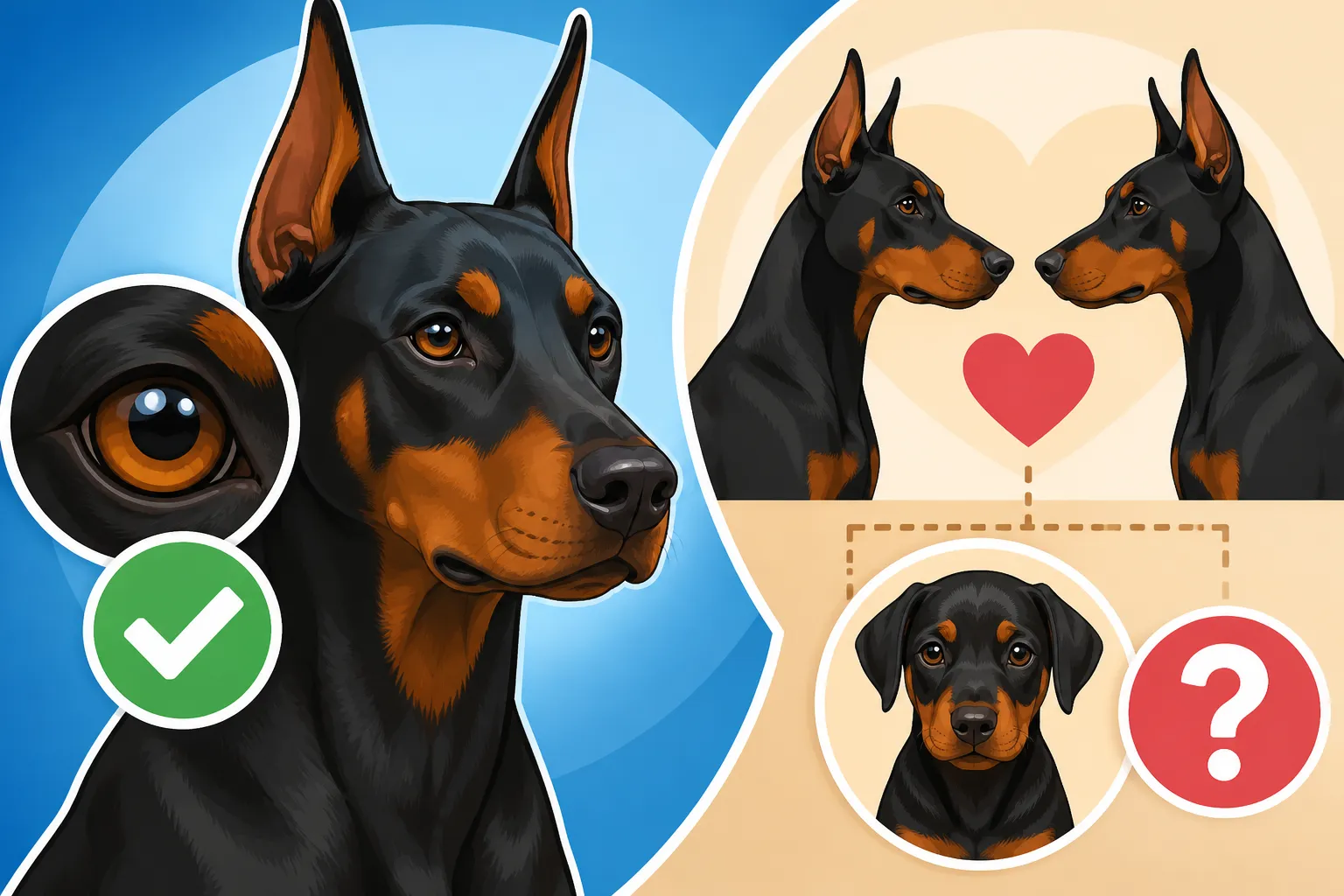
The primary reason for pre-breeding eye testing is to prevent the transmission of inherited eye conditions. Many ocular diseases have a genetic component, meaning they are passed down from parent to offspring. By carefully screening prospective breeding dogs, breeders can identify individuals that carry or are affected by these conditions. This allows them to make informed decisions about breeding pairs, ideally removing affected dogs from breeding programs and carefully considering carriers.
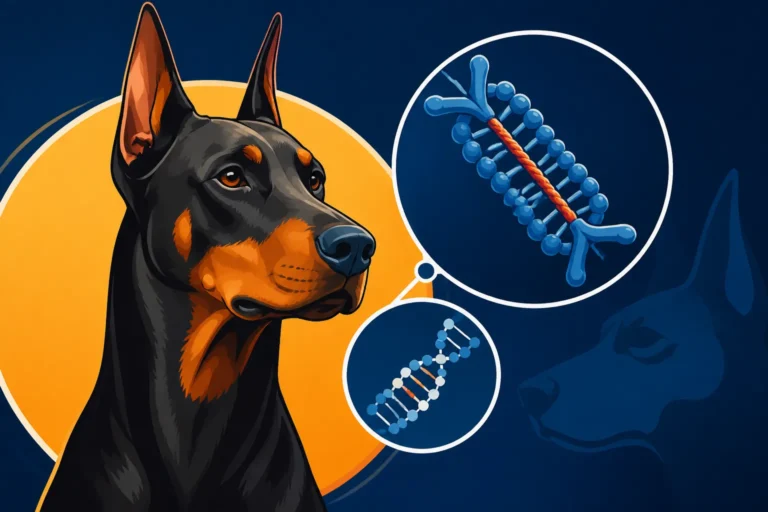
Think of it as building a strong foundation for the breed. Each generation that is thoroughly health-tested helps to reduce the incidence of these diseases over time. This proactive approach is far more effective than waiting for problems to appear and then reacting to them. For instance, if a specific genetic mutation is known to cause a particular eye disease, testing for that gene can prevent the pairing of two carriers, which would have a 25% chance of producing affected puppies. While no test can guarantee 100% freedom from all potential issues, a robust eye screening program significantly mitigates the risk and upholds the integrity of the Doberman breed.
Common Eye Conditions in Dobermans That Require Screening
Dobermans are susceptible to a range of ocular conditions. Responsible breeding programs focus on screening for the most prevalent and impactful ones to protect future generations. These aren't just minor irritations; they can be serious conditions affecting a dog's vision and overall welfare.
Progressive Retinal Atrophy PRA
Progressive Retinal Atrophy, often simply called PRA, is perhaps one of the most concerning inherited eye diseases in Dobermans and many other breeds. It's a group of degenerative diseases that affect the photoreceptor cells in the retina (the light-sensing tissue at the back of the eye). Essentially, these cells, which are responsible for detecting light and sending signals to the brain, slowly begin to deteriorate.
Initially, dogs with PRA might experience night blindness, struggling to see in dim light. Over time, their daytime vision also deteriorates, leading eventually to complete blindness. The progression varies depending on the specific type of PRA and the individual dog, but it is always irreversible. There is currently no cure for PRA, making prevention through genetic testing and careful breeding paramount. Fortunately, for some forms of PRA found in Dobermans, like those identified in some European lines, genetic tests are available. These tests can identify if a dog is clear, a carrier, or affected, allowing breeders to make smart mating choices. This is where a comprehensive understanding of Doberman Eye Testing and PRA becomes incredibly important for any prospective breeder or owner.
Persistent Pupillary Membranes PPM
Persistent Pupillary Membranes, or PPM, are remnants of a fetal structure in the eye that normally regresses shortly after birth. In some Dobermans, these strands of tissue persist. They can stretch across the pupil, attach to the iris (the colored part of the eye), the lens, or the cornea (the clear outer layer).
The severity of PPM can vary widely. In mild cases, the membranes are thin and don't interfere with vision, often requiring no treatment. However, in more severe cases, the strands can be thick, obstruct vision, or even cause cataracts, corneal opacities, or other secondary problems. While many mild cases may not impact a dog's life significantly, severe cases can lead to visual impairment. A board-certified veterinary ophthalmologist can diagnose PPM during a routine eye exam. The decision to breed a Doberman with PPM depends on the severity and location of the membranes, as well as the breeder's commitment to reducing the prevalence of all inherited conditions.
Cataracts and Other Ocular Issues
Beyond PRA and PPM, Dobermans can be prone to other eye conditions, some of which may have a hereditary component. Cataracts are an opacification or clouding of the eye's lens. While many cataracts are age-related, developing in older dogs, some can be hereditary, appearing in younger Dobermans. Hereditary cataracts are a concern for breeders because they can lead to significant vision loss.
Other conditions that might be identified during a thorough eye exam include:
- Entropion/Ectropion: These are conditions where the eyelids roll inward (entropion) or outward (ectropion). Entropion is particularly problematic as the inward-rolling lid causes eyelashes to rub against the cornea, leading to irritation, pain, ulcers, and potentially permanent damage. Both conditions can be hereditary and may require surgical correction.
- Distichiasis/Ectopic Cilia: These involve abnormally growing eyelashes that can rub against the eye, causing irritation and discomfort. While often treatable, they can be hereditary.
- Glaucoma: This serious condition involves increased pressure within the eye, leading to pain and potential blindness. While often acquired, some forms can have a genetic predisposition in certain breeds.
Responsible breeders understand that a Doberman that looks perfectly fine on the outside can still carry genes for these issues. This is why a thorough examination by an expert is so vital, helping to identify issues before Why a Doberman Can Look Fine and Be Ill becomes a reality for a new owner.
The Eye Examination Process for Breeding Dobermans
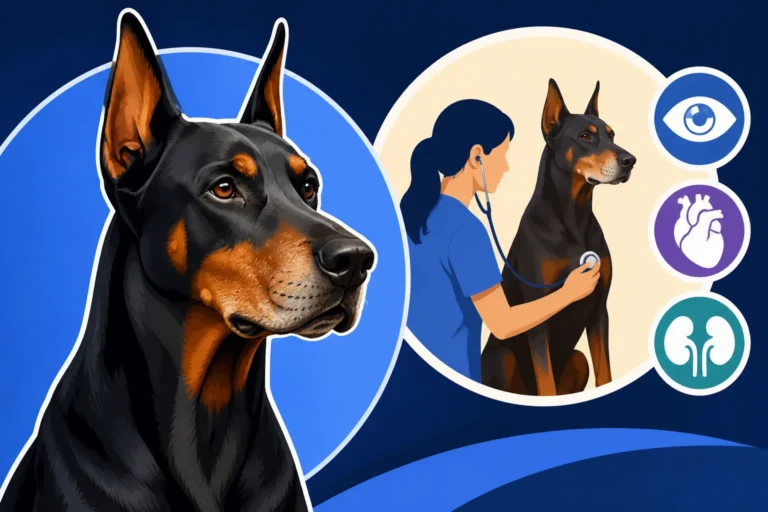
When we talk about "eye testing" for breeding Dobermans, we're not just referring to a quick peek by your regular vet. This is a specialized, comprehensive examination performed by a board-certified veterinary ophthalmologist. This expert knowledge is crucial for accurate diagnosis and for making informed breeding decisions.
What a Board-Certified Veterinary Ophthalmologist Does
The process begins with a detailed history of the dog, including any prior eye issues or concerns. Then, the ophthalmologist will conduct a series of specialized tests:
- Slit-Lamp Biomicroscopy: This tool allows the ophthalmologist to examine the anterior (front) part of the eye, including the eyelids, conjunctiva, cornea, iris, and lens, in great detail. It helps identify issues like persistent pupillary membranes, early cataracts, or corneal dystrophies.
- Indirect Ophthalmoscopy: After dilating the dog's pupils with special eye drops, this instrument allows the ophthalmologist to examine the posterior (back) part of the eye, specifically the retina and optic nerve. This is where conditions like Progressive Retinal Atrophy (PRA) are detected.
- Tonometry: This measures the intraocular pressure (pressure inside the eye) to screen for glaucoma.
- Gonioscopy (if indicated): This examines the drainage angle of the eye, which is relevant for certain types of glaucoma.
These examinations are thorough, painless, and provide a complete picture of the dog's ocular health. The ophthalmologist then records their findings, noting any abnormalities or indications of inherited disease.
Understanding the OFA Eye Certification Registry (CAER)
In the United States, the Canine Eye Registry Foundation (CERF) previously maintained a database of certified dogs. This program has now transitioned to being part of the Orthopedic Foundation for Animals (OFA) under the name Companion Animal Eye Registry (CAER).
When a Doberman undergoes an eye examination by a board-certified veterinary ophthalmologist, the results are submitted to OFA's CAER program. The ophthalmologist will issue a CAER form, indicating whether the dog is "clear" (no evidence of inherited eye disease), "affected" (has an inherited eye disease), or "breeder option" (has a minor, non-vision-threatening anomaly that the ophthalmologist deems acceptable for breeding, but notes should be made). The CAER certification is generally valid for one year, meaning breeding dogs should be re-examined annually to ensure their eyes remain healthy and free from developing conditions. This provides an objective record that prospective puppy buyers can verify, adding a layer of transparency and trust. This is a key part of Reading a Doberman Puppy's Test Certificates when choosing a reputable breeder. Even reputable pet insurance providers like Healthy Paws often look for evidence of such health screenings when considering coverage for future conditions.
Interpreting Eye Test Results for Breeding Decisions
Interpreting eye test results is not always a simple "yes" or "no." For example, if a Doberman tests "clear" on their CAER exam and for any available genetic PRA tests, this is ideal. It means they show no clinical signs of inherited eye disease and do not carry known genetic mutations for specific conditions. Such a dog would be considered a good candidate for breeding from an eye health perspective.
However, what if a dog is found to be a "carrier" for a recessive genetic form of PRA? A carrier dog itself will not develop the disease, but it can pass the gene to its offspring. In this case, responsible breeders would only breed that dog to a mate that is "clear" for the same condition, ensuring no affected puppies are produced. Half the puppies might still be carriers, but none would be affected. If a dog is "affected" with a significant inherited eye disease, or is a carrier for a dominant gene, they should generally be removed from the breeding program to prevent perpetuating the disease in the breed. This meticulous approach to interpreting and acting on results is what separates a truly dedicated breeder from one simply looking to produce puppies. The continuous screening process, especially for Screening an Older Doberman More Often, ensures that any new developments are caught, maintaining the integrity of the breeding program.
Broader Implications for Doberman Health and Lifespan
Eye health isn't an isolated concern; it's intricately woven into the larger tapestry of a Doberman's overall health and well-being. Responsible breeding considers the whole dog, not just individual traits or conditions.
Connecting Eye Health to Overall Doberman Well-being
A Doberman with healthy eyes can fully engage with its world, from navigating complex environments during walks to playing fetch in the backyard. Vision is fundamental to their quality of life, their ability to train, and their general safety. Conversely, a Doberman struggling with vision issues may become anxious, disoriented, or prone to accidents. These secondary issues can significantly impact their behavior and overall health, potentially shortening their healthy, happy years.
Moreover, eye conditions can sometimes be symptomatic of broader systemic health problems. For instance, some metabolic disorders can manifest with ocular signs. While eye testing primarily focuses on inherited conditions, it can occasionally provide clues to other underlying health concerns. This holistic view is essential for anyone committed to the breed. It also contributes to the longevity of the breed, helping ensure The Nine to Twelve Year Doberman Lifespan is filled with vitality and good health.
The Ethical Responsibility of Doberman Breeders
The ethical responsibility of Doberman breeders extends far beyond just producing healthy puppies. It encompasses full transparency, ongoing education, and a lifelong commitment to the dogs they bring into the world. This means openly sharing all health testing results, including eye certifications, with prospective puppy buyers. A breeder who hesitates to show you the CAER certificates for both parent dogs should raise a red flag. When you’re asking What Breeders Ask for a Doberman Puppy, eye health documents should be high on your list.
Breeders also have a responsibility to educate new owners about potential breed-specific health concerns and how to look after their Doberman's eyes throughout its life. This includes advising on routine care and what signs might indicate a problem. Supporting research into Doberman health, including new genetic tests for eye diseases, is another way responsible breeders contribute to the future of the breed. Ultimately, prioritizing comprehensive eye testing is a profound demonstration of a breeder's dedication to improving the Doberman breed, ensuring each puppy has the best start in life. Even if a Doberman's eyes are clear, they still need regular veterinary care, and providers like Healthy Paws help manage the costs of routine check-ups and unexpected issues.
Doberman Eye Health Screening Snapshot
| Condition | Description | Inheritance Pattern | Recommended Screening Method |
|---|---|---|---|
| Progressive Retinal Atrophy (PRA) | Degeneration of retinal photoreceptor cells, leading to eventual blindness. | Autosomal recessive | CAER Exam, specific DNA tests (if available) |
| Persistent Pupillary Membranes (PPM) | Remnants of fetal eye tissue that persist, potentially obstructing vision. | Polygenic/Hereditary | CAER Exam (Slit-lamp biomicroscopy) |
| Cataracts (Hereditary) | Clouding of the eye's lens, leading to impaired vision. | Variable/Polygenic | CAER Exam (Slit-lamp biomicroscopy) |
| Entropion/Ectropion | Inward/outward rolling of eyelids, causing irritation and damage. | Polygenic/Hereditary | CAER Exam (Visual inspection) |
| Distichiasis/Ectopic Cilia | Abnormally growing eyelashes that irritate the eye. | Polygenic/Hereditary | CAER Exam (Visual inspection) |
| Glaucoma | Increased pressure within the eye, leading to pain and blindness. | Variable | CAER Exam (Tonometry, Gonioscopy) |
Please note: While the CAER exam covers a wide range of conditions, specific DNA tests are crucial for some forms of PRA and are not replaced by a general eye exam, highlighting the importance of understanding Whether a Doberman DNA Panel Replaces Screening. These comprehensive panels might also include other genetic health markers.
Disclaimer
The information provided in this article is intended for general knowledge and informational purposes only, and does not constitute veterinary advice. Always consult with a qualified veterinarian or board-certified veterinary ophthalmologist for any health concerns or before making any decisions related to your Doberman's health or breeding practices.