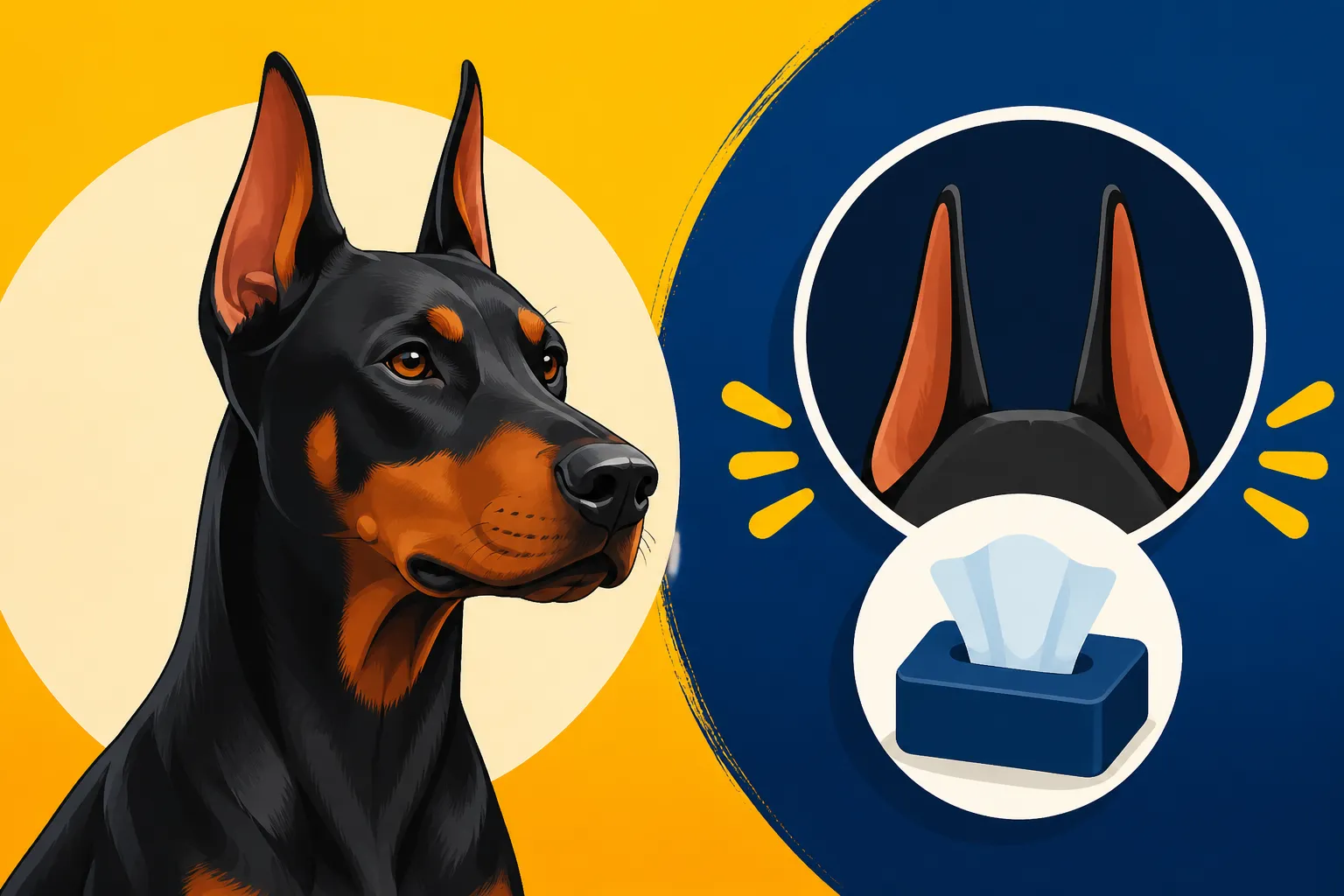
Posting Fees After a Doberman Crop
Bringing a Doberman puppy into your life is an incredible joy, but many new owners quickly realize that the initial cost of the puppy and the ear cropping surgery is just the beginning. The real commitment, often underestimated, lies in the weeks and months of ear posting that follow, which can accumulate significant, and often unexpected, fees. This guide will meticulously break down what these ongoing posting costs entail, helping you understand the financial and time investment required to achieve those perfectly erect Doberman ears.
The Initial Investment in a Doberman Ear Crop
Before we even dive into the nuances of posting, it’s crucial to acknowledge the foundational cost: the ear cropping surgery itself. This isn't a simple procedure; it's a cosmetic surgery performed by a veterinarian with specialized skills and experience in Doberman ears. Many first-time Doberman owners are often shocked by the price tag, which can range widely depending on location and the surgeon's reputation.
Understanding the Surgical Procedure Cost
The actual surgery involves careful artistic shaping of the ear leather to achieve the desired Doberman aesthetic, followed by meticulous stitching. This isn't just a cut-and-snip job; it requires a deep understanding of canine ear anatomy and an eye for how the ears will ultimately stand. A skilled surgeon will consider the puppy's head size and structure to ensure the crop complements its adult appearance. Factors like anesthesia, pain medication, post-operative antibiotics, and the surgeon's time all contribute to the final bill. When you pick up your puppy after the surgery, you’re usually paying for the procedure itself, a first set of bandages, and initial instructions for aftercare, but this rarely includes the ongoing journey of ear posting. Owners might find that getting a clear understanding of The Six Hundred Dollar Doberman Crop is only the first step in a much longer financial commitment.
Why Cropping Prices Vary So Widely
The cost of ear cropping can fluctuate significantly, not just state-to-state, but even within different practices in the same city. A highly sought-after veterinarian, known for their exceptional Doberman crops, might charge upwards of $800 to $1,000 or even more, while a less experienced vet in a more rural area might be at the lower end of the scale. This variation isn't just about location; it's heavily influenced by the vet's expertise, the specific type of crop chosen (e.g., show crop, medium crop, pet crop), and the comprehensive nature of the post-operative care package they offer. Some clinics might include a few initial posting changes in the surgical fee, while others will charge for every single visit. It’s vital to ask for a detailed breakdown of costs upfront and to understand what exactly is covered. You might be surprised to learn that many Vets Who Will and Will Not Crop a Doberman also have varying fee structures and aftercare protocols.
Deconstructing the "Posting Fees" – What Are They For?
Once the initial bandages come off, usually about 7-14 days post-surgery, the real work of ear posting begins. This isn't a one-and-done deal; it's a process that can last anywhere from a few weeks to several months, and in some cases, even up to a year, depending on the individual puppy's ears and cartilage strength. Every time the ears are unposted, cleaned, and re-posted, there's a cost involved, whether it's your time and supplies or a professional's fee.
The Expertise of Professional Postings
Many Doberman owners, especially those new to the breed, opt for professional posting services. This typically means regular visits to a veterinarian or an experienced Doberman handler who specializes in ear posting. The fee for these visits covers their expertise in correctly cleaning the ears, inspecting for any irritation or infection, and meticulously applying a new post. Proper posting is an art form; it involves precise tension, the right materials, and a deep understanding of how to encourage the ears to stand without causing discomfort or damage. Too tight, and you risk circulation issues; too loose, and the ears won't stand properly. These appointments can range from $25 to $75 per session, sometimes more in high-cost areas. Considering that a puppy might need weekly or bi-weekly changes for months, these costs quickly add up. Understanding What a Doberman Cropping Aftercare Visit Costs can really help in setting realistic financial expectations for this phase.
Materials and Supplies for Ear Posting
Whether you're doing the posting yourself or relying on a professional, there's an ongoing need for supplies. These aren't just household items; they're specific materials designed for ear posting. You'll need:
- Backer Rod or Foam Inserts: These form the core of the post and need to be cut to size.
- Hypoallergenic Tape: Medical-grade tape that adheres well but is gentle on sensitive skin. Brands like Zonas Porous Tape or paper tape are commonly used.
- Adhesive Remover: To gently remove tape residue without irritating the skin.
- Antiseptic Wipes or Solutions: For cleaning the ears thoroughly between postings.
- Cotton Balls or Pads: For cleaning and applying solutions.
- Powder or Antifungal Cream: Sometimes recommended to prevent moisture build-up and yeast infections.
- Scissors: Blunt-tipped for safety when working around the ears.
While individual items might seem inexpensive, purchasing them regularly, especially if you're going through a lot of tape or backer rod, can become a significant recurring expense. Many owners find it convenient to order these supplies online through retailers like Chewy, which often have a wide selection of medical supplies for pets. A single roll of specialized tape can be $8-$15, and you might go through several rolls over the course of the posting journey.
DIY vs. Professional Posting: A Cost-Benefit Analysis
The decision to post your Doberman's ears yourself or to enlist professional help is a common dilemma for new owners. Both options have their financial and practical implications, and what works for one person might not be the best choice for another. It's truly a matter of weighing your comfort level, time, and budget.
The Learning Curve and Time Commitment of Home Posting
For those determined to save on professional fees, learning to post your Doberman's ears yourself can be a rewarding, albeit challenging, endeavor. Many breeders and experienced Doberman owners are more than willing to teach new puppy parents the ropes. You might spend an hour or two with them, watching, practicing, and absorbing all the tips and tricks. However, the learning curve can be steep. It takes practice to get the tension just right, to apply the tape smoothly without wrinkles, and to ensure the ears are positioned correctly. The initial attempts might be frustrating, leading to crooked posts or tape that comes off too easily.
Beyond the learning, there's the sheer time commitment. Each posting session, especially in the beginning, can take 30 minutes to an hour, sometimes longer if your puppy is particularly squirmy. You'll need to dedicate this time weekly, or even twice a week, for several months. For a busy individual, this can be a significant drain on personal time. While the direct monetary cost is lower since you're only paying for supplies, your time is a valuable resource. For many, Posting a Doberman's Ears Yourself to Save Money is a viable option, but it requires dedication and patience.
When Professional Help Becomes Essential
There are definitely times when professional intervention becomes non-negotiable. If you're struggling to get the ears to stand, if the posts are constantly falling out, or if you notice any signs of irritation, sores, or infection, a vet visit is crucial. Ear infections can be a real concern during the posting period due to moisture and trapped debris. An experienced professional can quickly identify problems, treat any issues, and adjust the posting method. Attempting to manage a skin irritation or infection yourself with improper posting can lead to prolonged healing, permanent damage to the ear cartilage, or even a failed crop. Don't let pride or a desire to save a few dollars compromise your puppy's health or the outcome of the crop. Sometimes, the peace of mind and the assurance of correct technique that a professional provides are well worth the fee. In some unfortunate scenarios, Whether a Doberman Crop Can Fail and Cost More highlights the importance of timely and expert intervention.
Long-Term Financial Implications of Ear Posting
Thinking that ear posting costs end after a few months is a common misconception. The reality is that the financial implications can stretch out, sometimes unexpectedly, influencing your overall budget for your Doberman. It's a journey, not a sprint, and being prepared for the long haul is key.
The Full Timeline of a Doberman's Ear Posting Journey
The duration of ear posting varies greatly from one Doberman to another. Some puppies have strong cartilage and can be done posting by 4-5 months of age, while others, particularly those with thinner leather or more challenging crops, might need posting until 8, 9, or even 12 months. Rarely, some Dobermans might need occasional "touch-up" postings even into their second year. This extended timeline directly impacts the total cost, whether through continuous purchase of supplies or ongoing professional fees. A good rule of thumb is to mentally prepare for at least six months of consistent posting. Every few weeks, the posts come down for cleaning and inspection, and then new ones go up. It’s a repetitive cycle that means continuous material usage. Knowing How Many Posting Changes a Doberman Needs can help you calculate the approximate total supply cost over the full period.
Unexpected Costs and Potential Complications
Even with the best intentions and diligent care, complications can arise, leading to unexpected costs. The most common issues include:
- Skin Irritations or Infections: Trapped moisture, tape allergies, or accidental scratches can lead to dermatitis or bacterial/yeast infections. These require veterinary care, medication (antibiotics, antifungals), and a temporary pause in posting.
- Sore Spots or Pressure Necrosis: Incorrect posting technique can create pressure points, leading to painful sores or, in severe cases, tissue death. These require immediate vet attention and treatment.
- Allergic Reactions to Tape: Some puppies may develop an allergy to certain types of adhesive tape, necessitating a switch to more expensive, specialized hypoallergenic options.
- "Pocketing" or "Bell-shaped" Ears: If the ears are not posted correctly, they can develop folds or pockets at the base, which prevents them from standing straight. Correcting this often requires more intensive, and sometimes professional, posting for a longer duration.
These complications can quickly inflate your budget, turning a few dollars for tape into hundreds for vet visits and medications. This is where pet insurance can be invaluable. Companies like Healthy Paws often cover unexpected illnesses or injuries, which could include severe ear infections or complications arising from the posting process, provided the ear crop itself wasn't considered a pre-existing cosmetic procedure and you enrolled before any issues arose. It's always worth checking policy details carefully regarding elective procedures and their aftercare.
Budgeting for Your Doberman's Ear Posting Journey
When you bring home a Doberman puppy, it’s not just about the upfront cost; it’s about a long-term financial commitment that extends beyond food and basic vet visits. Ear posting, while temporary, is a significant part of that early-life budget that many owners overlook. Being prepared can save you a lot of stress.
Estimating Total Posting Expenses
To properly budget, let's look at some hypothetical scenarios.
Scenario 1: Dedicated DIY Poster
- Duration: 6 months (24 weeks)
- Frequency: Posts changed weekly initially, then bi-weekly (average ~18 changes total)
- Supplies per change: ~$5-10 (tape, backer rod, cleaning supplies)
- Estimated Total for Supplies: 18 changes * $7.50/change = $135
- Total DIY Cost: Approximately $135 – $200 (allowing for initial bulk purchases, accidental waste, etc.)
Scenario 2: Relying on Professional Posting
- Duration: 6 months (24 weeks)
- Frequency: Posts changed weekly initially, then bi-weekly (average ~18 changes total)
- Professional Fee per visit: $30 – $60 (depending on location and vet)
- Estimated Total for Professional Fees: 18 changes * $45/change = $810
- Plus basic supplies (e.g., occasional extra tape): $50
- Total Professional Cost: Approximately $860 – $1,200
As you can see, the difference between DIY and professional posting is substantial. These figures don't even include potential emergency vet visits for infections or other complications. It’s smart to set aside a dedicated fund, even if it's just an extra $50 a month, specifically for your Doberman's ear journey. Consider these expenses as part of The First Month of Doberman Bills and onwards, rather than an isolated cost.
| Posting Method | Estimated Duration | Average Changes | Cost per Change (Supplies/Visit) | Estimated Total |
|---|---|---|---|---|
| DIY Posting | 6-8 Months | 15-25 | $5 – $10 (Supplies) | $75 – $250 |
| Professional Posting | 6-8 Months | 15-25 | $30 – $75 (Visit + Basic Supplies) | $450 – $1875 |
| Mixed Approach | 6-8 Months | 15-25 | Varies | $200 – $1000 |
Note: These are estimates and actual costs can vary based on location, specific products, and individual puppy needs.
Finding Affordable Supplies and Support
Don't feel like you have to break the bank. There are ways to manage costs:
- Buy in Bulk: If you're confident in your DIY skills, buying larger quantities of backer rod, tape, and cleaning solutions can often lead to savings. Online retailers like Chewy are excellent for this, offering competitive pricing and home delivery.
- Connect with Breeders and Local Doberman Clubs: Many breeders offer ongoing support, including teaching posting techniques and sometimes even providing initial supplies at a reduced cost or as part of their puppy package. Local Doberman clubs are also fantastic resources, often hosting workshops or connecting new owners with experienced mentors.
- Generic vs. Brand Name: Sometimes, generic medical tapes or backer rods work just as well as brand-name alternatives, offering a cheaper option.
- Consider a Mixed Approach: You might start with professional posting to get the technique down and ensure the ears are off to a good start, then transition to DIY for routine changes, only going back to the pro for check-ups or if issues arise. This can significantly reduce costs while still ensuring expert oversight.
- Health and Wellness Plans: Some veterinary clinics offer wellness plans that bundle routine care, and while cropping isn't usually covered, they might offer discounts on follow-up visits or supplies. When planning for overall expenses for your Doberman, remember to account for general wellness, from their daily meals, which might include high-quality options like Ollie, to routine preventive care.
The Emotional and Time Investment Beyond the Money
While the financial aspect of ear posting is a significant consideration, it's just one piece of the puzzle. The emotional and time investment required throughout this process is equally, if not more, substantial. It tests patience, builds bonds, and teaches you a lot about your Doberman.
Patience and Consistency Are Key
Ear posting demands an incredible amount of patience. There will be days when your puppy wiggles endlessly, making posting a challenge. There will be times when a post falls out prematurely, or you notice an ear looking a little droopy, making you question if all your efforts are futile. Consistency is paramount. Skipping a week, or not re-posting promptly after a tape change, can set back progress and prolong the entire process. This can be especially frustrating when you’ve invested so much time and money already.
Remember, your Doberman puppy relies on you for this. They don't understand why you're messing with their ears, and it can be uncomfortable or irritating for them. A calm, reassuring demeanor from you is crucial. Make each posting session a positive experience with treats and praise. This isn't just about getting the ears to stand; it's about teaching your puppy to tolerate handling and trust you, even during slightly uncomfortable procedures. The continuous cycle of posting, removing, cleaning, and re-posting is a core part of Doberman Ear Cropping From Surgery to Last Posting, demanding both your consistency and your dog's cooperation.
Building a Strong Bond Through the Process
Despite the challenges, the ear posting journey can actually be a unique bonding experience between you and your Doberman puppy. The repetitive handling, the gentle cleaning, and the close physical contact during posting sessions can strengthen your relationship. Your puppy learns to trust your touch and understand that even uncomfortable moments are temporary and followed by positive reinforcement.
As the weeks turn into months and you see those ears slowly begin to stand tall and proud, there's an immense sense of accomplishment. It's a visible testament to your dedication and care. This process is more than just cosmetic; it's an early lesson in commitment, patience, and diligent care that will serve you well throughout your Doberman's life. And when those posts finally come off for good, and you have those elegant, erect Doberman ears looking back at you, the journey, frustrations and all, will feel truly worthwhile. Even after the posting is complete, remember that Ear Hygiene Once a Doberman's Crop Has Healed remains important for their overall health.
Disclaimer
The information provided in this guide is for general informational purposes only and does not constitute veterinary advice. Always consult with a qualified veterinarian for any health concerns or before making any decisions about your Doberman's care, especially concerning surgical procedures and aftercare.