What Protection Sport Costs a Doberman Owner
Embarking on the journey of protection sport with your Doberman is an incredibly rewarding experience, but many new owners underestimate the financial commitment involved beyond the initial purchase of their amazing dog. It's not just about the upfront cost of a puppy or an adult Doberman; the specialized training, equipment, club memberships, and potential health needs can add up significantly, leaving some feeling overwhelmed. This guide aims to thoroughly break down the various expenses you can expect to encounter as a Doberman owner deeply involved in protection sports, helping you budget wisely and enjoy the path ahead with your capable canine partner.
The Initial Dive: Equipment and Foundational Training Costs
Before your Doberman can even think about advanced protection work, there are fundamental costs to consider. This isn't just about showing up to a club; it's about building a solid foundation in obedience and bite work, alongside acquiring the necessary gear to do so safely and effectively.
Essential Gear for a Budding Sport Dog
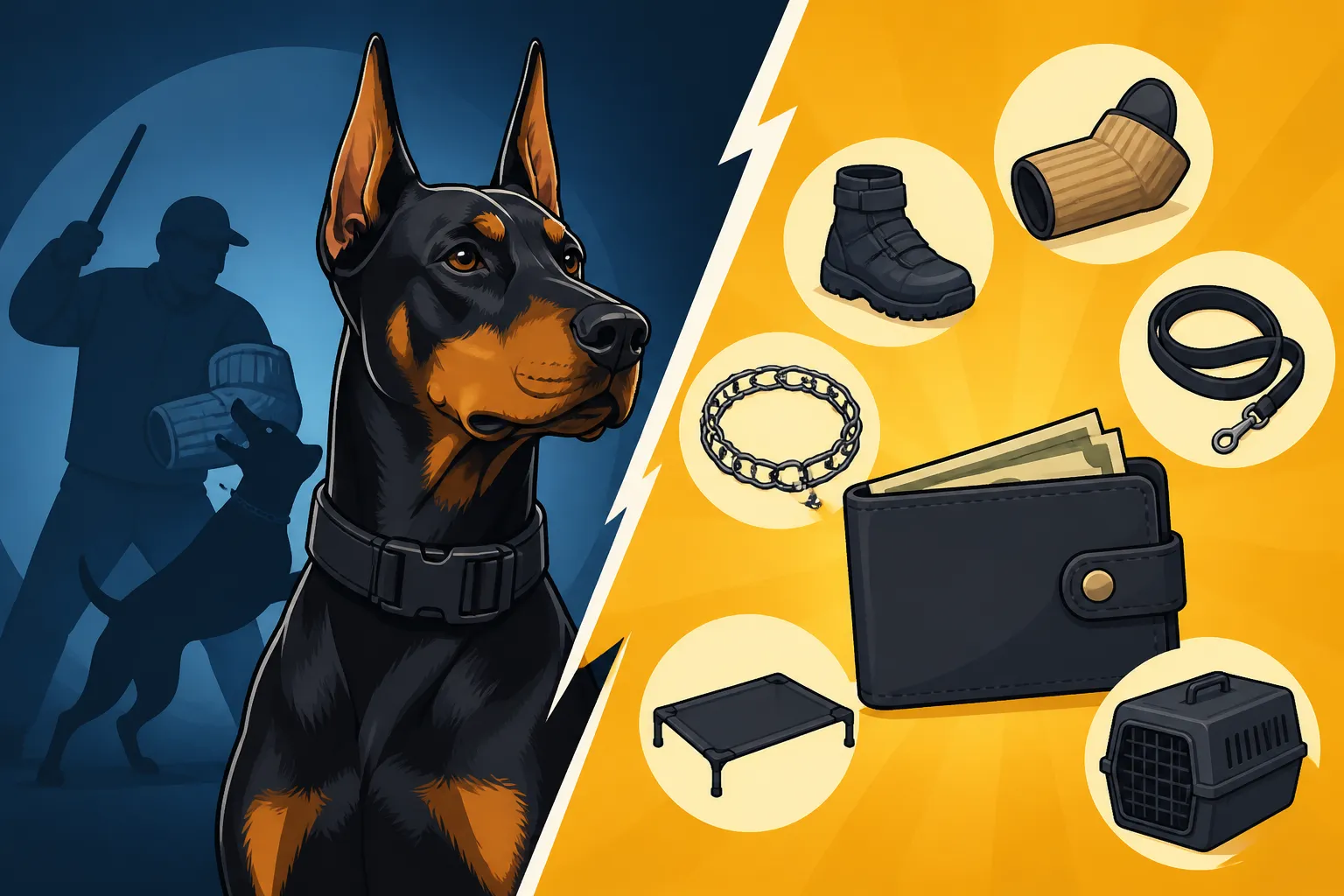
When you first bring home a Doberman puppy, or even an adult rescue with potential for sport, you'll need the basics, but for protection work, some specific items become necessities. Think durable leashes, sturdy flat collars, and a proper fitting harness. You’ll also need high-quality tug toys, bite wedges, and sleeves as your dog progresses. These aren't cheap items; they're designed for durability against strong jaws and powerful drives. A good quality bite sleeve, for example, can be a significant investment, but it's essential for protecting the decoys (the people who take the bites) and ensuring proper training mechanics. Cheap alternatives often fail quickly, leading to more expense in the long run, or worse, injury. You'll also need a secure crate, possibly a larger, more robust one than average, as your Doberman will grow to a substantial size. Remember, these dogs are built for power, and their equipment needs to match that. Places like Chewy can be a good starting point for durable leashes, collars, and crates that can withstand a Doberman's energy.
Foundational Obedience and Socialization
Before any dog can engage in protection sport, it needs impeccable obedience and confidence. This isn't just about knowing "sit" and "stay"; it's about rock-solid recall, focused heeling, and calm behavior in distracting environments. Many Doberman owners start with puppy classes and then move on to advanced obedience courses. These classes, which can run for several weeks at a time, have fees that vary depending on the instructor's expertise and location. Beyond formal classes, there's the cost of daily training treats – a crucial motivator for a clever Doberman. You might find yourself going through bags of them, and for a high-value treat, that adds up. Furthermore, proper socialization is non-negotiable. Exposing your Doberman puppy to various sights, sounds, people, and appropriate dog interactions from a young age is crucial for building a stable, confident adult that can handle the pressures of sport without becoming reactive or fearful. This might involve structured puppy playgroups, trips to dog-friendly stores, or carefully managed encounters, all of which might incur small costs or simply require a significant time investment. A good trainer will often emphasize the importance of The Sixteen Weeks That Set a Doberman Up for future success in any endeavor, including sport.
Joining the Club: Membership, Coaching, and Ongoing Practice Expenses
Once your Doberman has a solid foundation, the real costs of protection sport begin to materialize, primarily through club memberships and specialized coaching. This is where dedication truly meets the budget.
Club Memberships and Training Fees
Protection sport is almost always a club-based activity. You can't just set up in your backyard and expect to train effectively or safely. Clubs provide experienced decoys (helpers), specialized equipment like blind hides and full bite suits, and a structured environment. Membership fees vary widely, but they are typically annual and can range from a few hundred to over a thousand dollars, depending on the club's facilities, reputation, and included services. On top of annual dues, many clubs also charge weekly or monthly training fees to cover the costs of decoys, field rental, and equipment maintenance. These fees are your access to consistent, expert guidance, which is paramount when dealing with a powerful breed like a Doberman in a sport that involves bite work. The expertise of a trainer who has Finding a Trainer Who Has Worked With Dobermans is invaluable, and that expertise comes at a price. This is a recurring cost that forms the backbone of your protection sport journey.
Private Coaching and Workshops
While club training offers a group dynamic, many dedicated owners opt for private coaching sessions to address specific weaknesses or accelerate their Doberman's progress. A private session with an experienced protection sport trainer or decoy can be quite costly per hour, but the individualized attention can be incredibly beneficial. Think of it as specialized tutoring for your canine athlete. Additionally, workshops and seminars with renowned national or international trainers are common in protection sport circles. These events offer intensive learning experiences over a weekend or several days and come with registration fees, which can also be substantial. Attending these often requires travel and accommodation, further adding to the expense. These are investments in improving your dog's skills and your own handling abilities, pushing both of you to the next level in sports like IPO or PSA, which are The Working Sports a Doberman Was Built For.
The Competitive Edge: Trials, Travel, and Advanced Development
Once you and your Doberman are proficient enough, the natural progression is to enter trials and competitions. This phase introduces a whole new layer of costs related to proving your team's skills.
Trial Entry Fees and Titling
Entering a protection sport trial comes with entry fees for each phase (obedience, protection, tracking). These fees help cover the costs of judges, field rental, ribbons, and administration. If you're competing in multiple events or divisions, these fees can quickly accumulate. Achieving titles (like BH, IPO, or PSA levels) is a goal for many, signifying a certain level of accomplishment. However, sometimes there are additional fees for registering titles with governing bodies. It’s also important to remember that not every trial results in a pass; sometimes you have to re-enter and pay again, which can be frustrating but is part of the learning process. The cost isn't just monetary; it's also the mental and emotional investment in What Protection Sport Involves for a Doberman and the journey to get there.
Travel and Accommodation
Protection sport trials are often not held in your backyard. You might need to travel several hours, or even across state lines, to find suitable events or qualified judges. This means factoring in fuel costs, wear and tear on your vehicle, and potentially overnight accommodation for both you and your Doberman. Finding dog-friendly hotels or lodging that can accommodate a large, active Doberman can sometimes be an additional challenge or come with extra fees. Food and supplies for both of you during these trips also need to be considered. Some owners even invest in a dedicated vehicle setup for their dogs, such as customized crates or climate control solutions, especially for longer journeys.
Advanced Equipment and Uniforms
As you progress in protection sport, you might find yourself needing more specialized or higher-quality equipment. This could include professional-grade tracking harnesses, heavier bite suits for advanced decoys (though often provided by the club), or even specific clothing for handlers that meets trial regulations. While not strictly an "equipment" cost, the food demands of a Doberman in intense sport training also increase. A high-energy working dog will require more calories and possibly a more protein-rich diet than a sedentary pet. For high-performance dogs, some owners opt for fresh food delivery services such as Ollie, especially if they're looking for tailored nutrition to support intense training and recovery. This becomes a part of the advanced development, as proper nutrition is key to performance and health.
Protecting Your Investment: Health, Insurance, and Unexpected Bills
A Doberman involved in protection sport is an athlete, and like any athlete, they are prone to certain health concerns, making health-related costs a significant, and often unpredictable, part of the budget. This is especially true given the breed's predispositions.
Routine and Preventative Veterinary Care
Even without specific injuries, a Doberman in protection sport will require diligent routine veterinary care. This includes annual check-ups, vaccinations, parasite prevention, and dental care. Due to their deep chests, Dobermans are prone to bloat (gastric torsion), and many owners opt for a prophylactic gastropexy, a surgical procedure to tack the stomach in place, which can be a substantial upfront cost but potentially life-saving. Regular screenings for conditions common in Dobermans, such as Dilated Cardiomyopathy (DCM), are also crucial. Annual Echo and Holter Screening for a Doberman should be a non-negotiable part of your annual budget, as early detection can sometimes prolong quality of life. These screenings become even more vital when you're asking your dog to perform strenuous activities.
Injuries and Specialized Treatments
The physical demands of protection sport can, unfortunately, lead to injuries. This might include sprains, strains, ligament tears (like a cruciate tear), or even more severe orthopedic issues over time. These injuries often require specialized veterinary attention, including diagnostics like X-rays or MRIs, surgical interventions, physical therapy, and ongoing medication. These costs can easily run into thousands of dollars. Even minor scrapes and cuts, which are more common in an active dog, can require vet visits. Protecting a Doberman's joints is paramount, and sometimes preventative measures or early intervention are necessary. It's not uncommon for a Doberman in sport to need joint supplements or pain management as they age, especially given their lean, powerful build.
Pet Insurance and Contingency Funds
Given the potential for high veterinary bills, many protection sport Doberman owners seriously consider pet insurance. Plans vary, but a good policy can help cover a significant portion of unexpected illness or injury costs. However, it's crucial to enroll your Doberman early, ideally before any pre-existing conditions arise, especially related to their heart. Insurers like Healthy Paws are popular options, but understanding what their policies cover (or exclude) is vital. Always read the fine print! If pet insurance isn't an option, or even if it is, maintaining a robust emergency fund specifically for your Doberman's health is incredibly wise. What a Doberman Costs Month to Month reveals that a significant portion of a Doberman's budget should always be allocated to health. Accidents happen, and having funds readily available means you can make decisions based on your dog's health needs, not just your immediate financial limitations. Without a doubt, Insuring a Doberman Before the Heart Turns is a critical step for anyone with a Doberman, especially one in sport.
Here’s a simplified breakdown of potential costs:
| Category | Description | Frequency | Cost Shape (Examples) |
|---|---|---|---|
| Initial Gear | Collar, leash, crate, quality tugs, bite wedges, sleeves | One-time/As needed | Moderate to High (e.g., a good sleeve is a big investment) |
| Basic Training | Puppy classes, obedience classes, private sessions | Per class/session | Varies widely (e.g., hundreds per course, high for private lessons) |
| Club Membership | Access to facilities, decoys, group training | Annually | Moderate to High (e.g., several hundred dollars) |
| Ongoing Training Fees | Per session or monthly fees for club participation | Weekly/Monthly | Low to Moderate (e.g., tens of dollars per session) |
| Workshops/Seminars | Intensive training events with specialist trainers | Annually/As needed | Moderate to High (e.g., hundreds per weekend, plus travel) |
| Trial Entry Fees | Cost to enter competitions to earn titles | Per trial | Low to Moderate (e.g., tens to low hundreds per trial) |
| Travel Expenses | Fuel, accommodation, food for handler & dog for trials/workshops | Per trip | Varies widely based on distance and duration |
| Nutrition | High-quality kibble, fresh food (e.g., Ollie), supplements | Monthly | Moderate to High (e.g., Daily Calories for an Adult Doberman add up) |
| Routine Vet Care | Annual exams, vaccinations, preventatives, dental | Annually/Monthly | Moderate (e.g., hundreds per year, possibly more for procedures) |
| Health Screenings | Echocardiograms, Holters (for DCM), thyroid panels | Annually | High (e.g., several hundred dollars per screening, per year) |
| Pet Insurance | Monthly premiums for accident/illness coverage | Monthly | Moderate (e.g., tens to over a hundred dollars per month) |
| Emergency Fund/Injuries | Savings for unexpected medical issues, trauma care | As needed | Potentially very high (e.g., thousands for surgery or overnight care) |
Ultimately, owning a Doberman involved in protection sport is a significant financial commitment, but for those dedicated to the sport and the breed, the bond forged and the accomplishments achieved are priceless. Being prepared for the costs, both expected and unexpected, is key to a long and successful partnership with your incredible Doberman.
Disclaimer
This article is for general informational purposes only and does not constitute professional advice. Laws, prices and regulations vary by location and change over time. Consult a qualified professional for guidance on your specific situation.