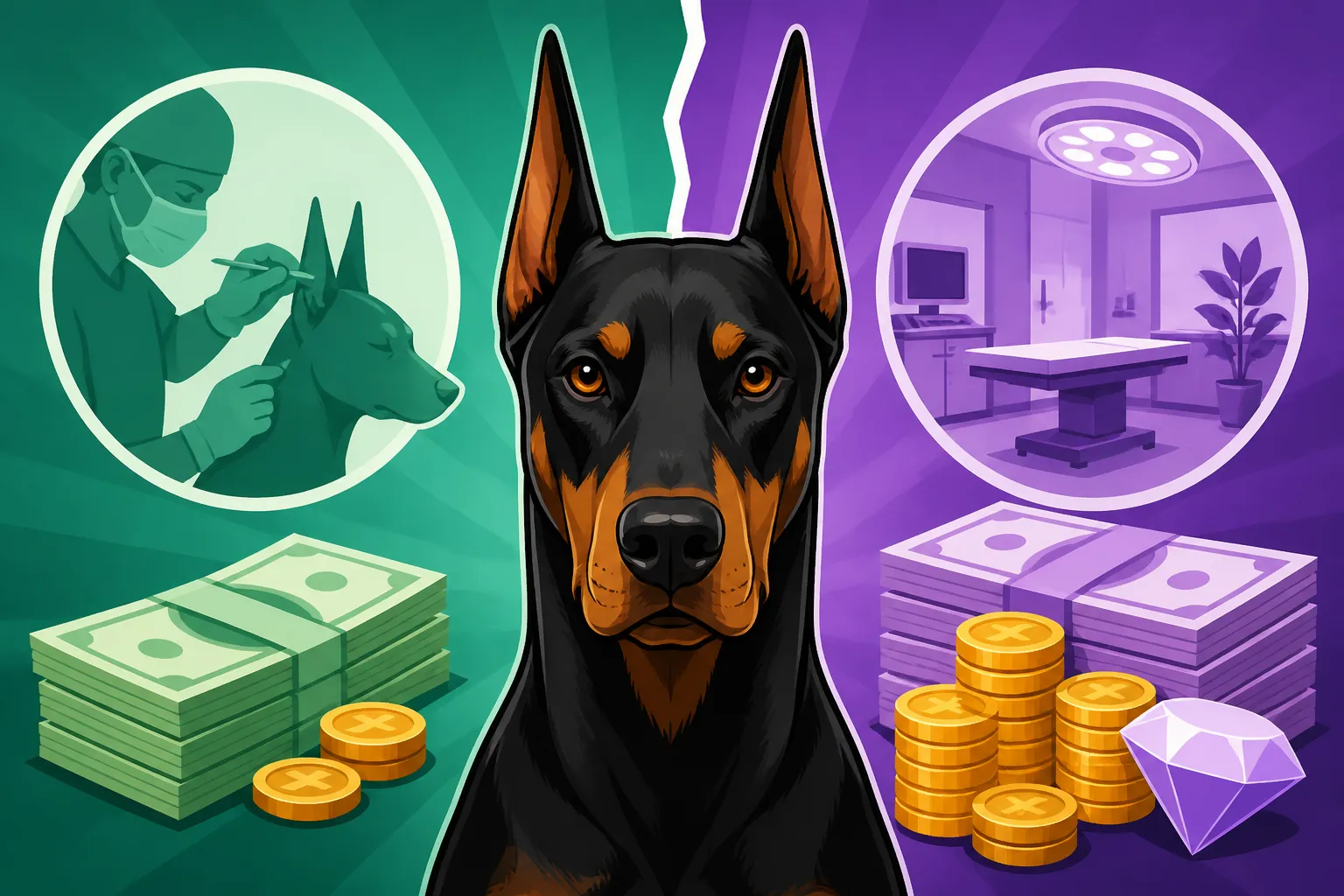
Why Doberman Cropping Prices Vary So Widely
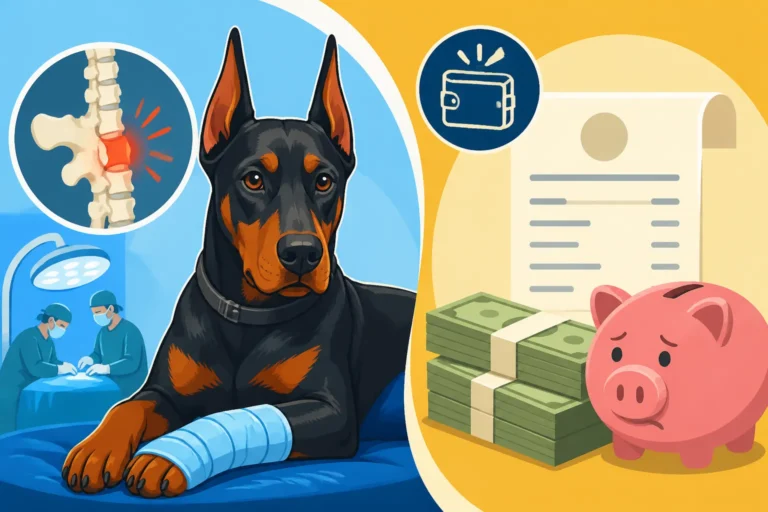
It's incredibly common for new Doberman owners, or even seasoned ones looking at a new puppy, to feel utterly bewildered by the vast range of prices quoted for ear cropping. You're trying to do what's best for your dog, perhaps adhere to breed tradition or show standards, and suddenly you're faced with numbers that swing wildly from one vet to the next, leaving you wondering if you're comparing apples and oranges. This guide will meticulously break down the many reasons why Doberman ear cropping prices vary so widely, helping you understand what you're truly paying for and how to navigate this complex decision.
The Expertise and Experience of the Veterinarian
One of the most significant drivers behind the varied costs of Doberman ear cropping is the skill, experience, and specialization of the veterinarian performing the procedure. This isn't just about a doctor with a scalpel; it's about an artist and a surgeon combined.
General Veterinarian Versus Specialist Surgeon
Many general practice veterinarians perform ear crops, particularly in regions where the practice is still common. They may offer the service as part of their routine surgical offerings. Their pricing might reflect a more general overhead and a less specialized approach. However, a board-certified veterinary surgeon, or a veterinarian who has extensively specialized in cosmetic ear cropping for Dobermans and other breeds, will almost always command a higher fee. These specialists have often undergone additional training, apprenticeships, and have performed hundreds, if not thousands, of successful crops. They understand the nuances of the Doberman ear structure, the way cartilage heals, and how to achieve a symmetrical, aesthetically pleasing, and functional crop that complements the dog's head and overall look. Their clinics might also be equipped with more advanced surgical monitoring and pain management protocols, which all factor into their pricing. It's truly a craft, and like any craft, the master charges more for their artistry and precision.
Reputation and Demand for Quality Work
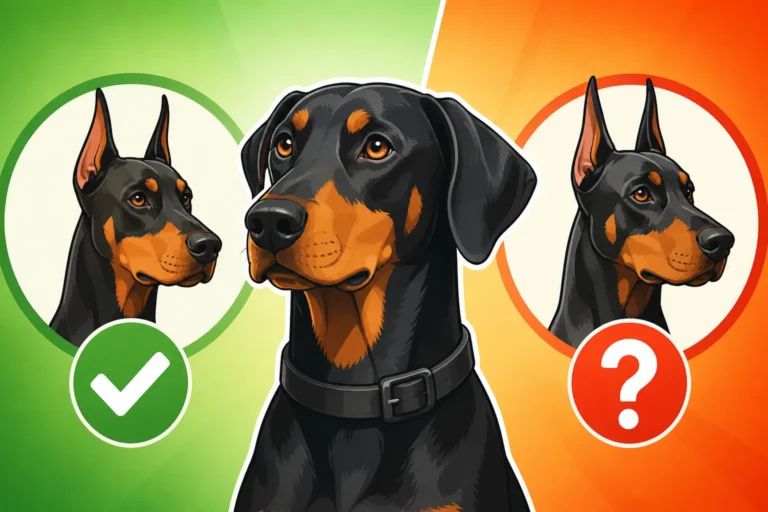
A veterinarian with a stellar reputation for producing beautiful, healthy Doberman crops will naturally be in higher demand, and their prices will reflect that. Word travels fast in the Doberman community, especially regarding something as visible and permanent as an ear crop. Owners are often willing to pay a premium for a surgeon known for consistent, high-quality results and minimal complications. Think about it: this isn't just a surgical procedure; it's defining a significant part of your Doberman's appearance for its entire life. Settling for a cheaper option from a less experienced vet might save you money upfront, but it could lead to an unsatisfactory outcome, such as an uneven crop, ears that don't stand correctly, or even complications like infection or scarring, which might then incur further costs to correct. Sometimes, trying to save a few dollars can end up costing you more in the long run, both financially and emotionally. The adage "you get what you pay for" often holds very true in this particular area of Doberman care. When looking at potential vets, don't be shy about asking to see photos of their past work, or even if you can speak to owners of dogs they've cropped.
Geographic Location and Regional Demand
Just like real estate or human medical procedures, the cost of Doberman ear cropping can fluctuate significantly based on where you live. This isn't just state-to-state; it can vary city-to-city within the same state.
Cost of Living and Veterinary Overhead
In areas with a higher cost of living, everything from rent for the veterinary clinic to staff wages and utility bills will be higher. These increased operational costs are naturally passed on to the consumer. A high-end veterinary practice in a major metropolitan area like Los Angeles or New York City will have significantly higher overheads than a rural clinic in a less populated state. Therefore, the base price for any veterinary procedure, including ear cropping, will likely be higher in these expensive urban centers. This also explains why you might find that the procedure costs more on one coast than another, or in a bustling city compared to a quiet town.
Legality, Availability, and Local Regulations
The legality and social acceptance of ear cropping also play a huge role in pricing. In some states or even specific municipalities, ear cropping is becoming increasingly controversial or even regulated. This can limit the number of veterinarians willing or able to perform the procedure. When fewer vets offer the service, and demand remains, the available practitioners can charge more due to limited supply. Conversely, in areas where ear cropping is still widely accepted and there are many practitioners, competition might keep prices a bit more in check. It's crucial to understand the local regulations where you live; some states have restrictions on who can perform the surgery or require certain waiting periods. This also impacts the ability for you to choose a vet that is geographically convenient, sometimes forcing owners to travel considerable distances, adding travel costs and time to the overall expense. Some owners may even look to buy a Doberman puppy that is already cropped, which affects the initial purchase price, as discussed in "Whether Doberman Puppies Come Already Cropped."
Age of the Doberman and Complexity of the Crop
The timing of the ear crop is not just important for the aesthetic outcome, but it also has a direct impact on the cost. The younger the Doberman puppy, generally, the less complex and less expensive the procedure tends to be.
Ideal Age for Cropping and Surgical Ease
Most experienced Doberman breeders and veterinarians recommend cropping between 7 to 12 weeks of age. During this window, the ear cartilage is still soft and pliable, making it easier for the surgeon to shape and achieve the desired aesthetic. The puppy is also small, which means less anesthesia is typically required, and their recovery tends to be quicker and smoother. A younger puppy's ears are less developed, and the surgery is generally less invasive. Attempting to crop ears on an older Doberman, say 4 or 5 months old, significantly increases the complexity and risks. At that age, the cartilage has begun to harden, making it more challenging to cut and shape, and the recovery process often involves more pain and a longer posting period. The surgical time might be extended, and the risk of complications, such as infection or improper standing, can increase. All of these factors contribute to a higher fee for older puppies.
Anesthesia and Monitoring for Age
Anesthesia is a significant component of any surgical cost, and it's directly related to the patient's age and size. Younger, smaller puppies typically require less anesthetic medication, and their physiological systems are generally robust enough to handle the procedure well. However, as puppies get older and larger, the amount of anesthesia needed increases, and the monitoring required during the procedure becomes more critical. An older or larger Doberman might require more extensive pre-surgical blood work to ensure they are healthy enough for anesthesia, especially since Dobermans are known for certain health predispositions. More advanced anesthetic monitoring, often including EKG, blood pressure, and oxygen saturation, will be used, all of which contribute to the overall cost. For more on this, you might find "Vaccination and Anesthesia in a Doberman" to be a helpful read. This careful attention to detail ensures the safety of your beloved Doberman during surgery, which is something no owner wants to compromise on, even if it means a higher bill.
The Type and Style of Crop Chosen
Believe it or not, there isn't just one "Doberman crop." There are several styles, each requiring different levels of skill, time, and artistic vision from the surgeon, directly influencing the price.
Short, Medium, or Long Show Crop
The most common styles are generally categorized as short (sometimes called "military" or "pet" crop), medium, and long (often referred to as a "show" crop).
- Short Crop: This style involves removing less of the ear, resulting in a shorter ear overall. It's often chosen for pet Dobermans where owners prefer a cropped look but want a less dramatic or high-maintenance result. While seemingly simpler, achieving a perfectly proportioned short crop still requires skill.
- Medium Crop: This is a popular choice for many owners, striking a balance between the practicality of a shorter ear and the elegance of a longer one. It requires a good eye for proportion.
- Long Show Crop: This is the most intricate and challenging style, demanding the highest level of surgical artistry. The goal is to create a long, elegant ear that perfectly frames the Doberman's head, tapers beautifully, and stands erect with minimal effort during the posting period. Achieving this requires precise measurements, a steady hand, and an understanding of how the ear will heal and stand. Because of the increased precision and time involved, a long show crop is almost always the most expensive option. Breeders often insist on a show crop for their puppies, especially if the puppy is destined for the conformation ring.
The Surgeon's Artistic Vision and Time Investment
Some veterinarians specialize in particular styles or have a signature look that Doberman owners seek out. Their artistic vision and the time they invest in sculpting each ear to perfection will be reflected in their pricing. It’s not just a cut; it’s about shaping the cartilage so it will stand correctly and look balanced with the dog's head. A skilled surgeon will take their time, making sure every angle and curve is just right, understanding that this is a permanent modification. This meticulous approach often means longer surgical times and a higher fee. It's also worth noting that some vets might refuse to do certain styles if they don't believe it will suit the dog or if they prefer to stick to the styles they excel at. Always discuss your desired style thoroughly with the vet and look at examples of their work.
Pre- and Post-Operative Care Inclusions
The initial cropping fee can look appealing until you realize it doesn't cover everything. What's included in the price – and what isn't – significantly impacts the total cost of the Doberman ear crop. This is where you really need to read the fine print and ask detailed questions.
Anesthesia, Pain Management, and Medications
A comprehensive cropping package typically includes the anesthesia itself, intra-operative pain management (like IV painkillers), and sometimes a course of oral pain medication and antibiotics to go home with. However, some clinics might quote a lower "surgical fee" and then itemize these crucial components separately. This can make the initial quote seem more affordable, only for the final bill to be much higher. Always clarify if the quoted price includes:
- Pre-surgical examination and blood work.
- Anesthesia and monitoring during the procedure.
- Pain control during and after surgery.
- Post-operative antibiotics to prevent infection.
- An Elizabethan collar (cone) to prevent the puppy from scratching its ears.
- Any necessary overnight stay.
These are not optional extras; they are vital for your Doberman's comfort, safety, and recovery. Reputable clinics will have robust protocols for all these aspects, but their prices will naturally reflect this comprehensive care. Some owners try to cut costs by buying medications from places like Chewy or picking up generic brands, but the vet's recommendations for specific dosages and types of pain relief are usually paramount.
Follow-up Postings and Materials
The surgery itself is only half the battle; the ears need to be posted correctly and consistently for weeks, sometimes months, to ensure they stand erect. This aftercare is critical.
- Initial Taping and Instructions: Most cropping fees will include the initial taping of the ears immediately after surgery, and detailed instructions for you to follow at home.
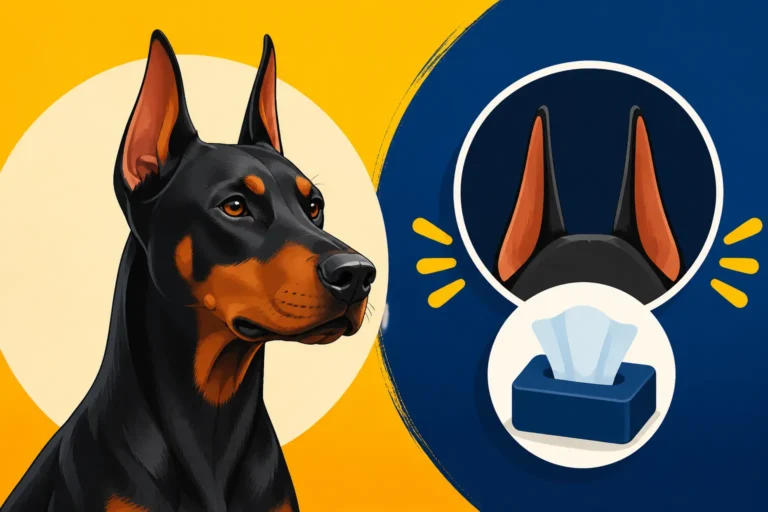
- Follow-up Posting Appointments: This is where prices often diverge. Some veterinarians include a certain number of follow-up re-posting appointments in their initial fee. These visits are essential for checking the healing, cleaning the ears, and re-taping them correctly. They ensure the ears heal straight and stand properly. If these appointments are not included, you'll be paying a fee for each visit, and Doberman ears often need several weeks or months of consistent posting changes. You can look at "What a Doberman Cropping Aftercare Visit Costs" for more detail on these recurring expenses.
- Posting Materials: The tape, backer rod, cotton, and adhesives used for posting can add up. Some clinics might provide an initial kit, while others expect you to purchase these materials separately. Again, places like Chewy might offer some of these supplies, but often the specific medical-grade tapes and adhesives are best sourced through your vet or specialized Doberman supply stores.
- Addressing Complications: While rare with a skilled surgeon, complications like infection, sutures coming out, or an ear tip breaking can occur. Some clinics might offer a limited grace period where they will address minor issues without an additional charge, while others will bill for every follow-up or re-intervention. Pet insurance providers like Healthy Paws typically do not cover elective cosmetic procedures like ear cropping itself, but some might cover complications if the procedure wasn't explicitly excluded as a pre-existing condition or an unapproved treatment. It's always wise to check your specific policy details beforehand. This ongoing care is crucial to prevent problems and ensure a successful outcome, and the inclusion (or exclusion) of these services heavily influences the advertised price. Many dedicated Doberman owners learn how to do the ear posting themselves to save money, as highlighted in "Posting a Doberman's Ears Yourself to Save Money." This is a skill that takes practice but can greatly reduce the overall financial burden of aftercare.
Factors to Consider When Evaluating Cropping Prices
When you're trying to figure out why one vet charges significantly more or less than another for Doberman ear cropping, it's not just about the raw number. It's about value, risk, and what’s included.
Quality Over Cost for a Permanent Decision
This is one of those decisions where choosing the cheapest option can lead to long-term regret. An ear crop is permanent. There’s no undoing a poorly done job, and correcting a bad crop is often far more expensive, painful for the dog, and less successful than getting it right the first time. A botched crop can result in ears that never stand, are uneven, or worse, lead to chronic infections or aesthetic disfigurement.
For example, imagine paying a lower fee for a vet who rushes the procedure or lacks the artistic eye. You might end up with ears that are too short, too long, or have an awkward shape that doesn’t complement your Doberman’s beautiful head. This isn't just a minor cosmetic flaw; it changes the entire look of your dog. Owners often express frustration if they compromised on price only to be unhappy with the results. For such a visible and lasting aspect of your Doberman, investing in a reputable, skilled surgeon who specializes in the breed is almost always worth the higher cost. This also ties into the aesthetic goals of the breed standard, as discussed in "Doberman Ear Cropping in the Standard."
Transparency of Pricing and Itemized Bills
A truly ethical and professional veterinary clinic will be transparent about their pricing. They should provide you with a detailed, itemized estimate that clearly breaks down all the costs involved. This means you shouldn't just get a single, vague number. Instead, the estimate should list:
- The surgical fee (for the crop itself).
- Anesthesia costs (including drugs and monitoring).
- Pre-surgical blood work.
- Pain management (both during surgery and for home care).
- Antibiotics.
- Post-operative check-ups and re-postings (how many are included, or the cost per visit if not).
- Posting materials.
- Any potential overnight boarding.
If a clinic is unwilling to provide a clear breakdown, or if their quote seems unusually low without explanation, it should be a red flag. Always ask questions. For instance, what happens if the ears don't stand? Is there a guarantee or a reduced fee for follow-up intervention? Understanding "What a Doberman Costs Month to Month" includes knowing these potential one-off or recurring medical expenses.
Making an Informed Decision
Navigating the world of Doberman ear cropping costs can feel like a minefield, but with the right information, you can make a choice that's best for your dog and your wallet.
Researching Veterinarians and Asking for Referrals
The best way to start is by researching veterinarians known for Doberman ear cropping. Ask Doberman breeders, local Doberman clubs, and trusted Doberman owners for recommendations. They will often know which vets are considered the best in the area or even within a reasonable traveling distance. Look for veterinarians who:
- Have extensive experience specifically with Dobermans.
- Can show you a portfolio of their work (photos of healed ears).
- Are transparent about their pricing and aftercare protocol.
- Are willing to discuss your desired crop style and its feasibility for your puppy.
- Have excellent reviews regarding patient care and communication.
Don't be afraid to interview several vets. Your puppy's comfort, health, and the aesthetic outcome are all on the line. Take the time to visit clinics, meet the staff, and get a feel for their approach. Consider this decision as important as selecting a breeder or even finding a home for your new family member.
Creating a Realistic Budget for the Entire Process
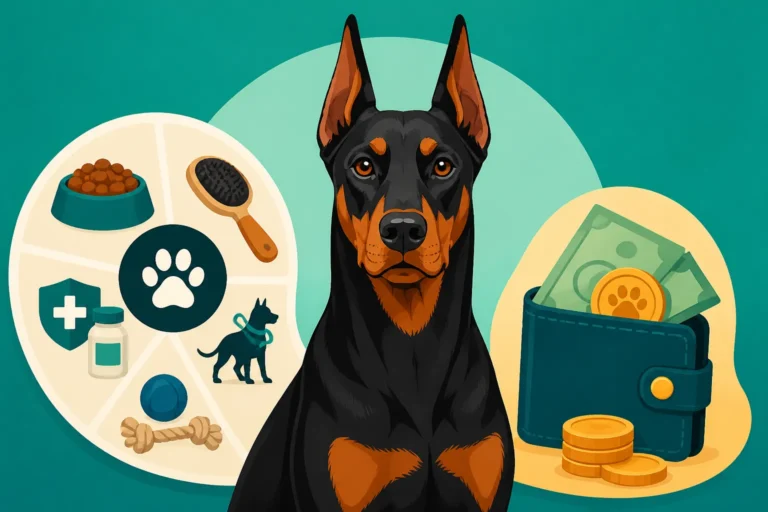
When budgeting for a Doberman ear crop, don't just consider the initial surgical fee. You need to account for the full spectrum of costs, including:
- Initial Consultation: Some vets charge for an initial consultation to assess your puppy and discuss the procedure.
- Travel Costs: If you need to travel to a specialist, factor in gas, potential overnight stays, or even airline fees if you're importing a Doberman puppy that needs a crop later.
- Aftercare Visits: If not included, each re-posting appointment can add up. You should also consider "How Many Posting Changes a Doberman Needs" to estimate the full scope of these costs.
- Supplies: Stock up on specific ear posting tapes, cotton, cleaning solutions, and adhesives. Companies like Chewy can be a good source for some of these general pet supplies, but always follow your vet's specific recommendations.
- Potential Complications: While you hope for the best, it's wise to have a contingency fund for unexpected issues like infections or difficulties with ears standing, which might require additional vet visits or even re-sedation for adjustments. Remember that typical pet insurance, even from providers like Healthy Paws, usually excludes elective cosmetic surgery, so don't count on it for the base procedure.
- Nutritional Support: A puppy recovering from surgery needs excellent nutrition to heal properly. You might consider premium foods or supplements, like those offered by Ollie, to support their recovery.
A detailed table can help clarify what aspects influence the overall cost:
| Factor Influencing Price | Impact on Cost | Example Considerations |
|---|---|---|
| Veterinarian Expertise | High | Board-certified surgeon, extensive Doberman experience, consistent results, specialized equipment. |
| Geographic Location | High | Higher cost of living areas, areas with limited vets offering cropping, strict local regulations. |
| Age of Doberman | Medium to High | Younger puppies (7-12 weeks) are less expensive; older puppies are more complex, requiring more anesthesia/surgical time. |
| Crop Style Chosen | Medium to High | Long "show" crops require more surgical artistry and time; shorter "pet" crops may be slightly less. |
| Pre-Op & Post-Op Inclusions | Medium to High | Package includes anesthesia, pain meds, antibiotics, multiple re-posting visits, E-collar, blood work. Items billed separately will increase the total. |
| Demand for Services | Medium | Popular, highly-recommended vets will have higher demand and therefore higher prices. |
Understanding these variables will help you discern why one quote is drastically different from another and allow you to make an informed decision for your Doberman puppy. The goal isn't just a low price, but a safe procedure, a comfortable recovery, and a beautiful, well-set pair of ears that are a credit to the breed.
Disclaimer
This article is for general informational purposes only and does not constitute professional advice. Laws, prices and regulations vary by location and change over time. Consult a qualified professional for guidance on your specific situation.