A Month of Food for an Eighty-Pound Doberman
If you're bringing an 80-pound Doberman into your life, or perhaps you're already sharing your home with one and staring at those ever-increasing kibble bags, you're probably wondering what the true financial commitment looks like for their dinner plate. It's not just about picking a dog food; it's about choosing the right food for a powerful, athletic breed, and that decision definitely impacts your wallet. This guide will walk you through the realistic monthly food costs for an 80-pound Doberman, covering everything from nutritional needs to different food types and factors that can swing your budget.
Understanding Your Doberman's Nutritional Needs
Before we even talk dollars and cents, it's crucial to grasp that feeding an 80-pound Doberman isn't the same as feeding a less active or smaller breed. These dogs are built for work, athleticism, and a strong presence, and their diet needs to reflect that.
Why an 80-Pound Doberman Isn't Just a "Big Dog"
Dobermans are renowned for their sleek, muscular physique and high energy levels. They aren't chunky giants; they're lean, powerful athletes. This means their dietary needs lean heavily towards high-quality protein to maintain that impressive muscle mass, along with sufficient healthy fats for sustained energy and a gleaming coat. Simply labeling them a "big dog" and feeding them any generic large-breed formula might not cut it. Their metabolism can be quite efficient at burning through calories, especially if they're actively engaged in training, sports, or just long, vigorous walks. You want to fuel that magnificent engine properly, not just fill it. Providing them with food that lacks dense nutrition can leave them feeling constantly hungry, lead to a dull coat, or even impact their overall vitality and performance.
Daily Calorie Requirements and Activity Levels
An 80-pound Doberman's daily caloric intake can vary significantly based on their age, metabolism, and, most importantly, their activity level. A Doberman that enjoys daily runs, agility training, or protection work will burn through far more calories than one whose primary exercise consists of short leash walks and lounging on the couch. For an active 80-pound Doberman, we're often looking at a daily intake ranging from 1,800 to 2,500 calories, sometimes even more for a truly high-drive working dog.
It's a delicate balance; too many calories lead to weight gain, which can be detrimental to their joints and overall health, while too few can result in muscle loss and low energy. You'll need to pay close attention to their body condition by regularly checking their Reading Ribs and Hip Points on a Doberman to ensure they're maintaining an ideal, lean weight. Remember, an 80-pound Doberman should look powerful and athletic, not stocky. For a more detailed look at what your Doberman should be eating, you might want to consider Daily Calories for an Adult Doberman and understand The Weight Range a Doberman Should Hold.
Macronutrients: Protein, Fat, and Carbs
For a Doberman, the quality and balance of macronutrients are paramount.
- Protein: This is the cornerstone of a Doberman's diet. Look for foods where animal protein sources (like chicken, beef, lamb, fish) are listed as the first few ingredients. A good quality food will have a crude protein percentage in the high 20s to low 30s. This isn't just about quantity but digestibility; easily digestible proteins mean more nutrients are absorbed to support muscle repair and growth. Without adequate protein, your Doberman's magnificent physique can suffer, leading to muscle wasting over time, which no Doberman owner wants to see.
- Fats: Healthy fats, like those from chicken fat, flaxseed, or fish oil, provide concentrated energy and are vital for skin and coat health, as well as nutrient absorption. Aim for a crude fat content around 12-18%. Omega-3 fatty acids, in particular, are important for anti-inflammatory benefits and cognitive function. These fats give your Doberman that signature shiny, sleek coat and help keep their joints moving smoothly.
- Carbohydrates: While not the primary fuel source, complex carbohydrates from sources like sweet potatoes, brown rice, or oats provide sustained energy and fiber for digestive health. The key is balance; avoid foods heavy in cheap fillers like corn or wheat, which offer little nutritional value and can sometimes trigger sensitivities. The overall goal is a balanced diet that supports their high energy and muscular build without overdoing it on fillers or low-quality ingredients.
Breaking Down the Cost of Different Food Types
The type of food you choose for your Doberman will be the biggest determinant of your monthly budget. There's a wide spectrum, each with its own pros and cons, not just for your dog's health, but for your wallet too.
Premium Kibble: The Most Common Choice
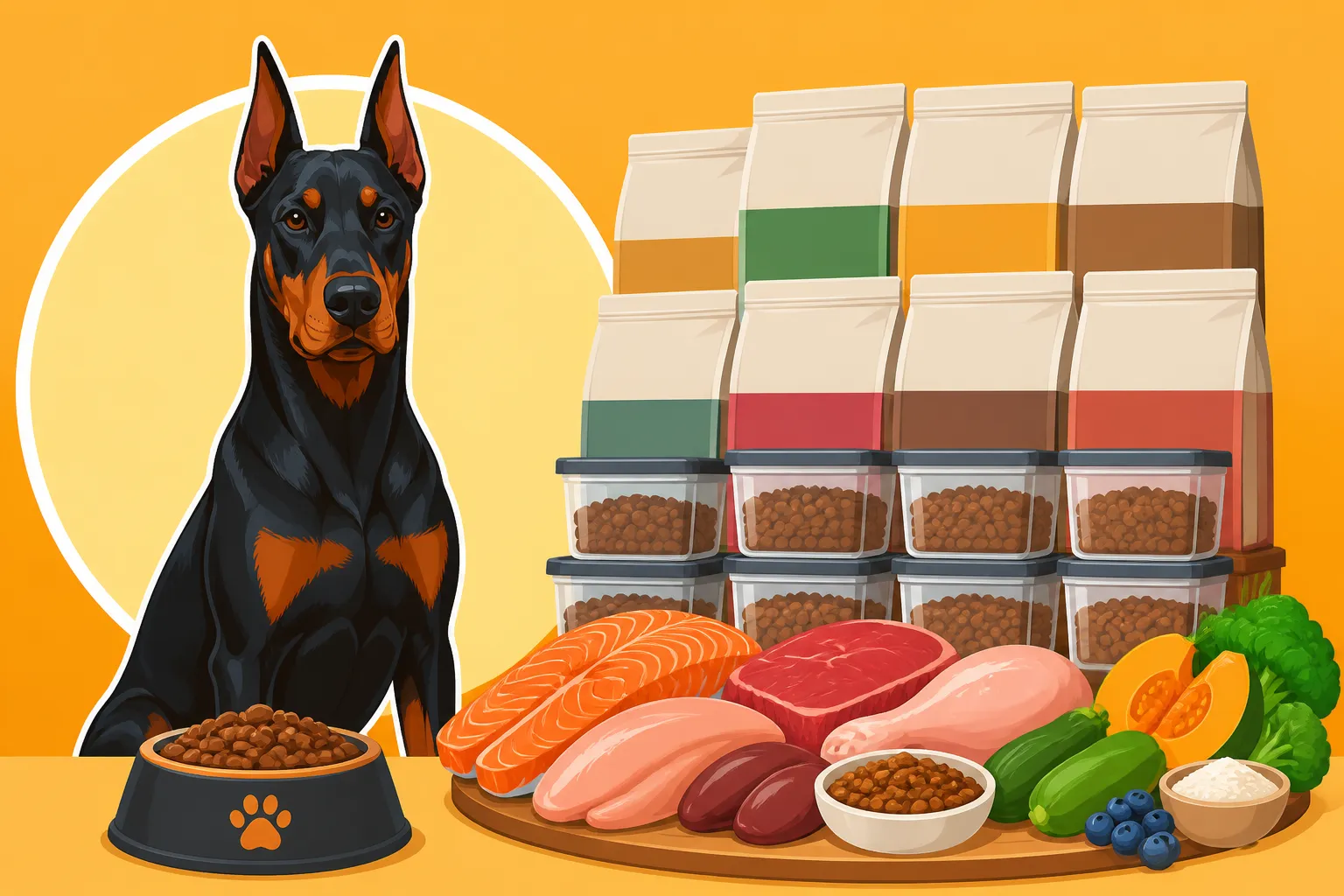
For many Doberman owners, premium kibble strikes the right balance between nutrition, convenience, and cost. When we talk about premium kibble, we're generally looking at brands that use high-quality animal proteins as the primary ingredient, avoid excessive fillers, and often include beneficial supplements like prebiotics, probiotics, and omega fatty acids. A standard 30-pound bag of premium kibble might last an 80-pound Doberman for about 2.5 to 3 weeks, depending on their exact caloric needs. This means you'll likely be buying at least one, if not two, large bags per month.
The cost for these brands can range significantly. A mid-tier premium kibble might cost you anywhere from $60 to $90 per 30-pound bag. High-end, boutique kibbles with novel proteins or specialized formulas can easily push that to $100-$120 per bag. So, for an 80-pound Doberman, you're realistically looking at $120-$240 per month just for kibble. Brands like Orijen, Acana, Taste of the Wild, and Canidae often fall into this premium category. You can often find great deals and have large bags delivered right to your door through online retailers like Chewy, which can be a huge convenience when you're stocking up on heavy bags of food. When choosing, be mindful of discussions around The Grain-Free Question in a Doberman's Bowl, as current veterinary science suggests careful consideration of grain-free diets.
Fresh and Gently Cooked Diets
The trend of fresh, gently cooked dog food has exploded in popularity, appealing to owners who want human-grade ingredients and minimal processing. These diets typically come in pre-portioned meals delivered to your door, offering convenience and transparency about what your Doberman is eating. The appeal is strong: real meat, vegetables, and often a visible reduction in digestive issues or improvements in coat quality.
However, this comes at a significantly higher price point. For an 80-pound Doberman, feeding a fresh diet can be quite an investment. Companies like Ollie, for instance, create custom meal plans based on your dog's weight, age, and activity level. To feed an 80-pound Doberman exclusively on a fresh diet, you could be looking at costs anywhere from $300 to $600 per month or more, depending on the specific recipe and portioning. The convenience is unmatched, as the food arrives frozen or refrigerated and ready to serve, but the financial commitment is substantial. It's a fantastic option if your budget allows, offering peace of mind about ingredient quality, but it's often the most expensive route.
Raw or BARF Diets
Raw, or Biologically Appropriate Raw Food (BARF), diets aim to mimic the ancestral diet of canids, consisting of raw meat, bones, organs, and some fruits and vegetables. Proponents believe it leads to superior health, better digestion, and improved dental hygiene. The cost here can vary wildly depending on whether you're sourcing ingredients yourself or buying pre-made, commercially available raw food.
- DIY Raw: If you're buying raw meat, organs, and bones from local butchers or grocery stores, the cost can be lower than commercial raw, but it demands a deep understanding of canine nutrition to ensure it's balanced. You're buying individual components, weighing them, and mixing them yourself. This requires a significant time commitment and careful calculation to avoid nutrient deficiencies, which can be particularly risky for a large, growing breed or a Doberman with specific health concerns. The monthly cost here could be $150-$400, but the knowledge and effort required are high.
- Commercial Raw: Pre-made raw diets from companies like Stella & Chewy's or Primal Pet Foods offer convenience and are typically formulated to be nutritionally complete. They come in patties, nuggets, or crumbles. For an 80-pound Doberman, these can be just as expensive, if not more, than fresh cooked diets. Expect to pay anywhere from $350 to $700+ per month for commercial raw food, depending on the brand and how much you feed. While many Doberman owners swear by raw feeding, it's a decision that requires thorough research and often consultation with a veterinary nutritionist, especially to ensure complete and balanced nutrition.
Home-Cooked Meals (Veterinarian-Formulated)
A truly balanced home-cooked diet isn't just about throwing leftovers into a bowl; it requires careful formulation by a veterinary nutritionist to ensure it meets all of your Doberman's nutritional needs. This isn't a casual endeavor, as deficiencies in essential vitamins or minerals can lead to serious health problems over time. The initial cost might involve a consultation fee with a nutritionist, who will help you develop recipes tailored to your Doberman's specific requirements.
Once you have a balanced recipe, the monthly cost comes from purchasing high-quality human-grade ingredients: lean meats, specific vegetables, grains, and often a vitamin/mineral supplement to ensure completeness. While it offers immense control over ingredients, the overall cost often rivals or even exceeds that of commercial fresh food diets. For an 80-pound Doberman, expect the ingredients alone to cost somewhere in the range of $250-$500 per month, plus the initial consultation and ongoing supplement costs. This option is often chosen for Dobermans with severe allergies, sensitive stomachs, or other specific health issues where commercial foods aren't suitable, allowing owners to meticulously control every single ingredient that goes into their dog's bowl.
Factors Influencing Your Monthly Food Budget
Beyond the base type of food, several other elements can sway your monthly Doberman food budget. Being aware of these can help you make more informed decisions and potentially find ways to save without sacrificing quality.
Brand Loyalty vs. Ingredient Quality
It’s easy to get caught up in brand names, but for a Doberman, focusing on ingredient quality over sheer brand loyalty is key. Some smaller, lesser-known brands might offer excellent quality for a slightly lower price point than the big-name players. Conversely, a very expensive brand doesn't automatically mean it's the best for your Doberman. Learning to read dog food labels is a superpower for Doberman owners. Look for named meat sources (e.g., "chicken meal" rather than "meat meal"), whole grains or vegetables as carb sources, and natural preservatives. Avoid artificial colors, flavors, and excessive fillers.
Sometimes, sticking with a consistent, reputable brand that works well for your Doberman is worth a few extra dollars to avoid digestive upsets or nutritional imbalances that can lead to costly vet visits down the line. However, always be open to comparing labels and not just prices. A slightly cheaper food that requires you to feed more cups per day to meet caloric needs might not actually save you money.
Where You Buy Your Doberman's Food
The retail channel you choose can significantly impact how much you pay.
- Local Pet Stores: These can be great for personalized advice and supporting local businesses, but prices might be higher. They often have loyalty programs or special sales that can help offset this.
- Big Box Pet Stores (e.g., Petco, PetSmart): Offer a wider selection and competitive pricing, especially if you sign up for their loyalty programs or use coupons.
- Online Retailers (e.g., Chewy, Amazon): Often have the most competitive prices, especially for bulk purchases, and the convenience of home delivery is invaluable for heavy Doberman food bags. Chewy, for example, frequently offers discounts for setting up auto-shipments, which can shave 5-10% off your monthly bill. This is particularly helpful for consistent, large-volume purchases.
- Subscription Services (e.g., Ollie): If you opt for fresh or raw food, subscription models from companies like Ollie usually offer a set price based on your dog's needs and deliver regularly. This offers predictability but less flexibility for price shopping.
Buying in bulk when sales hit, or utilizing auto-ship discounts, are excellent strategies for keeping costs down without compromising on the quality of your Doberman's food. Just make sure you have adequate, cool storage space for those massive bags!
Age, Health, and Special Dietary Needs
Your Doberman's life stage and health status can dramatically alter their food budget.
- Puppies: Doberman puppies grow incredibly fast and require specific nutrition to support their rapid development without growing too quickly. Puppy formulas are often denser in calories and specific nutrients. Feeding a Doberman puppy through their rapid growth period means specific food needs, as detailed in Puppy Food Costs Through a Doberman's Growth, and these foods can sometimes be more expensive per pound than adult formulas.
- Senior Dobermans: As Dobermans age, their metabolism can slow, and they might become less active. They may require fewer calories to maintain weight, or conversely, need higher quality, easily digestible proteins to combat muscle loss. Softened meals might become necessary. You'll want to adjust their diet accordingly, perhaps switching to a senior-specific formula or considering Feeding an Old Doberman That Is Losing Muscle.
- Health Conditions: This is where costs can really jump. If your Doberman develops conditions like Dilated Cardiomyopathy (DCM), which is unfortunately common in the breed (The Heart Disease That Reaches Most Dobermans), or other issues like kidney disease, allergies, or copper storage disease (Copper Liver Disease in Doberman Females), they might require expensive prescription diets. For example, a Doberman with specific liver issues might need Low-Copper Feeding for a Doberman, which typically involves a specialized, often veterinary-exclusive, diet. These prescription foods are significantly more expensive than regular commercial diets and can add $50-$150+ per month to your food bill.
Treats, Toppers, and Supplements
While not technically "food," the extras you give your Doberman absolutely add up.
- Training Treats: Dobermans are intelligent and highly trainable, so treats are often a daily staple. If you're doing regular training, you'll go through a lot. Choosing healthy, low-calorie options or even using a portion of their daily kibble as treats can help manage costs. You can find more ideas in Treats That Fit a Doberman's Daily Ration.
- Dental Chews: To help keep those Doberman teeth clean, dental chews are popular, but they're another recurring expense. Consider Dental Chews Sized for a Doberman to make sure they're appropriate and effective.
- Supplements: Many Doberman owners opt for joint supplements (like glucosamine and chondroitin for a long-backed breed, as discussed in Whether Joint Supplements Help a Long-Backed Doberman), fish oils for coat health, or even specific heart supplements, particularly as the Doberman approaches The Age Doberman Heart Disease Usually Starts. These can add anywhere from $20-$60+ per month to your total. While not food, they become a regular part of their "dietary" regimen.
Calculating Your Estimated Monthly Costs
Putting it all together, the range for feeding an 80-pound Doberman can be quite broad. Being prepared for these costs is a critical part of responsible Doberman ownership.
A Realistic Breakdown for Different Budgets
To give you a clearer picture, here's a table summarizing estimated monthly costs for an 80-pound Doberman based on different food choices. Please remember these are estimates and can fluctuate based on specific brands, your location, and individual dog needs.
| Food Type | Estimated Monthly Cost Range | Key Considerations |
|---|---|---|
| Budget Kibble | $80 – $120 | Lower quality ingredients, often higher fillers. May require feeding more volume. Not generally recommended for Dobermans due to high nutritional needs. |
| Mid-Range Premium Kibble | $120 – $180 | Good quality animal protein as first ingredient, balanced nutrition. Easily accessible. Often found at online retailers like Chewy. |
| High-End Premium Kibble | $180 – $240 | Specialized formulas, novel proteins, often includes additional supplements. Excellent choice for most Dobermans, especially active ones. |
| Fresh/Gently Cooked Diets | $300 – $600+ | Human-grade ingredients, delivered fresh. Highly digestible. Can greatly improve coat and digestion. Examples like Ollie. High convenience, but also high cost. |
| Commercial Raw Diets | $350 – $700+ | Pre-made, balanced raw meals. High protein and fat content. Can be excellent but requires careful handling and storage. Can be very expensive depending on brand and volume. |
| Vet-Formulated Home-Cooked | $250 – $500+ | Custom recipes developed by a veterinary nutritionist. Requires significant time for preparation and careful sourcing of ingredients. Best for specific health needs, but high time and ingredient cost. Does not include initial nutritionist consultation fee. |
| Prescription Diets | Add $50 – $150+ | Required for specific medical conditions. Often sold through veterinarians or specialty pet pharmacies. Adds significantly to any base food cost. |
| Treats & Supplements | Add $20 – $80+ | Variable based on frequency of treats, type of chews, and chosen supplements (e.g., joint care, fish oil). |
As you can see, the overall monthly outlay can range from a budget-conscious $100-$150 to a premium $700+ if you opt for fresh/raw and include supplements. This is just one component of What a Doberman Costs Month to Month, so always factor in other expenses as well.
Tips for Managing Your Doberman Food Budget
Feeding a Doberman well doesn't have to break the bank, but it does require smart choices.
- Buy in Bulk & Utilize Auto-Ship: If your Doberman thrives on a specific kibble, buying the largest bags available often offers a better price per pound. Many online retailers, like Chewy, provide discounts for setting up recurring auto-shipments, which can save you a good chunk of change over the year and ensure you never run out.
- Look for Sales and Loyalty Programs: Keep an eye out for sales at local pet stores or online. Signing up for email newsletters from your preferred brands or retailers can alert you to promotions.
- Consider Quality Over Price (But Be Smart): While you shouldn't cut corners on quality for a Doberman, you don't necessarily need the most expensive food on the market. Do your research, compare ingredient lists, and read reviews. Sometimes, a lesser-known brand offers comparable quality to a premium one at a slightly better price.
- Homemade Treats and Portion Control: Instead of buying expensive store-bought treats, consider making your own simple, healthy options (e.g., baked sweet potato slices, boiled chicken breast). Also, be mindful of how many treats you're giving. It's easy for treats to add calories and cost without you realizing it. Make sure treats are part of your Doberman's overall Treats That Fit a Doberman's Daily Ration and not just extra calories.
- Consult Your Vet for Supplements: Before adding a multitude of supplements, discuss them with your veterinarian. They can advise which, if any, are truly beneficial for your Doberman's age, activity level, and health status, helping you avoid unnecessary purchases.
- Proper Storage: Store kibble in an airtight container in a cool, dry place to prevent spoilage and keep it fresh. This ensures you're not throwing away food and getting the most out of every bag.
- Avoid Free-Feeding: Not only does free-feeding increase the risk of bloat in deep-chested breeds like Dobermans (Why a Doberman's Narrow Deep Chest Twists), but it also makes it harder to monitor consumption and can lead to overeating. Stick to measured meals, ideally split into two or three servings per day (refer to Why a Doberman Is Never Fed One Big Meal).
Ultimately, investing in high-quality food for your Doberman is an investment in their long-term health and well-being. While the costs can seem daunting, a healthy, well-fed Doberman is a joy to live with and can potentially save you money on vet bills in the long run.
Disclaimer
This article is for general informational purposes only and does not constitute professional advice. Laws, prices and regulations vary by location and change over time. Consult a qualified professional for guidance on your specific situation.