Doberman Wobbler Surgery and the Bills That Follow
Watching your powerful, sleek Doberman suddenly stumble, drag a back paw, or stand with a lowered head is a terrifying experience that turns any owner’s world upside down. Cervical spondylomyelopathy, commonly known as Wobbler syndrome, is a devastating neurological condition that strikes this breed with heartbreaking frequency. This guide breaks down the full financial and logistical reality of diagnosing, operating on, and rehabilitating a Doberman with Wobbler syndrome so you can plan with clarity and confidence.
Understanding Doberman Wobbler Syndrome and Early Diagnostic Costs
Recognizing the Signs Before the Scan
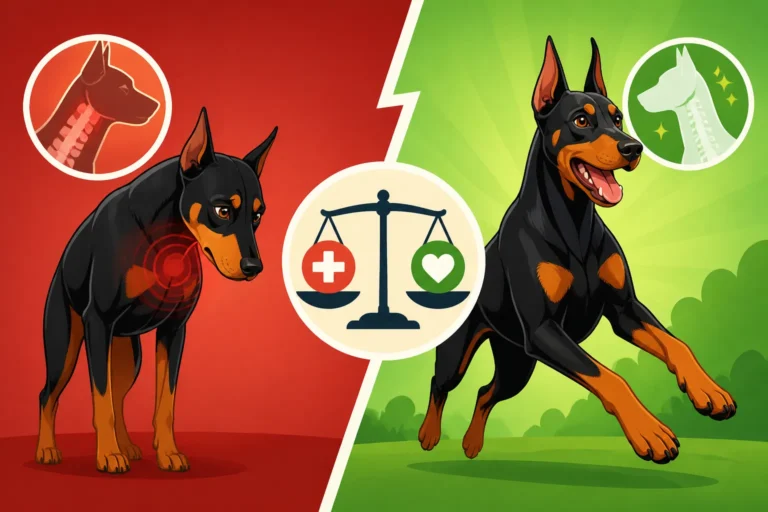
The onset of Wobbler syndrome in a Doberman often begins so subtly that even attentive owners mistake early warning signs for simple fatigue or minor joint stiffness. You might notice your dog scuffing the tops of their rear nails on the pavement during an evening walk, leaving distinct worn edges on the claw tips. As pressure on the spinal cord builds in the neck, that subtle drag develops into a floating, uncoordinated gait where the hind legs sway like a pendulum. Many dogs begin holding their neck low and rigid, refusing to shake their heads or lift their muzzle to greet you because extending the cervical spine causes sharp, radiating nerve pain.
In some Dobermans, the neurological deficits appear rapidly, transforming an agile athlete into a dog that struggles to rise from a hardwood floor over the course of a few days. In others, the disease follows a slow, stuttering progression with months of intermittent weakness punctuated by sudden flare-ups. Paying close attention to how your dog moves across different surfaces, how they carry their head, and whether they show apprehension when negotiating stairs provides critical context for your veterinarian. Catching these changes early offers the best opportunity to intervene before irreversible spinal cord damage takes hold.
If you observe these movement changes, consult a professional immediately to evaluate whether your dog is showing Scuffed Nails on a Wobbler Doberman or exhibiting A Doberman That Walks With Its Head Down.
Neurological Consultations and Physical Testing
When you report these movement changes to your primary veterinarian, the initial physical exam will focus on isolating the lesion to the neck. Your veterinarian will test conscious proprioception by flipping your dog’s paw back so the top of the foot rests against the floor. A healthy Doberman returns their foot to the normal position in a fraction of a second, whereas a dog experiencing spinal cord compression will leave their paw turned under, completely unaware of its placement. The vet will also check spinal reflexes, muscle tone in all four limbs, and palpate the neck to locate focal pain points.
Because general practice veterinarians often lack specialized equipment to evaluate intricate spinal diseases, they will typically refer you to a board-certified veterinary neurologist or orthopedic surgeon. A initial consultation with a specialist involves an in-depth neurological evaluation, a review of your dog’s medical history, and a tailored diagnostic plan. This consultation fee represents the entry point into a multi-stage diagnostic process, establishing a baseline score for your dog’s neurological function that will be used to measure progress or deterioration down the line.
The Cost Breakdown of Advanced Imaging (MRI and CT)
Standard digital X-rays are usually the first step to rule out obvious bone fractures, diskitis, or severe vertebral malformations, but they cannot show soft tissue compression on the delicate spinal cord. To pinpoint the exact location, severity, and nature of the spinal cord narrowing, your specialist will require advanced neuroimaging. Magnetic Resonance Imaging (MRI) is the gold standard for diagnosing Wobbler syndrome because it yields high-resolution images of intervertebral discs, hypertrophied ligaments, and spinal cord swelling or intrinsic signal changes.
Running an MRI on an eighty-pound Doberman requires full general anesthesia, dedicated veterinary anesthesiologist monitoring, and specialized imaging sequences centered on the neck. In some facilities, a Computed Tomography (CT) scan combined with a myelogram—where contrast dye is injected into the fluid space surrounding the spinal cord—is used instead of or alongside an MRI to evaluate bone architecture. The diagnostic phase represents a major upfront financial commitment, but obtaining a definitive scan is non-negotiable if you are considering surgical intervention. To understand how these scans work, read more about Scanning a Doberman for a Compressed Neck and review details on What a Doberman Neck MRI Costs.
Surgical Options and Initial Medical Expenses
Ventral Slot Surgery vs. Distraction Fusion Techniques
Once diagnostic imaging confirms spinal cord compression, the surgical team will present the procedures best suited to your Doberman’s specific structural issue. The choice of technique depends entirely on whether the compression is caused by a herniated intervertebral disc, bony malformation of the vertebral arches, or ligamentous hypertrophy. The most common procedure for disc-associated Wobbler syndrome is a ventral slot decompression, where the surgeon approaches the spine through the underside of the neck, creating a small window in the vertebral bodies to remove extruded disc material directly beneath the spinal cord.
For dogs suffering from dynamic lesions where instability between adjacent vertebrae causes recurring trauma, surgeons may recommend a distraction-fusion procedure. This complex approach involves inserting specialized spinal implants, bone grafts, or orthopedic screws and PMMA bone cement to lock the unstable vertebrae together and permanently relieve tension on the spinal cord. Each surgical approach demands extreme precision, specialized instrumentation, and a high level of surgical expertise, which directly influences the overall hospital invoice. Weighing surgical intervention requires evaluating Surgery Against Management for Doberman Wobblers alongside Whether Doberman Wobbler Surgery Works.
Breakdowns of Surgical Invoices and Hospital Stays
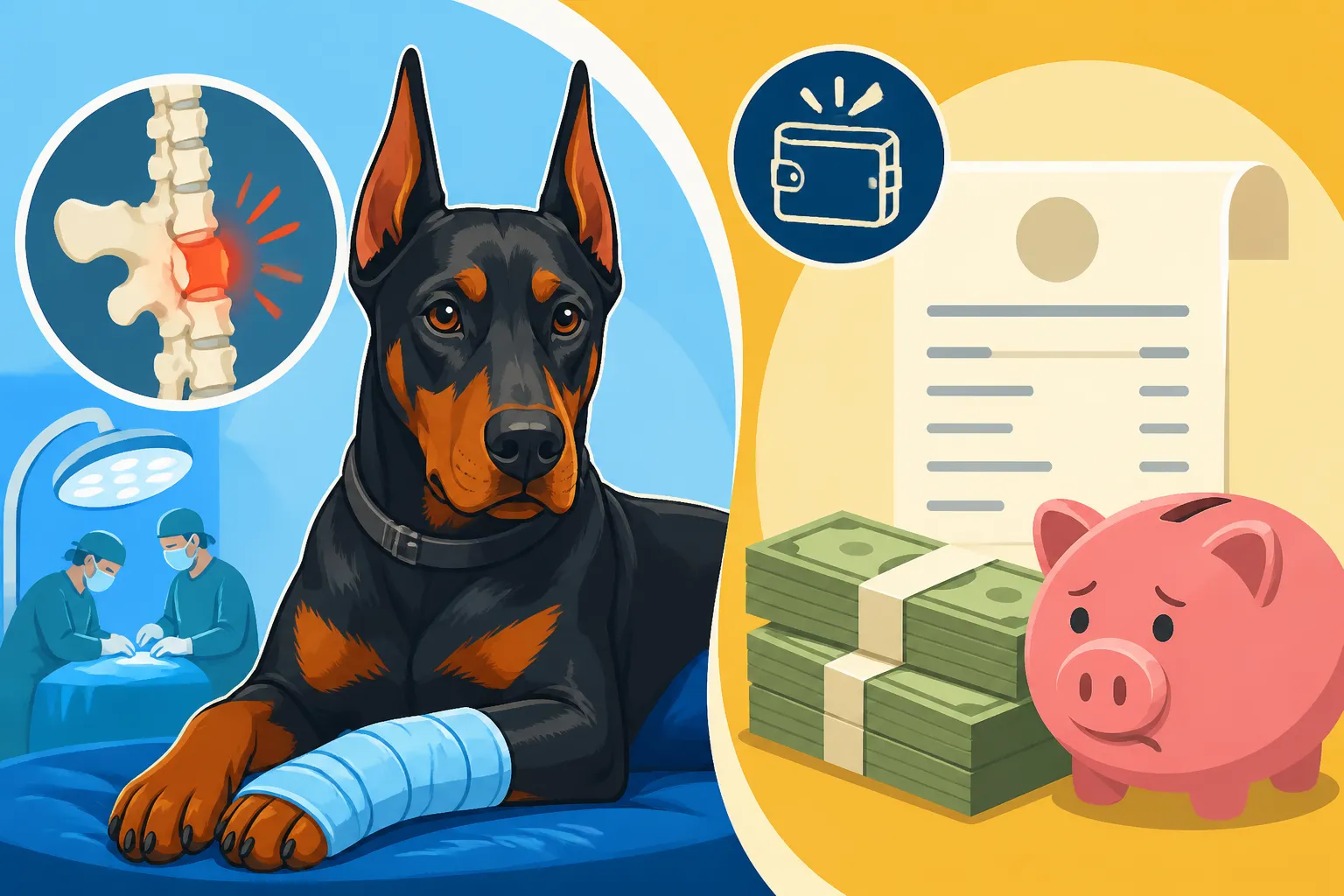
The bill for Wobbler surgery encompasses far more than just the time the surgeon spends operating. Your total hospital invoice reflects a comprehensive medical effort involving pre-operative blood panels, chest radiographs to screen for concurrent cardiovascular issues, advanced monitoring equipment, specialized surgical supplies, and post-operative ICU care. Dobermans undergoing neck surgery typically require a multi-day hospital stay where veterinary nurses administer continuous rate infusions of powerful pain medications and monitor neurological status around the clock.
During hospitalization, nursing care includes bladders management, frequent position changes to prevent pressure sores, and soft sling-assisted walks as your dog slowly regains motor control. If unexpected complications arise—such as delayed recovery from anesthesia, spinal cord swelling, or localized surgical site inflammation—the length of the hospital stay can extend by several days, steadily pushing the final bill higher. Understanding these variables helps you prepare for the true financial scope of the acute treatment phase. For a full breakdown of expected fees, examine Wobbler Surgery Prices for a Doberman.
Anesthesia and Intraoperative Complications Risks
Anesthetizing a Doberman presents distinct challenges that require careful management from the veterinary team. Dobermans are uniquely predisposed to subclinical cardiac conditions like dilated cardiomyopathy (DCM) and blood clotting disorders like von Willebrand’s disease. Before putting a Doberman under anesthesia for neck surgery, the surgical team must run pre-anesthetic screening, including electrocardiograms (ECG) and mucosal bleeding time tests, to ensure the heart and clotting factors can withstand a lengthy surgical procedure.
Intraoperative complications during spinal surgery can include sudden drops in blood pressure, cardiac arrhythmias, or hemorrhage from venous plexuses surrounding the spinal cord. Managing these unexpected events requires specialized emergency medications, blood products for transfusion if excessive bleeding occurs, and extended post-anesthetic monitoring. These safety protocols are essential for protecting your dog’s life, but they add distinct line items to your total surgical invoice that should be factored into your financial planning.
The Reality of Non-Surgical and Conservative Management Costs
Medical Management with Steroids and Anti-Inflammatories
Not every Doberman with Wobbler syndrome is a candidate for invasive spinal surgery. Factors like advanced age, concurrent severe heart disease, multiple non-contiguous compression sites, or financial limitations often lead owners to choose conservative medical management. The primary goal of medical management is to reduce inflammation around the compressed spinal cord and manage chronic pain, allowing the dog to maintain reasonable mobility for as long as possible.
This protocol typically centers on anti-inflammatory medications. Veterinarians often prescribe a tapering course of oral corticosteroids, such as prednisone, to rapidly reduce swelling along the spinal cord. Alternatively, non-steroidal anti-inflammatory drugs (NSAIDs) may be used in combination with neurogenic pain medications like gabapentin or pregabalin. Conservative therapy requires continuous pharmacological management, meaning you will face recurring monthly pharmacy costs for as long as the disease is managed. You can read more about this approach in Steroids and Rest for a Doberman Wobbler.
Supportive Gear, Harnesses, and Home Environment Modifications
Managing a mobility-impaired Doberman without surgery demands substantial changes to your physical living space and everyday handling routine. Neck collars must be permanently discarded, as any pressure on the neck can cause further spinal cord trauma; instead, a padded chest harness or a full-body mobility lift harness becomes an absolute necessity. These specialized harnesses allow you to support your dog’s hindquarters and trunk when they stand, walk, or navigate steps, protecting both your dog’s spine and your back from injury.
Home modifications can quickly add up as you adapt your living quarters to keep a unsteady eighty-pound dog safe. Hardwood, tile, and laminate floors turn into dangerous hazard zones for a dog with proprioceptive deficits, requiring you to cover walking corridors with non-slip runner rugs, interlocking foam tiles, or yoga mats. Ramp installations for entryway steps, orthopedic beds that prevent pressure sores, and elevated food and water bowls are essential investments. When sourcing these supplies online, retailers like Chewy offer a wide variety of orthopedic beds, non-slip booties, and support harnesses designed specifically for large-breed dogs recovering from spinal trauma.
Long-Term Monitoring and Follow-Up Diagnostics
Choosing non-surgical management does not mean eliminating veterinary involvement. Dogs on long-term steroid or NSAID therapy require routine monitoring blood panels every three to six months to evaluate liver and kidney function and check for gastrointestinal complications like ulceration. These checkups are essential for catching medication side effects early and adjusting dosages as your dog’s weight or clinical condition changes.
Additionally, Wobbler syndrome is inherently progressive when the underlying mechanical compression remains uncorrected. Your dog will need periodic neurological evaluations to track the decline or stabilization of their motor skills. If a sudden neurological slump occurs, follow-up imaging or emergency stabilization visits may be necessary, meaning conservative management carries its own ongoing, unpredictable financial commitments over time. To learn how to navigate these challenges, see Living With a Doberman That Cannot Walk Straight.
Post-Surgical Rehabilitation and Physical Therapy Bills
Professional Hydrotherapy and Underwater Treadmills
Surgical decompression frees the spinal cord from physical impingement, but the road to functional recovery is just beginning. Post-operative rehabilitation is vital for retraining nervous pathways, rebuilding muscle mass lost during periods of immobility, and restoring balance. Physical therapy usually begins as soon as the surgical incision heals, with underwater treadmill hydrotherapy serving as a cornerstone treatment for spinal patients.
The buoyancy of warm water supports your Doberman’s body weight, reducing stress on recovering vertebrae while allowing them to execute proper stepping motions without fear of falling. Certified canine rehabilitation practitioners guide the dog through controlled gait cycles, using water depth to vary weight-bearing loads and resistance. A typical rehabilitation program involves one to three sessions per week for several months, representing a significant recurring investment that plays a major role in your dog’s ultimate functional recovery. Read about the financial aspects of physical therapy in Rehabilitation Costs After Doberman Spinal Surgery.
Acupuncture, Laser Therapy, and Chiropractic Care
Complementary physical therapy modalities are frequently integrated into a Doberman’s recovery plan to manage residual pain, reduce tissue inflammation, and speed up nerve regeneration. Class IV cold laser therapy (photobiomodulation) is routinely applied over the surgical site and cervical spine to stimulate cellular repair and soothe tight, overcompensated muscles in the shoulders and front legs.
Canine electro-acupuncture is another widely used modality that helps stimulate nerve pathways and release natural endorphins, offering pain relief without putting extra stress on the liver or kidneys. Some owners also incorporate targeted, low-impact veterinary chiropractic adjustments or neuromuscular electrical stimulation (NMES) to prevent muscle atrophy in non-ambulatory dogs. While these therapies are non-invasive and generally well-tolerated, adding multiple therapeutic sessions to your weekly routine steadily increases your post-surgical care expenses.
Home Rehabilitation Equipment and Daily Exercise Regimens
Professional therapy sessions must be reinforced with a structured daily home exercise program to achieve optimal results. Your physical therapist will teach you targeted passive range-of-motion (PROM) exercises, gentle tail pulls, joint weight-shifting exercises, and balance board drills to perform two to three times daily. These home exercises ensure that nervous system stimulation remains constant throughout the week.
To execute these home routines effectively, you may need to purchase dedicated equipment, such as balance pods, inflatable peanut balls, tactile sensory mats, and therapy resistance bands designed for dogs. Investing time and resources into a structured home exercise area ensures your Doberman continues making steady neurological progress between formal therapy sessions.
Ongoing Care, Medication, and Dietary Support
Long-Term Pain Management and Anti-Inflammatory Prescriptions
Even after successful surgery or months of physical therapy, many Dobermans with Wobbler syndrome require ongoing pain management to maintain comfort and mobility. The cervical spine may retain localized stiffness, or secondary arthritis can develop at the surgical site or neighboring vertebral joints. Veterinarians often prescribe maintenance protocols involving low-dose anti-inflammatories, muscle relaxants like methocarbamol, or daily nerve-pain modulators like gabapentin.
Managing these daily prescription refills requires budgeting for recurring monthly pharmacy bills throughout your dog’s life. Prices vary depending on your dog’s weight, exact dosages, and whether you fill prescriptions through your veterinary clinic, local human pharmacies, or online supply channels like Chewy, where automated delivery options can help lower routine medication costs.
Nutritional Adjustments and High-Quality Diets
Maintaining a healthy body weight is critical for a Doberman managing Wobbler syndrome. Carrying extra weight places unnecessary stress on the spine, accelerates joint degeneration, and makes sling-assisted walks significantly harder for you. Conversely, muscle wasting can occur rapidly when a dog’s mobility is restricted, making high-protein, nutrient-dense nutrition essential for preserving lean muscle mass and supporting nerve recovery.
Transitioning your dog to a fresh, gently cooked diet like Ollie can provide high-quality protein sources, balanced amino acids, and essential fatty acids that support lean muscle retention and overall health during recovery. Additionally, integrating joint supplements containing glucosamine, chondroitin, omega-3 fatty acids, and green-lipped mussel extract helps protect neighboring spinal joints and peripheral articular cartilage from wear and tear.
Daily Hygiene, Skin Care, and Incontinence Management
When a severe Wobbler case reduces mobility or leaves a Doberman temporarily non-ambulatory, daily hygiene care becomes a central focus for owners. Dogs that spend long periods lying down are highly susceptible to developing pressure sores (decubitus ulcers) over bony prominences like elbows, hips, and hocks. Preventing these painful sores requires purchasing thick orthopedic memory foam beds, turning the dog every two to four hours, and applying barrier creams to vulnerable skin.
Neurological deficits can also impair bladder and bowel control, requiring manual bladder expression or the use of absorbent belly bands, dog diapers, and disposable underpads. Keeping a large Doberman clean and dry demands dedicated effort and ongoing purchases of wet wipes, waterless shampoos, laundered bedding, and skin protectants. Managing these daily hygiene needs represents a continuous commitment of time, energy, and resources.
Navigating Pet Insurance and Financial Planning for Wobbler Cases
How Pet Insurance Handles Wobbler Syndrome
Securing pet insurance before any signs of neurological disease appear is the single best way to protect yourself from the high costs of Wobbler diagnostics and surgery. A comprehensive policy can cover a significant portion of diagnostic imaging, neurosurgery, hospital stays, and post-operative physical therapy, turning a financially overwhelming crisis into a manageable situation.
When choosing a provider, look closely at coverage options for congenital and hereditary conditions, chronic disease care, and post-surgical rehabilitation therapies. Companies like Healthy Paws offer policies that can help offset the severe financial impact of major spinal surgeries, provided the policy is active before symptoms emerge. Having reliable coverage lets you focus on your dog’s health and recovery rather than worrying about the immediate financial strain of life-saving care.
Managing Pre-Existing Condition Exclusions
The most challenging aspect of using pet insurance for Wobbler syndrome is the strict enforcement of pre-existing condition exclusions. If your Doberman shows any clinical signs—such as toe dragging, neck stiffness, or an unsteady gait—or if a vet notes movement abnormalities in their medical records before your policy’s waiting period ends, insurers will classify Wobbler syndrome as pre-existing and deny related claims.
This makes early enrollment critical. Attempting to switch insurance providers or sign up for a new policy after your dog shows subtle neurological symptoms will result in immediate exclusions for all spinal and neurological care. If you plan to insure a high-risk breed like the Doberman, enroll your dog as a puppy before any symptoms or medical notes exist on their record.
Building an Emergency Fund for Long-Term Neurological Care
Given the likelihood of pre-existing condition exclusions or out-of-pocket costs like deductibles and copays, building a dedicated emergency fund is essential for every Doberman owner. Setting aside a regular monthly amount in a high-yield savings account creates a dedicated financial cushion for unexpected medical crises, whether you use it to cover an MRI deductible or manage long-term physical therapy expenses.
An emergency fund also gives you flexibility when deciding between surgical options, physical therapy regimens, and adaptive home equipment. Knowing you have resources set aside prevents you from making tough medical choices based purely on immediate financial stress, allowing you to prioritize your dog’s comfort, safety, and long-term quality of life.
Summary Table of Estimated Wobbler Syndrome Expenses
The following table provides a breakdown of common diagnostic, surgical, conservative management, and rehabilitation expenses associated with Doberman Wobbler syndrome. These cost shapes reflect typical ranges across urban specialist clinics and emergency veterinary hospitals.
| Care Category | Typical Cost Range | Frequency / Schedule | Key Line Items Included |
|---|---|---|---|
| Specialist Diagnostic Phase | High ($2,500 – $5,000) | Upfront / Initial Diagnosis | Neurologist consult, cervical MRI/CT scan, anesthesia, bloodwork, pre-scan X-rays |
| Surgical Intervention | Very High ($6,000 – $12,000+) | One-time acute event | Ventral slot/fusion surgery, anesthesia, 2–4 day ICU stay, IV meds, nursing care |
| Non-Surgical Management | Moderate ($150 – $450) | Monthly recurring | Steroids/NSAIDs, gabapentin, routine monitoring bloodwork, checkups |
| Physical Rehabilitation | Moderate to High ($100 – $250) | Per session (1–3x/week for 2–3 months) | Underwater treadmill, hydrotherapy, laser therapy, electro-acupuncture |
| Home & Mobility Support Gear | Moderate ($200 – $600) | Initial setup / One-time | Full-body support harness, non-slip flooring runners, ramps, orthopedic beds |
| Long-Term Hygiene & Care | Low to Moderate ($50 – $150) | Monthly recurring | Incontinence pads, belly bands, skin barrier creams, medicated wipes, extra bedding |
Making the Decision: Quality of Life and Financial Realities
Assessing Neurological Progress and Recovery Expectations
Deciding how to treat a Doberman with Wobbler syndrome requires an honest assessment of your dog’s clinical progression and likely recovery trajectory. Surgery offers the best chance of stopping disease progression and restoring mobility, but it is not a guaranteed cure. Recovery depends heavily on the severity of spinal cord damage before surgery, the age of the dog, and whether single or multiple compression sites were present.
Some Dobermans make a remarkable recovery after surgery, regaining comfortable ambulatory function within a few months. Others may experience permanent neurological deficits, remaining slightly unsteady on their feet or requiring lifelong sling assistance for stairs and slick surfaces. Tracking functional progress through objective milestones—such as the ability to stand unassisted, hold their head up during meals, or walk short distances without scuffing their nails—helps you evaluate whether the chosen treatment plan is delivering a meaningful quality of life.
Emotional and Physical Toll on the Owner
Caring for a large, mobility-impaired Doberman places a heavy emotional and physical strain on owners that is often overlooked during initial treatment discussions. Lifting, balancing, and assisting an eighty-pound dog multiple times a day requires significant physical strength and endurance. If your dog is non-ambulatory, you will need to help them change positions every few hours, assist with elimination, and manage their daily hygiene routine, which can quickly disrupt your work schedule and sleep patterns.
The emotional toll of watching a once-athletic guardian struggle with basic movements can be deeply distressing. Caregiver burnout is a real challenge in long-term neurological cases, making it essential to evaluate your personal support system, daily schedule, and physical capability before committing to an intensive post-surgical or non-surgical care plan. Seeking help from family members, professional pet sitters, or rehabilitation assistants can help ease the daily load.
Knowing When to Transition Care Strategies
Throughout your dog’s journey with Wobbler syndrome, it is crucial to maintain an open dialogue with your veterinarian and neurologist regarding quality-of-life boundaries. If conservative medical management no longer controls your dog’s pain, or if a post-surgical patient experiences severe neurological decline that compromises their ability to rest, eat, or eliminate comfortably, it may be time to reassess your overall care strategy.
Palliative care focuses on maximizing comfort through adjusted medication schedules, soft bedding, and gentle touch when active rehabilitation or curative interventions are no longer viable. Ensuring your Doberman remains free from severe pain and distress is the ultimate goal of any care plan. By balancing medical recommendations with your dog’s daily comfort and your own financial and personal resources, you can make compassionate, informed decisions every step of the way.
Disclaimer
This article is for general informational purposes only and does not constitute professional advice. Laws, prices and regulations vary by location and change over time. Consult a qualified professional for guidance on your specific situation.