What It Costs to Confirm Doberman Liver Disease
It’s a truly frightening moment when your beloved Doberman starts showing signs that something isn't right with their liver. Maybe their energy levels are dipping, their appetite isn't what it used to be, or you've noticed a strange yellow tinge to their eyes or gums. The worry is immediate and overwhelming, and often, the first thought after concern for their health is, "What is this going to cost to figure out?" This guide is here to walk you through the diagnostic journey for suspected Doberman liver disease, detailing the typical steps involved and the types of costs you can expect at each stage.
Initial Veterinary Assessment and Screening Bloodwork
When you first notice symptoms, your primary care veterinarian is your first port of call. They'll start with a thorough physical exam, feeling your Doberman’s abdomen, checking their gums for jaundice, and listening to their heart and lungs. This initial visit is crucial for gathering basic information and ruling out other common issues.
The Consultation Fee
Every veterinary visit begins with a consultation fee. This covers the vet's time, expertise, and the initial physical examination. While this is a standard charge for any visit, it's the foundation upon which all further diagnostics are built. Think of it as the gatekeeper to understanding what's going on inside your Doberman. If you have an existing relationship with your vet, they might already have a good baseline for your Doberman's normal health, which can be invaluable.
Routine Blood Tests for Liver Function
Following the physical exam, the vet will almost certainly recommend a comprehensive blood panel. This isn't just a generic blood test; it’s specifically designed to look for markers that indicate liver distress or damage. We’re talking about tests like alanine aminotransferase (ALT), alkaline phosphatase (ALP), gamma-glutamyl transferase (GGT), and bilirubin. Elevated levels of these enzymes can strongly suggest liver inflammation or disease. However, it's important to remember that these are indicators, not definitive diagnoses of the type of liver disease. Sometimes, even non-liver issues can cause slight elevations, which is why further investigation is often needed. These initial blood tests represent a moderate expense but are absolutely essential for directing the next steps. For more on what these numbers mean, you might find Liver Enzyme Results in a Doberman helpful.
Urinalysis and Other Basic Tests
Alongside bloodwork, a urinalysis is often performed. This simple test can provide additional clues about kidney function, hydration, and can sometimes reveal bile pigments that correlate with liver issues. Depending on your Doberman's symptoms, your vet might also recommend other basic tests, like a fecal exam if digestive upset is a prominent symptom. These additional tests are generally smaller costs but contribute to building a complete picture of your dog's overall health and helping to pinpoint the source of the problem.
Advanced Diagnostic Imaging
Once the initial bloodwork points strongly toward liver involvement, the next step is often to get a better look at the liver itself. This is where diagnostic imaging comes into play, moving beyond what blood tests can tell us about function to what we can see physically about the organ's structure.
Abdominal Ultrasound
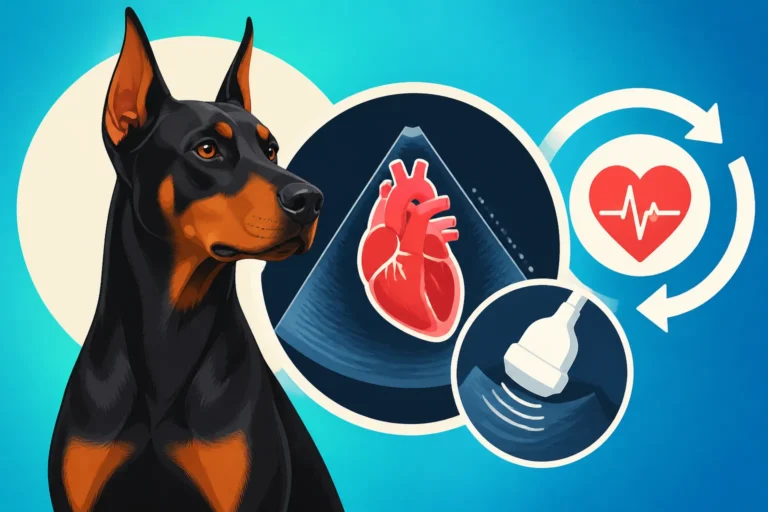
An abdominal ultrasound is perhaps the most common and valuable next step in diagnosing Doberman liver disease. This non-invasive procedure allows a veterinarian, or ideally a veterinary radiologist, to visualize the liver in detail. They can assess its size, shape, texture, and look for any masses, cysts, or changes in the gallbladder. Critically, an ultrasound can also reveal if there's any fluid buildup in the abdomen or if other organs are affected. The cost for an abdominal ultrasound is usually a significant expense, especially if performed by a board-certified specialist, but it provides crucial information that blood tests simply cannot. It helps differentiate between various liver conditions, such as chronic hepatitis, cirrhosis, or even tumors. Understanding How Many Dobermans Have Silent Liver Disease can highlight why early imaging can be so important.
X-rays and Advanced Imaging Options
While ultrasound is often preferred for soft tissue like the liver, X-rays might be used to get a general overview of the abdominal cavity, looking for organ displacement or large masses that might suggest advanced disease. However, X-rays aren't as detailed for the liver itself. In some complex cases, especially if a mass is detected and surgical planning is considered, more advanced imaging like a CT scan might be recommended. CT scans offer a cross-sectional view with even greater detail than ultrasound, but they come with a substantially higher cost and usually require referral to a specialty center. These are typically reserved for situations where the initial ultrasound is inconclusive or when preparing for an invasive procedure.
The Definitive Diagnosis: Liver Biopsy and Histopathology
While blood tests and imaging can strongly suggest liver disease, a definitive diagnosis, especially for specific conditions like chronic active hepatitis or copper storage disease, often requires a liver biopsy. This is where a small piece of liver tissue is collected and sent to a lab for microscopic examination.
The Biopsy Procedure
A liver biopsy can be performed in a few ways, each with different associated costs and risks.
- Needle Biopsy (Ultrasound-Guided): This is often the least invasive option. Under sedation or general anesthesia, a thin needle is guided by ultrasound to collect small tissue samples. This method is less costly than surgical options but carries the risk of obtaining insufficient or unrepresentative samples.
- Laparoscopic Biopsy: This minimally invasive surgical procedure involves making small incisions and inserting a camera (laparoscope) to visualize the liver and take samples. It offers better visualization than a needle biopsy and allows for multiple samples from different areas but is more expensive than a needle biopsy.
- Open Surgical Biopsy: This is the most invasive option, requiring full abdominal surgery. It allows the vet to directly visualize the entire liver, take large, multiple samples, and address any other issues observed during surgery. This is the most costly option due to the extensive anesthesia, surgical time, and post-operative care.
Regardless of the method, the procedure will include costs for anesthesia, the procedure itself, and often an overnight stay for monitoring. The specific method chosen depends on your Doberman's overall health, the suspected diagnosis, and your vet's recommendation. For a detailed discussion, consider reading Liver Biopsy in a Doberman.
Histopathology and Lab Fees
Once the tissue samples are collected, they are sent to a specialized veterinary pathology lab. Here, a veterinary pathologist will examine the tissue under a microscope, looking for cellular changes, inflammation, copper deposits, or signs of cancer. This histopathological analysis is critical for a definitive diagnosis and often for determining the specific type and severity of liver disease. The lab fees for this specialized analysis are a separate, notable expense. They are paying for highly trained expertise to interpret the microscopic details that unlock the puzzle of your Doberman's liver health. For a breed like the Doberman, prone to specific issues like Copper Liver Disease in Doberman Females, this step is paramount.
Post-Diagnosis and Management Planning
Receiving a diagnosis can be a relief, but it also marks the beginning of a new phase: management. The costs don't necessarily stop at diagnosis, but shift towards ongoing care and treatment.
Prognosis and Treatment Plan Discussion
After the biopsy results are in, you'll have a detailed consultation with your veterinarian or a specialist (if referred to one). This discussion will cover the specific diagnosis, the prognosis, and the recommended treatment plan. This plan might include dietary changes, medication, or ongoing monitoring. This consultation itself incurs a fee, but it's essential for understanding how to best support your Doberman moving forward.
Initial Medication and Dietary Changes
Depending on the diagnosis, your Doberman might be prescribed various medications. For conditions like chronic hepatitis, anti-inflammatory drugs, antioxidants, or liver support supplements may be necessary. If copper storage disease is confirmed, chelating agents to remove excess copper might be prescribed. These medications can be a recurring expense. Additionally, special prescription diets, often low in copper, are commonly recommended for Dobermans with liver disease. Brands like Purina Pro Plan Veterinary Diets or Royal Canin Veterinary Diet offer specialized formulas that you might find on platforms like Chewy, but they are generally more expensive than regular commercial foods. Making dietary changes is a key part of management, as detailed in Low-Copper Diets for a Doberman.
Monitoring and Follow-Up Costs
Liver disease often requires long-term management and regular monitoring. This means repeat blood tests to check liver enzyme levels and monitor the effectiveness of treatment. Sometimes, repeat ultrasounds might be recommended to assess changes in liver size or structure. These follow-up visits and tests become ongoing costs but are vital for adjusting treatment as needed and ensuring your Doberman's quality of life. The frequency of these check-ups will depend on the severity of the disease and how well your Doberman responds to treatment.
Pet Insurance Considerations
The costs associated with diagnosing and managing Doberman liver disease can add up quickly. This is where pet insurance can be a huge help. If you have a policy that covers unexpected illnesses and you enrolled your Doberman before any symptoms or diagnoses of liver disease appeared, many of these diagnostic and treatment costs could be significantly reimbursed. Companies like Healthy Paws offer comprehensive plans that could alleviate some of the financial burden of these complex and often long-term conditions. It's crucial to understand your policy's specifics, including deductibles and reimbursement rates. If you're considering insurance, it's generally best to enroll a Doberman when they are young and healthy, as pre-existing conditions are typically not covered.
Here's a general overview of the typical diagnostic steps and their approximate cost impact:
| Diagnostic Stage | Type of Test(s) | General Cost Impact | What It Reveals |
|---|---|---|---|
| Initial Assessment | Physical Exam, Consultation | Low to Moderate | Overall health, initial symptoms, guides next steps |
| Screening Bloodwork | Comprehensive Blood Panel, Urinalysis | Moderate | Liver enzyme levels, general organ function, signs of distress |
| Advanced Imaging | Abdominal Ultrasound | Significant | Liver size, shape, texture, presence of masses/cysts, other organ involvement |
| Definitive Diagnosis | Liver Biopsy (Needle, Laparoscopic, Surgical) | High to Very High | Specific type of liver disease, cellular changes, copper levels |
| Pathology Analysis | Histopathology Lab Fees | Moderate to Significant | Microscopic confirmation of disease, guides specific treatment |
| Post-Diagnosis & Management | Follow-up consults, Medications, Prescription Diet | Recurring/Ongoing | Treatment effectiveness, long-term health management |
Diagnosing liver disease in a Doberman can be a journey, not a single event. It often involves a series of tests, each building on the last, to arrive at a precise diagnosis. Being prepared for these steps and understanding the associated costs can help you make informed decisions for your cherished Doberman. If you’re ever curious about personalized nutrition for your Doberman, and how diet can support their health, some owners explore options like Ollie, which offers fresh, customized meal plans that can be tailored with vet guidance.
Disclaimer
This article is for general informational purposes only and does not constitute professional advice. Laws, prices and regulations vary by location and change over time. Consult a qualified professional for guidance on your specific situation.