How Long a Rehomed Doberman Takes to Attach
Bringing a rehomed Doberman into your life is an incredible act of kindness, but it often comes with a unique set of worries. You might be wondering if they'll ever truly feel safe, if they'll bond with you as deeply as a puppy raised from eight weeks, or how long it will take for them to settle into your family and truly be themselves. This guide aims to shed light on the attachment process, offering realistic expectations and practical advice for helping your new Doberman thrive.
The "Rule of Threes": A Common Framework for Doberman Adjustment
When you welcome a rehomed Doberman into your home, it’s not always sunshine and immediate snuggles. These intelligent, sensitive dogs often carry a history that shapes their initial reactions, and expecting them to instantly understand their new world isn't fair. Many experienced rescue owners and trainers refer to the "Rule of Threes" as a general guideline for how dogs, especially Dobermans, adjust to a new environment. It’s a helpful framework, but remember, every dog is an individual, and your Doberman might follow a slightly different path. The key is patience, consistency, and a whole lot of empathy.
The First Few Days: Overwhelm and Observation
Imagine being dropped into a completely new place with new rules, new smells, new people, and no way to ask questions. That’s what your rehomed Doberman experiences in their first few days with you. During this initial period, often the first three days, your Doberman is likely to be overwhelmed, reserved, and primarily in observation mode. They might not eat much, drink sparingly, or even avoid eye contact. They are processing everything, trying to figure out if this new place is safe. Don't expect their true personality to shine through just yet; they are essentially in survival mode, assessing the landscape.
You might see them seeking out quiet corners, perhaps under a table or in their new crate if you've provided one. They might not respond to their new name immediately, or even seem to ignore you altogether. This isn't personal; it's a protective mechanism. They're trying to gather information without drawing too much attention to themselves. Keep interactions low-key, predictable, and positive. Avoid overwhelming them with too many new people or experiences. Think of yourself as a calm, consistent presence, offering food, water, and a safe space. A high-quality, comfortable bed from Amazon can make a huge difference in their feeling of security.
The First Few Weeks: Settling In and Showing Their True Colors
As those first few days turn into a couple of weeks, typically around the three-week mark, your Doberman will start to relax a bit more. They're beginning to understand the daily rhythm of your home – when meals happen, when walks occur, and who the main people are. You’ll likely see them start to come out of their shell, showing glimpses of their personality. This is often when some of their past training (or lack thereof) might become more apparent, and they might start testing boundaries.
You might notice more tail wags, a bit more curiosity, and perhaps even some hesitant attempts at play. They might start following you from room to room – a classic Living With a Doberman That Follows You Everywhere trait. On the flip side, any anxieties or insecurities they hold might also become more visible. If they have separation distress, you might see signs of it when you leave. If they're wary of new people, their reluctance might become more pronounced. This phase requires continued patience and consistency, reinforcing good behaviors and gently redirecting less desirable ones. Establishing a clear routine for feeding, walks, and potty breaks is crucial here.
The First Few Months: Deepening Bonds and Trust
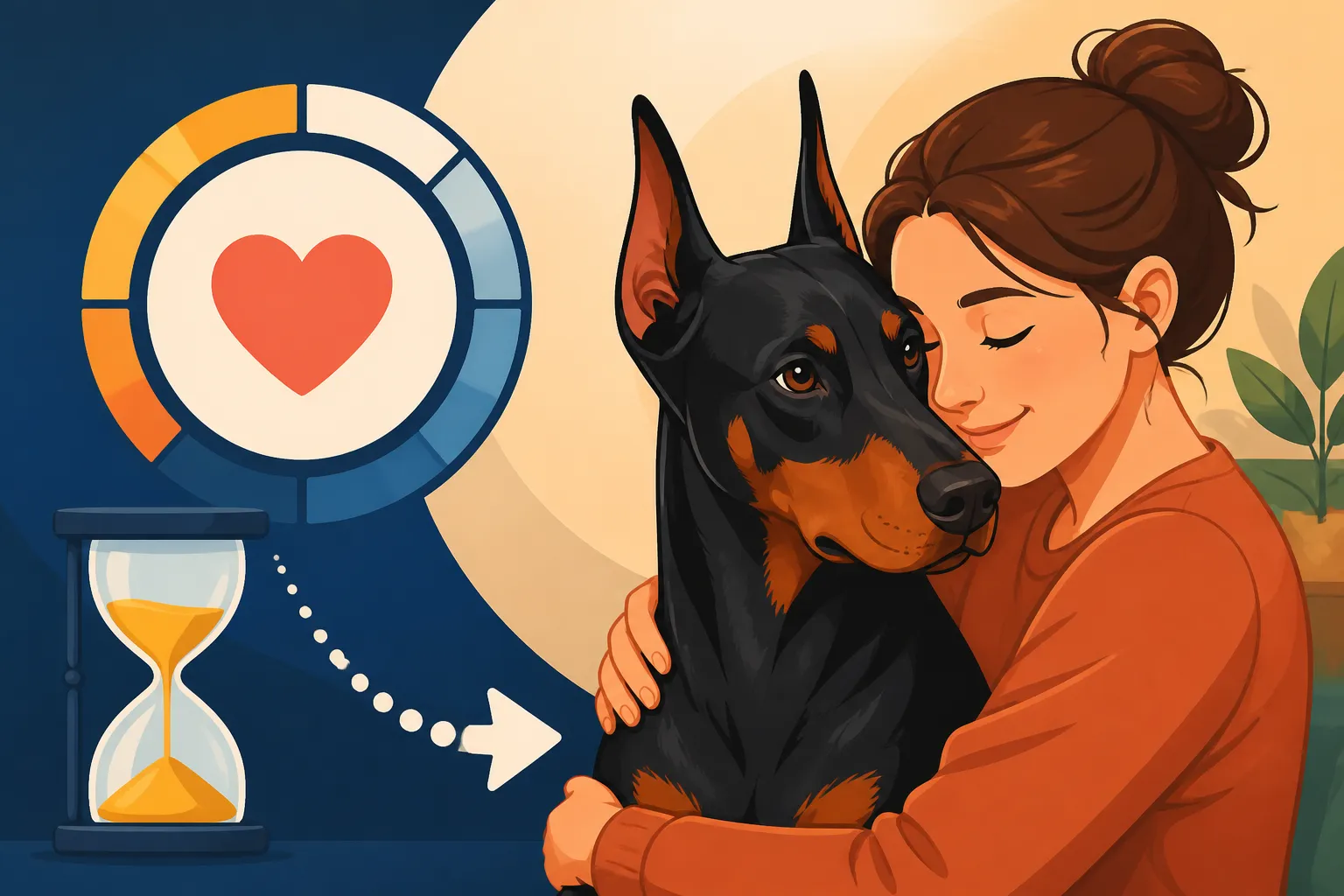
The three-month mark, and sometimes beyond, is when your rehomed Doberman truly starts to feel like a part of the family. By now, they understand the routines, they know what to expect, and most importantly, they've begun to trust you. Their personality should be fully emerging, and you'll see a deep bond forming. This is when the "Velcro" nature of the Doberman really takes hold; they'll want to be by your side, seeking out your affection and comfort. It's a truly rewarding phase, solidifying the connection you've been patiently building.
During these months, they're not just tolerating their new home; they're owning it. They'll greet you enthusiastically, settle comfortably nearby, and show genuine affection. Any past anxieties might still surface occasionally, but they'll look to you for reassurance and guidance. This is the time to really enjoy the fruits of your labor, continuing with positive reinforcement and perhaps delving into more advanced training or activities together. Remember, the bond continues to deepen over their entire lifespan, so these initial months are just the beginning of a beautiful relationship. You can also explore programs like BAXTER & Bella for structured guidance on training and bonding during this crucial period.
| Timeframe | Doberman Behavior | Owner Actions |
|---|---|---|
| First 3 Days | Overwhelmed, quiet, observing, may hide or avoid. | Provide safe space, minimal interaction, food, water, potty breaks. |
| First 3 Weeks | Relaxing, curious, testing boundaries, personality emerging, anxieties may surface. | Establish routine, positive reinforcement, gentle redirection, consistent handling. |
| First 3 Months | Fully settled, deeply bonded, trusting, seeking affection, confident. | Enjoy the bond, continue training, explore activities together, reinforce good behavior. |
Factors Influencing a Doberman's Adjustment Period
While the "Rule of Threes" offers a general timeline, it's really just a guide. How quickly your rehomed Doberman attaches and adjusts can vary wildly due to several individual factors. It’s important to acknowledge these, as they can help you manage your expectations and tailor your approach to best suit your unique dog. Every Doberman has their own story, and their past plays a huge role in their present behavior.
Past Experiences and Trauma
This is perhaps the biggest variable when rehoming any dog, especially a Doberman. If your Doberman came from a stable, loving home that simply couldn't keep them due to unforeseen circumstances, their adjustment might be relatively smooth. They've already learned that humans are kind and predictable. However, many rehomed Dobermans come from less ideal situations. They might have experienced neglect, abuse, frequent rehoming, or a lack of proper socialization. These experiences can leave deep scars, manifesting as fear, anxiety, aggression, or extreme shyness. A Doberman who has known instability might take much longer to trust, to feel safe, and to truly attach.
For example, a Doberman who was frequently yelled at or physically punished might be very wary of sudden movements or loud noises. A dog left alone for long periods might develop severe A Doberman That Cannot Cope When You Go Out issues. It’s crucial to understand that these behaviors are coping mechanisms, not intentional defiance. They are signals that your Doberman needs extra patience, gentle handling, and a consistent, predictable environment to Rebuilding Trust With a Harshly Handled Doberman. Building trust with a dog who has a history of trauma is a marathon, not a sprint, but the reward of seeing them blossom is immeasurable.
The Doberman's Individual Personality and Age
Just like people, Dobermans have distinct personalities. Some are naturally more resilient, adaptable, and outgoing, while others are inherently more sensitive, cautious, or introverted. A naturally bold and confident Doberman might bounce back from a rehoming experience faster than a shy, reserved one. Their inherent temperament plays a significant role in their ability to cope with change and form new bonds. Some Dobermans are simply more prone to being a Doberman that hides from new people regardless of their past.
Age is another important factor. A young Doberman puppy, while still needing adjustment, is often more flexible and less set in their ways. They’re still learning about the world and can form new attachments relatively quickly with consistent positive experiences. An older Doberman, particularly one who has lived their entire life with one family, might take much longer to adapt to a new home. Their routines are ingrained, and the loss of their previous family can be profoundly unsettling. However, older Dobermans often come with the benefit of being house-trained and having established manners, and their attachment, once formed, can be incredibly deep and devoted.
Your Home Environment and Consistency
The environment you provide also significantly impacts the adjustment period. A chaotic, unpredictable home with frequent changes, loud noises, and inconsistent rules will naturally make it harder for a Doberman, especially a rehomed one, to settle. They thrive on routine and clear expectations. Conversely, a calm, predictable, and stable home with consistent rules and gentle handling can dramatically shorten the adjustment time. Bringing a Rescue Doberman Into a Quiet House where they feel safe and secure is paramount.
Consistency isn't just about routine; it's also about how you interact with your Doberman. Are all family members on the same page regarding rules, feeding times, and training methods? A dog needs to understand what is expected of them, and mixed signals only create confusion and anxiety. Establishing a consistent schedule for feeding, potty breaks, exercise, and quiet time provides a solid foundation for your Doberman to feel secure. Even small things, like having designated spaces for eating and sleeping, contribute to a sense of predictability and safety, allowing them to relax and begin the process of attachment.
Practical Steps to Foster Attachment with Your Rehomed Doberman
You're not just passively waiting for your Doberman to attach; you can actively facilitate the bonding process. It requires understanding, patience, and a conscious effort to build a relationship based on trust and mutual respect. These practical steps can make a profound difference in helping your rehomed Doberman feel at home and form a deep, lasting bond with you.
Building Trust Through Routine and Predictability
For a rehomed Doberman, especially one with an uncertain past, routine is a comfort blanket. Knowing what to expect and when to expect it drastically reduces anxiety and helps them feel secure. This isn't just about feeding times, though those are important. It's about establishing a consistent daily schedule for everything: walks, potty breaks, playtime, training sessions, and quiet downtime. When they know their walk happens after breakfast, or that a potty break follows a nap, their stress levels decrease, allowing them to relax and pay attention to you.
Consider setting up a consistent feeding schedule, offering meals at the same time each day. Plan consistent walk times, and stick to a reliable bedtime routine. These predictable anchors in their day help them understand their new world. Even seemingly small details, like consistently taking them to the same spot in the yard for potty breaks, build confidence. This predictability tells your Doberman, "This is my home now, and I can trust that my needs will be met." This foundational trust is essential for deeper attachment to form. You are effectively showing them what kind of The Owner a Doberman Actually Needs.
Positive Reinforcement and Patient Training
Training isn't just about teaching commands; it's a powerful tool for building communication, confidence, and attachment. With a rehomed Doberman, especially one whose history you might not fully know, positive reinforcement is non-negotiable. This means rewarding desired behaviors with treats, praise, or toys, rather than using punishment for mistakes. Punishment can erode trust, especially with a sensitive breed like the Doberman, and can exacerbate existing anxieties or create new ones. They need to learn that good things happen when they interact with you.
Start with simple commands like "sit," "stay," and "come," using high-value treats to motivate them. Keep training sessions short, fun, and frequent. Success builds confidence, and confidence builds attachment. Consider enrolling in an online program like BAXTER & Bella, which offers structured positive reinforcement training guidance and support, which can be invaluable for both you and your Doberman. This kind of structured, positive interaction teaches your Doberman that you are a source of good things and that listening to you is rewarding. Patience is key here; remember, they might be learning new things, or un-learning old, less desirable behaviors. Focus on celebrating every small victory. Positive reinforcement and patient training can transform your relationship.
Understanding and Respecting Their Space
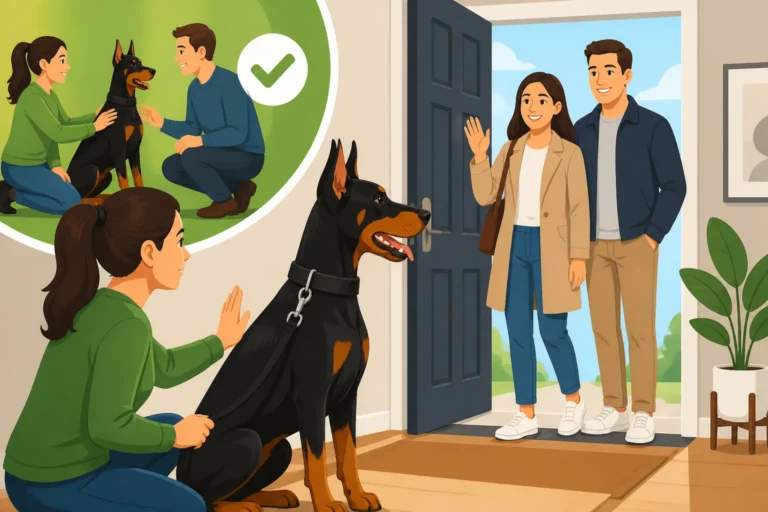
Dobermans, even the most devoted ones, need their own space, especially when they are new to a home. This is particularly true for rehomed dogs who might feel overwhelmed or unsure. Providing a designated "safe space" where they can retreat and not be disturbed is crucial. This could be a crate, a dog bed in a quiet corner, or even a room of their own. Teach everyone in the household, especially children, to respect this space. When the Doberman is in their bed or crate, they should be left alone.
Respecting their space also extends to their personal boundaries. Not every Doberman wants to be constantly petted or hugged, especially in the initial stages. Observe their body language: do they lean into your touch, or stiffen? Do they seek out interaction, or do they retreat? Allowing them to initiate contact and choosing when they want affection builds trust and autonomy. Forcing interaction can be counterproductive and stressful. A comfortable, secure crate, perhaps purchased from Amazon, can be a vital part of providing this safe haven. Over time, as trust grows, you'll likely find your Doberman becoming more and more a "Velcro dog," but the initial respect for their need for space is paramount.
Recognizing When Your Doberman Has Truly Attached
You've put in the work, been patient, and now you're seeing changes. But how do you know your rehomed Doberman has truly attached? It's not usually a sudden declaration, but rather a collection of subtle (and sometimes not-so-subtle) behaviors that indicate they feel secure, loved, and fully integrated into your family. These are the rewarding moments that make all the effort worthwhile.
Subtle Signs of Comfort and Affection
One of the clearest indicators of attachment is when your Doberman shows relaxed, comfortable body language in your presence. This might mean soft eyes, a relaxed mouth, or a loose, wagging tail (not just a stiff, high one). They might lean into you when you pet them, or even initiate physical contact, perhaps by nudging your hand or resting their head on your lap. They might seek you out for comfort during a thunderstorm or when a stranger comes to the door, looking to you for reassurance.
They might follow you from room to room, settling down nearby while you go about your day. This is that famous Where the Velcro Doberman Nickname Comes From behavior kicking in. These aren't just polite behaviors; they are signs that your Doberman sees you as their primary caregiver, their protector, and the center of their world. When they are truly attached, they find comfort and security simply by being in your presence, even if it's just quietly napping at your feet. They will also start to A Doberman That Pushes Between People, seeking to be included and close to you.
Playfulness and Relaxed Behavior
A Doberman who is truly comfortable and attached will feel safe enough to play. Play is a vulnerability, and a dog who feels constantly threatened or anxious won't engage in joyful romping. You'll see them bringing you toys, initiating games of fetch or tug, and performing "play bows" to invite you to join in. Their play will be loose, energetic, and free, without any underlying tension.
Beyond active play, a truly settled Doberman will exhibit relaxed behavior in general. They'll nap soundly, stretch out on their bed without being on high alert, and show no signs of pacing or destructive behaviors (unless they're just a normal Doberman adolescent with boundless energy!). They'll be able to settle calmly in various parts of the house, not just their designated safe space, indicating they feel secure everywhere. This might include being able to Teaching a Doberman to Settle in Another Room when you ask them to, showing they trust your commands and are secure enough to be apart. This relaxed demeanor is a huge signal that their anxiety has subsided and they’ve truly embraced your home as their own.
The Doberman's "Velcro" Tendencies Emerging
Perhaps the most iconic sign that a Doberman has attached is the emergence of their "Velcro dog" tendencies. Dobermans are known for wanting to be physically close to their chosen people, almost as if they're attached by an invisible hook-and-loop fastener. When your rehomed Doberman has truly bonded, they will start mirroring this behavior. They might follow you into every room, choose to lie at your feet rather than in a distant corner, or even lean against you while you're standing.
This isn't just about proximity; it’s about seeking connection. They might quietly observe you from across the room, feeling content just knowing you're there. They might even try to climb into bed with you, if allowed, or insist on sleeping in the same room. This constant desire for closeness, for physical and emotional connection, is a hallmark of a Doberman's deep attachment. It signifies that they no longer see you as a temporary caregiver, but as their permanent family, their trusted companion, and the person they want to share every moment with. When you see your Doberman embracing this role, you know you've successfully navigated the journey of rehoming, and a beautiful, lifelong bond has been forged.
Disclaimer
This article is for general informational purposes only and does not constitute professional advice. Laws, prices and regulations vary by location and change over time. Consult a qualified professional for guidance on your specific situation.