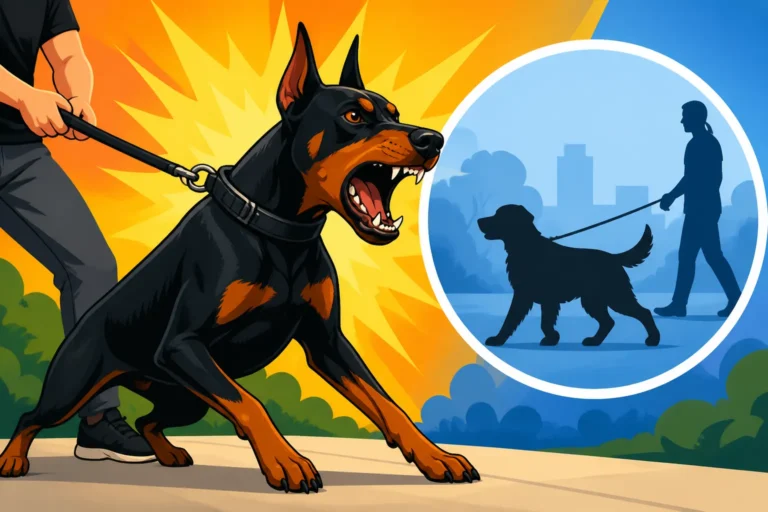
Rebuilding Trust With a Harshly Handled Doberman
It's heartbreaking to realize that the beautiful Doberman you've brought into your life, or perhaps a rescue you've opened your heart to, carries the scars of harsh handling from a past life. Many owners feel a deep frustration and sadness when their Doberman shrinks from a loving touch, flinches at a raised voice, or acts out in fear, not knowing how to mend a trust that was never properly built or was brutally broken. This guide will walk you through the essential steps to patiently and lovingly rebuild that shattered trust, transforming fear into a secure bond.
Understanding the Impact of Harsh Handling on a Doberman
Dobermans, with their imposing stature and powerful presence, often give people the wrong impression. They are seen as tough, resilient, and perhaps even needing a heavy hand to keep them in line. But nothing could be further from the truth. If you've ever lived with one, you know the Doberman is a sensitive soul beneath that sleek, muscular exterior.
The Doberman's Sensitive Nature
Imagine a Doberman puppy, full of boundless energy and a keen desire to please. They are intelligent, yes, but also incredibly receptive to their environment and the emotions of their people. When a Doberman is met with harsh words, physical punishment, or constant intimidation, it doesn't learn respect; it learns fear. It internalizes that humans are unpredictable, sometimes hurtful, and not to be fully trusted. This isn't just about a "soft" dog; it's about a highly intelligent breed that thrives on clear communication, consistency, and a strong, benevolent leader. A Doberman who is yelled at for every mistake, or yanked around on a choke chain, doesn't understand what it did wrong. It only understands that its world is unsafe, and the person it should look to for guidance is a source of pain or anxiety. This can manifest in subtle ways, like a hesitant tail wag, or more obvious signs like trying to make itself small or avoiding eye contact.
Common Behavioral Manifestations of Fear and Mistrust
When a Doberman has been subjected to harsh handling, their behavior often reflects a deep-seated fear and a lack of trust. You might see a dog that cringes or flinches when you move too quickly, even if you're just reaching for a cup. Some Dobermans develop what we call "submissive urination" – they might leak a little urine when greeted, a clear sign of extreme deference and anxiety. Others might become reactive on leash, barking and lunging at other dogs or people, not out of aggression, but because they've learned that offense is the best defense. They anticipate trouble and try to scare it away before it can reach them.
You might also notice your Doberman "shutting down," becoming withdrawn, disinterested, or refusing to engage. This isn't stubbornness; it's a coping mechanism, a way for them to avoid making mistakes that might lead to punishment. They might avoid eye contact, not because they're being "guilty," but because direct stares have previously been precursors to pain. Sometimes, a harshly handled Doberman might even snap or growl when cornered or startled, especially if they perceive a threat to their resources or space. This isn't malice; it's a desperate plea for personal space and safety from a dog that doesn't trust you to respect its boundaries. They're telling you, in the only way they know how, that they feel threatened and need you to back off.
The Trap of Misinterpreting "Dominance"
Unfortunately, many of the harsh handling methods used on Dobermans stem from outdated and thoroughly debunked "dominance theory." This theory, which incorrectly assumes dogs are constantly trying to assert "alpha" status over humans, leads owners to believe they must constantly "show their dog who's boss." This often translates into physical corrections, intimidating postures, and forceful interventions. For a Doberman, a breed inherently sensitive and eager to please, this approach is catastrophic.
Instead of fostering a respectful relationship, it breeds resentment and fear. When you try to "dominate" a fearful or mistrustful Doberman, you're not building leadership; you're confirming their worst fears. They don't see you as a strong, benevolent protector; they see you as another unpredictable, potentially dangerous force. This can lead to a vicious cycle where the Doberman becomes more anxious or reactive, and the owner, still operating under the dominance paradigm, escalates the harshness, further eroding any chance of a trusting relationship. Remember, true leadership comes from guiding and protecting, not from forcing submission through fear.
Laying the Foundation: Creating a Safe and Predictable Environment
The first and most crucial step in rebuilding trust with a Doberman who has been harshly handled is to make their world safe, predictable, and consistently positive. They need to learn that with you, they are secure and loved.
Establishing Predictability and Routine
Imagine living in a world where you never know when your next meal is coming, when you'll be let outside, or what might happen next. It's incredibly stressful, right? For a Doberman who has experienced past trauma, a lack of routine can exacerbate their anxiety and fear. Establishing a consistent, predictable daily routine is like building a sturdy framework for their emotional security.
This means feeding them at the same times each day, taking them out for potty breaks on a regular schedule, and having consistent times for walks and playtime. Even small things, like when you wake up and go to bed, can contribute to their sense of security. When your Doberman knows what to expect, they can relax. They learn that their needs will be met consistently, and there are no nasty surprises around the corner. This steady rhythm helps to lower their baseline stress levels, creating mental space for them to begin to trust. It's about showing them, day in and day out, that their new life with you is safe and dependable.
Setting Up a Safe Space
Every Doberman, especially one with a history of harsh handling, needs a personal sanctuary – a place where they can retreat and feel absolutely safe and undisturbed. A well-chosen crate, introduced positively, can become this invaluable haven. It shouldn't be a place of punishment; quite the opposite. This space should be associated with only good things: comfy bedding, special toys, and quiet rest.
To build this positive association, feed your Doberman meals in their crate, offer high-value chews when they're inside, and never use it for time-outs or discipline. You want them to willingly go into their crate, seeing it as their personal den, a calm oasis in the home. It’s also important that family members, especially children, understand that when the Doberman is in their safe space, they are to be left alone. This teaches your Doberman that they have control over their environment and can choose when to engage and when to rest, which is a huge confidence booster for a dog that may have felt powerless in the past. If you're looking into setting up the perfect space, you might find guidance in articles like Choosing a Crate for a Doberman.
Positive Reinforcement: The Only Way Forward
When rebuilding trust, positive reinforcement isn't just a training method; it's a philosophy, a way of life with your Doberman. It means rewarding the behaviors you want to see, rather than punishing the behaviors you don't. For a Doberman who has known harshness, this is nothing short of revolutionary. Every time you reward a desired behavior – whether it’s a calm sit, a polite greeting, or even just relaxing quietly – you're depositing a positive memory into their emotional bank account.
Think about what truly motivates your Doberman. Is it high-value treats like cooked chicken or cheese? A favorite squeaky toy? Praises and gentle scratches behind the ears? Whatever it is, use it consistently. When your Doberman offers a behavior you like, immediately follow it with a reward. The timing is crucial; it helps them connect their action with the positive outcome.
You can also introduce a marker signal, like a clicker or a specific word ("Yes!"). This marker tells your Doberman exactly the moment they did something right, followed by the treat. This clear communication reduces confusion and anxiety, making learning a joyful experience instead of a fearful one. Using a method like marker training, as explored in Marker Training a Doberman From Scratch, can be incredibly effective in helping your Doberman understand what you're asking without pressure or intimidation. This consistent positive feedback loop helps them understand that cooperating with you leads to good things, not fear or pain.
Rebuilding Communication: Speaking Your Doberman's Language
True understanding flows both ways. For your Doberman to trust you, you must not only communicate clearly but also strive to understand what they are trying to tell you through their body language.
Learning to Read Your Doberman's Body Language
Dobermans communicate constantly, even if they aren't barking or growling. Learning to interpret their body language is like learning their secret language, and it's absolutely vital for rebuilding trust. A Doberman who has been harshly handled might not give overt signals of distress until it’s too late. You need to look for subtle cues.
A "whale eye," where you see the whites of their eyes, often indicates stress or fear. A tucked tail, even if it's only slightly tucked, is a sign of discomfort or apprehension. Lip licking, yawning (when not tired), or turning their head away can mean "I'm uncomfortable, please give me space." A stiff body, ears pinned back (even if cropped, you'll see them flattened against the head), or a low, hesitant stance all scream, "I'm worried."
By recognizing these early warning signs, you can adjust your approach before your Doberman feels overwhelmed or resorts to more drastic defensive behaviors. If you see signs of stress, back off, create distance, or offer a distraction. Showing your Doberman that you understand and respect their emotional state builds immense trust. You're demonstrating that you're listening, even when they can't speak words. Understanding nuances like What Cropped Ears Hide About a Doberman's Mood can be particularly insightful for Doberman owners.
Gentle Touch and Consistent Vocal Cues
For a Doberman who has experienced harsh physical handling, touch can be a frightening thing. Reintroducing positive, gentle touch requires immense patience and respect for their boundaries. Start slowly, perhaps by simply sitting near them without interaction, then gradually offering a gentle touch on their shoulder or chest, never reaching over their head or from behind, which can feel threatening. Watch their reaction closely; if they tense up or try to move away, respect that and try again later with even less pressure.
Pair positive touch with high-value treats and a calm, soothing voice. Your vocal cues should be consistent and gentle. Avoid sharp, loud tones, which can instantly trigger memories of past abuse. A Doberman is highly attuned to tone, and Why Yelling Shuts a Doberman Down is a harsh reality for many dogs who have been met with anger. Instead, use a soft, encouraging voice for praise and a calm, neutral tone for commands. This consistent gentleness in both touch and voice will slowly, steadily, chip away at their fear, replacing it with the understanding that your presence and your touch are now sources of comfort, not pain.
Engaging in Play That Builds Confidence
Play is not just for fun; it's a powerful tool for building confidence and strengthening your bond with a fearful Doberman. However, the type of play matters. Avoid games that involve rough physical handling or could accidentally cause discomfort, as these might trigger past negative associations. Instead, focus on games that allow your Doberman to use their mind and body in a positive, self-affirming way.
Fetch, for instance, is a fantastic option. It encourages movement, allows them to retrieve, and brings the toy back to you for praise and another toss. Tug-of-war can also be great, but it needs clear rules: you initiate the game, you end the game, and if their teeth ever touch your skin, the game stops immediately. This teaches them impulse control and that polite play continues the fun. Puzzle toys, which require mental effort to get a treat, can be incredibly confidence-boosting as they allow your Doberman to problem-solve successfully. You can find a huge variety of Amazon puzzle toys that engage a Doberman's intelligence. These activities, where they "win" and are rewarded for their effort, help shift their mindset from fear and anxiety to positive engagement and self-efficacy. They learn that interacting with you, and the world around them, can be enjoyable and safe.
Gradual Exposure and Desensitization
For Dobermans with a past of harsh handling, the world can feel like a minefield of triggers. Rebuilding trust often involves carefully and incrementally helping them overcome their fears.
Identifying Triggers and Working Below Threshold
The first step in helping your Doberman cope with their fears is to pinpoint exactly what sets them off. Is it a raised hand? Men with hats? Loud noises? Certain types of voices? A specific posture from a person? Keep a journal of instances where your Doberman shows signs of fear or stress, noting the context, what happened just before, and their specific reaction. This helps you identify patterns and specific triggers.
Once you know their triggers, the key is to work "below threshold." This means exposing your Doberman to their trigger at such a low intensity that they don't react with fear. For example, if they're afraid of raised hands, you wouldn't immediately try to pet them with a raised hand. Instead, you might have someone stand across the room with their hand slightly elevated, just enough for your Doberman to notice but not enough to trigger a full fear response. The goal is to keep them calm and comfortable throughout the exercise. If they show any signs of stress, you've gone too far, and you need to retreat to a distance or intensity where they remain relaxed. This slow, deliberate process is about building positive associations without overwhelming them.
Counter-Conditioning Negative Associations
Once you can identify your Doberman's triggers and keep them below their fear threshold, you can begin the powerful process of counter-conditioning. This is essentially changing a negative emotional response to a positive one by pairing the scary thing with something truly wonderful.
Let's say your Doberman flinches when you reach out your hand. Instead of trying to pet them, start by just presenting your hand a few feet away. The moment your Doberman looks at your hand (without flinching), immediately reward them with a high-value treat. Repeat this many times. Slowly, you can decrease the distance or increase the movement of your hand, always rewarding the absence of a fear reaction and the presence of calm. Your hand, which once signaled pain, now predicts a delicious treat.
The goal is to re-wire their brain to think, "Oh, a hand? That means good things are coming!" This takes immense patience and consistency, but over time, you can dramatically change how your Doberman perceives their triggers. This process can be applied to sounds, people, objects, and situations – anything that causes them fear. Every successful, calm interaction builds a new, positive memory, slowly overshadowing the old, negative ones.
Seeking Professional Guidance
While you can do a tremendous amount of work yourself, there are times when the history of harsh handling runs so deep that professional intervention is absolutely necessary. This isn't a sign of failure on your part, but rather a responsible recognition that some challenges require expert guidance. Look for a certified professional dog trainer or a veterinary behaviorist who specializes in positive reinforcement and has experience with fearful or reactive Dobermans. Avoid anyone who suggests dominance-based methods, choke chains, prong collars, or e-collars, as these will only re-traumatize your Doberman and set back all your hard work.
A good professional can help you identify subtle body language cues you might be missing, create a tailored behavior modification plan, and guide you through complex counter-conditioning protocols. They can provide hands-on coaching and adjust strategies as your Doberman progresses. Sometimes, a veterinary behaviorist might even suggest medication to help manage severe anxiety while you work on behavior modification, creating a calmer state where your Doberman is more receptive to learning and trust-building. Resources like BAXTER & Bella can offer insights into positive training philosophies and methods that, while primarily focused on puppies, teach foundational principles of clear communication and rewards-based learning that are adaptable to adult Dobermans. Finding the right human professional is an investment in your Doberman's emotional well-being and your future together, and an article like Finding a Trainer Who Has Worked With Dobermans can offer further direction.
Here's a quick comparison of the two approaches:
| Feature | Harsh Handling Approach | Trust-Building Approach (Positive Reinforcement) |
|---|---|---|
| Core Philosophy | Dog must be "dominated" and "shown who's boss." | Dog learns best through clear, kind communication and rewards. |
| Motivation | Fear of punishment, avoiding pain. | Desire for rewards (treats, praise, play), seeking positive interaction. |
| Communication | Physical corrections, harsh verbal reprimands, intimidation. | Clear verbal cues, marker signals (clicker), gentle touch, reading body language. |
| Outcomes | Fear, anxiety, reactivity, aggression, shutdown, broken trust. | Confidence, cooperation, strong bond, joy, enthusiasm, deep trust. |
| Learning | Focus on what not to do, often confusing and stressful. | Focus on what to do, clear and enjoyable for the dog. |
| Relationship | Adversarial, based on control. | Partnership, based on mutual respect and understanding. |
Rebuilding trust with a Doberman who has been harshly handled is truly a journey of patience, empathy, and unwavering commitment. There will be setbacks, moments of frustration, and times when you feel like you're not making progress. But remember, every gentle touch, every patiently offered treat, every moment of understanding their silent pleas, is a step forward. Your Doberman is worth every effort. With consistency and love, you can help them leave their past fears behind and embrace a future filled with security and a profound, unbreakable bond with you.
Disclaimer
This article is for general informational purposes only and does not constitute professional advice. Laws, prices and regulations vary by location and change over time. Consult a qualified professional for guidance on your specific situation.