A Doberman That Blocks the Doorway
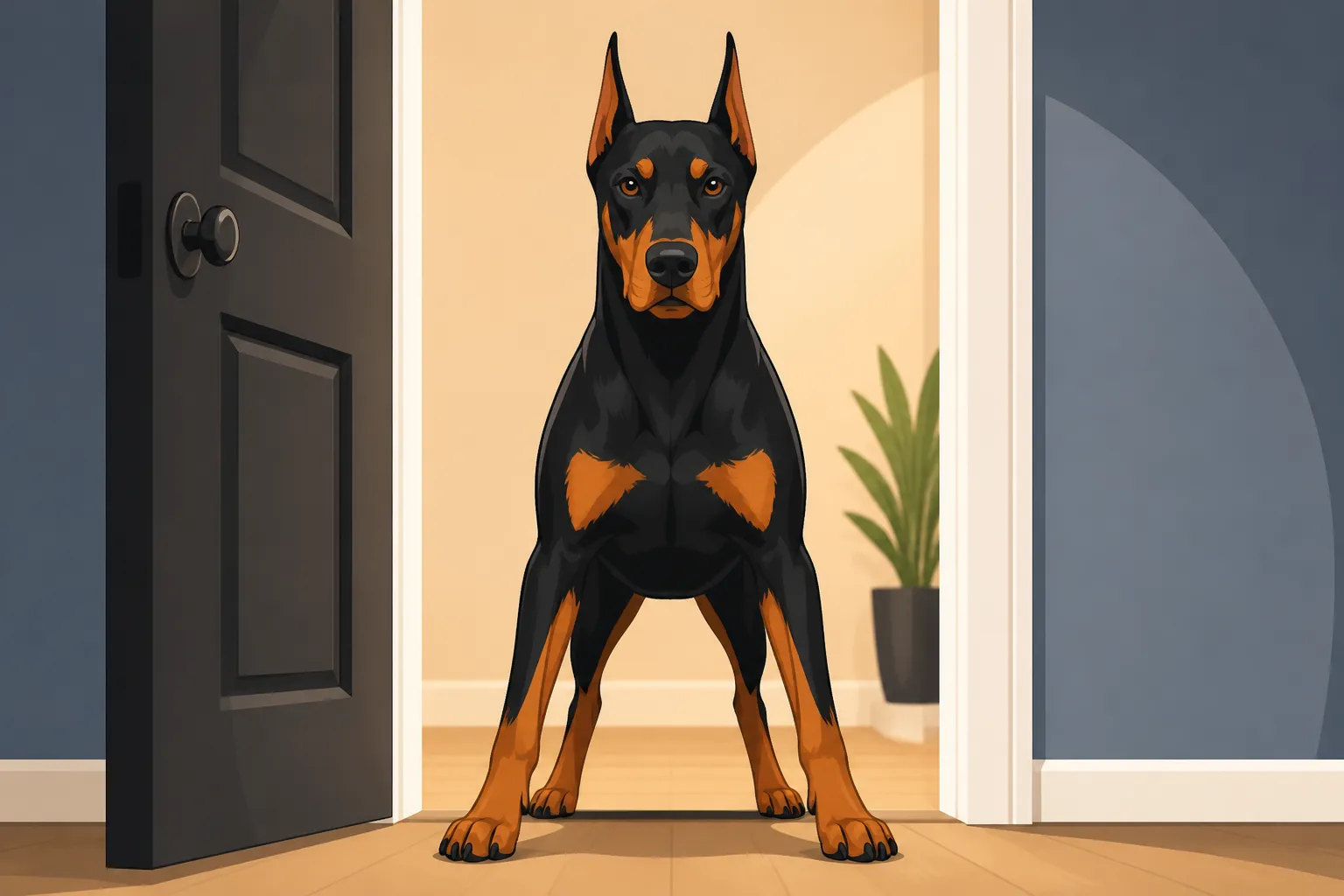
It’s a scene many Doberman owners know all too well: you’re trying to navigate from one room to another, maybe carrying a laundry basket or a cup of coffee, only to find your sleek, eighty-pound shadow firmly planted in the doorway. They’re not just standing there; they’re blocking it, looking at you with those intelligent eyes as if to say, "And where exactly do you think you're going without me?" This guide is all about understanding why your Doberman has adopted this charming, albeit inconvenient, habit and, more importantly, how to gently and effectively reclaim your household's thoroughfares.
Understanding the "Why" Behind Doorway Blocking
When your Doberman becomes an immovable object in the doorway, it's rarely out of defiance or malicious intent. Instead, it's usually rooted in their deeply ingrained breed characteristics and learned behaviors. Trying to understand their motivation is the first step toward finding a solution that works for both of you.
The Doberman's Innate Need for Proximity (Velcro Dog Syndrome)
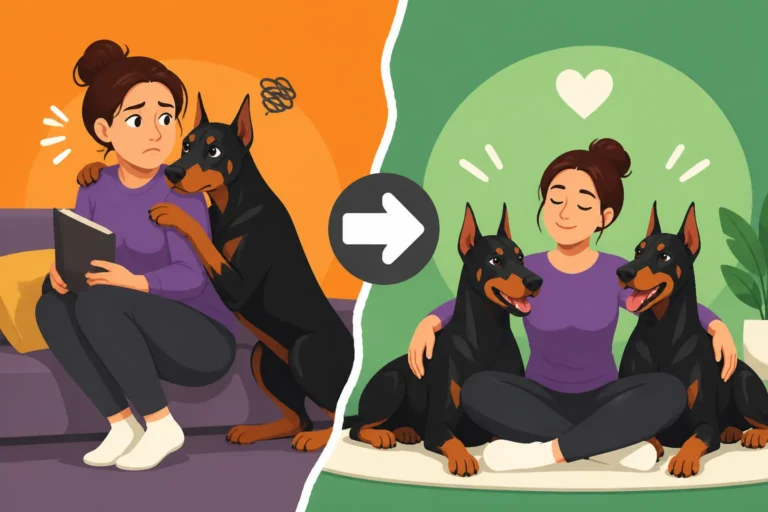
If you own a Doberman, you've almost certainly heard the term "Velcro dog" – and you know it's not an exaggeration. Dobermans are renowned for their intense loyalty and desire to be physically close to their chosen people. They aren't content to be in the same house as you; they want to be in the same room, ideally touching you. This constant desire for proximity often manifests as them following you from room to room, and what better place to wait for your next move than the very threshold you must cross?
This isn't just a quirky trait; it's fundamental to the breed's temperament. They were bred as personal protection dogs, always needing to be aware of their handler's movements and ready to act. That instinct for constant vigilance translates into wanting to be right there with you, observing, anticipating, and participating in whatever you're doing. A doorway, therefore, becomes a natural choke point where they can intercept you or ensure they're right behind you for the next adventure, even if that "adventure" is just a trip to the kitchen. For more on this, check out Where the Velcro Doberman Nickname Comes From.
Resource Guarding and Territorial Instincts
While often born from affection, doorway blocking can sometimes stem from more primal instincts like resource guarding or territoriality. Dobermans are naturally protective of their family and their perceived territory. A doorway represents a boundary – a place where "inside" meets "outside," or where one part of their domain meets another. By blocking it, your Doberman might, on some level, be asserting their presence or even attempting to "guard" the transition space.
This isn't necessarily aggressive behavior, but rather a subtle form of control or assertion. They might see the doorway as a high-value area, especially if it leads to a room where you spend a lot of time, or to the outside world they're keen to explore. If your Doberman tends to get stiff, lower their head, or subtly block your path with their body when you approach, rather than just gently nudging, it could be a sign of this protective instinct kicking in. It's a nuanced distinction, but an important one for tailoring your training approach.
Seeking Attention or Control
Let’s be honest, sometimes our Dobermans are just masters of manipulation, and we enable them without realizing it! If every time your Doberman blocks a doorway, you stop, pet them, talk to them, or try to physically move them with gentle shoves, you’re inadvertently reinforcing the behavior. From their perspective, blocking the doorway gets them exactly what they want: your attention. They learn that standing there guarantees interaction, even if that interaction is you grumbling, "Buddy, move!"
Another aspect could be a subtle bid for control. Dobermans are intelligent and can be quite strong-willed. If they've learned that blocking your path dictates your movement, even temporarily, it gives them a sense of agency. This isn't about them being "dominant" in the outdated sense, but rather them understanding how their actions influence your responses. They might not be trying to be the "alpha," but they are certainly trying to manage the flow of traffic in their favor. A Doberman That Pushes Between People offers further insights into this dynamic.
Practical Strategies to Reclaim Your Doorways
Now that we've explored why your Doberman might be staging a sit-in at your doorways, let's talk about how to get them to understand that thoroughfares are for passage, not picket lines. Consistency and clear communication are your best friends here.
Establishing Clear Boundaries and Space
The key to resolving doorway blocking is teaching your Doberman that every space has its purpose, and some spaces (like doorways when you're trying to pass) are not for lingering. This involves setting up very clear, consistent boundaries.
Start by teaching a "place" command. This means teaching your Doberman to go to a specific mat, bed, or crate and stay there until released. Practice this extensively in a neutral area first, rewarding heavily for staying on their place. Once they understand "place," you can start using it near doorways. As you approach a doorway, calmly direct your Doberman to their "place" nearby. They learn that when you need to use a doorway, their job is to move to a designated spot. Remember, the goal isn't to banish them, but to manage their presence in high-traffic zones. You can find excellent online resources for structured "place" training through platforms like BAXTER & Bella.
Another boundary technique is simply teaching them to give you space. When you approach a doorway and they are blocking, stop. Wait patiently. Do not speak, do not push. Just wait. The moment they shift even an inch to clear the path, say your release word ("Free!" or "Okay!") and walk through. Over time, they'll associate your stopping with their need to move. This takes immense patience, especially with a Doberman who is naturally inclined to hold their ground, but it's incredibly effective because they make the choice to move, rather than being forced.
Consistent Training Cues and Reinforcement
Verbal cues are powerful tools, but only if used consistently. Develop a clear, simple command for "move out of the way" or "clear the path." Some popular options include "move," "out," "excuse me," or even "door."
Here’s how to implement it:
- Anticipate the block: As you approach a doorway and see your Doberman starting to set up camp, say your chosen command firmly but calmly: "Door!" or "Move!"
- Lure/Guide: If they don't move immediately, use a treat or your hand to gently guide them out of the way. Don't push them aggressively. The moment they step clear, even with your guidance, reward them with a treat and praise.
- Repeat, Repeat, Repeat: Practice this dozens of times a day. Every single time you approach a doorway and your Doberman is there, give the command.
- No Reward for Blocking: Critically, if they block and you don't give the command, or they don't move, do not give them attention or interact with them until they are out of the way. This ensures that the only way to get a reward (treats, praise, or simply you moving forward) is to move when you ask.
Using a long leash during initial training sessions can also be helpful. If your Doberman is particularly stubborn, you can give the command, then gently apply leash pressure to guide them away from the doorway. Release the pressure and reward the instant they comply. This teaches them the physical sensation associated with the command. For a deeper dive into effective Doberman training, including marker training, consider Marker Training a Doberman From Scratch.
Managing Entryways and Exits
Prevention is often easier than correction, especially with smart dogs like Dobermans. Managing entryways and exits means setting up the environment to make blocking less likely in the first place.
Consider using baby gates or exercise pens to create temporary barriers around high-traffic doorways, especially during times when you need to move freely (like bringing in groceries or during meal prep). This physically prevents your Doberman from planting themselves in the exact spot you need. They can still be near you, but they learn there's a designated buffer zone around critical areas. You can find a wide variety of these barriers on Amazon, suitable for large breeds.
Another strategy is to be mindful of your own body language. Dobermans are incredibly perceptive. If you approach a doorway with hesitation or uncertainty because you anticipate a block, your Doberman might pick up on that and decide to hold their ground. Walk with purpose. Even if you have to wait, maintain a confident, unyielding posture. This subtle shift in your presence can communicate your intent more effectively than words sometimes.
Finally, think about how you initiate movement. If your Doberman always rushes to the door when you stand up, try varied patterns. Stand up, sit back down. Walk to the kitchen, then back. Do this without asking them to move or involving them, so they learn that your movement doesn't always mean they need to be right there. This breaks the expectation and helps them relax more in other parts of the house.
Tools and Aids to Help with Doorway Behavior
Sometimes, a little extra help or a clever distraction can make all the difference in modifying your Doberman's doorway habits. It’s not about shortcuts, but about making the training process smoother and more successful.
Using Crates and Designated "Places"
The crate isn't just for puppies; it's a valuable tool for adult Dobermans too, especially for managing behaviors like doorway blocking. A properly introduced and comfortable crate can be your Doberman's personal sanctuary – their "room." When you need clear passage through a doorway, or if you're expecting guests and want your Doberman to settle calmly, a "crate" command can be incredibly effective.
Train your Doberman to go into their crate willingly and stay there until released. This gives them a clear, acceptable "place" to be when you need them out of the way. It also provides them with a sense of security, as it’s their den. Similarly, a dog bed or mat can serve as a "place" command anchor. By consistently directing them to their bed or mat before you use a doorway, you're building a reliable alternative behavior. Remember, the goal is to redirect them, not just punish the blocking behavior. Choosing a Crate for a Doberman can offer advice on finding the right fit for your powerful companion.
Long-Lasting Chews and Interactive Toys
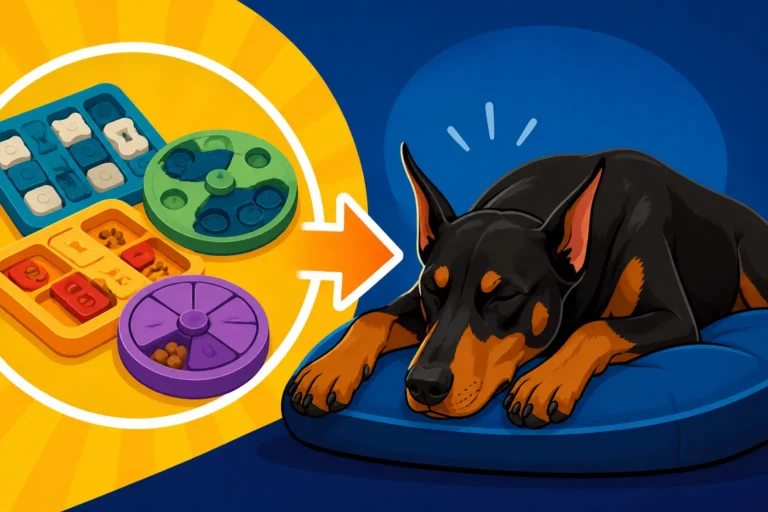
Sometimes, the best solution is a good distraction. If your Doberman is blocking a doorway because they're bored, under-stimulated, or simply seeking attention, offering a high-value, long-lasting chew or an engaging puzzle toy can redirect their focus. This is particularly useful when you know you'll need to move frequently, such as during chores or when preparing meals.
Before you start your activity, give your Doberman a favorite chew toy (like a filled Kong or a durable dental chew) or an interactive puzzle feeder. This occupies their mind and mouth, making them less likely to position themselves in your path. The key is to introduce the distraction before they start blocking the doorway, associating the object with pleasant, independent activity. You can find a vast selection of these on Amazon, often with reviews from other Doberman owners who understand the need for indestructible toys! Puzzle Work That Actually Tires a Doberman can give you more ideas on mentally stimulating toys.
Professional Help and Online Resources
If you've tried consistent training and feel like you're still hitting a wall, or if the doorway blocking seems to be escalating into more pronounced guarding behavior (growling, snapping, body stiffening), it's absolutely okay – and recommended – to seek professional help. A certified professional dog trainer or a veterinary behaviorist can observe your Doberman's specific behavior patterns and provide tailored guidance. They can help discern if it's simple "Velcro" behavior, a mild form of resource guarding, or something more complex that requires a nuanced approach.
Many excellent online resources and communities also exist. Beyond the training programs offered by services like BAXTER & Bella, breed-specific forums and groups on social media can connect you with other Doberman owners who have faced similar challenges. They can often share practical tips, recommend local trainers, or simply offer a sense of camaraderie, reminding you that you're not alone in navigating the unique quirks of this magnificent breed. Don't hesitate to reach out for support; a fresh pair of eyes can make all the difference.
Addressing Underlying Behavioral Patterns
Doorway blocking, like many Doberman quirks, isn't an isolated incident. It often ties into broader behavioral patterns and their overall well-being. By addressing these foundational elements, you can create a more balanced and compliant Doberman who is less inclined to park themselves where you need to walk.
Building Overall Obedience and Impulse Control
A Doberman with solid obedience training and strong impulse control is far less likely to be a perpetual doorway blocker. This isn't just about knowing commands; it's about understanding and respecting boundaries. If your Doberman struggles with general obedience, or tends to act on every impulse, the doorway behavior is just one manifestation of a larger issue.
Focus on foundational commands like "sit," "stay," and "down" with long durations and distractions. Teach them that your word means something, even when they'd rather do something else. The "stay" command is particularly powerful for doorway issues. Practice it near doors, asking them to stay while you step through, and then releasing them. Impulse control exercises, like waiting for food or waiting at the threshold before going outside, reinforce the idea that good things come to those who wait and defer to your lead. A well-trained Doberman is a joy to live with, and that starts with consistent, positive reinforcement training. Teaching a Doberman to Wait for Permission is a great resource here.
Ensuring Adequate Mental and Physical Exercise
A tired Doberman is a well-behaved Doberman – and this rings especially true for their intelligence and energy levels. Dobermans aren't content to be couch potatoes; they need regular, rigorous physical exercise and plenty of mental stimulation. If your Doberman is blocking doorways, it could be a sign that they're under-exercised, under-stimulated, and looking for ways to engage with you, even if it's by being a nuisance.
Aim for at least 1-2 hours of vigorous activity daily. This isn't just a leisurely stroll around the block; it should include fast-paced walks, running, fetch, or even structured play sessions. Incorporate mental games like hide-and-seek with toys, scent work, or learning new tricks. A Doberman who has had their physical and mental needs met is more likely to settle calmly and respect boundaries rather than trying to create their own entertainment by impeding your progress. Remember, they are incredibly smart dogs; Keeping a Doberman Mentally Tired is crucial for their overall disposition.
Socialization and Confidence Building
Sometimes, doorway blocking can stem from insecurity or anxiety, especially if the doorway leads to an unfamiliar area, or if your Doberman isn't confident in new situations. A less confident Doberman might try to stick close to you or physically block you as a way to control their environment or mitigate perceived threats.
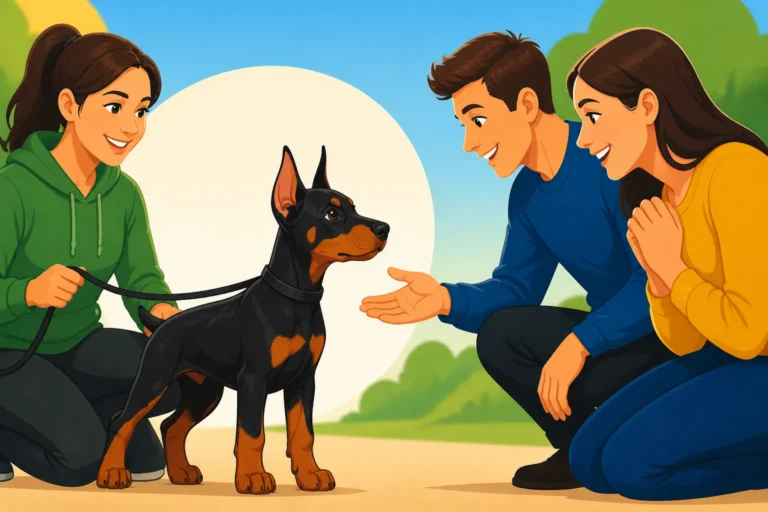
Ensure your Doberman has had ample, positive socialization experiences throughout their life, starting as a puppy. Expose them to a variety of people, places, sounds, and other dogs in a controlled, positive manner. This builds their confidence and helps them feel secure in different environments, reducing the need to "guard" or cling out of anxiety. If your Doberman seems genuinely nervous or anxious in certain situations, work with a professional to help them build confidence. A confident Doberman trusts your judgment and doesn't feel the need to constantly monitor or manage your movements from a defensive position. Exposing a Doberman Puppy to Strangers highlights the importance of early positive experiences.
By combining clear boundaries, consistent training, appropriate tools, and addressing their fundamental needs for exercise and confidence, you can help your Doberman move past the doorway-blocking phase. It takes patience, understanding, and a whole lot of love, but the result is a well-adjusted companion who respects your space while still showering you with affection.
Here's a quick comparison of common training approaches for this behavior:
| Approach | Description | Pros | Cons |
|---|---|---|---|
| "Place" Command | Teach Doberman to go to a designated spot (bed, mat, crate) and stay. | Highly effective for creating clear boundaries; promotes calm, independent settling. | Requires initial training time; need to ensure the "place" is comfortable and positive. |
| Silent Waiting | Stop, wait, and give no attention until the Doberman moves slightly out of the way. | Empowers the dog to make the correct choice; no need for physical interaction. | Requires significant patience from the owner; can be slow to start showing results. |
| Verbal Cue + Guide | Use a specific command ("Move," "Door") and gently guide with a treat/hand, then reward for moving. | Clear communication; good for immediate redirection; builds positive association. | Can inadvertently reward initial blocking if timing is off; must be consistently applied. |
| Environmental Management | Use baby gates or close doors to physically prevent blocking. | Instant prevention; good for safety and quick fixes. | Doesn't teach the dog the desired behavior; relies on physical barriers. |
| High-Value Distraction | Offer a long-lasting chew or puzzle toy before approaching the doorway. | Redirects attention effectively; provides mental stimulation. | Only works if the distraction is sufficiently engaging; not a direct training solution. |
Disclaimer
This article is for general informational purposes only and does not constitute professional advice. Laws, prices and regulations vary by location and change over time. Consult a qualified professional for guidance on your specific situation.