Prescription Diets for a Doberman
It’s a truly disheartening moment when your athletic, noble Doberman starts to show signs of illness, whether it's a subtle cough, a change in coat, or an upset stomach. As Doberman owners, we know our companions face a unique set of health challenges, and often, managing these conditions can feel overwhelming, especially when their regular food just isn't cutting it. This comprehensive guide is here to walk you through the world of prescription diets for Dobermans, explaining why they're sometimes necessary, what different types exist, and how to work with your veterinarian to find the very best nutritional support for your cherished friend.
Why Your Doberman Might Need a Prescription Diet
Owning a Doberman means falling in love with a breed renowned for its elegance, intelligence, and boundless energy. But it also means acknowledging their predisposition to certain health conditions that, unfortunately, can sometimes cut their lives short or significantly impact their quality of life. When these health issues arise, the diet that once kept them thriving might suddenly become part of the problem, rather than the solution. That’s where the specialized formulations of prescription diets come into play, offering targeted nutritional support that goes far beyond what a typical over-the-counter food can provide.
Genetic Predispositions and Dietary Needs
Dobermans, like many purebred dogs, carry genetic predispositions to specific diseases. We often talk about The Heart Disease That Reaches Most Dobermans, or the lurking possibility of Copper Liver Disease in Doberman Females, or even cosmetic concerns like Color Dilution Alopecia in Blue and Fawn Dobermans. These aren't just random ailments; they're woven into the very fabric of the breed's genetics, making proactive care and early intervention incredibly important.
For instance, heart conditions like Dilated Cardiomyopathy (DCM) can severely impact a Doberman's cardiac function. While diet alone can't cure DCM, specific dietary modifications, such as controlled sodium levels and enriched amino acids like taurine and carnitine, can play a significant role in managing symptoms and potentially slowing progression. Similarly, Dobermans prone to copper storage hepatopathy need diets meticulously formulated with very low copper content to prevent further accumulation and liver damage. It's about recognizing that what's generally good for dogs isn't always specifically right for a Doberman with a particular genetic vulnerability.
When Standard Kibble Isn't Enough
The pet food aisle is packed with "premium" and "holistic" options, and for a healthy Doberman, many of these can be perfectly adequate. They provide balanced nutrition, essential vitamins, and minerals for growth and maintenance. However, they are not designed to treat or manage specific medical conditions. Think of it this way: if you had a serious medical condition, you wouldn't rely on general healthy eating advice alone; you'd need a doctor-prescribed regimen.
Standard kibble often contains a broad spectrum of ingredients, some of which might exacerbate an underlying condition. For example, a food rich in certain proteins might be too much for a Doberman with kidney disease, or a food with common allergens could trigger a severe reaction in a sensitive dog. Prescription diets are formulated with precise levels of nutrients, sometimes even novel or hydrolyzed proteins, to address these specific needs, often eliminating common triggers or supporting failing organs in ways that regular food simply cannot. This isn't about marketing hype; it's about clinical formulation backed by veterinary science.
The Role of Diet in Managing Chronic Illness
When a Doberman is diagnosed with a chronic illness, the initial shock can be immense. You want to do everything you can to ensure they remain comfortable and have the best possible quality of life. This often involves a multi-faceted approach that includes medication, regular veterinary check-ups, and crucially, a carefully selected diet. Diet isn't just fuel; it becomes a powerful tool in your management arsenal.
For a Doberman with chronic kidney disease, for example, a prescription diet will typically have reduced protein, phosphorus, and sodium, which lessens the workload on the kidneys and helps prevent the buildup of toxins. For a Doberman struggling with allergies, a hydrolyzed protein diet breaks down proteins into such small components that the immune system doesn't recognize them as allergens. These diets are designed to mitigate symptoms, support organ function, and often, delay the progression of the disease, buying you and your Doberman more precious time together and improving their comfort in the process. It's about providing foundational support that works in harmony with other treatments.
Types of Prescription Diets and What They Target
The world of prescription diets can seem vast and a little confusing at first, with different brands and formulas all promising specific benefits. However, each type is meticulously crafted to address particular physiological challenges, acting as a crucial component of a broader treatment plan. Understanding these categories can help you better grasp why your vet might recommend a specific option for your Doberman.
Cardiac Diets for Heart Health
Heart disease, especially Dilated Cardiomyopathy (DCM), is a profound concern for Doberman owners. These diets are carefully formulated to support heart function and manage the symptoms associated with cardiac issues, such as fluid retention and decreased cardiac output.
The primary goals of a cardiac prescription diet are to reduce sodium intake to help control fluid retention, which can lead to congestive heart failure, and to provide specific nutrients that support myocardial (heart muscle) health. You'll often see these diets featuring controlled levels of high-quality protein, which is important for maintaining muscle mass without overworking the kidneys. Key ingredients often include amino acids like Taurine and Carnitine for a Doberman Heart, which are known to be essential for proper heart function and are sometimes deficient in dogs with DCM or in certain grain-free diets. These diets are a cornerstone of managing conditions, often alongside medications like those discussed in Medication for a Doberman in the Occult Phase, aiming to lighten the load on your Doberman's hardworking heart.
Hepatic Diets for Liver Support
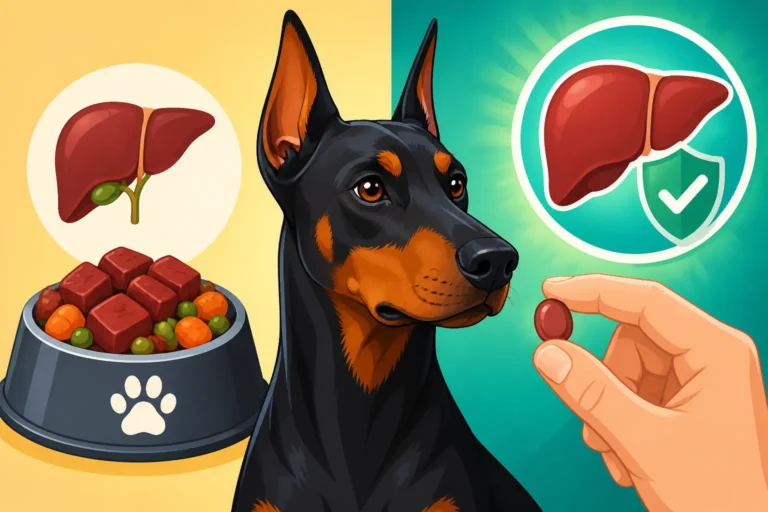
When your Doberman is diagnosed with a liver condition, particularly if it involves copper accumulation as seen in Copper Liver Disease in Doberman Females, a specialized hepatic diet becomes indispensable. The liver is a vital organ, performing hundreds of functions, from detoxification to protein synthesis, and when it's compromised, the right nutrition can make a world of difference.
Hepatic diets typically feature highly digestible carbohydrates, controlled levels of protein (to reduce the metabolic burden on the liver and prevent ammonia buildup), and, critically for Dobermans, very low copper content. These formulations also often include antioxidants to combat oxidative stress in the liver and may have increased zinc levels, which can interfere with copper absorption. The goal is to minimize further liver damage, support regeneration, and manage symptoms. This type of diet works hand-in-hand with treatments like Copper Chelation for a Doberman Liver to help your Doberman's liver function as effectively as possible, and careful monitoring of Liver Enzyme Results in a Doberman is usually part of the ongoing management.
Allergy and Sensitive Stomach Formulas
It can be truly frustrating to watch your Doberman constantly scratching, developing skin infections, or suffering from recurring digestive upset. Food allergies and sensitivities are common culprits, and they can manifest in a variety of ways, from itchy skin and ear infections to vomiting and diarrhea.
Prescription diets for allergies typically come in a few forms:
- Novel Protein Diets: These use protein sources your Doberman has likely never encountered before, like duck, venison, or kangaroo, to avoid triggering an immune response.
- Hydrolyzed Protein Diets: In these diets, the proteins are broken down into such tiny pieces that the immune system doesn't recognize them as allergens. This is often the gold standard for diagnosing and managing true food allergies.
- Limited Ingredient Diets (LID): While some over-the-counter LIDs exist, prescription versions are often more rigorously controlled to ensure no cross-contamination.
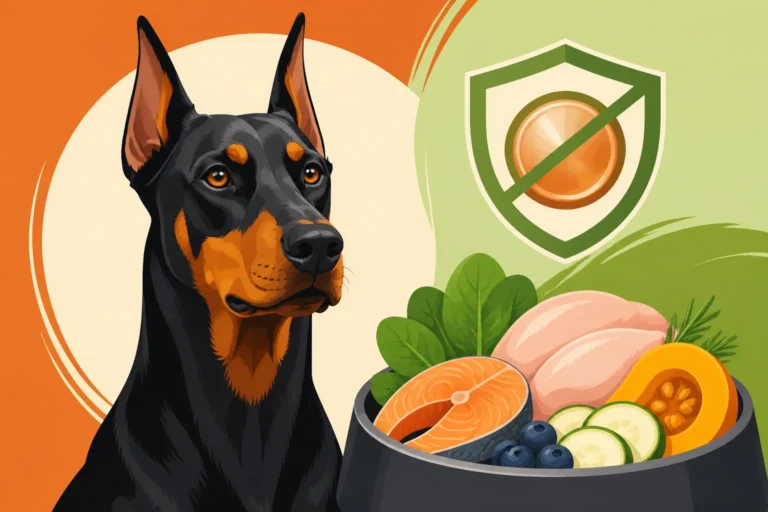
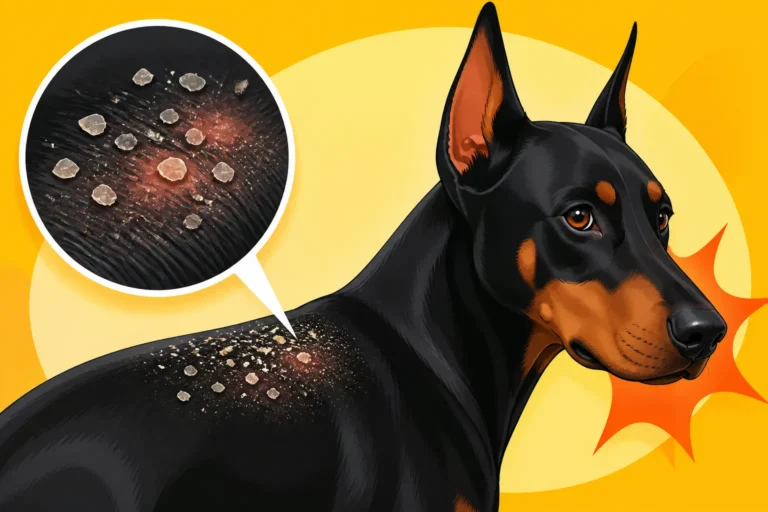
These diets help to identify and eliminate the specific ingredients causing your Doberman's discomfort, allowing their digestive system to heal and their skin to recover. This is particularly relevant if your Doberman is also dealing with issues like Hair Loss on a Blue Doberman or other skin-related complications, where reducing inflammation and allergic responses can significantly improve their overall condition and comfort.
Weight Management and Joint Support
Maintaining a healthy weight is crucial for any Doberman, but it becomes even more critical for those prone to joint issues or those who have already developed conditions like Doberman Hip Dysplasia. Overweight Dobermans place undue stress on their joints, exacerbating pain and accelerating degenerative changes.
Prescription weight management diets are formulated to be lower in calories but high in fiber, helping your Doberman feel full without consuming excess energy. They also often contain higher protein levels to help maintain lean muscle mass during weight loss. For Dobermans needing joint support, these diets are often enriched with supplements like glucosamine and chondroitin, and omega-3 fatty acids, which are known for their anti-inflammatory properties and their role in cartilage health. These diets aren't just about shedding pounds; they're about supporting mobility and overall comfort, especially as your Doberman ages and their joints naturally start to feel the effects of a lifetime of activity.
Understanding the Ingredients in Doberman Prescription Foods
When you pick up a bag of prescription dog food, you might notice the ingredient list looks a little different from standard kibble. It's not just about what's in the food, but the form and proportion of those ingredients, all carefully chosen to create a therapeutic effect that supports your Doberman's specific health needs. This isn't your average grocery store pet food; these are precision-engineered formulas.
Decoding the Label: What Key Ingredients Mean for Different Conditions
Understanding a prescription diet label means looking beyond just the main protein source. For example, a cardiac diet won't just say "chicken" or "salmon"; it will focus on controlled sodium levels, often achieved through specific salt forms or careful selection of low-sodium ingredients. It might also highlight the inclusion of amino acids like L-carnitine and taurine, crucial for heart muscle function, which might be listed higher up or separately emphasized.
For a Doberman with liver issues, you'll see phrases like "reduced copper" or "copper-restricted formula," along with easily digestible carbohydrates like rice and carefully balanced protein sources. The protein itself might be a specific type or a reduced amount to minimize the liver's workload. If it's an allergy diet, the label might boast "hydrolyzed protein" – meaning the protein has been broken down to an unrecognizable size for the immune system – or feature a "novel protein" like venison or kangaroo, ingredients your Doberman is unlikely to have encountered before. Every ingredient choice, from the fat source to the vitamin blend, is purposeful, tailored to manage a specific ailment rather than just provide general nutrition.
The Science Behind Therapeutic Diets
The development of therapeutic diets involves extensive veterinary nutritional research and clinical trials. These aren't simply "healthier" versions of regular dog food; they are formulated to interact with specific physiological pathways in the body. For instance, in kidney diets, the precise balance of phosphorus, calcium, and vitamin D is calibrated to slow the progression of kidney disease and manage secondary complications like mineral imbalances. The protein isn't just reduced; it's often high-quality protein to ensure muscle mass isn't lost while still minimizing kidney strain.
These diets are often designed to modify urine pH for urinary tract health, or to support gut microbiome balance with specific prebiotics and fiber blends for digestive issues. The ingredients are selected not just for their nutritional value, but for their functional properties in disease management. This scientific rigor is why prescription diets are only available through veterinary channels – they are essentially part of a medical treatment plan, requiring a diagnosis and ongoing oversight from a veterinarian to ensure they are appropriate and effective for your Doberman's unique condition.
Potential Downsides or Limitations
While prescription diets are incredibly beneficial, it’s also important to be realistic about their potential drawbacks. One common issue is palatability. A diet that is precisely formulated to be low in certain components (like sodium or specific proteins) might not always taste as appealing to your Doberman as their old, unrestricted food. This can lead to pickiness, which can be incredibly stressful when you know they need to eat this specific diet for their health.
Another limitation is that a prescription diet, while powerful, is not a magic bullet. It's a management tool, not a cure-all. For many chronic conditions, it works best in conjunction with medication, regular monitoring, and other lifestyle adjustments. There are also cases where a Doberman might have multiple complex health issues that make finding a single, perfectly tailored diet challenging. Your vet might need to try a few different formulations or even combine a prescription kibble with a specific prescription wet food to get the right balance and ensure your Doberman eats what they need. It’s an ongoing journey of adjustment and observation.
Working With Your Vet to Choose the Right Prescription Diet
Choosing a prescription diet for your Doberman is never a decision to take lightly or make on your own. These are medical foods, and their efficacy is directly tied to an accurate diagnosis and careful monitoring. Your veterinarian is your most valuable partner in this process, guiding you through the science, the options, and the practicalities to ensure your Doberman receives the best possible nutritional support.
The Importance of a Proper Diagnosis
You wouldn't take medicine for a condition you don't have, and the same principle applies to prescription diets. Before any diet is recommended, a thorough diagnostic process is essential. This might involve blood tests, urine analysis, imaging (like X-rays or ultrasounds), or even more specialized procedures depending on the suspected condition. For instance, if heart disease is a concern, your vet will likely recommend screenings like the Annual Echo and Holter Screening for a Doberman. If liver issues are suspected, they'll look at Liver Enzyme Results in a Doberman and potentially suggest further diagnostics.
Without a definitive diagnosis, you're essentially guessing, which can be not only ineffective but potentially harmful. Giving a Doberman a low-protein kidney diet when they actually have a different issue could lead to nutritional deficiencies. Therefore, always trust your vet's process. They are using their expertise and diagnostic tools to pinpoint the exact problem, which then allows them to select a diet specifically formulated to address that precise medical need. This step is non-negotiable for success.
Collaborating with Your Veterinary Team
Once a diagnosis is made, your vet will discuss the appropriate prescription diet options with you. This is your opportunity to ask questions, voice concerns, and understand the "why" behind their recommendation. Don't be afraid to dig deep! Ask about the specific ingredients, how the diet works to support your Doberman's condition, and what kind of improvements you can realistically expect to see.
Your veterinary team can also provide valuable insight into the various brands available. They work with these diets every day and understand the subtle differences between formulas, as well as which ones tend to be more palatable for certain dogs. They can explain how the diet fits into the broader treatment plan, which might include medications or lifestyle changes. It’s a collaborative effort. Be open about your Doberman’s eating habits, any financial constraints you might have (as Prescription Diet Costs for a Doberman can be significant), and your ability to adhere to strict feeding protocols. This open communication ensures the chosen diet is not only medically sound but also practical for your household.
Monitoring and Adjusting the Diet
Starting a prescription diet isn't usually a one-and-done scenario. It often requires ongoing monitoring and potential adjustments. Your vet will likely want to schedule follow-up appointments to re-evaluate your Doberman's condition. This might involve repeating blood tests, checking weight, assessing coat quality, or simply observing changes in their energy levels and overall demeanor.
For example, a Doberman on a cardiac diet might need regular checks of their breathing and fluid status. A Doberman with allergies might require several weeks on a hydrolyzed diet to see if symptoms resolve before carefully reintroducing other foods. If the initial diet isn't yielding the desired results, or if new symptoms emerge, your vet might suggest trying a different formula or adjusting the overall treatment plan. It’s an iterative process, much like managing human health conditions. Your consistent feedback on how your Doberman is doing at home—their appetite, energy, and any changes you observe—is invaluable to this monitoring process and helps your vet make informed decisions to optimize their health.
Navigating the Practicalities of Prescription Diet Feeding
Once you and your veterinarian have decided on a prescription diet for your Doberman, the next step is integrating it into your daily routine. This involves more than just pouring kibble into a bowl; it touches on aspects like availability, cost, and the delicate art of transitioning your Doberman to new food. Understanding these practicalities upfront can save you a lot of stress down the line.
The Cost Factor
Let’s be honest, prescription diets aren't cheap. They are often significantly more expensive than even premium over-the-counter foods, and this is a reality many Doberman owners have to grapple with. The higher price tag reflects the extensive research and development that goes into formulating these specialized diets, the quality and specific processing of ingredients, and the rigorous quality control necessary to ensure they meet their therapeutic claims.
When you're looking at Prescription Diet Costs for a Doberman, you're paying for a medically necessary treatment, not just a meal. It's a common frustration that can add financial strain to an already emotionally taxing situation. Some pet insurance policies might offer partial reimbursement for prescription diets if they are considered part of a treatment plan for a covered condition, so it’s always worth checking with your provider. Budgeting for this ongoing expense is crucial, and discussing cost concerns with your vet might lead to exploring different brands that offer similar therapeutic benefits at varying price points, or even looking into prescription coupons or loyalty programs.
Where to Purchase and Ensure Authenticity
Prescription diets, by their very nature, require a veterinary prescription. This means you typically can't just pick them up at any pet store. The most common place to purchase them is directly through your veterinarian's office, where they keep stock of common formulas. This also ensures you're getting the exact diet prescribed and have immediate access to advice.
However, many vets also partner with online pharmacies or offer their own online stores, which can be a convenient option for home delivery. Reputable online retailers, like Chewy, often carry a wide range of prescription diets and will require your vet to approve the prescription directly with them before shipping. When ordering online, always make sure you're getting the genuine product from a trusted source. Avoid third-party sellers on general marketplaces like Amazon unless they are explicitly authorized by the manufacturer or linked through your vet's portal, as authenticity can sometimes be a concern with sensitive medical products. While fresh food companies like Ollie focus on general healthy eating, prescription diets are formulated for specific medical needs, which is a key difference and requires careful sourcing. Always verify that your chosen vendor is legitimate and requires a prescription for these specialized foods.
Transitioning Your Doberman to a New Food
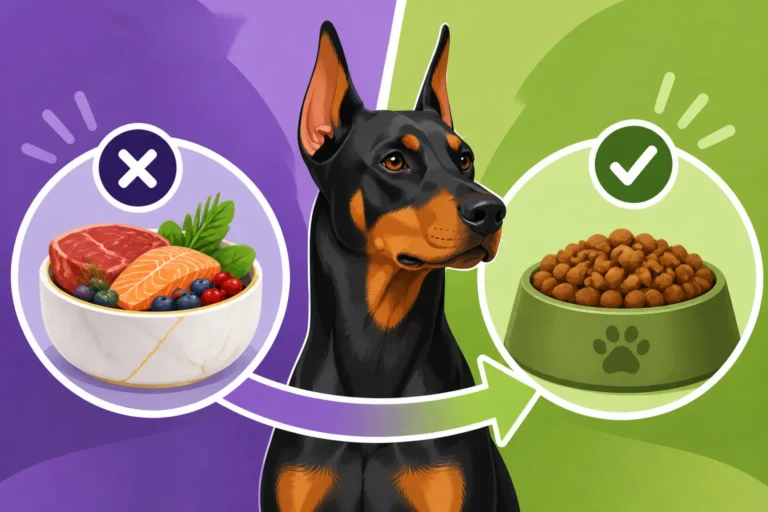
Dobermans, like many dogs, can have sensitive stomachs, and a sudden switch to a new food can easily lead to digestive upset – vomiting, diarrhea, or a complete refusal to eat. This is why a slow and gradual transition is absolutely key when introducing a prescription diet. The general rule of thumb is to mix the new food with the old food over a period of 7 to 10 days, gradually increasing the proportion of the new diet.
| Day | Old Food Percentage | New Food Percentage |
|---|---|---|
| 1-2 | 75% | 25% |
| 3-4 | 50% | 50% |
| 5-6 | 25% | 75% |
| 7-10 | 0% | 100% |
Watch your Doberman closely during this period for any signs of digestive upset. If you notice soft stools or vomiting, slow down the transition and keep them on a higher percentage of their old food for a few more days before increasing the new diet again. Some Dobermans are particularly finicky, and you might need to make the transition even slower, stretching it out over two weeks or more. Persistence and patience are vital here, as the long-term health benefits far outweigh the temporary inconvenience of a slow transition.
Beyond the Bowl: Supporting Your Doberman's Health
While a prescription diet is a cornerstone of managing many Doberman health conditions, it's never the only piece of the puzzle. A holistic approach that integrates diet with appropriate lifestyle adjustments, vet-approved supplements, and emotional support is crucial for your Doberman's overall well-being and to maximize the benefits of their specialized food.
Lifestyle Adjustments
Beyond their diet, several lifestyle factors can significantly impact your Doberman's health, particularly when they are managing a chronic condition. For a Doberman with heart disease, for instance, controlled, regular exercise is important, but strenuous activity that overworks their heart must be avoided. Your vet will advise on appropriate activity levels, perhaps suggesting shorter, more frequent walks instead of long, intense runs. Similarly, maintaining a calm and low-stress environment is beneficial for Dobermans with various ailments, as stress can exacerbate many conditions.
Ensuring your Doberman has a comfortable, warm place to rest is also paramount, especially for a breed with such a thin coat. Avoiding extreme temperatures and providing adequate bedding can prevent additional physical stress. Regular check-ups with your vet, including crucial screenings like the Annual Echo and Holter Screening for a Doberman, remain essential to monitor their progress and make any necessary adjustments to their overall care plan. These aren't just minor details; they are integral parts of supporting your Doberman's health journey.
Supplements as Adjuncts, Not Replacements
It’s tempting to want to give your Doberman every possible advantage, and often, owners look to supplements to boost their dog's health. While some supplements can be beneficial, especially for conditions like joint issues or certain deficiencies, they should always be considered adjuncts to a prescription diet and never replacements. A prescription diet is already a carefully balanced, therapeutic formula; adding unapproved supplements can throw off this balance, potentially leading to nutrient excesses or interactions that could be detrimental to your Doberman's health.
For example, while Taurine and Carnitine for a Doberman Heart might be beneficial, many cardiac prescription diets are already fortified with these. Doubling up without veterinary guidance could be unnecessary or even harmful. Always consult your veterinarian before adding any supplements to your Doberman's regimen, especially when they are on a prescription diet. They can advise on whether a particular supplement is safe, necessary, and won't interfere with the therapeutic diet. Some Doberman cardiologists, for instance, might specifically recommend Supplements a Doberman Cardiologist Actually Recommends for additional heart support, but this will always be part of a tailored, vet-approved plan.
The Emotional Toll on Owners
Let's be real: dealing with a Doberman's chronic health issue and the complexities of managing a prescription diet can take a significant emotional toll on you, the owner. It's not just the financial burden; it's the constant worry, the meticulous meal prep, the fear of doing something wrong, and the heartbreak of watching your vibrant Doberman struggle. It's okay to feel overwhelmed, frustrated, and even sad.
Remember that you are doing your absolute best for your Doberman by providing them with the specialized care they need. Seek support from your veterinary team, who often understand these challenges implicitly. Connecting with other Doberman owners who have faced similar issues can also provide a valuable community and shared experience. Celebrate the small victories, lean on your support network, and remember that your Doberman feels your love and dedication, which is just as important as the food in their bowl.
Disclaimer
This article is for general informational purposes only and does not constitute professional advice. Laws, prices and regulations vary by location and change over time. Consult a qualified professional for guidance on your specific situation.