Flaky Skin Along a Doberman’s Back
It's incredibly frustrating, isn't it? You spend so much time making sure your Doberman is healthy and happy, only to notice those unsightly flakes appearing along their sleek, dark back. It mars their beautiful coat and often leaves you wondering if you're doing something wrong or if it's a sign of a deeper issue. This guide is here to walk you through the common culprits behind flaky skin on your Doberman and equip you with practical, empathetic solutions to bring back that healthy shine.
Understanding Your Doberman's Unique Skin and Coat
When it comes to skin and coat, Dobermans are a little different from many other breeds. Their distinct coat type and certain genetic predispositions can make them more prone to specific issues or make existing problems more noticeable. Understanding these fundamental aspects is the first step in addressing any skin concerns, especially those pesky flakes along their back.
The Doberman's Single Coat: A Double-Edged Sword
One of the most defining characteristics of the Doberman coat is its single-layer construction. Unlike breeds with a thick, insulating undercoat, Dobermans boast a short, dense, and hard outer coat that lies close to their body. On one hand, this means less shedding (compared to, say, a German Shepherd) and an undeniably sleek, elegant appearance. It's a coat that truly highlights their powerful musculature and refined lines.
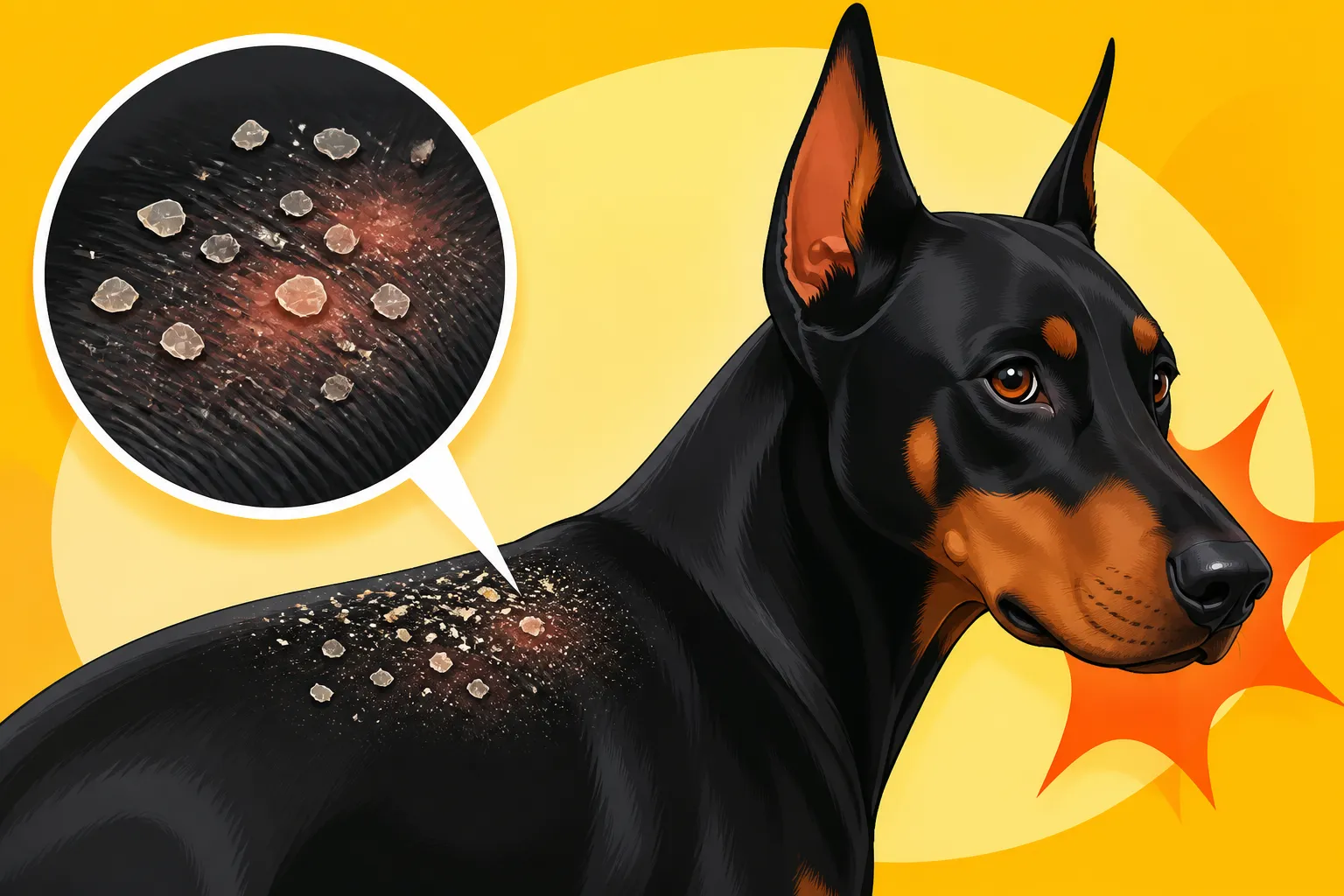
However, this lack of an undercoat also means they have fewer natural oils distributed throughout a thick hair shaft. The skin beneath is less insulated and perhaps a bit more exposed to environmental stressors. When something is amiss with their skin health, whether it's dryness, irritation, or an underlying condition, those flakes tend to stand out dramatically against their dark, close-lying hair, particularly along the spine where the coat is often thinnest. It’s not uncommon for a Doberman owner to feel like they’re constantly dusting off their furniture or finding a white dusting on their black dog’s back after a good scratch.
Environmental Factors That Aggravate Dryness
Our homes, as comfortable as they are for us, can sometimes be surprisingly harsh environments for our Dobermans' skin. Just like our own skin can get dry and chapped in certain conditions, your Doberman's skin is susceptible too. Low humidity is a huge offender, especially during the colder months when heating systems are blasting. Forced-air heating can strip moisture from the air, turning your cozy living room into a desert for your dog's skin.
Imagine your Doberman curled up near a warm air vent, enjoying the heat. While it feels lovely to them, that constant stream of dry air directly on their back can lead to significant skin dehydration, causing it to flake and itch. Beyond just dry air, harsh bathing practices can also play a role. Using shampoos that are too strong, contain irritants, or are not specifically formulated for dogs can strip the natural oils from their skin, leaving it vulnerable. Not rinsing thoroughly enough can also leave behind residue that dries out and irritates the skin, creating flakes. It’s a delicate balance; you want to keep them clean, but you don't want to inadvertently cause problems by over-bathing or using the wrong products.
Common Causes of Flaky Skin in Dobermans
Flaky skin, while often dismissed as just "dry skin," can be a symptom of a much wider array of issues, ranging from simple environmental factors to more complex underlying health conditions. For Doberman owners, it's crucial to understand these potential causes, as our beloved companions are sometimes predisposed to certain health challenges that manifest in their skin.
Dietary Deficiencies and Their Impact
What goes into your Doberman's bowl has a profound effect on what their skin and coat look like on the outside. A diet lacking in essential nutrients, particularly certain fatty acids, can directly contribute to dry, flaky skin. Think of it this way: their skin cells need building blocks, and if those blocks aren't there, the structure starts to crumble.
Specifically, a deficiency in Omega-3 and Omega-6 fatty acids can severely impact skin barrier function. These "good fats" are crucial for maintaining skin hydration, reducing inflammation, and promoting a healthy, shiny coat. If your Doberman is on a lower-quality kibble that uses cheap fillers or has been sitting on a shelf for too long, the fat content might be insufficient or the beneficial fatty acids might have degraded. I've heard from so many Doberman owners who switched to a higher-quality food, perhaps a fresh food service like Ollie, or a premium kibble found on Chewy, and were amazed at how quickly their dog's coat transformed from dull and flaky to soft and radiant. It’s a clear testament to the power of proper nutrition.
Hypothyroidism: A Silent Culprit
One of the more serious, yet often overlooked, causes of flaky skin in Dobermans is hypothyroidism. This is a condition where the thyroid gland doesn't produce enough thyroid hormone, which is vital for regulating metabolism, including skin and hair follicle health. Dobermans are, unfortunately, genetically predisposed to this condition.
The flakes you see might be accompanied by a dull, dry, and brittle coat, even hair loss, particularly along the flanks or tail. Beyond the skin, you might notice other subtle signs that could easily be dismissed as "just getting older," like lethargy, weight gain despite no change in diet, intolerance to cold, or even a change in temperament where they seem a bit more withdrawn or even slightly aggressive. If you're seeing flakes alongside these kinds of behavioral or physical changes, it's a huge red flag that warrants a trip to the vet for a thorough check. Getting your Doberman's thyroid levels properly tested is essential. Many vets will run a full thyroid panel, not just a basic T4, to get a complete picture. You can learn more about this by reading The Thyroid Numbers That Slow a Doberman Down.
Allergies and Sensitivities
Just like people, Dobermans can suffer from allergies, and these often manifest as skin issues. When your Doberman is constantly itching, scratching, or licking, it's a strong indicator that allergies might be at play, and this chronic irritation can definitely lead to flaky skin. These allergies can fall into a few categories:
- Environmental Allergies (Atopy): These are triggered by things in their environment like pollen, dust mites, mold spores, or even certain grasses. The itching often worsens seasonally, or after being in certain areas. Constant scratching damages the skin barrier, leading to dryness, inflammation, and flaking. You might notice them gnawing at their paws, rubbing their face, or scooting across the carpet.
- Food Allergies/Sensitivities: While less common than environmental allergies, food reactions can cause persistent itching and skin problems, including flaking. Certain protein sources (like beef or chicken) or grains can be culprits. The flaking often accompanies other symptoms like ear infections or gastrointestinal upset.
The challenge with allergies is that they often require a bit of detective work to pinpoint the exact trigger. It can be a long process of elimination, but identifying and managing the allergy is key to resolving the flaky skin and bringing your Doberman comfort.
Skin Infections and Parasites
Sometimes, those flakes aren't just dry skin; they could be a symptom of an underlying skin infection or an infestation of external parasites. These conditions disrupt the skin's natural balance and barrier, leading to irritation, inflammation, and, yes, flaking.
- Fungal Infections: Yeast infections (often caused by Malassezia) are common, especially in skin folds or if the skin barrier is already compromised by allergies. They typically cause greasy, itchy, red skin with a distinct odor, and yes, plenty of flakes. Ringworm, another fungal infection, can cause circular patches of hair loss and scaly skin.
- Bacterial Infections (Pyoderma): These can be primary issues or secondary to allergies and scratching. Bacteria thrive on irritated or broken skin, causing pustules, redness, crusting, and flaking.
- External Parasites: Fleas and mites are notorious for causing intense itching, which leads to scratching and subsequent skin damage and flaking. Mites, like those causing sarcoptic mange or demodectic mange, can create a particularly scaly, flaky, and intensely itchy skin presentation. If you’re seeing red bumps, scabs, or localized flaking that seems to spread, especially if your Doberman is constantly uncomfortable, parasites or an infection should be top of mind. For more on serious skin issues, you might find Skin Infections in a Bald Doberman helpful, even if your Doberman isn't bald, as the principles of identifying and treating infections are similar.
Practical Solutions for a Healthier Doberman Coat
Once you have a better understanding of why your Doberman might be experiencing flaky skin, you can start implementing practical, proactive steps to restore their coat health. Many of these solutions involve simple adjustments to their daily routine and environment, making a big difference in their comfort and appearance.
Optimizing Diet and Supplements
A truly healthy coat starts from the inside out, and that means paying close attention to what you're feeding your Doberman. If you're currently feeding a bargain-brand kibble, simply upgrading to a higher-quality, balanced dog food can make a world of difference. Look for foods with clearly named meat ingredients as the first few items, and avoid excessive fillers. Brands available on Chewy or Amazon often list detailed ingredient panels and nutritional information, allowing you to compare options easily.
Beyond the base diet, supplementing with essential fatty acids is often a game-changer for Dobermans with flaky skin. Omega-3 fatty acids, particularly EPA and DHA found in fish oil, are powerful anti-inflammatories and crucial for skin hydration and barrier function. Look for a high-quality fish oil supplement, perhaps even one specifically formulated for dogs. Your vet can advise on the correct dosage for your Doberman's weight. Omega Oils for a Doberman With Coat Loss offers even more insights into the benefits of these supplements. Consider the following table for a quick overview:
| Factor | Description | Recommendations |
|---|---|---|
| Protein Source | High-quality, easily digestible protein is essential for hair growth and skin repair. | Look for named meat proteins (e.g., chicken meal, lamb) as the first ingredients. Consider novel proteins if food allergies are suspected. |
| Fat Content | Adequate healthy fats are crucial for skin barrier and moisture. | Ensure sufficient fat levels, especially Omega-3s and Omega-6s. Fish oil supplements (EPA/DHA) are highly recommended. |
| Vitamins/Minerals | Zinc, Vitamin A, Vitamin E, and B vitamins play vital roles in skin health. | A complete and balanced commercial diet should provide these. Supplements may be needed if deficiencies are identified, but always consult your vet first. |
| Hydration | Proper hydration is critical for skin elasticity and overall health. | Ensure constant access to fresh water. Consider adding water or bone broth to kibble. |
| Brand Choice | Quality varies significantly. | Research reputable brands. Consider fresh food (like Ollie) or premium kibbles. Read reviews on platforms like Chewy and Amazon. |
Smart Bathing and Grooming Practices
How you bathe and groom your Doberman can either soothe their skin or exacerbate existing dryness and flakiness. The goal is to cleanse without stripping their natural protective oils. Avoid using human shampoos, as they have a different pH balance and can be irritating to canine skin.
Instead, opt for a gentle, moisturizing dog shampoo, ideally one containing colloidal oatmeal, aloe vera, or ceramides, which are known for their soothing and hydrating properties. When bathing, use lukewarm water and ensure you thoroughly rinse every trace of shampoo from their coat. Residual shampoo is a common culprit for skin irritation and flaking. After their bath, gently towel dry and ensure they are completely dry, especially in cooler weather, before they go outside. You can read more about gentle bathing in Washing a Doberman Without Stripping Its Skin. Between baths, regular but not excessive brushing with a soft brush can help distribute natural skin oils, remove loose hair and flakes, and stimulate circulation, all of which contribute to a healthier coat.
Environmental Adjustments and Hydration
Sometimes, the simplest changes in your Doberman's environment can have a profound impact on their skin health. If you live in a dry climate or run your heating or air conditioning frequently, the air in your home can become incredibly dry. This can directly lead to dry, flaky skin for your Doberman. Investing in a humidifier, especially in the room where your Doberman sleeps or spends the most time, can significantly add moisture back into the air, benefiting both their skin and yours!
Beyond air quality, ensuring your Doberman is consistently well-hydrated from the inside out is paramount. Always provide fresh, clean water, and consider encouraging more water intake by offering a water fountain, adding a splash of bone broth to their meals, or wetting down their kibble slightly. Protecting their sensitive skin from harsh elements is also important. In extreme cold, or when they are outside for extended periods, a coat can provide not just warmth, but also a barrier against drying winds and low temperatures. You can learn more about keeping your Doberman comfortable in different climates with The Temperature a Doberman Needs a Coat. Similarly, if your Doberman enjoys sunbathing, be mindful of overexposure, especially if they have lighter colored coats or thinning hair, as sunburn can also lead to flaky, damaged skin.
When to Seek Professional Veterinary Help
While many cases of flaky skin can be managed with diet changes and improved grooming, it's vital to know when the problem goes beyond simple dryness and requires professional veterinary attention. Ignoring persistent or worsening skin issues can lead to increased discomfort for your Doberman and potentially more severe health problems down the line.
Identifying Red Flags
It's one thing to see a few flakes now and then, especially in transitional seasons, but there are certain signs that should prompt an immediate call to your veterinarian. If you notice any of the following alongside the flaky skin, don't delay in seeking professional advice:
- Persistent Itching or Scratching: If your Doberman is constantly scratching, licking, or chewing at their skin, even after you've tried home remedies, it indicates discomfort that needs addressing.
- Redness, Inflammation, or Bumps: Any signs of skin irritation, such as angry red patches, swelling, pustules, or noticeable bumps, point towards infection or severe allergic reaction.
- Hair Loss: While some flaking might come with minor hair thinning, significant or patchy hair loss (alopecia) is a strong indicator of an underlying medical condition, like a severe allergy, thyroid issue, or parasitic infestation.
- Changes in Behavior or Appetite: If your Doberman seems lethargic, withdrawn, has a decreased appetite, or shows any other systemic signs of illness along with the skin problems, it's crucial to get them checked. This could be a sign of something like hypothyroidism or another internal issue.
- Odor: A strong, yeasty, or otherwise unpleasant odor emanating from their skin suggests a bacterial or fungal infection.
Trust your gut feeling as a Doberman owner; if something just doesn't seem right, it's always better to err on the side of caution and consult your vet.
The Diagnostic Process
When you take your Doberman to the vet for flaky skin, be prepared for a thorough examination and potentially several diagnostic tests. Your vet will start by asking detailed questions about your Doberman's diet, environment, grooming routine, and any other symptoms you've noticed. They'll perform a physical exam, meticulously checking the skin and coat along their back and elsewhere.
Depending on their initial findings, they might recommend:
- Skin Scrapes: To look for mites (like Demodex or Sarcoptes) under a microscope.
- Fungal Cultures: To identify ringworm or other fungal infections.
- Cytology: Examining cells from the skin surface to identify yeast or bacteria.
- Blood Tests: A complete blood count and chemistry panel can check for systemic illness, and a thyroid panel is crucial to rule out hypothyroidism, a common Doberman ailment. For proper thyroid screening, it’s important to understand Thyroid Testing a Doberman Properly.
- Dietary Trials: If food allergies are suspected, your vet might recommend a limited ingredient or novel protein diet for several weeks to see if symptoms resolve.
The diagnostic process is about narrowing down the possibilities until the precise cause of your Doberman's flaky skin is identified, ensuring the correct treatment can be initiated.
Treatment Options and Long-Term Management
Once a diagnosis is made, your vet will work with you to develop a tailored treatment plan for your Doberman. This might involve a combination of approaches, depending on the underlying cause.
For infections, antibiotics (for bacterial infections) or antifungals (for yeast or ringworm) might be prescribed, often in combination with medicated shampoos or topical treatments. For allergies, management might include antihistamines, corticosteroids, or newer allergy medications to control itching and inflammation. If hypothyroidism is diagnosed, your Doberman will likely need daily thyroid hormone replacement medication for the rest of their life, which is usually very effective at resolving the skin issues and other symptoms.
Long-term management often involves continued dietary adjustments (like specialized low-allergen diets or foods formulated for skin health), regular use of moisturizing or medicated shampoos, and consistent supplementation with essential fatty acids. Environmental control, such as using humidifiers or avoiding known allergens, will also be key. It's a journey, not a sprint, and consistent communication with your vet is crucial for monitoring progress and adjusting the plan as needed to keep your Doberman's coat healthy and flake-free.
Disclaimer
This article is for general informational purposes only and does not constitute professional advice. Laws, prices and regulations vary by location and change over time. Consult a qualified professional for guidance on your specific situation.