Hair Loss on a Blue Doberman
Seeing your magnificent blue Doberman, a picture of elegance and power, begin to show signs of thinning hair or even bald patches can be truly heartbreaking and confusing. It's a frustrating reality for many owners who adore their blue-coated companions, and it often leads to a cycle of expensive vet visits and ineffective treatments if the underlying cause isn't properly identified. This guide is here to walk you through understanding, managing, and living with hair loss in blue Dobermans, specifically focusing on Color Dilution Alopecia (CDA).
Understanding Color Dilution Alopecia CDA in Blue Dobermans
For those of us who cherish our Dobermans, especially those with the unique and striking blue coat, discovering patches of thinning hair or complete hair loss can be incredibly distressing. It's not just a cosmetic issue; it's a sign that something deeper is affecting their skin and overall comfort. One of the most common culprits for this in blue Dobermans is a genetic condition known as Color Dilution Alopecia, or CDA.
What Exactly is CDA?
Color Dilution Alopecia is a mouthful, but it simply refers to a genetic condition primarily affecting dogs with diluted coat colors, such as blue (which is a dilute black) and fawn (which is a dilute red). In Dobermans, this manifests as hair loss and recurring skin infections. The problem stems from the way the pigment, or color, is distributed within the hair shaft and how the hair follicles themselves develop.
Normally, pigment granules are evenly dispersed within the hair. However, in dogs with CDA, these pigment granules clump together irregularly inside the hair shaft. Imagine trying to build a strong structure with bricks that are unevenly sized and poorly glued together – it's going to be weak. The hair shafts become fragile and brittle, prone to breaking off easily or failing to grow properly in the first place. This leads to the characteristic thinning and eventual baldness we observe. The genetic mutation responsible actually impacts the structure of the hair follicle itself, causing it to become malformed and unable to produce healthy hair. It’s a bit like having a factory that's designed to make strong ropes, but suddenly it starts producing frayed, weak threads instead. This isn't just about aesthetics; the compromised skin barrier and hair follicles leave your Doberman's skin much more vulnerable to the elements and infections.
The Genetic Link to Diluted Colors
The beautiful blue coat color in Dobermans is actually a result of a recessive gene, often referred to as the "d" gene. A Doberman must inherit two copies of this gene (dd) to express the dilute color, whether it's blue or fawn. While this gene gives them their distinctive look, it also unfortunately predisposes them to CDA. It's crucial to understand that not every blue Doberman will develop CDA. Some blue Dobermans live their entire lives with a full, healthy coat, while others start showing signs of hair loss early on. It's a complex genetic predisposition rather than a guaranteed outcome.
This genetic link is why serious breeders and veterinarians often discuss the health implications tied to specific coat colors. It’s part of a broader conversation about responsible breeding and understanding the genetic health of the breed. If you're looking into Color Dilution Alopecia in Blue and Fawn Dobermans, you'll find that this condition isn't exclusive to Dobermans but affects other breeds with dilute colors as well, such as Great Danes and Italian Greyhounds, reinforcing the strong genetic component. The "d" locus, as it's known, is a well-researched area in canine genetics because of its association with skin and coat health issues.
Why Blue Dobermans Are Particularly Affected
While both blue and fawn Dobermans can be affected by CDA, it's often more commonly observed and sometimes more severe in blue Dobermans. The exact reasons for this difference aren't fully understood, but it's believed to relate to the specific way the diluted black pigment (which results in blue) impacts the hair follicle structure compared to diluted red (which results in fawn). In blue Dobermans, the clumped melanin granules are particularly disruptive to the normal keratinization process within the hair follicle.
This disruption means the hair shafts produced are intrinsically weaker, thinner, and more susceptible to environmental damage. Think of it like a chain made of faulty links; it doesn't take much for it to break. The affected hair often breaks off at or just below the skin surface, leading to sparse hair growth and eventually bald patches. This makes their skin incredibly sensitive and prone to secondary issues. It's a sad irony that the very genetic trait that makes them so uniquely beautiful also carries this significant health vulnerability. Understanding this underlying mechanism helps us appreciate why a simple conditioning shampoo won't magically fix the issue; it's a structural problem from the ground up.
Recognizing the Signs and Symptoms of Hair Loss
Spotting the early signs of hair loss in your blue Doberman is key to managing the condition and ensuring your dog's comfort. It can start subtly, and sometimes owners might initially dismiss it as normal shedding or a temporary change. However, CDA has a distinctive progression and associated symptoms that, once recognized, can help you advocate for your dog's health more effectively.
Early Indicators of CDA
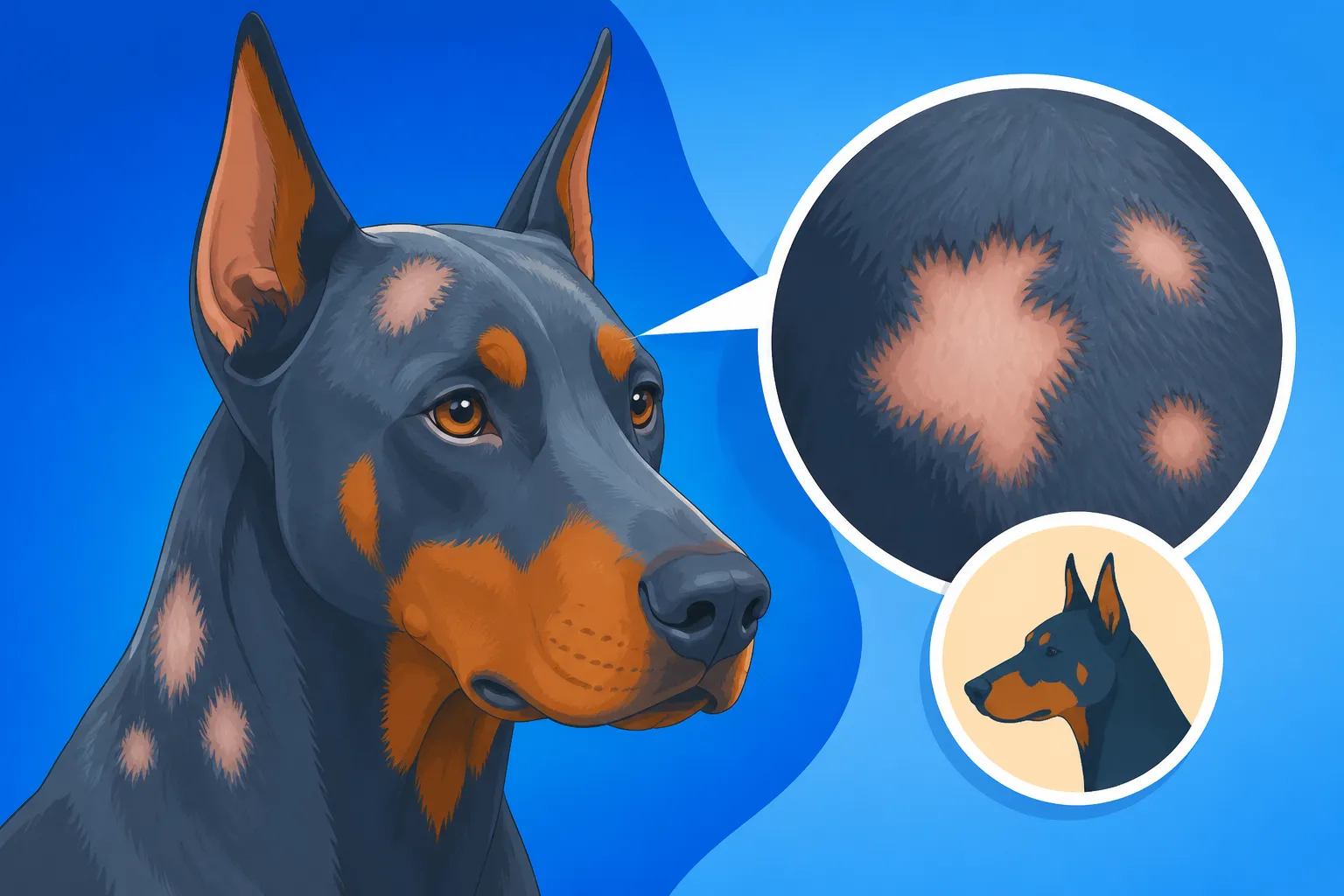
The onset of CDA often begins with subtle changes to the coat. You might first notice that your Doberman’s beautiful blue coat seems a bit duller than usual, perhaps less lustrous. Instead of that rich, deep sheen, it might appear somewhat faded or even slightly dusty. This can progress to a noticeable thinning of the hair, particularly on the trunk and flanks, but also sometimes on the ears, head, and neck. It might look like the coat is being "moth-eaten" in patches, where some areas are sparser than others. Individual hairs might appear unusually fine, almost wispy, and you might find more broken hair strands around the house or on their bedding.
Often, owners report that the hair loss tends to start when the dog is still young, typically between six months and two years of age, though it can sometimes appear later. It’s important to pay close attention during this developmental period. If you’re curious about The Age a Blue Doberman Starts Losing Hair, you'll find that this early onset is quite common for CDA, distinguishing it from age-related hair loss or other conditions that might surface later in life. These early signs are easily missed, especially if you’re not looking for them specifically or if your dog’s coat is naturally very dense, but careful observation is invaluable.
Progression of Hair Loss and Skin Issues
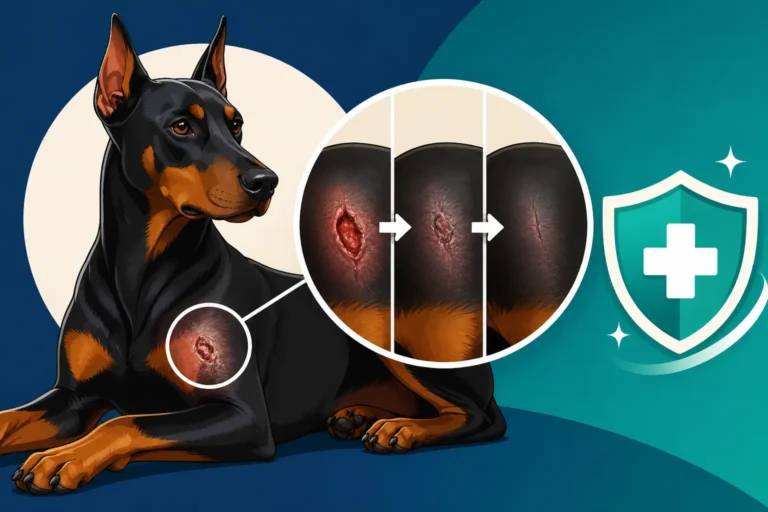
As CDA progresses, the hair loss becomes more pronounced. What started as thinning can escalate to complete alopecia, leaving significant areas of bare, unprotected skin. These bald patches often develop symmetrically, meaning if it's happening on one side of their body, it's likely happening in a similar spot on the other side. The skin in these areas might look peculiar; it often becomes dry, scaly, and flaky. You might even observe the development of comedones, which are essentially blackheads – small, dark plugs within the hair follicles that are visible on the skin.
The real trouble, and where the most discomfort arises, is when these compromised hair follicles and fragile skin become a breeding ground for secondary infections. Bacterial folliculitis (inflammation of the hair follicles) is incredibly common with CDA. You might see small red bumps, pustules (tiny pus-filled pimples), or crusting on the skin. The skin might become greasy, itchy, and irritated, leading your Doberman to scratch, lick, or rub excessively, which only exacerbates the problem and can introduce more bacteria. These secondary infections can make a beautiful blue Doberman look quite miserable and feel even worse, turning a cosmetic issue into a serious dermatological challenge. Left untreated, these infections can become chronic and much harder to manage. Therefore, understanding that Skin Infections in a Bald Doberman are a frequent complication of CDA is critical for proactive care.
Differentiating CDA from Other Skin Conditions
Recognizing CDA is a vital first step, but it’s equally important to differentiate it from other conditions that can cause hair loss in Dobermans. Many owners initially suspect allergies or even something more serious, which is why a proper veterinary diagnosis is non-negotiable. For instance, hypothyroidism, a common endocrine disorder in Dobermans, can also cause symmetrical hair loss, often accompanied by weight gain, lethargy, and a dull coat. However, with hypothyroidism, the skin itself typically doesn't show the distinct comedones or primary inflammatory changes seen with CDA, and hair loss might start later in life. If you're investigating Thyroid Testing a Doberman Properly, you'll know that a full thyroid panel is essential to rule this out.
Allergies, whether environmental, food-related, or to fleas, also manifest with itching and skin issues, frequently leading to hair loss due to excessive scratching and secondary infections. However, allergic reactions typically present with intense itching before hair loss, and the pattern of hair loss might be more generalized or focused on areas like the belly, paws, or face, rather than the specific patterns of CDA. Parasitic infestations like demodectic mange can also cause hair loss and skin irritation, particularly in young dogs or those with weakened immune systems. A veterinarian can easily distinguish these through simple skin scrapes. Because the treatment protocols for each condition vary wildly, getting a precise diagnosis is paramount. Without it, you could be spending money on treatments that don't address the actual problem, leaving your Doberman suffering needlessly.
Diagnosis and Management Strategies
Once you suspect your blue Doberman might be dealing with CDA, the next crucial step is getting a definitive diagnosis and establishing a comprehensive management plan. This isn't a condition with a quick fix, but with proper care, you can significantly improve your Doberman's quality of life and minimize discomfort.
Getting a Proper Veterinary Diagnosis
The path to diagnosing CDA often begins with a thorough clinical examination by your veterinarian. They’ll look closely at the pattern of hair loss, the condition of the skin, and ask about the onset and progression of symptoms. Given that several conditions can cause hair loss, your vet will likely perform some preliminary tests to rule out other common culprits. This might include skin scrapes to check for mites (like Demodex), fungal cultures to detect ringworm, and blood tests to assess thyroid function.
If these initial tests come back negative, and the clinical signs strongly point towards CDA, your vet might recommend a skin biopsy. This involves taking a small tissue sample from an affected area of the skin, under local anesthesia, and sending it to a veterinary dermatopathologist for examination. Under the microscope, a biopsy from a dog with CDA will reveal characteristic abnormalities: clumps of melanin granules within the hair shafts and malformed hair follicles. This microscopic evidence provides a definitive diagnosis. It's truly the gold standard for confirming CDA and ruling out other conditions. Don't be afraid to ask your vet for a referral to a veterinary dermatologist if your regular vet is less experienced with this specific condition, as their specialized knowledge can be invaluable in getting an accurate and timely diagnosis.
Topical and Systemic Treatments for Skin Health
Managing CDA is primarily about supporting skin health, preventing secondary infections, and alleviating discomfort. There's no cure, but there are many effective strategies. Topical treatments are a cornerstone of this approach. Medicated shampoos containing ingredients like benzoyl peroxide or chlorhexidine are often prescribed. Benzoyl peroxide helps to flush out the hair follicles, reducing the build-up of keratin and bacteria, while chlorhexidine is an antiseptic that combats bacterial and yeast infections. For severe dryness and flaking, your vet might recommend emollients or moisturizing conditioners after bathing to help restore the skin's barrier function. If your Doberman is struggling with significant coat loss, exploring Medicated Baths for a Doberman With Coat Loss can provide specific guidance on frequency and product choices.
For active secondary bacterial infections, systemic antibiotics (oral medications) may be necessary, and for yeast infections, antifungals. These are typically prescribed for a specific duration to clear up the infection. In some cases, veterinarians might consider oral retinoids (e.g., synthetic vitamin A derivatives) which can help normalize follicular keratinization, though these require careful monitoring due to potential side effects. It’s a delicate balance, and your vet will tailor the treatment plan to your Doberman's specific needs, aiming to keep their skin as healthy and comfortable as possible. Consistent, long-term management is key here.
Nutritional Support and Supplementation
Beyond topical and systemic medications, providing excellent nutritional support can play a significant role in managing CDA and promoting overall skin health for your Doberman. A high-quality, balanced diet that is rich in essential nutrients is fundamental. Focus on diets with good sources of protein and healthy fats.
When it comes to supplementation, essential fatty acids (EFAs), particularly Omega-3 and Omega-6, are often highly recommended. These fatty acids are crucial for maintaining skin barrier integrity, reducing inflammation, and improving coat quality. Many veterinarians suggest supplements specifically formulated for canine skin and coat health. Brands like Nordic Naturals or DermCaps (from Virbac) are often recommended for their quality and specific ratios of EPA and DHA. If you’re considering Omega Oils for a Doberman With Coat Loss, understand that while they won't regrow hair in bald areas caused by CDA, they can certainly improve the health of existing hair and the overall condition of the skin, making it less dry and prone to infection. Another supplement sometimes discussed is melatonin, which some anecdotal reports suggest may help with certain types of alopecia, but its efficacy for CDA is not scientifically proven and results can be inconsistent. Always discuss any supplements with your vet before introducing them, as some can interact with medications or not be appropriate for all dogs.
Living with a Blue Doberman with CDA
Bringing a blue Doberman into your home means preparing for their unique needs, and if they develop CDA, those needs become even more pronounced. It’s about creating an environment and routine that supports their sensitive skin and keeps them comfortable and happy. It's a commitment, but one that is incredibly rewarding for these loyal companions.
Protecting Delicate Skin from the Elements
One of the biggest challenges for a Doberman with CDA is their compromised skin barrier. The lack of hair means their skin is directly exposed to environmental aggressors that a fully-coated dog would be protected from. This makes them highly susceptible to sunburn, especially in sunny climates or during extended outdoor exposure. Just like humans, dogs can get sunburned, and it can be painful and increase the risk of skin cancers. Applying dog-specific sunscreen to bare patches of skin before outdoor activities is a must. If you're looking for guidance, Sun Protection for a Thin-Coated Doberman offers practical tips on what products to use and how to apply them safely.
Conversely, their thin coat and lack of undercoat already make Dobermans sensitive to cold, but CDA exacerbates this issue significantly. In cooler weather, or even in air-conditioned homes, they can get chilled very quickly. Investing in well-fitting dog sweaters or coats is not just a fashion statement; it's a necessity for their comfort and health. Look for soft, non-irritating materials. The article Sweaters for a Doberman That Has Lost Coat can give you ideas on finding the right types of apparel to keep your Doberman warm and protected without causing further skin irritation. Always ensure their sleeping areas are warm and draft-free, perhaps with extra blankets or a heated dog bed during colder months.
Preventing Secondary Skin Infections
Due to the structural abnormalities of their hair follicles and the fragility of their skin, blue Dobermans with CDA are a magnet for secondary bacterial and yeast infections. Preventing these infections is paramount to their comfort and long-term health. Regular bathing with the medicated shampoos prescribed by your vet is crucial. The frequency will depend on your Doberman's individual needs and the severity of their skin issues, but typically it might be weekly or bi-weekly. This helps to reduce bacterial and yeast populations on the skin, remove scales, and keep the follicles clear. Always follow your vet's instructions precisely, and ensure you're using products that won't further dry out or irritate their already sensitive skin.
Beyond bathing, daily skin checks are a good habit to adopt. Gently run your hands over your Doberman's skin, looking for any new redness, bumps, pustules, crusts, or signs of greasiness or odor. Early detection of a flare-up allows for prompt treatment, often preventing a minor irritation from escalating into a full-blown, painful infection. If you notice any suspicious changes, contact your vet immediately. It's much easier and less expensive to treat an infection in its early stages than to battle a widespread, deep-seated one.
Financial Considerations and Support
Let's be realistic: managing a chronic condition like CDA can come with ongoing financial commitments. It’s not just the initial diagnostic tests, which can include specialist consultations and biopsies, but also the continuous costs of medicated shampoos, conditioners, antibiotics or antifungals for flare-ups, supplements, special clothing for protection, and regular veterinary check-ups to monitor skin health. These costs can certainly add up over your Doberman's lifetime.
It's helpful to be prepared for this reality. Many Doberman owners find that pet insurance, when acquired before any symptoms arise, can be a lifesaver. Companies like Healthy Paws, for example, offer comprehensive coverage that can help with unexpected vet bills for accidents and illnesses. However, it's vital to understand that chronic conditions like CDA are usually considered pre-existing if diagnosed before or during the waiting period of your policy, meaning they may not be covered. This highlights the importance of thorough research and asking detailed questions about coverage specifics before committing to a policy. Nevertheless, even if CDA isn't covered, having insurance for other potential health issues that Dobermans are prone to, such as heart disease or Wobbler syndrome, can still offer immense peace of mind. For a deeper dive into the potential financial implications, Whether a Blue Doberman Costs More to Keep explores the various expenses associated with these unique dogs, offering a realistic picture for prospective and current owners. Budgeting for these ongoing needs ensures your Doberman receives consistent, high-quality care throughout their life.
Ethical Considerations and Breeding
The striking appearance of a blue Doberman is undeniable, but the prevalence of conditions like CDA brings important ethical considerations to the forefront, particularly for breeders and prospective owners. It’s a discussion that goes beyond aesthetics and delves into the responsibility we have to promote the health and welfare of the breed.
The Controversy Around Diluted Colors
The blue and fawn coat colors in Dobermans are certainly beautiful and unique, drawing many admirers. However, within the Doberman community and among responsible breeders, these dilute colors are often a point of contention due to their strong association with health issues like Color Dilution Alopecia. Many breed clubs and reputable organizations actively discourage the breeding of blue or fawn Dobermans precisely because of the increased risk of CDA, as well as other potential skin problems and sometimes even temperament concerns.
The argument is that prioritizing a rare or aesthetically pleasing color over the established health and robustness of the breed is irresponsible. While a blue Doberman can live a full and happy life with proper management, the genetic predisposition to a chronic, often uncomfortable condition is a significant burden on the dog and its owner. This ethical stance is rooted in the desire to improve the overall health of the Doberman breed. For potential owners, it means being fully aware of these risks before bringing home a blue Doberman. If you’re weighing the pros and cons, reading Whether to Buy a Blue Doberman At All might offer valuable insights into this complex decision. It’s a choice that requires careful thought, not just admiration for a beautiful coat.
Responsible Breeding Practices
For breeders, responsible practices are paramount, especially when dealing with genetic predispositions like CDA. The goal of any ethical breeder should be to produce healthy, well-tempered dogs that adhere to breed standards. This means making informed breeding decisions that prioritize health over novelty.
A critical step for all Doberman breeders, regardless of the colors they produce, is genetic testing. While a blue or fawn Doberman clearly expresses the dilute gene (dd), black and red Dobermans can still be carriers of the "d" gene (Dd). If two carriers are bred together, they can produce blue or fawn puppies, inadvertently propagating the risk of CDA. Therefore, breeders should utilize DNA panels to identify carriers of the dilute gene and make breeding choices that avoid producing litters genetically predisposed to CDA. If you are researching The Health Testing a Doberman Breeder Must Show, you will find that genetic testing for various conditions, including the dilute gene, is a hallmark of a reputable breeder. Ethical breeders will be transparent about the genetic health of their breeding stock, openly discuss potential health risks associated with certain coat colors, and prioritize the health and longevity of their puppies above all else. They understand that breeding isn't just about making puppies; it's about safeguarding the future of the breed.
| Symptom / Condition | Color Dilution Alopecia (CDA) | Hypothyroidism | Allergic Dermatitis |
|---|---|---|---|
| Primary Cause | Genetic defect affecting hair follicle development and pigment clumping | Underactive thyroid gland | Immune reaction to allergens (environmental, food, flea) |
| Onset Age | Typically 6 months to 2 years (can be later) | Often 2-6 years, but can be any age | Can start at any age, often seasonal or chronic |
| Hair Loss Pattern | Symmetrical thinning/baldness, often on flanks, back, ears | Symmetrical thinning, often on trunk, tail, face, "rat tail" | Variable, often in areas of self-trauma (paws, belly, groin, face) |
| Skin Appearance | Dry, flaky, scaly, blackheads (comedones), prone to secondary infection | Dry, thick, sometimes hyperpigmented (darkened), no primary itch | Red, inflamed, itchy, pustules, crusts, greasy, secondary infection |
| Associated Symptoms | Often only skin/coat issues, mild itching if secondary infection | Lethargy, weight gain, cold intolerance, dull coat, mental dullness | Intense itching, ear infections, paw licking, sneezing, GI upset |
| Diagnostic Tests | Skin biopsy (definitive), rule out other causes | Full thyroid panel (T4, fT4, TSH) | Allergy testing (skin or blood), food elimination diet, rule out parasites |
| Treatment Approach | Symptomatic: Medicated shampoos, antibiotics for infection, emollients, Omega-3s | Thyroid hormone replacement medication (lifelong) | Allergen avoidance, antihistamines, steroids, immunomodulators, medicated baths, diet change |
Disclaimer
The information provided in this article is for general informational purposes only and does not constitute veterinary advice. Always consult with a qualified veterinarian for any health concerns or before making any decisions about your Doberman's medical care.