Doberman Hip Dysplasia
It’s a heartbreaking moment for any Doberman owner when you start to notice something isn't quite right with their movement. Perhaps they’re not jumping into the car with their usual enthusiasm, or maybe that majestic Doberman trot looks a little off after a long walk. Hip dysplasia, a condition that can cast a long shadow over a Doberman's health and mobility, often leaves us feeling helpless and worried. This comprehensive guide is here to shed light on Doberman hip dysplasia, helping you understand its complexities, recognize the signs, explore treatment options, and ultimately give your beloved companion the best quality of life possible.
Understanding Doberman Hip Dysplasia: More Than Just a Bad Joint
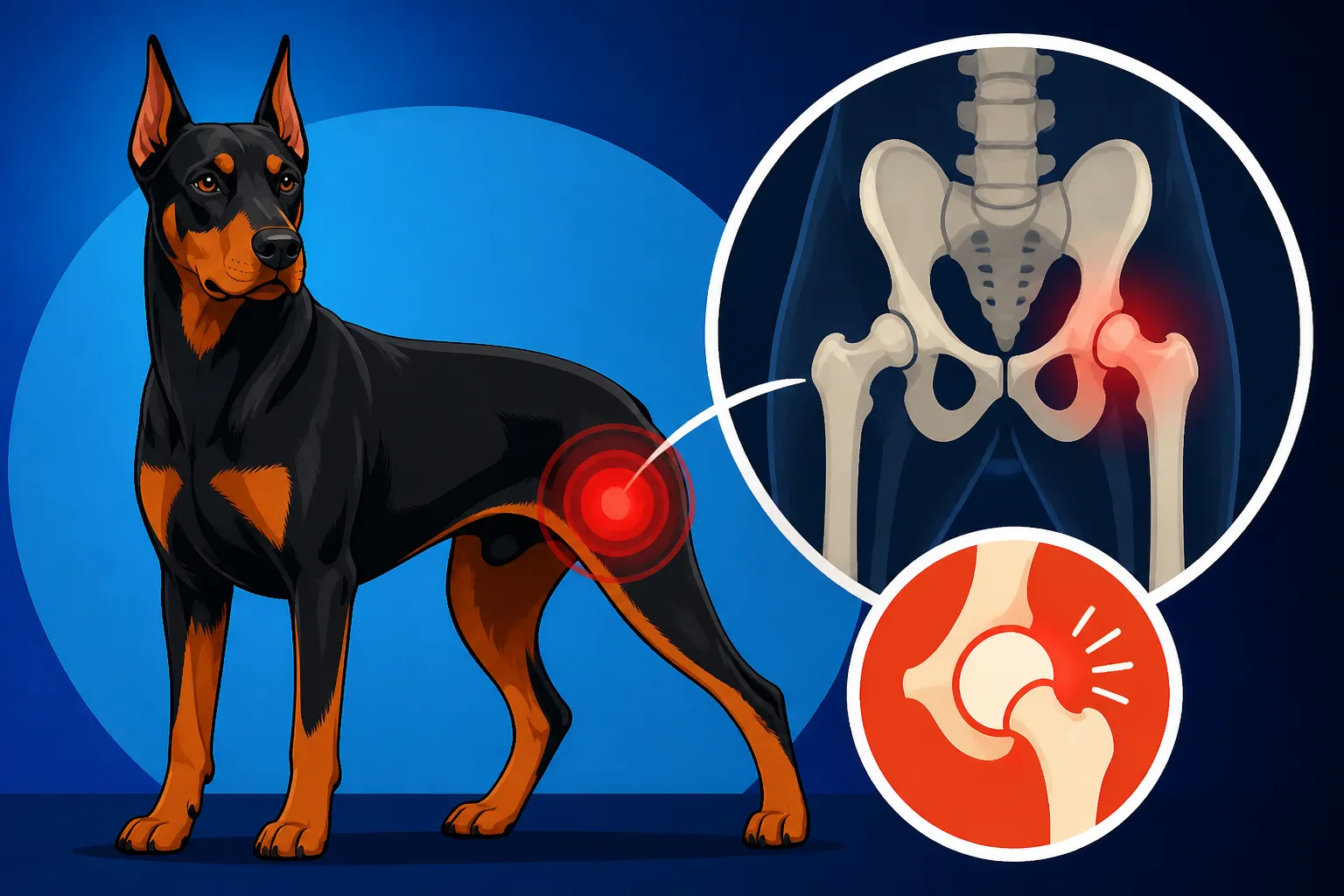
When we talk about hip dysplasia in Dobermans, it's not simply a matter of a single bad joint. It's a developmental condition, meaning it often begins early in life, even if symptoms don't appear until much later. The disease affects the hip joint, which is a ball-and-socket joint. For healthy function, the ball (the head of the femur, or thigh bone) needs to fit snugly and smoothly into the socket (the acetabulum in the pelvis). When this doesn't happen, problems arise.
What Hip Dysplasia Truly Means for a Doberman
In a Doberman with hip dysplasia, this smooth fit is compromised. Instead of a tight, congruent fit, the joint can be loose or malformed. Over time, this poor fit leads to abnormal wear and tear on the cartilage and bone surfaces. Imagine two gears that don't quite mesh; they grind, causing friction and damage. This grinding leads to inflammation, pain, and eventually, degenerative joint disease or osteoarthritis. The body tries to compensate by laying down new bone, but this often makes the problem worse, creating painful bone spurs and further reducing mobility.
For a powerful, athletic breed like the Doberman, whose entire design is based on efficient movement and strength, hip dysplasia can be particularly debilitating. It can reduce their ability to run, jump, and even walk comfortably, significantly impacting their quality of life. The severity can range from mild laxity that barely causes symptoms to severe deformity that cripples a young dog, making early understanding and intervention crucial.
The Genetic Predisposition in Dobermans
While Dobermans aren't typically as prone to severe hip dysplasia as some other large breeds like German Shepherds or Rottweilers, they are certainly not immune. The condition is largely genetic, meaning it's passed down from parent dogs to their offspring. This isn't a simple "yes" or "no" gene; it's polygenic, involving multiple genes, which makes breeding out the condition a complex challenge. Breeders dedicated to the health of the breed work tirelessly to screen their breeding stock to reduce the incidence.
Even if a Doberman's parents have excellent hips, there's still a small chance their offspring could be affected, as genetic expression can be tricky. However, selecting a puppy from parents with proven excellent hip scores significantly reduces the risk. This is why thorough The Health Testing a Doberman Breeder Must Show is so important, not just for hips but for other common Doberman ailments. Without this diligence, the genetic predisposition can easily carry forward through generations, continuing to plague the breed.
Factors Beyond Genetics Influencing Development
While genetics lay the groundwork, environmental factors during a Doberman puppy's rapid growth phase can heavily influence whether hip dysplasia develops or how severely it manifests. Over-nutrition, especially diets too high in calories or calcium, can lead to excessively rapid growth. This can put undue stress on developing joints before they've had a chance to fully mature and strengthen.
Similarly, uncontrolled or excessive exercise, particularly high-impact activities like jumping off furniture, long runs on hard surfaces, or strenuous agility work before a Doberman's growth plates have closed, can exacerbate any underlying genetic predisposition. Think of a puppy's bones and joints as still "soft" and vulnerable during their first year or so. Protecting them during this critical period, focusing on Protecting a Growing Doberman's Joints, can make a world of difference in their long-term soundness. Even the type of flooring they spend most of their time on, such as slippery surfaces, can contribute to stress on developing hips.
Recognizing the Subtle Signs of Hip Dysplasia in Your Doberman
Dobermans are known for their stoicism and high pain tolerance, which can unfortunately make it difficult to detect health issues, including hip dysplasia, in their early stages. They often try to power through discomfort, leading owners to miss subtle cues. Being attuned to small changes in their behavior and movement is key to early detection.
Early Indicators in Doberman Puppies and Adolescents
In young Dobermans, signs might be quite subtle. You might notice an unusual gait, sometimes described as a "bunny hop" when they run, where both back legs move together. There could be a reluctance to jump, climb stairs, or even play as robustly as other puppies. Some owners report a strange swaying or waddling motion in their hindquarters. They might also appear to be favoring one leg over another, or sitting in an unusual "frog-leg" position rather than a neat tuck.
Another common early sign is a decrease in activity levels or stamina compared to their peers. They might tire more quickly during walks or playtime and prefer to lie down rather than engage in vigorous activity. If you gently feel their hips, you might notice a slight click or pop, or they might react with pain when their hips are manipulated. Any of these signs, even if intermittent, warrant a conversation with your veterinarian.
Progressive Symptoms in Adult Dobermans
As hip dysplasia progresses into adulthood, the signs tend to become more pronounced due to the ongoing joint degeneration and development of osteoarthritis. You might observe a clear lameness in one or both hind legs, particularly after exercise or getting up from rest. Stiffness in a Doberman That Used to Sprint is a very common complaint, especially first thing in the morning or after a nap. They may struggle to stand up from a lying position, seeming to take longer and use their front legs more.
Muscle atrophy in the hindquarters is another tell-tale sign, as the Doberman instinctively uses those muscles less due to pain. You might notice their rear end looks thinner or less muscular compared to their front. They may also show signs of discomfort when touched around the hips or lower back, or become irritable when asked to perform movements that cause pain. A loss of interest in favorite activities, a reluctance to go for walks, or a decreased appetite can also be secondary signs of chronic pain.
How Dobermans Mask Discomfort
It cannot be stressed enough how good Dobermans are at hiding pain. Their strong prey drive, loyal nature, and desire to please can often lead them to push through significant discomfort, making detection challenging for even the most vigilant owner. They might show fleeting signs only when they are completely relaxed or when the pain becomes truly unbearable. This is why paying attention to subtle shifts is so crucial.
Instead of a dramatic limp, you might see a slight hesitation before jumping, or a slight favoring of a limb only after intense play. They might not cry out, but a quick glance back at their hip area, a lip lick, or a subtle change in facial expression can be a clue. Regular hands-on checks, gently feeling their joints, and observing their movement when they don't think they're being watched can provide vital information. It's often the small, consistent changes in routine or ability that signal an underlying issue that your Doberman is valiantly trying to conceal.
The Diagnostic Journey: Confirming Hip Dysplasia in Dobermans
Once you suspect hip dysplasia, the next step is a thorough veterinary examination. Diagnosing hip dysplasia usually involves a combination of physical assessment and imaging techniques to confirm the condition and determine its severity. This journey is crucial for developing an effective management plan.
Initial Veterinary Examination and Gait Analysis
Your veterinarian will begin with a comprehensive physical examination. This will include observing your Doberman's gait, or how they walk and move. They'll be looking for signs of lameness, "bunny hopping," stiffness, or any asymmetry in movement. They might ask you to walk your dog, trot them, and turn them to observe their flexibility and comfort levels. Sometimes, a quick video you've taken at home can be incredibly helpful if your Doberman is "on their best behavior" at the clinic.
During the hands-on portion, the vet will carefully palpate your Doberman's hips, feeling for any instability, crepitus (a grinding or popping sensation), or signs of pain. They will perform what's called an Ortolani test or a Barden's test, which involves manipulating the hip joint to assess for laxity (looseness) within the socket. While these tests can indicate hip laxity, especially in younger dogs, a definitive diagnosis almost always requires further imaging.
The Crucial Role of X-Rays and Sedation
X-rays are the gold standard for diagnosing hip dysplasia. To get accurate and diagnostic X-rays, your Doberman will need to be sedated. This isn't just to keep them still; it's essential for properly positioning them so the veterinarian can get clear images of their hip joints without muscle tension obscuring the view or creating misleading results. Trying to take these images on an unsedated dog would not only be stressful but likely inaccurate.
The veterinarian will typically take several views, including a ventrodorsal (VD) extended view, where your Doberman lies on their back with their legs extended straight back. They will assess the shape of the femoral heads, the depth of the acetabula, the presence of any degenerative changes like bone spurs, and the overall congruity of the joint. Organizations like the Orthopedic Foundation for Animals (OFA) and PennHIP provide standardized methods for evaluating hip radiographs, offering objective scores that are critical for both diagnosis and breeding decisions. Whether Doberman Hips Are Worth X-Raying is unequivocally yes, not just for breeders but for every owner trying to understand their dog's health.
Advanced Imaging and Specialist Consultation
In some cases, especially when surgery is being considered or if the X-ray results are ambiguous, your veterinarian might recommend advanced imaging techniques or a consultation with a board-certified veterinary orthopedic specialist. A CT scan (computed tomography) can provide more detailed cross-sectional images of the bone structure, offering a three-dimensional view of the hip joint. This can be particularly useful for surgical planning.
An MRI (magnetic resonance imaging) can offer even more detail, showing not just bone but also soft tissues like cartilage, ligaments, and muscle. This can help identify other concurrent issues or better assess the extent of soft tissue damage. A specialist will be able to interpret these advanced images, discuss all available treatment options, and provide a prognosis tailored to your Doberman's specific condition. They often have the latest knowledge on surgical techniques and rehabilitation protocols, ensuring your Doberman receives the most advanced care.
Management and Treatment Options for Doberman Hip Dysplasia
Receiving a diagnosis of hip dysplasia can feel overwhelming, but thankfully, there's a wide range of management and treatment options available to help your Doberman live a comfortable and active life. These options generally fall into two categories: conservative (non-surgical) and surgical.
Conservative Management: Keeping Your Doberman Comfortable
For many Dobermans, especially those with mild to moderate hip dysplasia or those who are not good surgical candidates, conservative management can be very effective. The cornerstone of conservative treatment is pain management and inflammation control. Non-steroidal anti-inflammatory drugs (NSAIDs) like carprofen (Rimadyl), meloxicam (Metacam), or firocoxib (Previcox) are commonly prescribed to reduce pain and inflammation. Other pain medications, such as gabapentin or amantadine, may be added for a multimodal approach, targeting different pain pathways.
Weight management is absolutely crucial. Every extra pound puts additional stress on already compromised joints, so keeping your Doberman at a lean, healthy weight (you should be able to easily feel their ribs, but not see them prominently, as discussed in Reading Ribs and Hip Points on a Doberman) is vital. Controlled, low-impact exercise like swimming or short, consistent leash walks helps maintain muscle mass without overstressing the joints. Physical therapy, including therapeutic exercises, massage, and hydrotherapy, can also significantly improve mobility and strength. Supplements like glucosamine, chondroitin, MSM, and omega-3 fatty acids may support joint health, though their efficacy can vary.
Surgical Interventions: When and What to Consider
When conservative management isn't enough, or for younger dogs with severe dysplasia, surgical options can provide significant relief and improve long-term function. There are several types of surgery, and the best choice depends on your Doberman's age, severity of dysplasia, and individual circumstances.
For younger dogs (typically under 10 months) with significant hip laxity but minimal degenerative changes, a Juvenile Pubic Symphysiodesis (JPS) or a Triple Pelvic Osteotomy (TPO) might be considered. JPS involves fusing part of the pelvis to encourage better hip development, while TPO involves cutting and rotating the pelvic bone to improve the fit of the ball in the socket. For older dogs with severe, painful osteoarthritis, a Femoral Head Ostectomy (FHO) removes the painful ball part of the joint, allowing a "false joint" to form, or a Total Hip Replacement (THR) where the entire joint is replaced with artificial components. THR offers the best chance of restoring normal function but is the most invasive and costly. Each surgery has its own set of pros, cons, and recovery protocols.
| Treatment Type | Ideal Candidate | Pros | Cons | Estimated Cost (General Range) |
|---|---|---|---|---|
| Conservative (Medication, PT, Weight Mgmt) | Mild to moderate dysplasia, older dogs, non-surgical candidates | Less invasive, lower initial cost, can be highly effective | Requires ongoing commitment, doesn't fix underlying issue, potential side effects from long-term medication | $50 – $300/month (meds, supplements, PT) |
| Juvenile Pubic Symphysiodesis (JPS) | Young puppies (< 5 months), mild to moderate laxity | Minimally invasive, prevents progression | Must be done early, only prevents, doesn't correct severe existing issues | $1,500 – $3,000 |
| Triple Pelvic Osteotomy (TPO) | Young dogs (< 10 months), significant laxity, minimal arthritis | Corrects joint incongruity, preserves natural hip | Invasive, complex surgery, long recovery, stricter age limit | $3,000 – $6,000 per hip |
| Femoral Head Ostectomy (FHO) | Any age, severe pain, budget-conscious, small to medium dogs | Relieves pain by removing bone, less expensive than THR | Can result in some limb shortening, reduced range of motion, not ideal for very large dogs without good rehab | $1,500 – $4,000 per hip |
| Total Hip Replacement (THR) | Any age, severe arthritis, good health, owner commitment | Best return to normal function, eliminates pain | Most invasive, expensive, risk of complications, long recovery | $4,000 – $8,000 per hip |
Note: Costs are general estimates and can vary significantly based on location, veterinary practice, and complexity.
Rehabilitation and Long-Term Care
Regardless of whether your Doberman undergoes surgery or is managed conservatively, rehabilitation and consistent long-term care are paramount. Post-surgical rehab is critical for regaining strength, range of motion, and proper gait. This often involves a structured program of exercises, hydrotherapy, laser therapy, and massage, guided by a certified canine rehabilitation therapist. Without dedicated rehabilitation, even the most successful surgery can yield suboptimal results.
For all Dobermans with hip dysplasia, ongoing management includes regular vet check-ups, monitoring their weight, adjusting exercise routines as needed, and continuing any prescribed medications or supplements. Maintaining a comfortable, supportive environment at home, with ramps for cars or beds, non-slip mats on floors, and orthopedic dog beds (like those supportive beds that cater to Bedding for an Old Doberman's Elbows), will greatly enhance their comfort and mobility throughout their lives. This continuous, thoughtful care is essential for maintaining their quality of life.
Preventing Hip Dysplasia: What Doberman Owners and Breeders Can Do
Prevention truly begins before a Doberman puppy is even born, with responsible breeding. However, even after bringing a puppy home, owners play a significant role in mitigating the risk and severity of hip dysplasia. It’s a team effort between ethical breeders and conscientious owners.
Responsible Breeding Practices and Health Clearances
The most impactful step in preventing hip dysplasia is selecting a Doberman puppy from a reputable breeder who conducts comprehensive health testing on their breeding stock. This includes hip evaluations through recognized organizations like the OFA (Orthopedic Foundation for Animals) or PennHIP. OFA certifies hips as Excellent, Good, or Fair, while PennHIP provides a distraction index (DI) that measures hip laxity. Both are valuable tools, and a responsible breeder should be able to provide these certifications for both parent dogs, and often grandparents.
Beyond hips, a truly ethical breeder will also screen for other prevalent Doberman health issues, ensuring they are not passing on known genetic predispositions for conditions like The Heart Disease That Reaches Most Dobermans or The Bleeding Disorder Almost Every Doberman Line Carries. They should be transparent about their testing protocols, openly discuss results, and prioritize the health and longevity of their lines over appearance or profit. Never hesitate to ask for copies of health certificates; a good breeder will be proud to show them.
Nutritional Strategies for Joint Health
Proper nutrition, especially during a Doberman's rapid growth phase, is critical. Avoid feeding puppy foods that are too high in calories, protein, or calcium, as this can encourage excessively fast growth that outpaces joint development. Large breed puppy formulas are specifically designed to support slower, more controlled growth, providing balanced nutrients without over-nutrition. Discuss your Doberman puppy's diet with your vet to ensure it meets their specific needs.
Maintaining a lean body weight throughout their life is another crucial nutritional strategy. Obesity significantly increases the load on joints and exacerbates any existing or developing hip issues. Regularly assess your Doberman's body condition – you should be able to feel their ribs without seeing them, and they should have a discernible waist when viewed from above. If you're unsure, your vet can help you determine the ideal weight and feeding plan for your individual Doberman, potentially incorporating joint-supportive supplements if appropriate.
Controlled Exercise and Environment for Growing Dobermans
The type and intensity of exercise your Doberman puppy receives during their first 12-18 months are vital. High-impact activities such as repetitive jumping, long runs on hard surfaces, excessive stair climbing, or prolonged strenuous play with much older, larger dogs should be avoided while their growth plates are still open. Instead, focus on controlled, low-impact exercise like short, frequent walks on soft surfaces (grass, dirt trails), swimming (excellent for muscle development without joint stress), and supervised playtime.
Ensure your home environment supports healthy joint development. Provide non-slip rugs on hard, slippery floors to prevent slips and falls that can stress developing hips. Use ramps or steps to help them get on and off furniture or into vehicles, rather than allowing them to jump. These small environmental adjustments, combined with careful exercise management, contribute significantly to preventing hip dysplasia and other joint issues like a Cruciate Injury in an Athletic Doberman. Remember, structured activity and mental enrichment are important, but not at the expense of proper joint development.
Living with a Doberman with Hip Dysplasia: Adapting to Their Needs
While a diagnosis of hip dysplasia can be daunting, it doesn't mean the end of a happy life for your Doberman. With thoughtful adaptations, ongoing care, and a focus on their overall well-being, you can ensure they continue to enjoy a fulfilling life by your side. It's about adjusting expectations and prioritizing comfort.
Modifying Your Home Environment
Making simple modifications to your home can significantly improve your Doberman's comfort and mobility. The first step is addressing slippery floors. Lay down non-slip rugs or runners, especially in high-traffic areas and on pathways to food bowls, water, and outdoor access. This provides better traction, reducing the risk of painful slips and falls that can exacerbate hip pain.
Consider investing in orthopedic dog beds that provide ample cushioning and support for their joints. These are particularly important for a lean breed like the Doberman who lacks significant natural padding. Ramps or pet stairs can be incredibly helpful for accessing furniture, beds, and vehicles, eliminating the need for painful jumping. Raised food and water bowls can also reduce strain on their neck and hips during meal times. Minimizing stairs or providing assistance for climbing them can also make a big difference in their daily comfort.
Maintaining Quality of Life and Emotional Well-being
Beyond physical comfort, maintaining your Doberman's emotional well-being is paramount. Dobermans are highly intelligent and sensitive dogs, and they thrive on routine, interaction, and feeling useful. Even with limited physical activity, you can keep their minds engaged through puzzle toys, scent work, short training sessions for tricks (that don't stress their hips), and consistent, loving interaction. A happy mind can sometimes mitigate the perception of physical discomfort.
Adjust their exercise routine to what they can comfortably handle. Multiple shorter, gentle walks might be better than one long one. Swimming is an excellent, low-impact way to maintain muscle tone and provide mental stimulation. Pay close attention to their cues and don't push them beyond their limits. Celebrating small victories, like a comfortable walk or a successful climb up a ramp, helps reinforce their confidence and maintain a positive outlook for both of you.
Navigating Veterinary Costs and Insurance
Managing hip dysplasia, especially if surgery is involved, can incur significant veterinary expenses. It's important to be prepared for these costs, which can include diagnostics, medications, physical therapy, and potentially thousands of dollars for surgical procedures. This is where pet insurance can be a literal lifesaver. Many owners realize too late that their Doberman's policy might not cover pre-existing conditions if they signed up after the first signs of hip trouble.
If you already have pet insurance, review your policy carefully to understand what is covered regarding hip dysplasia, including limitations, deductibles, and reimbursement percentages. Companies like Healthy Paws are known for their comprehensive coverage, but policies generally won't cover conditions diagnosed before enrollment or during a waiting period. If you don't have insurance, start setting aside funds specifically for your Doberman's future health needs. Understanding What a Doberman Costs Month to Month and how these costs can escalate, especially What Doberman Costs Climb After Six, is crucial for responsible ownership. Discuss payment plans with your vet or explore charitable organizations if financial strain becomes overwhelming.
Disclaimer
The information provided in this article is for general informational purposes only and is not intended as a substitute for professional veterinary advice. Always consult with a qualified veterinarian for any health concerns or before making any decisions related to your Doberman's health or treatment plan.