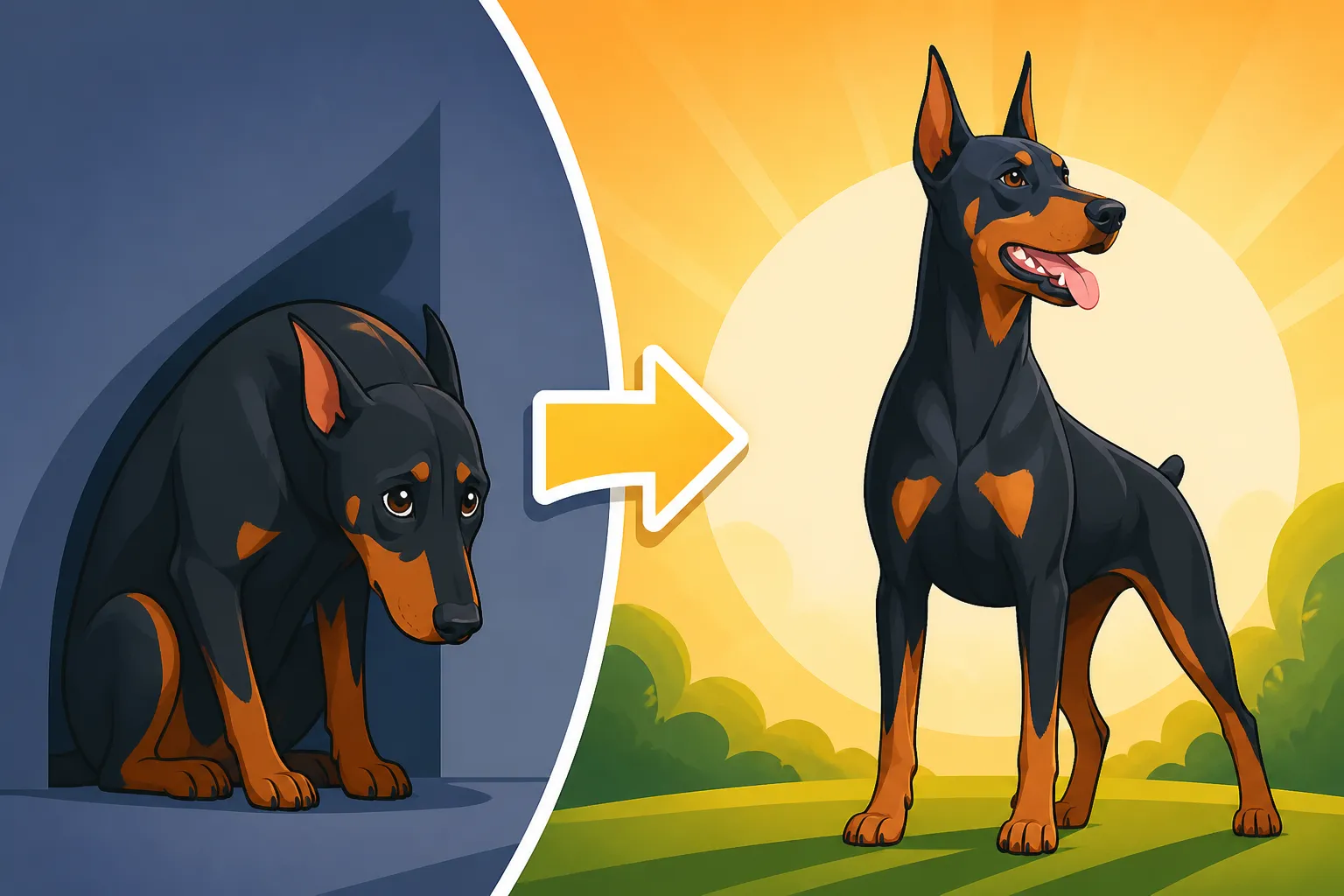
Whether a Shy Doberman Can Be Built Up
It's heartbreaking to watch your Doberman shrink away from new people, cower at unfamiliar sounds, or avoid situations that other dogs might relish. When you welcome a Doberman into your home, you envision a confident, noble companion, not one plagued by fear or uncertainty. This guide is for every Doberman owner who worries their beloved dog is too timid, too scared, or too shy, and wonders if it's truly possible to build up that inherent confidence and help them navigate the world with more ease.
Understanding Doberman Shyness
Let's be real, a Doberman isn't typically known for being a wallflower. They're often seen as bold, alert, and sometimes even a bit imposing. So, when your Doberman displays shyness, it can feel counterintuitive, leaving you wondering if something went wrong or if this is just their personality. Understanding the nuances of Doberman behavior is the first step in addressing shyness effectively.
Is It True Shyness or Just Caution?
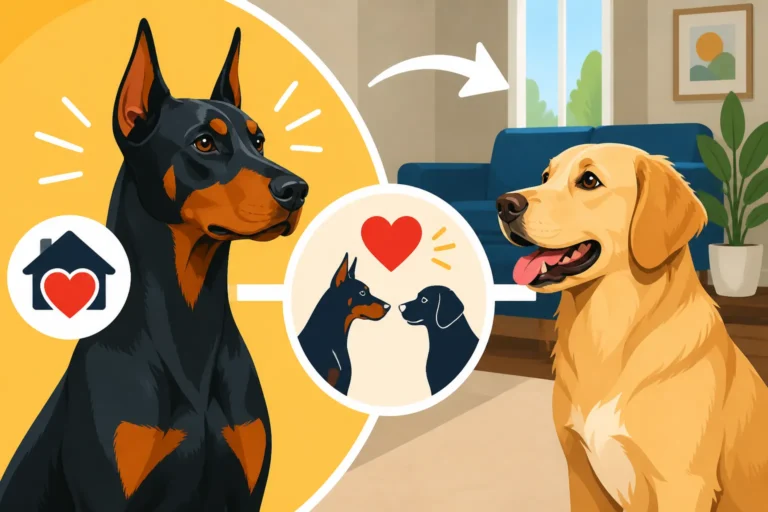
This is a really important distinction for Doberman owners. Dobermans, by breed standard, are described as "fearless," "alert," and "loyal." They are naturally reserved with strangers, which means they aren't usually the type to run up to every new person with a wagging tail. This reserved nature is often mistaken for shyness, but it's not the same thing. A truly confident Doberman will assess a situation, observe new people or environments, and then decide how to interact, often choosing to ignore or simply tolerate strangers rather than engage enthusiastically. They might stand a little distance away, watch with intense focus, and then, once they deem the situation safe, they might approach calmly or simply relax.
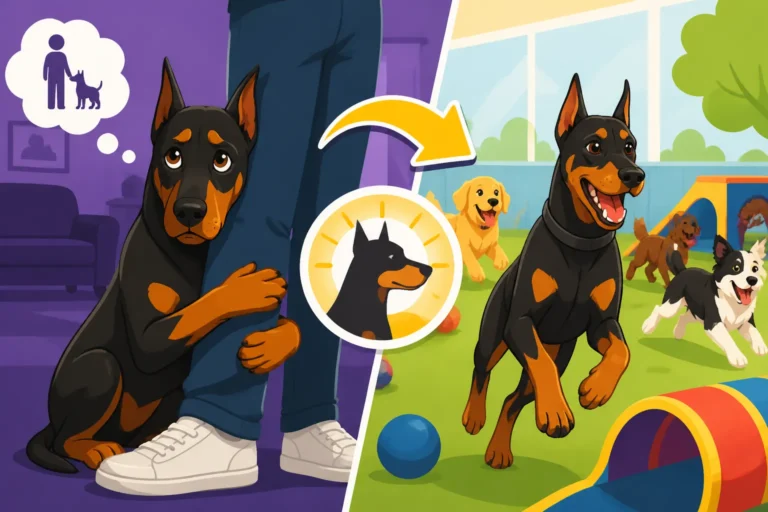
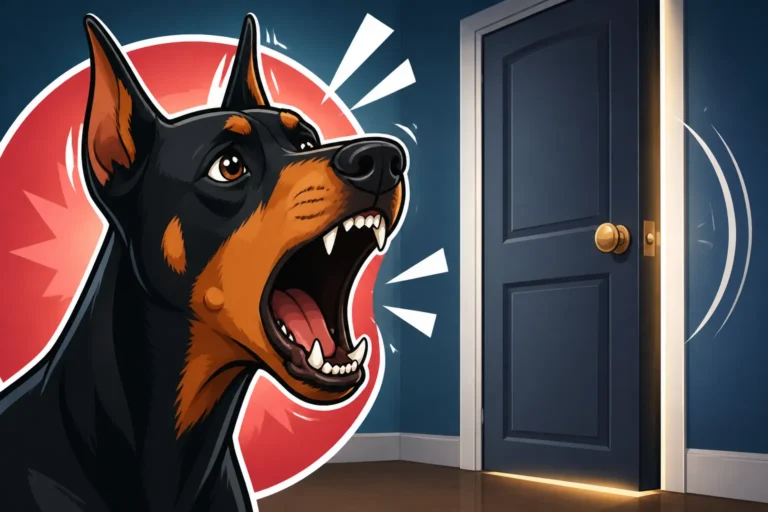
True shyness, however, manifests as fear. This could look like your Doberman actively trying to hide behind you, tucking their tail tightly, pinning their ears back, drooling excessively, yawning repeatedly (a stress signal), or even shaking. They might try to bolt away from a new person or dog, or vocalize with fearful barks or whines. This isn't noble reserve; it's genuine anxiety. Recognizing this difference is crucial because the approach to building confidence will vary depending on whether you're dealing with natural wariness or deep-seated fear. If your Doberman is displaying these more pronounced fear signals, it's a clear sign that you need to intervene with careful, consistent work.
Common Causes of Shyness in Dobermans
So, why might a Doberman be shy? It's often a complex interplay of factors, and rarely just one thing. One of the biggest culprits can be genetics. Unfortunately, some breeding lines carry a predisposition for nervousness or fear. Even otherwise well-bred dogs can inherit a softer temperament that makes them more prone to shyness than their more confident littermates. This is why a responsible breeder will pay as much attention to temperament as they do to health and conformation. If you purchased your Doberman from a breeder, consider their breeding practices and the temperament of the parents, if known.
Another huge factor is lack of early socialization. The critical socialization window for puppies closes around 16 weeks of age. During this time, puppies need positive exposure to a vast array of sights, sounds, people (men, women, children, people with hats, people with glasses), surfaces, and other friendly dogs. If a Doberman puppy was raised in an isolated environment, didn't experience the world, or had negative experiences during this crucial period, they are much more likely to develop fear and shyness as adults. Even a few traumatic events in puppyhood can leave a lasting impact. For instance, a terrifying encounter with a loud, aggressive dog during a critical developmental stage could create a lifelong fear of other dogs. This often leads to a Doberman Dog Reactivity on Leash issue later in life.
Finally, negative experiences later in life or even underlying health issues can contribute to or exacerbate shyness. An adult Doberman who was abused, neglected, or constantly exposed to scary situations can become shy and fearful, regardless of their early upbringing. Pain or discomfort from an undiagnosed medical condition can also make a dog more irritable, withdrawn, or fearful, as they associate new interactions with potential discomfort. Always rule out health problems with your vet if shyness appears suddenly in an adult dog.
The Journey to Building Confidence
Building confidence in a shy Doberman isn't a quick fix, and it requires immense patience, understanding, and consistency. Think of it as gently constructing a sturdy bridge for them to cross, rather than pushing them over a cliff. The goal isn't to force them to be outgoing, but to equip them with the resilience to cope with the world around them without succumbing to fear.
Starting with a Solid Foundation: Environment and Routine
A stable, predictable home environment is absolutely paramount for a shy Doberman. Imagine being constantly on edge, feeling like the world is unpredictable. Now imagine a home that provides a safe haven, a sanctuary where nothing surprising happens. This is what you need to create for your fearful companion. A consistent daily routine for feeding, walks, potty breaks, and playtime provides a sense of security and control. They know what to expect and when, which significantly reduces anxiety. Try to minimize sudden loud noises, chaotic household activity, or constant streams of new visitors, especially in the early stages.
Your Doberman should have a designated "safe space" within your home – a crate, a specific bed in a quiet corner, or even a room they can retreat to when they feel overwhelmed. This is their sanctuary, and everyone in the household should respect it. No one should disturb them when they are in their safe space. This allows them to self-regulate their stress and provides an invaluable escape route when things get too much. Providing a comfortable, secure crate, perhaps even covered, can offer a den-like feeling of safety.
The Power of Positive Reinforcement and Gentle Exposure
This is the cornerstone of building confidence. You absolutely cannot punish a shy Doberman for being shy. Punishing fear only intensifies it, teaching them that their fearful reactions are met with unpleasant consequences, thereby confirming their belief that the world is a scary place. Instead, we want to reward bravery, however small. If your Doberman just looks in the direction of something new without reacting negatively, mark that moment with a "yes!" and a high-value treat. If they take one step closer to a new person, jackpot them with treats. The key is to keep all interactions positive, low-pressure, and always below their "threshold" – the point at which they become too overwhelmed to learn.
Gentle, controlled exposure is critical. This isn't about throwing them into a dog park or a crowded street. It's about introducing novel stimuli at a distance where your Doberman notices it but isn't yet fearful. For example, if they're scared of strangers, start by having a calm, quiet stranger stand 50 feet away, not making eye contact. Reward your Doberman for simply existing in the presence of that person. Over days and weeks, gradually decrease the distance, always ensuring your dog remains calm and happy. If they show any signs of stress, increase the distance again. Think of it like a dance, two steps forward, one step back. You'll find that for some Dobermans, this patient, incremental approach is key to helping a Doberman Puppy That Hides From New People develop into a more stable adult.
Professional Guidance: When to Call for Help
While much can be done at home, sometimes shyness runs deep, or you find yourself at a standstill. This is when a professional trainer or certified veterinary behaviorist becomes invaluable. These experts have a deeper understanding of canine body language, learning theory, and behavior modification techniques. They can help you identify the specific triggers for your Doberman's shyness and develop a tailored plan. A good professional will emphasize positive reinforcement methods and guide you through structured desensitization and counter-conditioning exercises.
It’s crucial to find a professional who uses humane, force-free methods. Avoid anyone who suggests using harsh corrections, e-collars, or dominance-based techniques on a shy dog. These methods will almost certainly worsen the problem and break any trust you've painstakingly built. Ask for references, observe a session, and make sure their approach aligns with building confidence through positive experiences. They can also help you understand the subtle cues your Doberman is giving off, which you might miss, and teach you how to read their comfort levels more effectively.
Practical Strategies for Daily Confidence Building
Once you have a solid understanding and are committed to the long game, integrating confidence-building strategies into your daily life becomes second nature. These aren't just one-off exercises, but ongoing practices that reinforce your Doberman's sense of security and capability.
Structured Socialization: Quality Over Quantity
For a shy Doberman, "socialization" isn't about meeting every dog and person possible. It's about carefully curated, positive interactions. Focus on quality over quantity. Instead of a bustling dog park, arrange playdates with one calm, friendly, well-socialized dog you trust in a neutral, secure environment like a fenced yard. The other dog should be tolerant and understand canine social cues, not pushy or overly exuberant. Supervise these interactions closely, keeping them short and positive, ending before either dog gets stressed.
Similarly, with people, start with one calm individual who understands not to make direct eye contact or reach out to pet your Doberman. Have them toss treats from a distance, or simply sit quietly while your Doberman observes from afar. Gradually, and only if your Doberman is comfortable, they can slowly reduce the distance. This allows your Doberman to associate new people with good things (treats!) and positive, non-threatening experiences. Remember the goal is to help your Doberman view new experiences as benign, or even rewarding, rather than terrifying. You might also want to look at Exposing a Doberman Puppy to Strangers for more ideas on early, gentle introductions.
Building Skills with Training and Enrichment
Training is one of the most powerful tools for building confidence in any dog, especially a shy one. When a dog learns new commands, they feel a sense of accomplishment and control. Structured obedience training, using positive reinforcement, helps your Doberman understand what's expected of them and builds a clear line of communication between you. This predictability is comforting. Basic commands like "sit," "stay," "come," and "watch me" can be invaluable in diverting attention from stressors or giving your Doberman a task to focus on when they feel anxious. Even simple trick training can be a huge confidence booster.
Mental enrichment is just as important as physical exercise for a Doberman's well-being and confidence. Puzzle toys, snuffle mats, and scent games engage their minds and allow them to "work" for their food, fulfilling their natural drive to problem-solve. This builds self-efficacy and reduces anxiety born from boredom or under-stimulation. You can find a huge variety of these items on platforms like Amazon, from treat-dispensing balls to complicated feeders. For structured training you can do at home, especially useful if your Doberman is too shy for group classes, consider online programs like those offered by BAXTER & Bella. They provide step-by-step guidance that you can tailor to your dog's pace and comfort level. This allows your Doberman to learn in the safety of their own home, which can be invaluable for a shy dog. For more ideas on engaging their minds, check out Puzzle Work That Actually Tires a Doberman.
Advocating for Your Shy Doberman
You are your Doberman's biggest advocate and protector. This means actively managing situations and respectfully educating people about your dog's needs. If someone approaches too quickly, asks to pet your Doberman, or leans over them, you need to step in. A simple "Please give us some space, he's a bit shy" or "He's not really comfortable with strangers right now" can go a long way. Don't feel guilty for protecting your dog; it's your responsibility.
This advocacy also extends to how you handle everyday situations like vet visits. Muzzle training, introduced slowly and positively, can be an excellent tool not because your Doberman is aggressive, but because it ensures safety for everyone involved if they panic, and reduces stress for the dog during necessary handling. A properly conditioned muzzle means they can be safely examined without restraint that might increase their fear. Talk to your vet about fear-free visits, quiet waiting areas, or even pre-visit medications for highly anxious dogs. Remember, every positive, calm experience, however small, chips away at shyness and builds confidence.
The Reality of Progress and Long-Term Commitment
It’s easy to get frustrated when progress seems slow, or when your Doberman has a "bad day" after a period of improvement. Building confidence in a shy dog is truly a marathon, not a sprint. It's about celebrating the tiny victories and understanding that setbacks are part of the process.
Setting Realistic Expectations
It's important to accept that a truly shy Doberman may never become the social butterfly you envisioned. They might never be the dog that gleefully greets every stranger or thrives in bustling environments. And that's okay. The goal isn't to change their fundamental personality, but to help them cope, to feel safe, and to navigate the world without constant fear. A Doberman who can calmly walk past a stranger without panicking, or who can relax in the presence of a few trusted friends, is a huge success.
Focus on your Doberman's individual progress. Celebrate when they choose to explore a new scent on a walk, when they maintain a calm demeanor in a slightly novel situation, or when they make eye contact with a new person for a brief moment. These are monumental steps for a shy dog. Your unwavering support, patience, and consistent positive reinforcement will create a much happier, more functional Doberman, even if they remain a bit reserved. For more on the breed's natural tendencies, you might find The Doberman Temperament as the Standard Describes It enlightening.
Continuous Support and Maintenance
Shyness isn't something that's "cured" like an infection. It's a behavioral trait that often requires ongoing management and support throughout your Doberman's life. This means you can't just stop practicing your confidence-building exercises once you see improvement. You'll need to continue with controlled exposures, consistent routines, and positive reinforcement to maintain their gains. Life throws curveballs, and sometimes a new, scary experience can trigger a temporary regression in a shy dog. When this happens, it's not a failure; it's a signal to go back to basics, reinforce what they know, and rebuild from there.
The bond you build with your Doberman through this process will be incredibly strong. They will learn that you are their safe harbor, their protector, and the one they can trust when the world feels overwhelming. This deep trust is a powerful antidote to fear. Your commitment to their well-being will be the most significant factor in their journey toward a more confident and joyful life. If you've ever dealt with A Doberman That Is Wary Rather Than Confident, you know the patience required, but also the immense reward.
Here's a quick look at some behaviors to help you distinguish between true shyness and normal Doberman caution:
| Behavior Trait | Signs of Doberman Shyness (Fear-Based) | Signs of Doberman Caution (Breed-Standard Reserve) |
|---|---|---|
| Body Language | Tail tucked, ears flattened, crouching, shaking, avoiding eye contact, drooling. | Tail neutral or slightly tucked, ears alert/forward, standing tall, observing. |
| Response to Strangers | Actively attempts to hide, flee, or shows appeasement (licking lips, yawning). | Observes from a distance, may not engage, might accept a treat calmly. |
| Response to Novelty | Freezes, panics, tries to bolt, distressed vocalizations (whimpering, fearful barks). | Approaches cautiously, sniffs, assesses, may bark once or twice, then moves on. |
| Recovery Time | Takes a long time to calm down after a stressful event, or remains stressed. | Recovers quickly once the novelty or perceived threat has passed. |
| Interaction Quality | Avoids interaction, withdraws from touch, may snap if cornered out of fear. | Tolerates gentle interaction, may lean into a trusted person, not overtly seeking attention. |
| Confidence in Routine | Anxious even in familiar settings if any minor change occurs. | Confident and relaxed in familiar settings and routines. |
This article is for general informational purposes only and does not constitute professional advice. Laws, prices and regulations vary by location and change over time. Consult a qualified professional for guidance on your specific situation.