Doberman Dog Reactivity on Leash
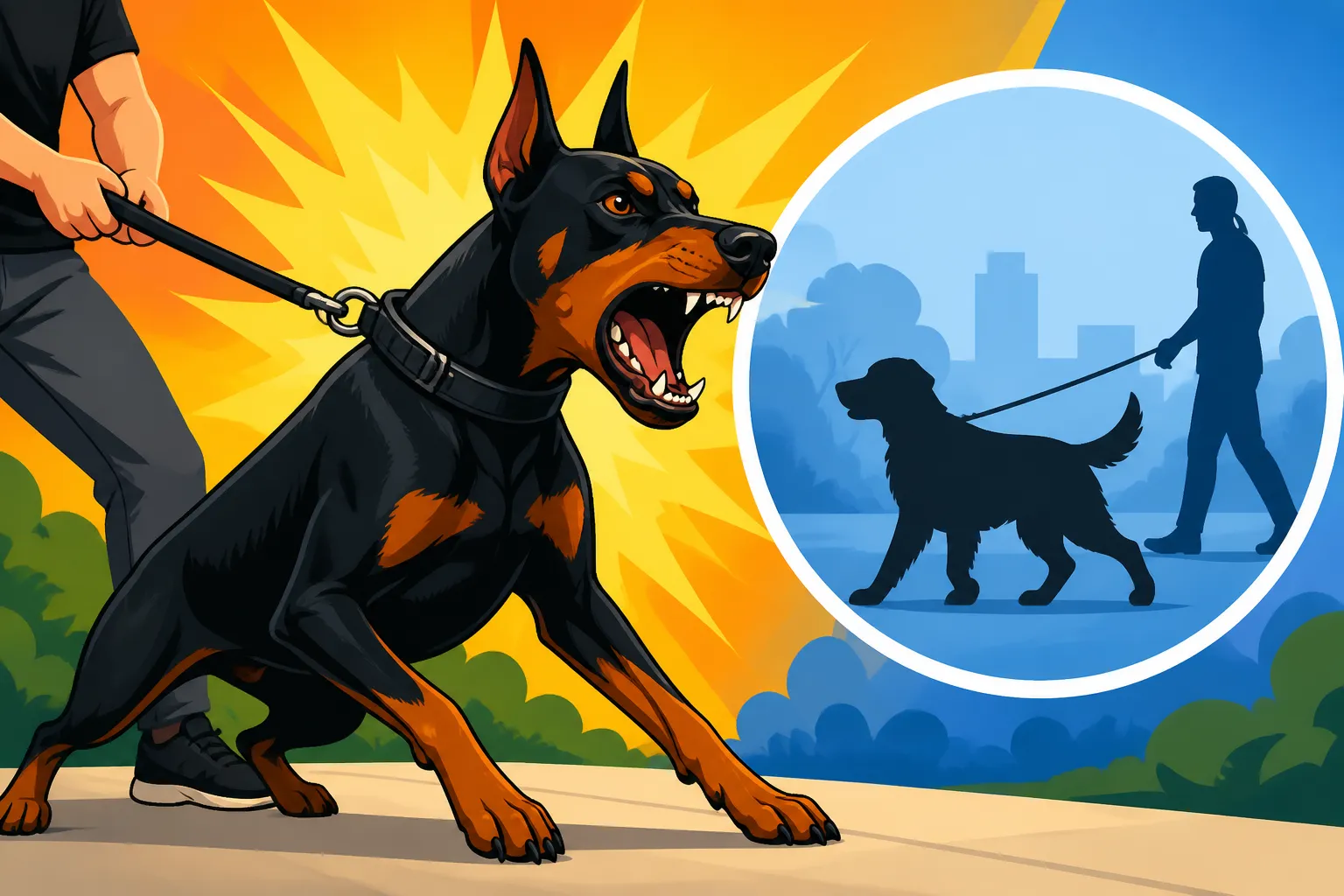
It's incredibly frustrating, even heartbreaking, when your usually wonderful Doberman transforms into a lunging, barking, or growling bundle of nerves the moment another dog, person, or even a leaf blows past on a walk. You feel judged, embarrassed, and often helpless, wondering if you'll ever enjoy a peaceful stroll again. This comprehensive guide is here to shed light on why your Doberman might be exhibiting leash reactivity, how to manage those difficult moments, and practical training steps you can take to foster a calmer, more confident companion.
Unpacking Doberman Leash Reactivity: More Than Just "Bad" Behavior
When your Doberman suddenly loses its cool on a walk, it's easy to label it as "aggressive" or "naughty." But leash reactivity is rarely about a dog being inherently mean-spirited. More often than not, it's a profound display of discomfort, fear, frustration, or over-excitement that escalates when your dog feels trapped or overwhelmed on a leash. Understanding this underlying emotional state is the first critical step toward helping your Doberman.
What Leash Reactivity Looks Like in a Doberman
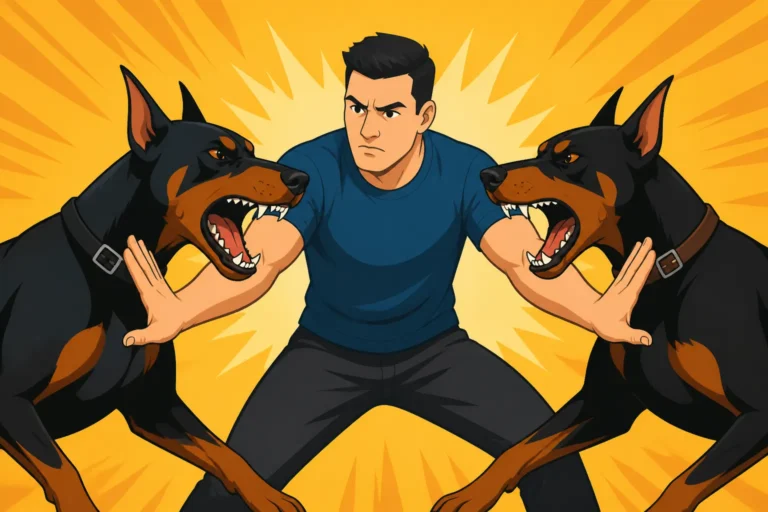
Dobermans, with their powerful build and intense focus, can present a particularly intimidating picture when they're reactive. Their reactions might range from barking and lunging with a stiff body, hackles raised, to whining, pulling, and trying desperately to get away. You might see a Doberman that, from a distance, seems to ignore an approaching dog, only to explode in a frenzy of noise and motion when the other dog is within a certain proximity. This can be especially alarming given their breed reputation, often leading to people crossing the street or making comments that only amplify your stress.
It's not uncommon for a reactive Doberman to appear fine indoors or in familiar, low-stress environments. They might play beautifully with known dogs off-leash in a secure yard, or be perfectly polite with visitors in your home. The leash, however, changes everything. It eliminates their flight option, making them feel cornered and forcing them into a "fight" or "freeze" response, which often manifests as a dramatic outburst. This isn't a sign of a "bad" dog; it's a clear signal that your Doberman is struggling to cope with the perceived threat or overwhelming stimulus in that specific, confined context.
The Underlying Causes: Why Dobermans Become Reactive
There are numerous reasons why a Doberman might develop leash reactivity, and it's often a combination of factors. One common culprit is a lack of proper socialization during their critical puppyhood window. If a Doberman puppy wasn't exposed to a wide variety of sights, sounds, people, and other dogs in a positive, controlled manner, they might grow up to be wary of new experiences. This wariness, when coupled with the restraint of a leash, can quickly turn into reactivity. A Doberman's natural guarding instinct, even if mild, can also contribute, as they might feel compelled to "protect" you or their immediate space from perceived intruders on a walk. You can learn more about this by reading The Sixteen Weeks That Set a Doberman Up.
Another significant factor can be negative past experiences. Perhaps your Doberman was lunged at by an off-leash dog, stepped on by a child, or startled by a loud noise while on a walk. These single traumatic events, or even a series of unpleasant encounters, can teach your Doberman that the outside world, especially on a leash, is a scary place where they need to fend for themselves. Genetics also play a role; some Dobermans are simply predisposed to be more sensitive, anxious, or excitable. Furthermore, pain or discomfort can exacerbate reactivity. An undiagnosed injury or even subtle joint pain could make your Doberman irritable and less tolerant of perceived threats, leading to a quicker and more intense reaction. Sometimes, it's simply over-excitement, an inability to self-regulate when faced with something desirable (like another dog they want to play with) or stimulating.
Decoding Your Doberman's Triggers: Understanding What Sets Them Off
Before you can effectively address leash reactivity, you need to become a detective. What exactly triggers your Doberman's outbursts? Is it every dog? Only certain types of dogs? Men with hats? Children? Bicycles? Joggers? Unraveling this mystery is crucial because it allows you to anticipate and manage situations more effectively, and tailor your training approach.
Identifying the Specific Stimuli
The first step is observation, and lots of it. Keep a journal or a simple note on your phone. Every time your Doberman reacts on a walk, jot down:
- Date and Time: Helps identify patterns.
- Location: Was it a busy street, a quiet park, or near your home?
- The Trigger: Be specific. Was it a small fluffy dog, a large black dog, a person walking fast, a skateboard, a car backfiring?
- Distance: How far away was the trigger when your Doberman first noticed it and when the reaction occurred? This is called their "threshold."
- Your Doberman's Behavior: What exactly did they do? Bark, lunge, growl, pull, whine, try to hide?
- Your Reaction: How did you respond? Did you pull back, say "no," try to soothe them?
- Environmental Factors: Was it windy, raining, particularly busy, or quiet? Was your Doberman tired or well-rested?
You might find that your Doberman is fine with small dogs but loses it when a larger breed approaches. Or perhaps they only react to dogs that bark at them first. Some Dobermans are intensely focused on people on bicycles, while others couldn't care less. Don't assume you know; let your observations guide you. This detailed tracking will help you understand the nuances of your Doberman's reactivity and avoid broad generalizations. For instance, a Doberman might react to all dogs, but the intensity and recovery time might differ significantly depending on the size, breed, or even gait of the other dog.
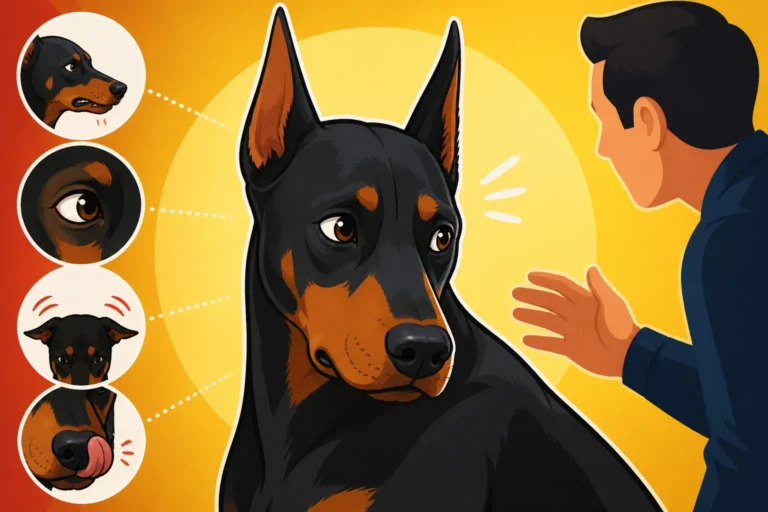
Reading Your Doberman's Body Language Before an Outburst
Dobermans are masters of communication, even if we don't always speak their language. Before your Doberman erupts, there are almost always subtle, and sometimes not-so-subtle, cues that indicate their discomfort or rising arousal. Learning to spot these early warning signs is paramount, as it gives you precious seconds to intervene before your dog goes over their threshold. Look for:
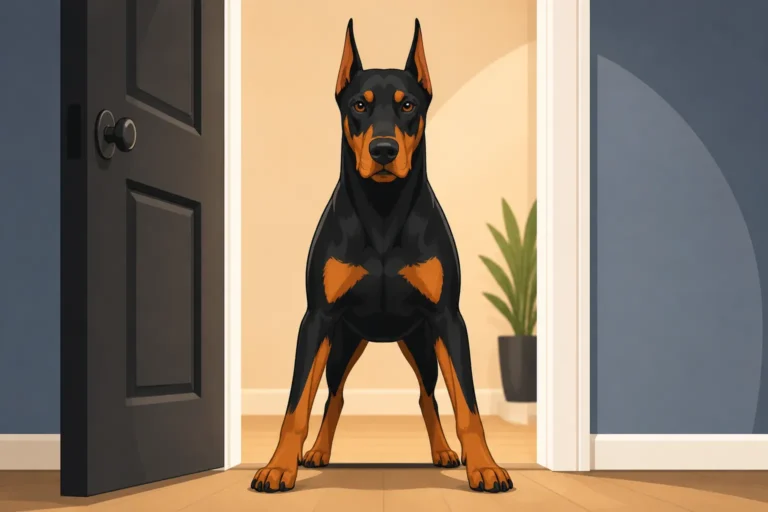
- Stiffening Body: Their body might become rigid, their tail might lift slightly.
- Focused Stare: Intense, unblinking focus on the trigger. Often accompanied by ears perked forward. What Cropped Ears Hide About a Doberman's Mood can make this harder to read.
- Lip Licking or Yawning: These can be signs of stress, not just digestion or tiredness.
- Head Turns/Averting Gaze: Your Doberman might try to look away, a subtle attempt to de-escalate.
- Piloerection (Hackles Raised): The hair along their spine and shoulders standing up. This is involuntary and indicates arousal, not necessarily aggression.
- Whining or Low Growls: Often precede louder vocalizations.
- Rapid Panting: Even if it's not hot.
By recognizing these signals, you can take action. Maybe it's turning and walking in the opposite direction, creating more distance, or using a high-value treat to redirect their attention before they fully lock onto the trigger. The goal is to keep your Doberman under their threshold, where they are still capable of listening and learning, rather than in an overstimulated, reactive state where rational thought is impossible. This is about prevention, not correction after the fact.
Immediate Management: Navigating the World with a Reactive Doberman
While you're working on long-term training, immediate management strategies are essential for keeping everyone safe, reducing your Doberman's stress, and preventing practice of unwanted reactive behaviors. This isn't about "fixing" the problem, but about skillfully avoiding or minimizing triggers so your Doberman doesn't have to react.
Avoiding and Creating Distance From Triggers
This might sound simple, but it's the most powerful tool you have. Your goal is to keep your Doberman from seeing, hearing, or getting close enough to their triggers to react. This means changing your walking routes, adjusting your walk times, and always being vigilant. If you know another dog walker with a similar route, try to time your walks to avoid them. If a car backfires and startles your Doberman, consider a quieter walking path next time.
When you spot a trigger approaching, act immediately. Turn and walk the other way, step behind a parked car, duck into a doorway, or cross the street well in advance. Don't wait until your Doberman is already starting to stiffen or stare. The further away you are from the trigger, the easier it is for your Doberman to remain calm and for you to maintain their attention. Think of it as controlling the environment to set your Doberman up for success. This might mean driving to a quiet industrial park during off-hours, or finding a large field where you can see approaching stimuli from a great distance. It's about proactive avoidance, not just reactive damage control.
Equipping Your Doberman for Safety and Control
Having the right gear is non-negotiable when managing a reactive Doberman. It's about both your safety and your dog's. A strong, secure leash is paramount; I highly recommend a 6-foot standard leash – no retractable leashes, ever, especially not with a powerful Doberman. For body control, a front-clip harness can be a game-changer. Brands like Ruffwear or Easy Walk offer harnesses that clip at the chest, redirecting your Doberman's forward momentum sideways if they pull, which greatly reduces their ability to lunge with full force. This makes Harnesses That Hold a Strong Doberman a worthwhile read. Some owners find head halters effective, though it takes time for a Doberman to adjust to them.
For serious reactivity, especially if there's any bite history or significant risk, a muzzle is a responsible safety tool. A well-fitting basket muzzle allows your Doberman to pant, drink, and take treats, so it's not cruel. It provides peace of mind for you and safety for others, and can actually reduce your Doberman's stress because you are less stressed about potential incidents. Start muzzle training positively at home, long before you need it in a high-stress situation. Muzzle training is something every Doberman owner should consider proactively, and you can learn more in Muzzle Training a Doberman Before It Is Needed.
Remember, these tools are for management and safety while you train, not a replacement for training itself. They give you the breathing room to implement behavior modification without constant fear of an incident.
| Tool Type | Description | Pros | Cons |
|---|---|---|---|
| Standard Leash | 4-6 foot fixed-length nylon or leather leash. | Reliable, durable, good control. | Doesn't inherently stop pulling. |
| Front-Clip Harness | Harness with a leash attachment point on the chest. | Redirects pulling, reduces lunging force, comfortable for the dog. | Can cause armpit chafing if not fitted correctly. Not a "cure" for reactivity. |
| Head Halter | Fits over the muzzle and behind the ears, giving head control. | Excellent control of the head, can prevent barking/lunging, gentle redirection. | Requires careful introduction and positive association, some dogs dislike the feeling. |
| Basket Muzzle | Allows panting and drinking, prevents bites. | Ensures public safety, reduces owner anxiety, allows continued training in public. | Can be stigmatizing (unfairly), requires positive conditioning, proper fit is essential. |
| High-Value Treats | Exceptionally tasty treats (cooked chicken, cheese, hot dogs). | Essential for positive reinforcement, grabs attention quickly. | Can be messy, must be novel and exciting for the dog. |
Effective Training Strategies for a Calmer Leash: Building New Habits
Management buys you time and reduces stress, but training is where the real change happens. The goal isn't to punish your Doberman for reacting, but to teach them new, more appropriate ways to cope with triggers and to change their emotional response from fear/frustration to neutrality or even positive anticipation.
Counter-Conditioning and Desensitization
This is the cornerstone of treating leash reactivity. It involves changing your Doberman's emotional response to a trigger (counter-conditioning) by gradually exposing them to it at a distance where they remain calm (desensitization), while simultaneously associating the trigger with something wonderful. The classic approach is often called "Look At That" (LAT).
Here's how it works:
- Identify the Threshold: Determine the distance at which your Doberman can see their trigger without reacting. This might be a block away, or even across a football field.
- Observe and Treat: When your Doberman notices the trigger (without reacting!), immediately mark the observation with a verbal cue like "Yes!" or a clicker, and give them a super high-value treat. Repeat this. The moment they glance at the trigger, they get a treat.
- Positive Association: The idea is to create a new association: "Other dog/person/bike = tasty treats!" Over time, the sight of the trigger should become a predictor of good things, not scary or frustrating things.
- Gradual Reduction of Distance: As your Doberman consistently remains calm and looks back at you for a treat, you can very slowly decrease the distance to the trigger. This process takes time, patience, and many repetitions. If your Doberman reacts, you've moved too close too fast. Go back to a greater distance where they can succeed.
This process essentially rewires your Doberman's brain regarding the trigger. Instead of feeling fear or frustration, they learn to associate it with positive rewards and look to you for guidance. It's not about forcing them to endure the trigger, but about changing their perception of it. This can be a long journey, but it's incredibly rewarding.
Engagement and Focus Training
A Doberman that is constantly checking in with you and focused on your cues is much less likely to react to distractions. Building a strong foundation of engagement and focus is critical for any Doberman, but especially for a reactive one. Practice attention exercises in progressively more distracting environments.
Start in a quiet area at home. Reward your Doberman for making eye contact with you. Use their name, and when they look, say "Yes!" and give a treat. Gradually increase the duration of eye contact. Then, take this outside to your yard, then a quiet street, and eventually to areas with mild distractions. Play games that reward engagement, like "find it" with scattered treats, or quick recalls. Make yourself the most exciting thing in the environment.
Teach a solid "watch me" or "focus" cue. This cue, when practiced reliably in low-distraction settings, can be a lifesaver when you spot a trigger. It directs your Doberman's attention back to you, allowing you to move away or continue with counter-conditioning without an outburst. Remember that Dobermans are highly intelligent, and Why a Clever Doberman Is Harder to Train means you need to stay one step ahead, making training stimulating and rewarding. Programs like BAXTER & Bella, for example, offer structured online modules that can guide you through building these foundational skills, making it easier to implement consistent training at home.
Practicing Parallel Walks and Controlled Interactions
Once your Doberman is making progress with counter-conditioning and maintaining focus, you can introduce controlled exposure, often through parallel walks. This is ideally done with a calm, bomb-proof "helper dog" and a trusted friend or professional trainer.
- Maintain Distance: Start with both Dobermans walking parallel to each other at a significant distance where your reactive Doberman remains calm.
- Reward Calmness: As both dogs walk, continuously reward your Doberman for remaining calm, looking at you, or glancing calmly at the other dog.
- Gradual Proximity: Slowly, over many sessions, reduce the distance between the two dogs. The goal is for your Doberman to eventually walk calmly alongside another dog, even if they never become best friends.
This controlled environment prevents your Doberman from practicing reactive behaviors and instead reinforces calm, neutral responses. It teaches them that other dogs can exist nearby without being a threat or an invitation for an over-the-top interaction. This is a very different experience from randomly encountering a dog on a narrow sidewalk, which often leads to frantic reactions. Remember, the progress will be incremental, and setbacks are normal. Don't get discouraged if a session doesn't go perfectly; simply reset and try again. Walking a Doberman Past a Reactive Dog offers additional insights here.
Essential Tools and Gear for Reactive Dobermans
Beyond basic leashes and harnesses, there are several tools and products that can support your efforts in managing and training a reactive Doberman. These aren't magic fixes, but they can make the journey smoother and safer for both of you.
Harnesses, Head Halters, and Muzzles
We've touched on these already, but it's worth reiterating their importance.
- Front-Clip Harnesses: For a strong Doberman, a harness like the Easy Walk or Freedom No-Pull harness (available on platforms like Amazon) provides much better control than a collar alone. When your Doberman pulls, the leash attachment on the chest redirects their body, making it physically harder for them to drag you forward or lunge with full force. This gives you more leverage and helps prevent potential injuries to your Doberman's neck or throat.
- Head Halters (e.g., Gentle Leader, Halti): These tools give you control over your Doberman's head, which means control over where their nose and eyes are pointing. If your Doberman is fixated on a trigger, a gentle redirection of their head can break their focus. They require careful, positive introduction with treats to prevent your Doberman from associating them with punishment.
- Basket Muzzles: As mentioned, a well-fitted basket muzzle is a critical safety tool, especially for Dobermans with a strong prey drive, or a history of snapping or biting when over-aroused. It allows them to breathe, pant, and drink, but prevents bites. It's a sign of a responsible owner, not a "bad" dog.
When choosing any of these, prioritize proper fit. A poorly fitting harness can chafe, and a muzzle that's too tight or too loose is unsafe. Always measure your Doberman carefully and consult fitting guides.
High-Value Treats and Treat Pouches
When working with a reactive Doberman, your standard kibble or dry biscuits often won't cut it. You need high-value treats – something incredibly delicious and novel that can instantly grab and hold your Doberman's attention even in the presence of distractions. Think small pieces of cooked chicken, cheese, hot dogs, freeze-dried liver, or even commercial soft training treats. The higher the value, the more motivating it will be for your Doberman to engage with you rather than the trigger.
A treat pouch is another essential piece of gear. Worn on your waist, it provides quick, easy access to treats, allowing you to mark and reward desired behaviors instantly. Fumbling for treats in your pocket wastes valuable seconds and breaks the flow of training. Look for pouches that are durable, have a wide opening, and can be easily cleaned. Brands available on Amazon or at your local pet store often have features like magnetic closures or separate compartments for keys and waste bags.
The speed of delivery is crucial in counter-conditioning. Your Doberman needs to connect the sight of the trigger with the immediate appearance of the delicious treat.
Sensory Aids and Enrichment
While not direct training tools, some items can help manage your Doberman's overall stress levels, which can indirectly impact their reactivity.
- Calming Chews or Supplements: Some Doberman owners find certain supplements containing L-Theanine, tryptophan, or CBD can help reduce overall anxiety. Always consult your vet before introducing any supplements to your Doberman's diet.
- Pheromone Collars or Diffusers: Products like Adaptil release synthetic dog appeasing pheromones, which can have a calming effect on some dogs.
- Enrichment Toys: A mentally stimulated Doberman is generally a calmer Doberman. Puzzle toys, snuffle mats, and long-lasting chews can provide an outlet for their mental energy and reduce boredom-related frustration, which can sometimes contribute to reactivity. Programs like BAXTER & Bella also often include mental enrichment ideas in their curricula.
- Sound Machines/White Noise: For Dobermans reactive to auditory triggers, a white noise machine or even classical music played indoors can help muffle outside sounds, creating a calmer home environment.
Remember, tools are adjuncts to training, not replacements. They help you manage the behavior and create a safer, more conducive environment for learning new responses. They are part of a holistic approach to supporting your Doberman's well-being.
Knowing When to Call in the Cavalry: Professional Help for Leash Reactivity
Dealing with a reactive Doberman can be incredibly taxing, both emotionally and physically. It's okay to admit when you need help. In fact, for many reactive Dobermans, professional guidance is not just beneficial, but essential for making significant progress and ensuring safety.
When Your Efforts Aren't Enough
You've read all the articles, watched countless videos, and diligently applied the management and training techniques, but your Doberman's reactivity isn't improving, or perhaps it's even getting worse. This is a clear sign that it's time to seek professional help. If your Doberman's reactions are intense, involve aggression, or if you feel unsafe or overwhelmed during walks, you absolutely should not try to tackle this alone.
Another indicator is if your Doberman's reactivity extends beyond just walks – perhaps they're becoming reactive to things in the home, or their general anxiety levels seem high. A professional can help identify underlying issues that might be contributing to the reactivity, such as undiagnosed pain (which Dobermans are prone to with conditions like Wobbler Syndrome or hip dysplasia) or general anxiety disorder, which may benefit from medication in conjunction with behavior modification. Ignoring persistent or escalating reactivity can lead to a more entrenched problem, making it harder to resolve down the line.
Types of Professionals Who Can Help
Choosing the right professional is critical. Not all dog trainers are equipped to handle serious reactivity, and some methods can even exacerbate the problem.
- Certified Professional Dog Trainers (CPDT-KA or KPA CTP): These trainers have demonstrated knowledge in force-free, positive reinforcement methods. Look for trainers who specialize in reactivity and behavior modification. They can provide personalized training plans, hands-on coaching, and help you refine your techniques. They'll work with you and your Doberman, teaching you how to train. Finding a Trainer Who Has Worked With Dobermans is crucial here.
- Certified Dog Behavior Consultants (CDBC): Behavior consultants have a deeper understanding of dog behavior science and can often handle more complex cases of reactivity, aggression, or anxiety. They conduct thorough assessments to identify the root cause of the behavior and develop comprehensive modification plans.
- Veterinary Behaviorists (DACVB): These are veterinarians who have specialized in animal behavior. They are qualified to diagnose behavioral disorders, prescribe medication (if necessary) to help manage anxiety or fear, and oversee complex behavior modification programs. If your Doberman's reactivity has a strong anxiety component or is resistant to other methods, a veterinary behaviorist can be invaluable, offering a holistic approach that includes both behavioral and medical interventions.
When choosing a professional, always ask about their methods, certifications, and experience specifically with reactive Dobermans or similar powerful breeds. Avoid anyone who suggests harsh corrections, punitive tools (like e-collars or prong collars used incorrectly), or promises quick fixes. Look for someone who emphasizes positive reinforcement, management, safety, and a humane approach. Many offer initial consultations to discuss your specific situation and outline their approach.
The Role of Medication in Managing Reactivity
For some Dobermans, especially those with severe anxiety or fear-based reactivity, medication prescribed by a vet or veterinary behaviorist can be a vital component of their treatment plan. The idea isn't to "sedate" your dog, but to lower their overall anxiety levels or modify their brain chemistry so they are better able to learn and respond to training.
Medication can help reduce the intensity of their emotional response, bringing them under their threshold more consistently. This means they are less likely to react explosively and more receptive to learning new coping mechanisms through counter-conditioning and desensitization. It creates a window of opportunity for behavioral modification to be truly effective. Think of it like taking anxiety medication for humans before going into therapy; it doesn't solve the problem, but it helps you engage with the solutions.
Medication is always used in conjunction with a behavior modification plan, never as a standalone solution. It helps to regulate their emotional state, allowing the training to sink in. Your vet or a veterinary behaviorist will discuss the pros and cons, potential side effects, and how medication fits into the overall strategy for your Doberman's specific needs. This might be a short-term intervention or, in some cases, a long-term support for managing chronic anxiety.
Disclaimer
This article is for general informational purposes only and does not constitute professional advice. Laws, prices and regulations vary by location and change over time. Consult a qualified professional for guidance on your specific situation.